Leveled Stories

Free printable leveled stories worksheet for kindergarten students. Part of our leveled stories reading comprehension collection. Aligned to Common Core standards.
How do I use this worksheet?
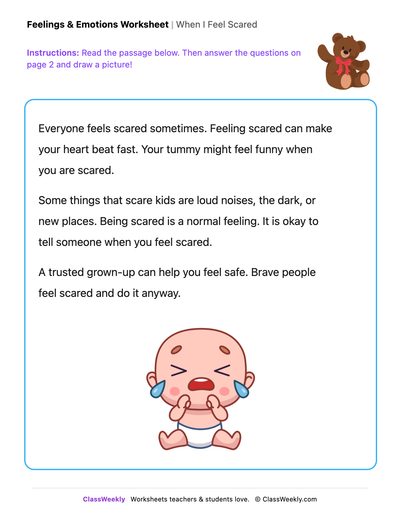
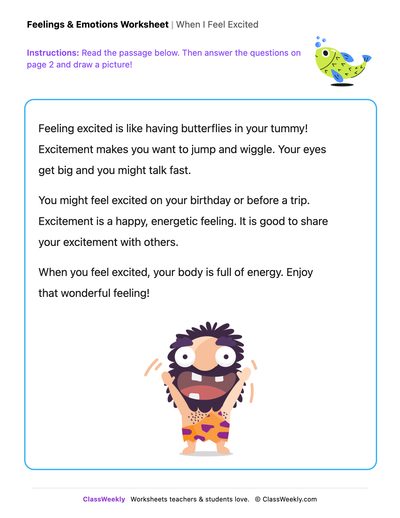
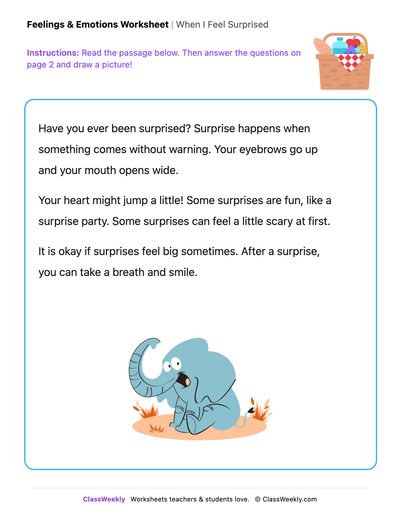
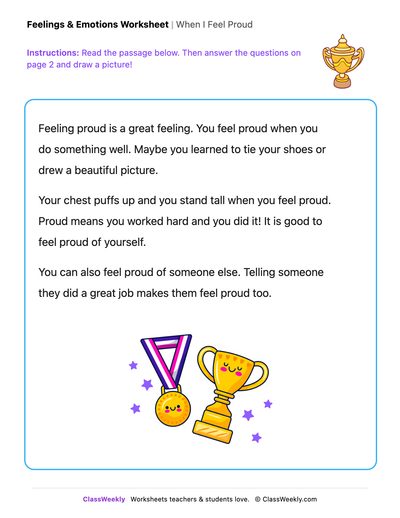
Begin with a shared reading or oral warm-up that highlights leveled stories so students hear and see the skill in context before practicing it independently. As students work through the worksheet, encourage them to say answers aloud first and then write them, especially for phonics-based tasks. After completing the worksheet, use one or two examples from the page to start a discussion: "Where else have you seen this in your reading?" These leveled stories worksheets are ideal for use during small group reading time, as independent center work, or as a homework activity.
What students will practice
- Students will identify and apply leveled stories knowledge to decode and comprehend grade-level text.
- Students will recognize patterns and rules related to leveled stories in spoken and written language.
- Students will build fluency and confidence with leveled stories through guided and independent practice.
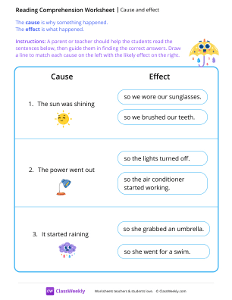

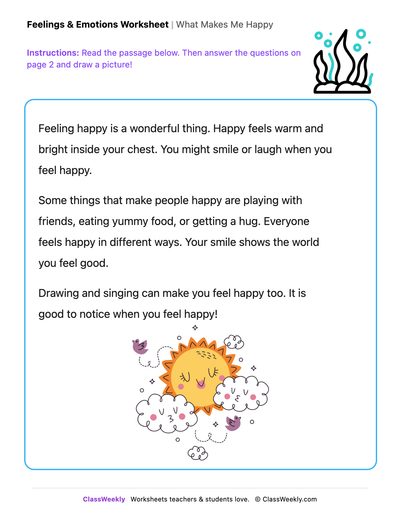

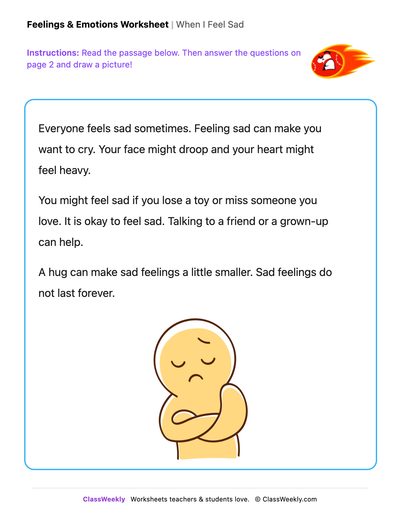

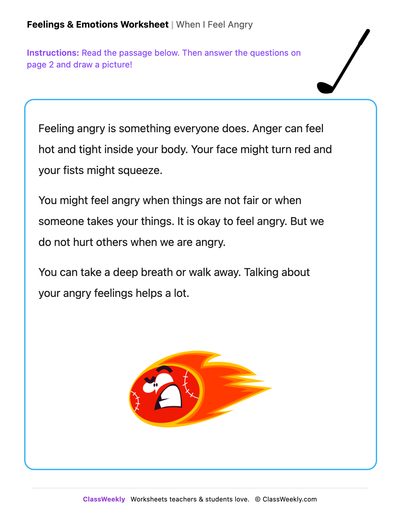





Curriculum Links
Common Core State Standards
Reading: Literature · Kindergarten
Standard: With prompting and support, ask and answer questions about key details in a text.
View all RL.K.1 worksheets →Find this in the curriculum
Browse the grade, subject, and topic this belongs to.
FAQ
How do I use this leveled stories worksheet?⌄
Begin with a shared reading or oral warm-up that highlights leveled stories so students hear and see the skill in context before practicing it independently. As students work through the worksheet, encourage them to say answers aloud first and then write them, especially for phonics-based tasks. After completing the worksheet, use one or two examples from the page to start a discussion: "Where else have you seen this in your reading?" These leveled stories worksheets are ideal for use during small group reading time, as independent center work, or as a homework activity.
What does this worksheet teach?⌄
These leveled stories worksheets for Kindergarten give students focused practice with one of the key skills in early literacy. Students read, identify, and respond to leveled stories through a variety of activities designed for their grade level. Our reading comprehension worksheets build both decoding skills and reading comprehension, helping students connect what they practice on paper to the books they read every day. Regular practice with leveled stories strengthens the reading skills that Kindergarten students need to become confident, independent readers.
What grade level is this for?⌄
This worksheet is designed for Kindergarten students (Ages 3-6), aligned to Common Core standard RL.K.1. It can also be used as review for early students at the next grade level or as an introduction for advanced students.
Can I use this for homeschool or classroom?⌄
Yes. This worksheet works for homeschool, classroom, and tutoring settings. Print individual pages for targeted practice, or print the full set as a packet. Works great as a morning warm-up, independent center activity, or fast-finisher task.
How do preschoolers develop reading comprehension before they can read?⌄
Reading comprehension for preschoolers is built through listening comprehension. When an adult reads aloud and asks questions like "What happened?" or "Why did the bear feel sad?", the child practices the same thinking skills used in independent reading. Research from the National Early Literacy Panel shows that oral comprehension in preschool strongly predicts reading comprehension in later grades. Worksheets for kindergarten comprehension typically use pictures: children look at a scene and answer questions about what is happening, what might happen next, or how a character feels. These activities develop vocabulary, inference skills, and narrative understanding. Reading aloud for 15 to 20 minutes daily and discussing the story afterward is the single most effective comprehension-building activity for this age group.
What questions should I ask my preschooler during read-aloud time?⌄
Use a mix of literal and inferential questions. Literal questions check basic understanding: "Who is the story about?" and "Where did they go?" Inferential questions build deeper thinking: "Why do you think she did that?" and "How would you feel if that happened to you?" Prediction questions like "What do you think will happen next?" develop anticipation and engagement. The key is to ask open-ended questions that require more than a yes or no answer. Worksheets that pair a short picture story with three or four comprehension questions replicate this guided questioning format. Research shows that interactive read-alouds, where the child actively participates rather than passively listening, produce significantly greater gains in vocabulary and comprehension than passive read-alouds alone.
What reading comprehension milestones should a 4-year-old reach?⌄
By age 4, most children can retell a familiar story in their own words with a beginning, middle, and end. They can answer simple "who," "what," and "where" questions about a story they just heard. They should begin making predictions and connecting stories to their own experiences. These milestones align with the preschool foundations that feed into CCSS RL.K.1 (asking and answering questions about key details) in kindergarten. Worksheets that use sequencing activities, where children put three or four pictures in the correct story order, assess and build this retelling ability. If a child struggles to retell stories, try using wordless picture books where the child creates the narrative, building confidence and storytelling skills before adding text-based comprehension demands.
Ratings & Reviews
55 reviews
Reviews are for ClassWeekly members.
Emily W.
Homeschool parent · Verified member
We've tried a lot of printable worksheets but these are consistently the best quality. My son asks to do them.
Lisa M.
Pre-K Teacher · Verified member
Perfect for my little learners. Simple, focused, and no distracting clutter. These are in my weekly rotation.
Rachel H.
Homeschool parent · Verified member
I print these every Sunday for the week ahead. My kids never complain about worksheet time when it's ClassWeekly.
Tom B.
Learning Specialist · Verified member
I recommend these to the families I work with. The clear layout is ideal for students who need reduced visual noise.
Amanda P.
4th Grade Teacher · Verified member
Been using ClassWeekly for months now. The worksheets are consistent, well-designed, and my students understand them without extra explanation.
Make a Request
Spotted something to fix, or want a worksheet we don't have yet? Tell us and we'll make it.
Worksheet Details
| Grade | Kindergarten |
| Subject | Reading |
| Topic | Reading Comprehension |
| Standard | RL.K.1 |
| Pages | 1 page |
| Difficulty | Medium |
What is ClassWeekly?
ClassWeekly offers free worksheets and printable learning resources for kids in preschool to grade 5. All worksheets are aligned to Common Core standards and designed by educators. Become a member to access the full library and download unlimited PDFs.