What Is a Benchmark Assessment?
Taught in US schools

Key Takeaways
- Benchmark assessments are given at set points in the year (beginning, middle, end) to track student progress toward grade-level goals.
- Benchmarks differ from formative assessments (daily/weekly checks) and summative assessments (end-of-unit tests) - they measure progress over the full year.
- Common benchmark tools include DIBELS (reading fluency), NWEA MAP (reading and math), and iReady. Results are used for grouping, intervention, and reporting.
What Is a Benchmark Assessment?
A benchmark assessment is a standardized assessment administered at regular, predetermined points in the school year - typically three times: beginning (fall), middle (winter), and end (spring). Its purpose is to measure each student's current level of performance and track growth over time toward grade-level standards.
Unlike a daily check-in or unit test, benchmark assessments give teachers, schools, and families a big-picture view of whether students are on track for the year.
Purpose of Benchmark Assessments
Benchmark assessments serve several interconnected purposes:
Screening: Identify students at risk for reading or math difficulties early in the year
Progress monitoring: Track whether students are growing at the expected rate
Instructional grouping: Group students for small-group instruction and intervention
Intervention decisions: Determine which students need additional support (RTI Tiers 2 and 3)
Family reporting: Communicate student progress using standardized data
Program evaluation: Help schools understand whether curriculum and instruction are working
Types of Benchmark Assessments
Reading Benchmarks
DIBELS: Phonemic awareness, phonics, fluency, comprehension - K–6
iReady Diagnostic: Reading level, skill strands - K–8
NWEA MAP Reading: Broad reading skills (adaptive) - K–12
****Fountas & Pinnell (F&P): Instructional reading level (A–Z) - K–8
Math Benchmarks
iReady Diagnostic: Math skills by domain - K–8
NWEA MAP Math: Broad math skills (adaptive) - K–12
District-designed: Aligned to local curriculum - Varies
How Benchmark Data Is Used
After a fall benchmark:
- Establish baselines
- Identify students who need early intervention immediately
- Set individual growth goals
After a winter benchmark:
- Check mid-year progress
- Adjust intervention intensity for students not making expected growth
- Celebrate students who have caught up
After a spring benchmark:
- Evaluate full-year growth
- Report to families with year-end data
- Inform summer learning recommendations
- Provide data to next year's teacher
Benchmark vs. Formative vs. Summative Assessment
Formative: Daily/weekly - Informal, brief - Adjust daily instruction
Benchmark: 2-3x per year - Standardized - Monitor progress over time
Summative: End of unit/year - Formal test - Evaluate mastery at a point in time All three types work together in a comprehensive assessment system.
What Good Data Use Looks Like
Benchmark data is only valuable when it leads to action:
- Teachers analyze data promptly after each assessment window.
- Grade-level teams meet to discuss patterns and plan responses.
- Students who are behind receive timely, targeted support.
- Data is shared with families in clear, accessible language.
- Results are compared to prior benchmarks to measure growth.
Practice Activities
- Practice reading benchmark data: given a class roster with fall and winter scores, sort students into three groups (on track, approaching, needs support) and describe what instruction each group would receive.
- Compare two benchmark reports on the same student - identify areas of growth and areas where progress has stalled.
- Design a student data conversation framework: how would you explain benchmark results to a parent who is unfamiliar with the tool?
- Explore an iReady or NWEA sample report - identify which data points indicate overall level and which show specific skill gaps.
- Discuss equity: what factors outside of school can affect benchmark scores? How do teachers account for this when making decisions?

Frequently Asked Questions
What is the difference between a benchmark assessment and a formative assessment?
A formative assessment is brief, frequent, and informal - it happens during the learning process (daily warm-ups, exit tickets, teacher observations). A benchmark assessment is longer, more standardized, and given only a few times per year at predetermined checkpoints. Formative assessments help teachers adjust daily instruction; benchmark assessments measure growth over a longer arc and identify students who need intervention.
What are some common benchmark assessment tools in elementary school?
DIBELS (Dynamic Indicators of Basic Early Literacy Skills) - measures reading foundational skills (phonemic awareness, fluency, comprehension). NWEA MAP (Measures of Academic Progress) - adaptive reading and math test given 2-3x per year. iReady Diagnostic - reading and math diagnostic given in fall, winter, and spring. F&P (Fountas and Pinnell) - reading level assessment. Each tool provides specific data to guide instruction and intervention.
How is benchmark data used for student grouping?
After a benchmark assessment, teachers analyze results to identify students who are above, at, or below grade level. This data informs flexible grouping decisions: students performing below grade level may be placed in small intervention groups (Tier 2 or Tier 3 in an RTI model); students at grade level continue core instruction; advanced students may receive enrichment. Groups should be revisited and regrouped after each benchmark cycle.
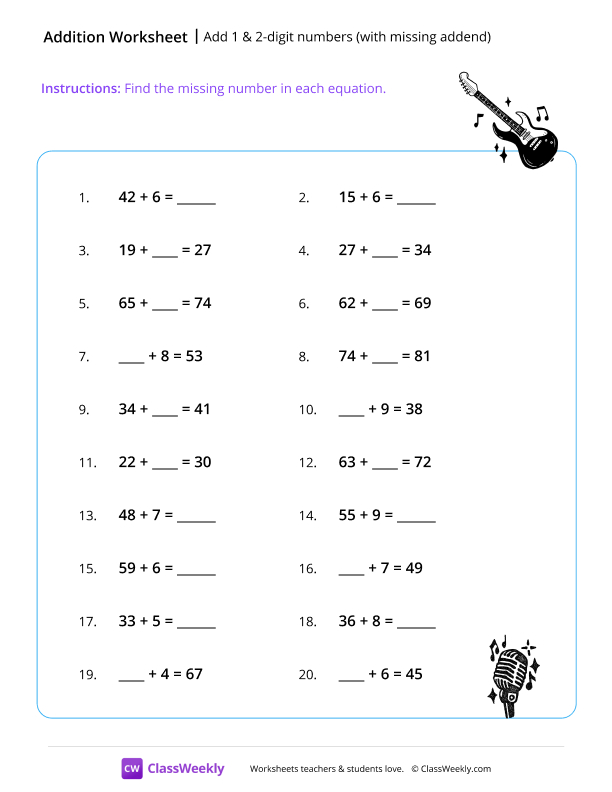
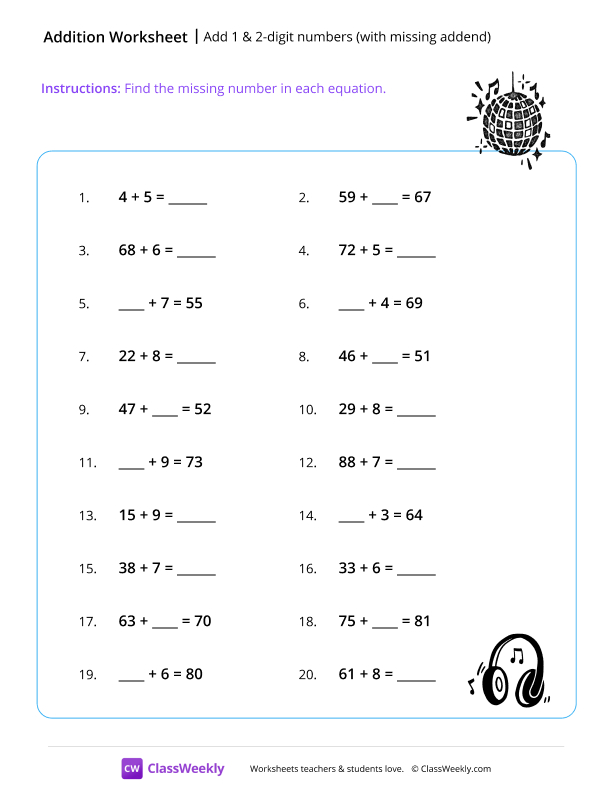
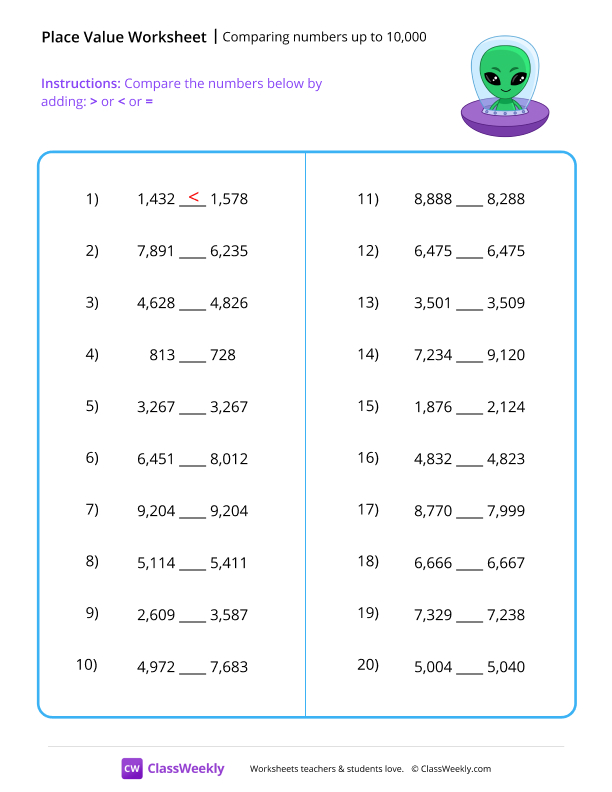
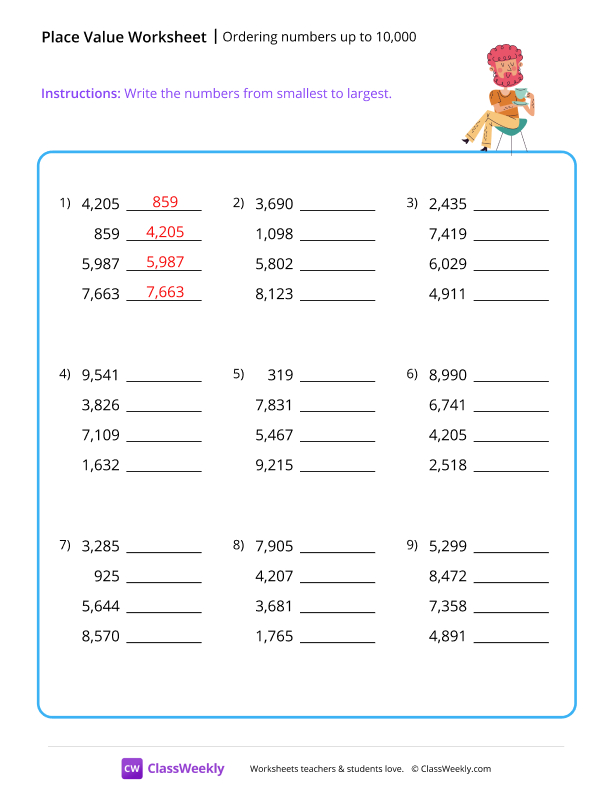
Free Benchmark Worksheets
Curriculum-aligned printable worksheets for K – 5th Grade. Download free.