What Is Differentiated Instruction?
Taught in US schools

Key Takeaways
- Differentiation adjusts CONTENT (what), PROCESS (how), or PRODUCT (how students show learning).
- Based on three student factors: readiness (current skill), learning profile (how they learn best), and interests.
- NOT the same as having 30 individualized lesson plans - it's tiered tasks and flexible grouping.
- Formative assessment drives differentiation - you can't differentiate without knowing where students are.
What Is Differentiated Instruction?
Differentiated instruction is a teaching approach that adjusts content, process, or product based on students' individual readiness, learning profiles, and interests - with the goal of meeting every student where they are without lowering expectations for anyone.
Developed and popularized by educator Carol Ann Tomlinson, differentiation starts from the premise that students arrive with different prior knowledge, different rates of learning, and different interests. Teaching all students identically means some are bored, some are lost, and few are in the productive zone of learning.
What Teachers Differentiate
Content - What students learn or how they access it:
- Different reading levels of texts on the same topic
- Vocabulary support or audio versions for English learners
- Visual, auditory, or tactile presentations of the same concept
Process - How students engage with the material:
- Using manipulatives (concrete) vs. pictures (visual) vs. equations (abstract)
- More time or more practice steps for some students
- Small-group instruction vs. independent work
Product - How students demonstrate learning:
- Written report, oral presentation, poster, model, video, performance
- All products demonstrate the same learning objective - in different forms
Based on Three Student Factors
- Readiness - current level of skill or knowledge in this specific area
- Learning profile - how the student learns best (visual, auditory, collaborative, independent)
- Interests - what topics and contexts motivate and engage the student
Tiered Instruction
A practical differentiation strategy where the same concept is taught at different complexity levels:
Approaching: Concrete supports, simpler numbers, more scaffolding - Arrays with manipulatives, 1-digit × 1-digit
On-Level: Standard grade-level task - 2-digit × 1-digit, standard algorithm
Extending: Higher complexity, application, connection to advanced concepts - Multi-step problems, connecting to area model All tiers aim at the same learning objective - multiplication fluency - at different entry points.
The Role of Formative Assessment
Differentiation without data is guessing. Regular formative assessment - exit tickets, observation, questioning, quick checks - tells the teacher:
- Who has mastered the concept and is ready for extension
- Who is on track with grade-level work
- Who needs additional support or a different approach
Groups should shift as student mastery changes. Flexibility distinguishes differentiation from tracking.
What Differentiation Is NOT
-
Not 30 individual lesson plans - tiered tasks and flexible groups make it manageable
-
Not lowering expectations - all students work toward grade-level goals
-
Not permanent grouping - groups change as student needs change
-
Not exclusively for struggling students - gifted students need differentiation too
Common Misconceptions
"Differentiation means everyone does different work." Most of the time, all students work on the same concept - only the complexity level, scaffolding, or presentation differs.
"Differentiation is too hard to implement." Start small: one tiered task per week, one flexible reading group, one choice board per month. Differentiation is a progression, not an all-or-nothing commitment.
"High achievers don't need differentiation." Advanced students often spend classroom time on tasks they've already mastered - they need challenge and extension too.
Practice Examples
-
Flexible reading groups: Students read different texts on the same theme; discuss the same comprehension skill.
-
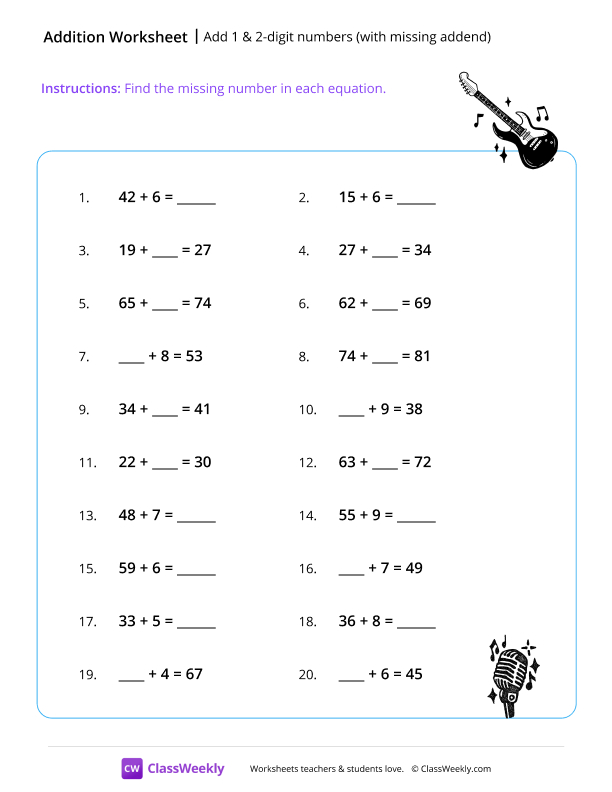
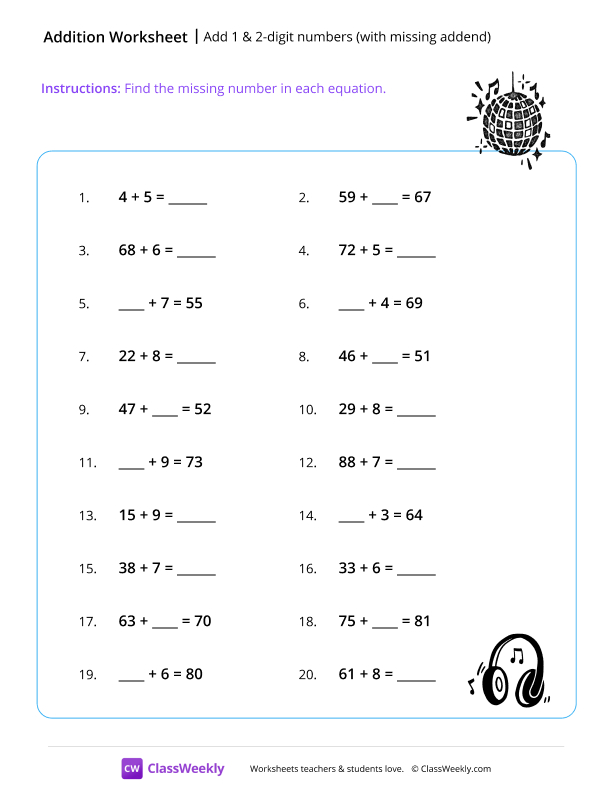
Math tiered tasks: Same problem context, different numerical complexity per tier.
-
Choice boards: 9-box menu (tic-tac-toe) - students choose 3 tasks that make a row; all choices demonstrate the same standard.
-
Anchor activities: Meaningful extension tasks for students who finish early.
-
Small-group pull: While students work independently, teacher pulls a small group for targeted re-teaching or extension.

Frequently Asked Questions
What are the three things teachers differentiate?
Content: What students learn or how they access it. Adjusting reading level of texts, providing vocabulary support, using audio or visual materials alongside print. Process: How students engage with and make sense of the material. Some students may need manipulatives, others visual representations, others abstract notation. Some may need more time or more practice steps. Product: How students demonstrate their learning. Options might include a written report, an oral presentation, a poster, a model, or a performance. Carol Ann Tomlinson, who developed differentiated instruction, emphasizes that all three can be adjusted while maintaining rigorous, grade-level expectations for all.
How is differentiation different from ability grouping?
Ability grouping (tracking) places students in permanent groups based on perceived ability - often with lower-level groups receiving less rigorous instruction and less qualified teachers. Research on tracking shows it widens achievement gaps. Differentiation uses flexible grouping - groups that change based on the skill being learned, so a student might be in a higher group for reading and a lower group for math, and groups shift as students' skills change. The key is flexibility and consistent high expectations for all students, not a permanent hierarchy.
What is tiered instruction?
Tiered instruction is a common differentiation strategy where the same concept is taught at different levels of complexity. All students work toward the same learning objective, but the tasks are scaffolded differently: Tier 1 (approaching): the concept with concrete supports, simplified examples, and additional scaffolding. Tier 2 (on-level): the standard grade-level task with typical supports. Tier 3 (extending): more complex application, higher-order thinking, or connections to advanced concepts. The same core idea is accessible to all; the level of challenge matches each group's current readiness.
How does formative assessment connect to differentiated instruction?
Differentiation without data is guessing. Formative assessment - ongoing checks of understanding during instruction - tells the teacher who understands what, who is ready for more challenge, and who needs additional support. Exit tickets, observation, questioning, quick writes, and thumbs-up checks are formative tools. The information gathered directly drives grouping decisions and task selection. Without regular formative assessment, teachers can't adjust instruction to meet actual student needs - they can only guess.
What does differentiated instruction look like in a typical elementary classroom?
Flexible reading groups: students reading different texts at different levels but discussing the same comprehension skills. Math centers: some students using manipulatives for a concept others are applying abstractly. Writing conferences: teacher meets with individual students at different stages of the writing process. Tiered word problems: same context, different numerical complexity. Choice boards: students choose from several tasks that demonstrate the same learning at different complexity levels. Anchor activities: challenging extension tasks for students who finish early, so fast finishers extend rather than wait.
Free Differentiated Instruction Worksheets
Curriculum-aligned printable worksheets for Kindergarten – 5th Grade. Download free.