What Is Scaffolding in Education?
Taught in US schools

Key Takeaways
- Scaffolding is TEMPORARY support - it's designed to be removed as students grow.
- Based on Vygotsky's Zone of Proximal Development: the gap between what students can do alone vs. with help.
- Types: worked examples, sentence starters, graphic organizers, word banks, partner work, chunking tasks.
- Gradual release: I Do → We Do → You Do. Scaffolds come in during 'We Do' and fade during 'You Do.'
What Is Scaffolding in Education?
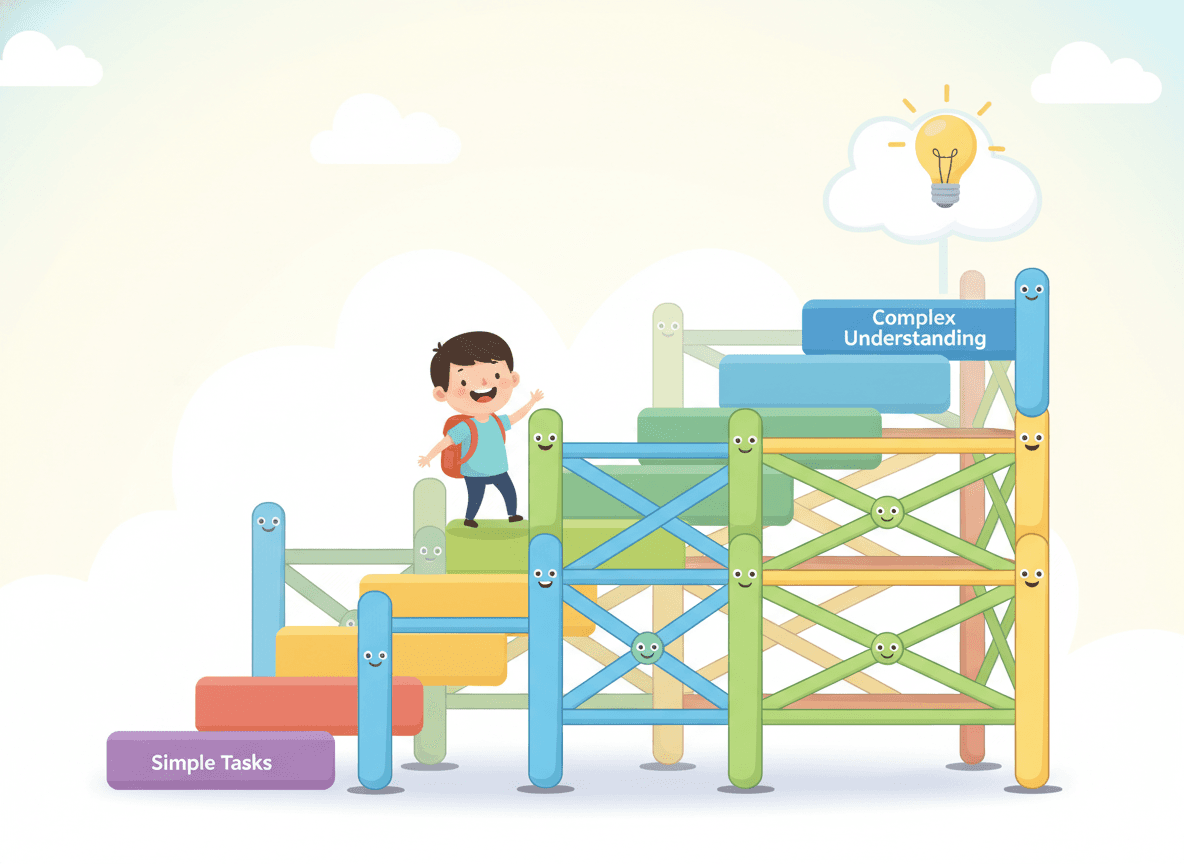
Scaffolding is temporary instructional support that helps students accomplish tasks they couldn't yet do independently - designed to be removed as their skills grow.
The name comes from construction: just as scaffolding holds up a building while it's being constructed and comes down once the structure can stand on its own, educational scaffolding supports learning until the student has internalized the skill.
Scaffolding is grounded in the work of Soviet psychologist Lev Vygotsky, who described the Zone of Proximal Development (ZPD) - the space between what a student can do alone and what they can do with appropriate support.
The Zone of Proximal Development
Too Easy          ZPD              Too Hard
(no growth)    ← Scaffold here →  (frustration without support)
Effective scaffolding targets the ZPD: tasks are challenging enough to require effort but achievable with the right support.
Types of Scaffolds
Cognitive scaffolds - help students organize thinking:
- Graphic organizers (story maps, Venn diagrams, T-charts)
- Outlines and planning templates
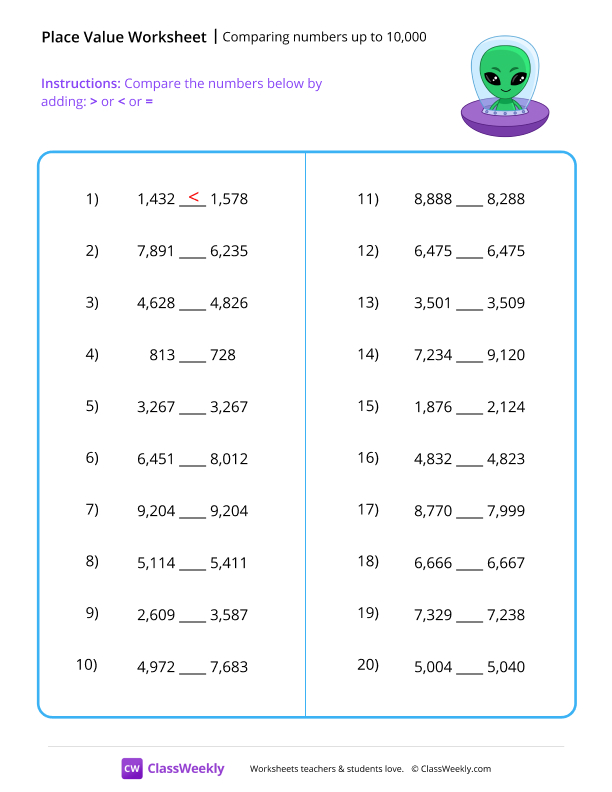
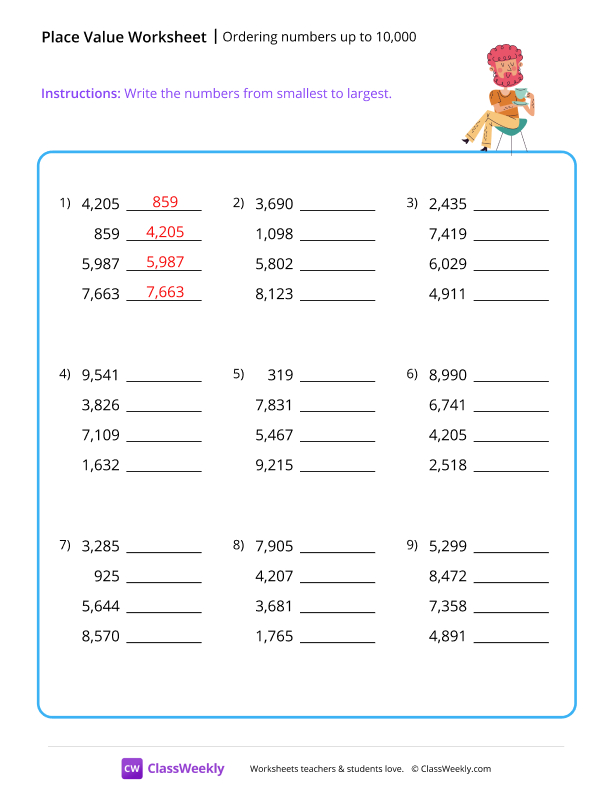
- Worked examples (model the complete process)
Language scaffolds - reduce the language barrier to content:
- Sentence frames: "I think ___ because ___."
- Word banks and vocabulary lists
- Word walls and anchor charts
Process scaffolds - break tasks into manageable steps:
- Chunking (do Step 1 before seeing Step 2)
- Checklists for multi-step tasks
- Guiding questions that walk through a process
Social scaffolds - use peer support:
- Partner work and think-pair-share
- Small-group collaboration before independent work
- Peer modeling
The Gradual Release of Responsibility
Scaffolding follows a progression:
I Do (Direct Instruction): Teacher models and explains; students observe.
We Do (Guided Practice): Teacher and students work together; scaffolds are active.
You Do Together (Collaborative): Students work in pairs; scaffolds fade.
You Do Alone (Independent): Students work independently; scaffolds removed.
The goal is always independence. Scaffolds that never come down become crutches.
What Scaffolding Is NOT
-
Not simplifying the task - scaffolding maintains rigor while providing process support
-
Not giving the answer - the goal is supported access to thinking, not bypassing it
-
Not permanent modification - scaffolding has a removal plan; permanent accommodations for different learners are a separate category
Common Misconceptions
"Scaffolding is for struggling students only." All learners benefit from scaffolding when encountering new or challenging material. The type and amount of scaffolding varies by student need.
"Graphic organizers are always scaffolds." A graphic organizer used forever, without ever practicing without it, has become a crutch. The intention to remove it is what makes it a scaffold.
"More scaffolding = more support = better." Excessive scaffolding removes the productive struggle that builds deep learning. Students need to experience the challenge - the scaffold should reduce the overwhelm, not eliminate the effort.
Practice Activities and Examples in the Classroom
-
Writing: Sentence frames during opinion writing ("One reason I believe this is ___") removed after students demonstrate the skill.
-
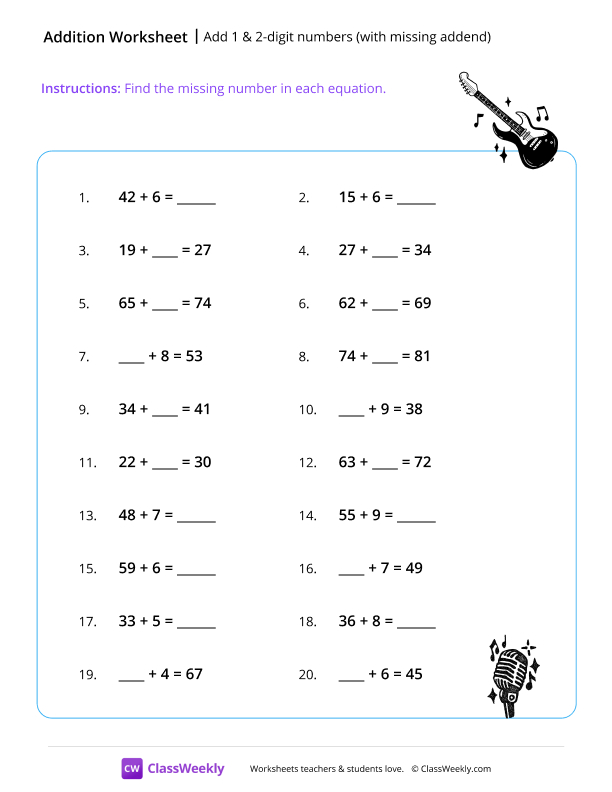
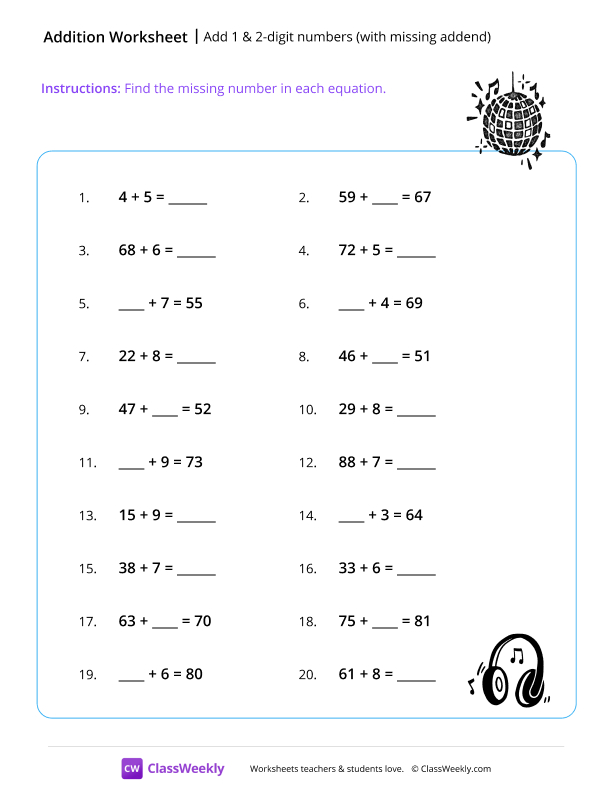
Math: Worked examples on the board before students attempt similar problems independently.
-
Reading: Partner reading before independent reading of a complex text.
-
Science: Step-by-step lab guides that are replaced by student-designed investigation protocols once students understand the process.
-
Formative check before fade: Before removing a scaffold, assess: Can the student succeed at 80% or better without it? If yes, reduce. If not, keep and reassess.
Frequently Asked Questions
What is the Zone of Proximal Development?
The Zone of Proximal Development (ZPD), defined by Soviet psychologist Lev Vygotsky, is the gap between what a learner can do independently and what they can accomplish with guidance. Learning happens most efficiently in this zone - the task is challenging enough to require effort but achievable with the right support. Tasks below the ZPD are too easy (no growth). Tasks above the ZPD, without support, cause frustration and failure. Effective scaffolding targets the ZPD: the teacher provides support that enables the student to reach a level they couldn't reach alone.
What are common types of scaffolding in elementary classrooms?
Worked examples: Show the complete process before asking students to do it independently. Sentence starters/frames: 'I think __ because __.' Graphic organizers: Structures that organize thinking before writing or speaking. Word banks: Vocabulary lists provided during tasks. Think-alouds: Teacher models internal reasoning aloud. Chunking: Breaking a large task into smaller steps. Partner work: A more capable peer provides support. Guiding questions: Step-by-step prompts that lead students through a problem. Visual supports: Diagrams, anchor charts, reference cards. All of these are scaffolds - temporary supports removed as independence grows.
What is the 'I Do, We Do, You Do' model?
The Gradual Release of Responsibility model (Fisher & Frey) describes how scaffolding works over a lesson or unit: I Do (focused instruction): Teacher models, explains, and demonstrates while students observe. We Do (guided instruction): Teacher and students work together; teacher provides support and prompts. You Do (independent practice): Students work alone; teacher monitors and adjusts. Scaffolds are most present during 'We Do' and fade during 'You Do.' 'You Do' with a partner before 'You Do' alone is a useful intermediate step. The goal is always full independence - if students never reach 'You Do,' the scaffold has become a crutch.
How is scaffolding different from just making work easier?
Scaffolding maintains the rigor of the task while providing support for the process. It's the difference between giving a student the answer (which bypasses learning) and giving them a structured process for finding it themselves. A graphic organizer doesn't reduce the complexity of the writing task - it provides a thinking framework that helps the student access that complexity. True scaffolding also includes a plan for removal - the support decreases as the student's skill increases. Simply providing easier work permanently is differentiation or modification, not scaffolding.
When should scaffolds be removed?
Scaffolds should be faded when evidence shows the student can succeed without them - typically through formative assessment. Signs it's time to remove a scaffold: the student rarely references it; the student completes the task faster than expected; the student can explain the process in their own words; the student scores at or above mastery on assessments. Scaffold removal should be gradual - reduce support in stages rather than removing everything at once. If removing a scaffold causes performance to drop significantly, it was removed too early.
Free Scaffolding Worksheets
Curriculum-aligned printable worksheets for Kindergarten – 5th Grade. Download free.