What Is Close Reading?
Taught in US schools
Key Takeaways
- Close reading involves reading a text multiple times, each time with a different focus or purpose.
- It requires deep engagement with language - word choice, structure, author's craft, and meaning.
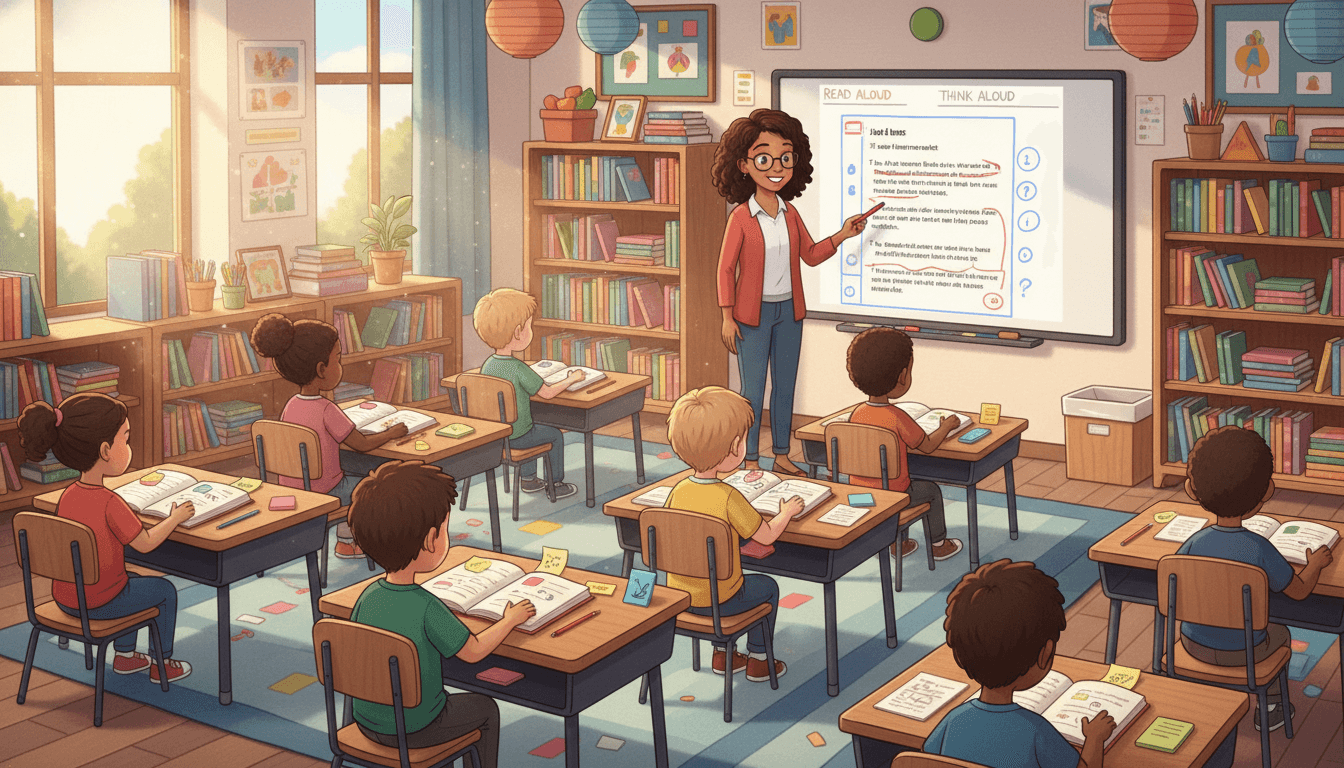
- Students annotate texts during close reading: underlining, circling, questioning, and noting responses.
- Close reading leads students to discover evidence-based interpretations rather than surface-level summaries.
What Is Close Reading?
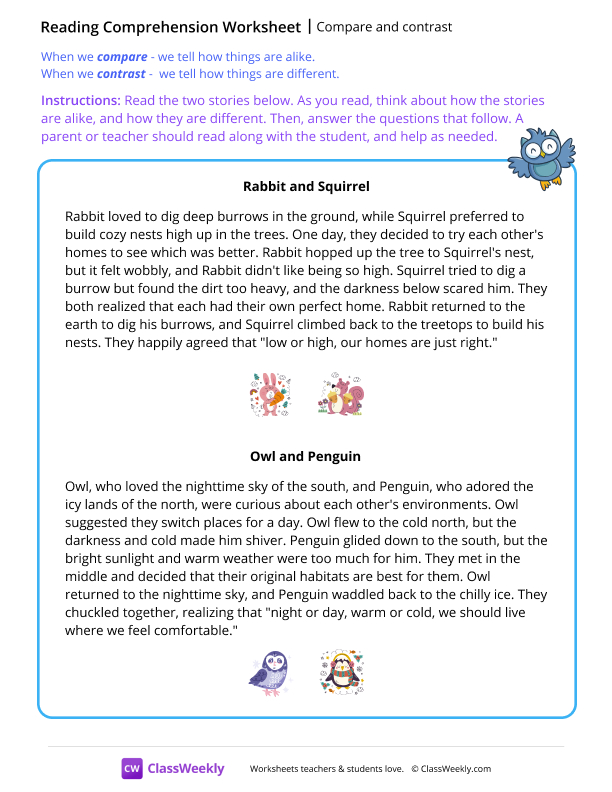
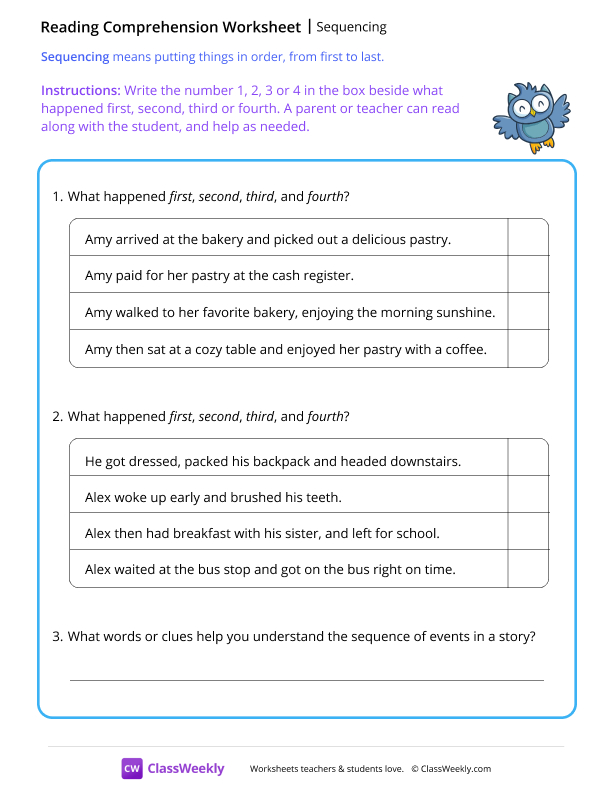
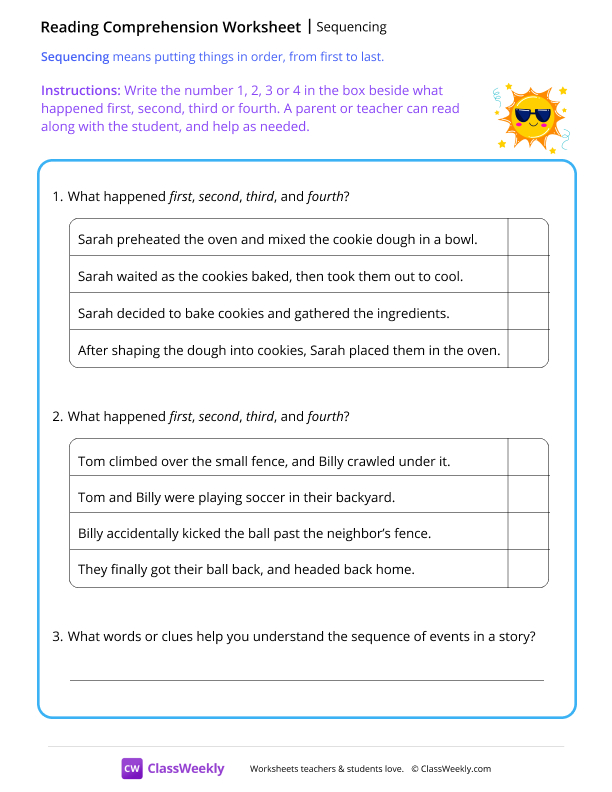
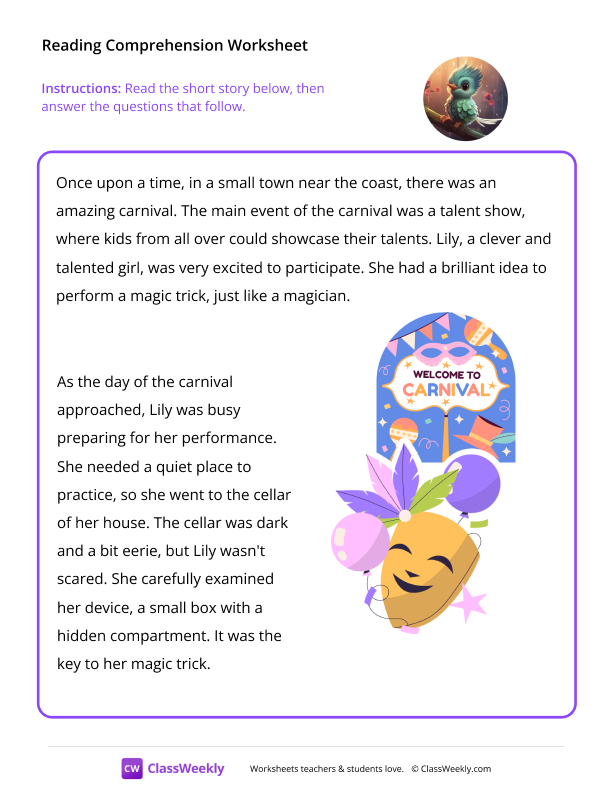
Close reading is the careful, purposeful analysis of a short, complex text through multiple readings. Each reading has a different focus - moving from surface comprehension to deep analysis of craft, structure, and meaning.
Close reading is not simply reading carefully - it is a systematic approach that uses annotation, discussion, and rereading to reveal layers of meaning that a single reading cannot produce. It became a cornerstone of the Common Core literacy standards, which emphasize evidence-based reading and analysis.
The Close Reading Process
First read - What does it say? Read for general understanding. What is the text about? What are the key ideas or events? Don't stop to analyze deeply - just read.
Second read - How does it say it? Focus on language: What specific words did the author choose? Why? What text structure is used? What patterns of language (repetition, figurative devices, sentence structure) do you notice?
Third read - What does it mean? Connect the details to the big picture: What is the author's purpose? What is the theme, central argument, or message? How do specific details support the larger meaning?
Fourth read (optional) - What can I say about it? Gather evidence for writing: Find 3-4 pieces of text evidence that support a specific interpretation or thesis.
Annotation Strategies
Students mark the text during close reading:
-
Underline key words and phrases
-
Circle unfamiliar or important words
-
? beside confusing passages
-
! beside surprising or important moments
-
Write brief notes in margins: connections, questions, reactions
-
Star the most important section
What Grade Do Kids Learn Close Reading?
3rd grade: Students begin with teacher-guided close reading of short, age-appropriate texts.
4th–5th grade: Students independently apply close reading strategies; cite specific text evidence in oral and written responses.
Close reading prepares students for the demands of middle and high school English Language Arts and college-level analysis.
Common Misconceptions
Close reading means reading slowly: Close reading is purposeful, not necessarily slow. Speed is less important than attention and intent. A close reader rereads, pauses, and interrogates - but may move quickly through familiar sections.
One reading is enough: The power of close reading comes from multiple readings with different purposes. A single careful read produces much less than three focused reads.
Close reading is only for literature: Close reading is equally valuable for informational texts, primary source documents, scientific articles, and poetry. Analyzing how a scientist describes a process or how an author argues a position requires the same close attention to language and structure.
Practice Activities
-
First read → questions list: After a first read, students generate all their questions. The second read focuses on answering them.
-
Two-column notes: Text evidence in the left column, analysis and response in the right column.
-
Fishbowl discussion: Small group discusses a text excerpt closely while the class observes; then outer circle contributes.
-
Annotation comparison: Students compare their annotations with a partner - what did each person notice that the other missed?
-
From evidence to claim: Students choose their strongest annotation and turn it into a text-based claim supported by specific evidence.

Frequently Asked Questions
What is close reading?
Close reading is the careful, detailed analysis of a short, complex text through multiple readings, each with a different purpose. Unlike the first reading for general comprehension, close reading digs into specific words, phrases, structures, and patterns to discover deeper meaning. It was popularized in education through Common Core's emphasis on reading complex texts closely and carefully.
How many times do students read a text during close reading?
Typically 3-4 times. First read: read for general understanding - what is this about? Second read: analyze author's craft - why did the author make specific word choices? How is it structured? Third read: connect to the larger meaning - what is the theme, central argument, or author's purpose? A fourth read may focus on gathering evidence for a writing task.
What is annotation in close reading?
Annotation means marking the text while reading - underlining key phrases, circling unfamiliar words, putting question marks beside confusing passages, making notes in the margins, and writing brief responses. Annotation externalizes thinking and gives students a record of their engagement with the text. In classrooms where marking isn't possible, sticky notes serve the same purpose.
What kinds of texts are used for close reading?
Close reading is most effective with short, complex texts - a poem, a speech excerpt, a paragraph from a historical document, a key scene from a novel, or a short informational article. The brevity allows multiple readings to feel purposeful. Long texts are not suited to close reading in their entirety; teachers choose a specific excerpt.
How is close reading different from regular reading comprehension?
Regular comprehension focuses on understanding what a text says. Close reading focuses on how the text creates meaning - through word choice, structure, tone, figurative language, and specific details. Close reading produces text-based interpretations supported by evidence, while general comprehension produces a summary of the content. Both are important; close reading is the deeper practice.
Free Close Reading Worksheets
Curriculum-aligned printable worksheets for 3rd – 5th Grade. Download free.