What Is Text Structure?
Taught in US schools
Key Takeaways
- Text structure is how an author organizes information - the blueprint beneath the words.
- The five main informational text structures: description, sequence, compare/contrast, cause/effect, problem/solution.
- Signal words reveal text structure: 'first, next, finally' = sequence; 'because, as a result' = cause/effect.
- Knowing text structure improves both comprehension AND writing - it's a two-way skill.
What Is Text Structure?
Text structure is the way an author organizes information in a text - the underlying blueprint that determines how ideas connect and flow.
Understanding text structure helps readers:
- Anticipate how information will be presented
- Identify the most important details
- Follow the author's reasoning
- Take more effective notes
It also directly improves writing - students who can recognize text structures can use them as frameworks for their own writing.
The Five Informational Text Structures
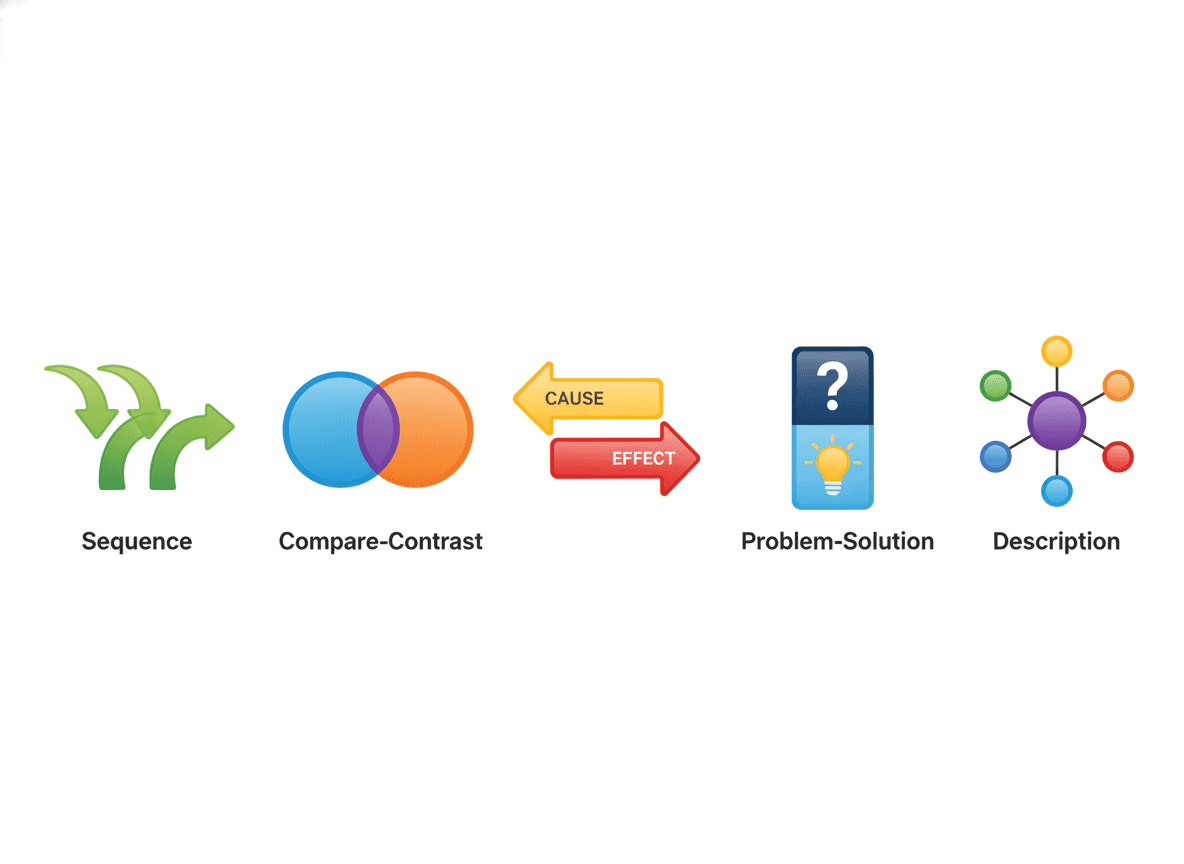
1. Description The author describes a topic by listing characteristics, features, or examples.
"Hummingbirds are the smallest birds in the world..." Signal words: for example, characteristics include, such as, one feature
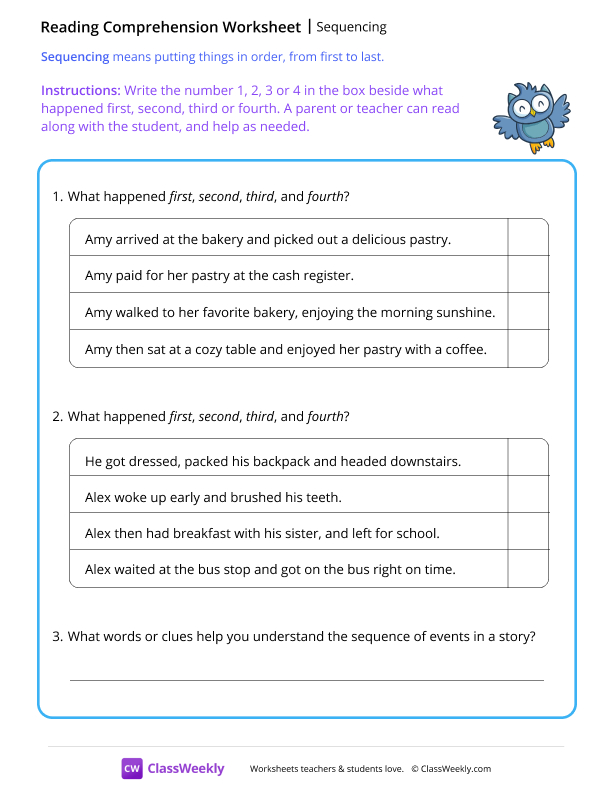
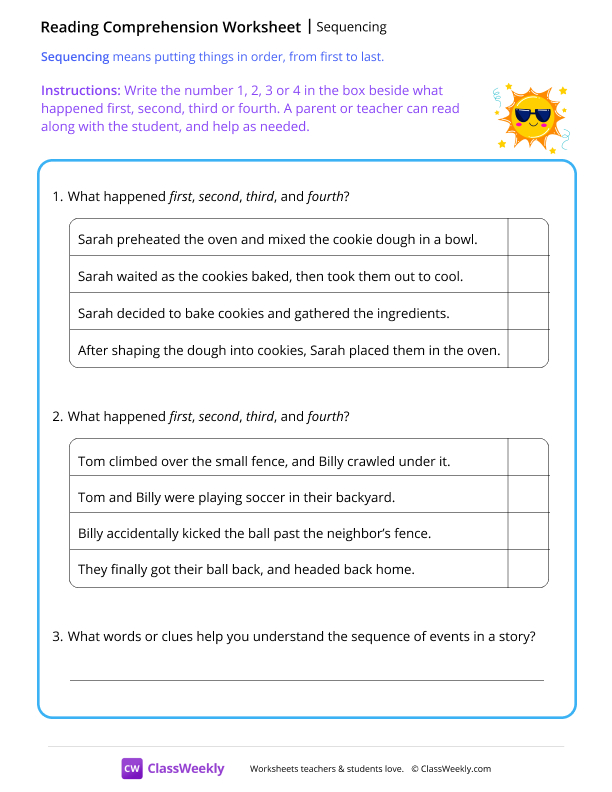
2. Sequence / Chronological Information is organized by time order or step-by-step process.
"First, the caterpillar forms a chrysalis. Next..." Signal words: first, second, next, then, finally, before, after, during
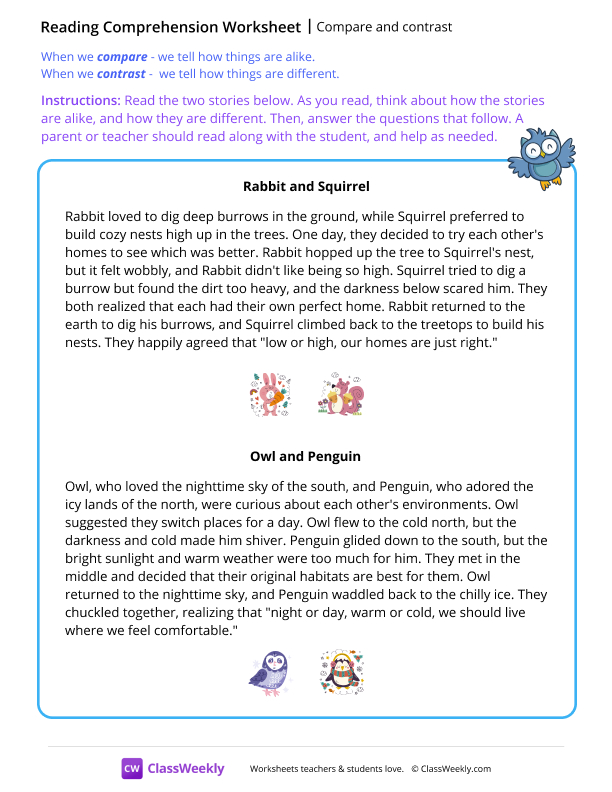
3. Compare and Contrast The author shows how two or more things are alike and different.
"Both dolphins and sharks live in the ocean, but..." Signal words: both, similarly, however, on the other hand, in contrast, unlike
4. Cause and Effect The author explains what happened and why.
"Because temperatures rose, the glacier began to melt..." Signal words: because, therefore, as a result, consequently, due to, so that
5. Problem and Solution The author presents a problem and describes one or more solutions.
"Many forests are being destroyed. One solution is..." Signal words: problem, solution, challenge, answer, as a result, one way to
Narrative Text Structure
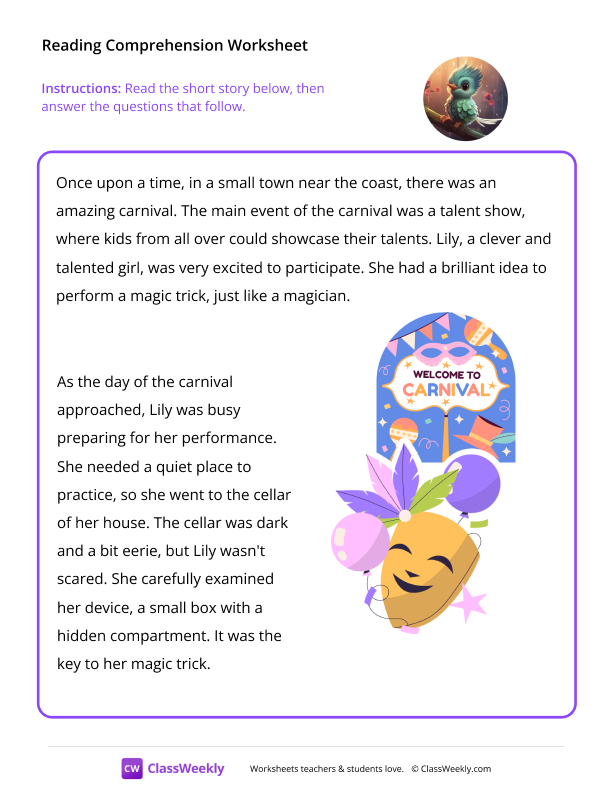
For literary (fiction) texts, structure follows the story arc:
-
Exposition - characters and setting introduced
-
Rising Action - problems or conflicts develop
-
Climax - highest point of tension
-
Falling Action - tension releases
-
Resolution - problem solved, story concludes
Understanding this arc helps students predict, retell, and analyze stories.
What Grade Do Kids Learn Text Structure?
2nd Grade: Describe the overall structure of a story; understand how sections of a text contribute to the whole.
3rd Grade: Describe cause/effect relationships in informational text; compare narrative story structures.
4th Grade: Identify the overall structure of a text; explain how parts relate to the whole; compare authors' use of structure.
5th Grade: Compare and contrast the structure of two or more texts; analyze how structure contributes to meaning and purpose.
Common Misconceptions
"Signal words always indicate one structure." Signal words are clues, not guarantees. A passage about the causes of World War I might use first as a sequence word - but the structure is still cause/effect.
"Texts have only one structure." Complex texts often blend structures. A problem/solution article might include a cause/effect section explaining the problem.
"Text structure is only for nonfiction." Narrative text structure is equally important for literary comprehension and is addressed in the Reading Literature standards.
Practice Activities
-
Text structure sort: Give short paragraphs labeled with text structures; students match paragraphs to structure types.
-
Signal word highlighting: Read a passage and highlight signal words; identify which structure they indicate.
-
Graphic organizer matching: Choose the right graphic organizer for a text (Venn diagram for compare/contrast, flowchart for sequence, cause/effect chart).
-
Write with structure: Students write a short paragraph using a specific structure with required signal words.
-
Mentor text analysis: Take a social studies or science textbook page; analyze the text structures used in each section.
Frequently Asked Questions
What are the five main informational text structures?
Description: The author describes a topic by listing characteristics, features, or examples. ('Elephants are the largest land animals...') Signal words: for example, characteristics include, such as. Sequence/Chronological: Information is organized by time order or steps. Signal words: first, next, then, finally, before, after. Compare/Contrast: The author shows how two or more things are alike and different. Signal words: both, however, on the other hand, similarly, in contrast. Cause/Effect: The author explains why events happen and what results. Signal words: because, therefore, as a result, consequently, due to. Problem/Solution: The author presents a problem and proposes one or more solutions. Signal words: problem, solution, one answer, as a result.
Why does text structure matter for comprehension?
Understanding how a text is organized helps readers: predict what comes next, identify the most important information, connect ideas logically, and take notes more efficiently. Research shows that students who recognize text structure recall significantly more information than those who don't. Knowing 'this is a compare/contrast text' activates a schema that helps the reader track which details belong to which topic. Text structure awareness is especially powerful for informational text in science and social studies.
How does text structure connect to writing?
Text structure instruction is the direct bridge between reading and writing. Students who understand compare/contrast structure in reading can apply it in writing. The Common Core writing standards require students to use text structures: informational writing (description, sequence), argumentative writing (problem/solution, cause/effect). Graphic organizers for each text structure serve double duty - they're reading tools AND writing planning tools.
What are signal words and why do they matter?
Signal words are vocabulary clues that reveal a text's organizational structure. Sequence: first, second, next, then, finally, before, after, during. Cause/Effect: because, as a result, therefore, consequently, due to, so that. Compare/Contrast: similarly, likewise, in contrast, however, on the other hand, both, although. Problem/Solution: problem, challenge, solution, answer, resolve, one way. Teaching signal words gives students a concrete, scannable strategy: 'Look for signal words to figure out how the text is organized before reading closely.'
How is narrative text structure different from informational text structure?
Informational text structure (description, sequence, compare/contrast, cause/effect, problem/solution) organizes factual content. Narrative text structure organizes story events: Exposition (setting, characters introduced) → Rising Action (problems develop) → Climax (highest tension) → Falling Action → Resolution. Both require explicit instruction. Literary text structure is often called story grammar or story elements. The Common Core addresses both under separate Reading Standards: RL (literature) for narrative structure, RI (informational text) for expository structures.
Free Text Structure Worksheets
Curriculum-aligned printable worksheets for 2nd – 5th Grade. Download free.