What Is Independent Reading?
Taught in US schools
Key Takeaways
- Independent reading is student-chosen, self-paced reading done for sustained periods.
- Volume of reading is one of the strongest predictors of reading achievement and vocabulary growth.
- Students who read independently for 20 minutes a day are exposed to millions of words per year.
- Choice matters - students read more and better when they choose their own books.
What Is Independent Reading?
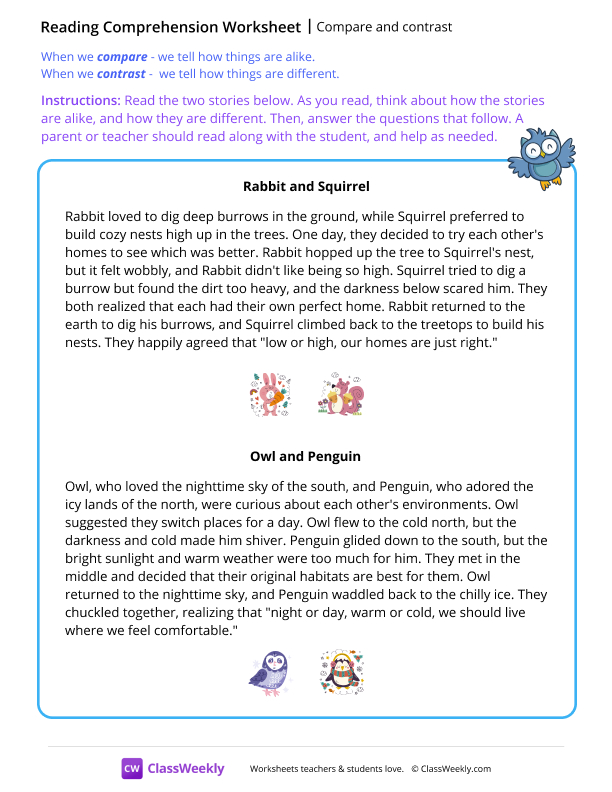
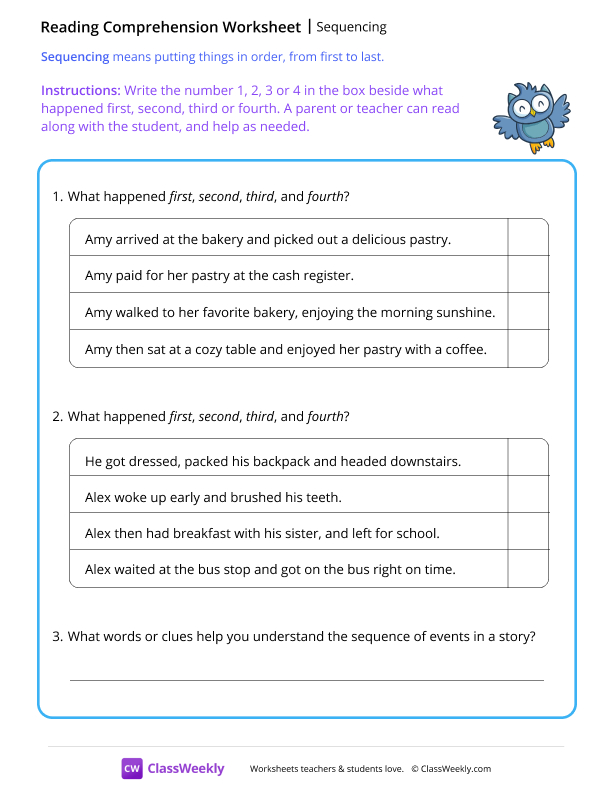
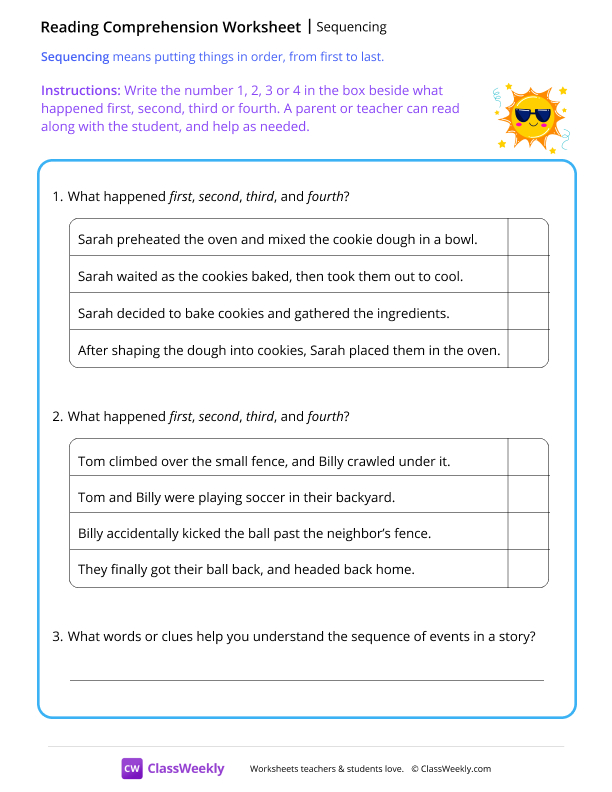
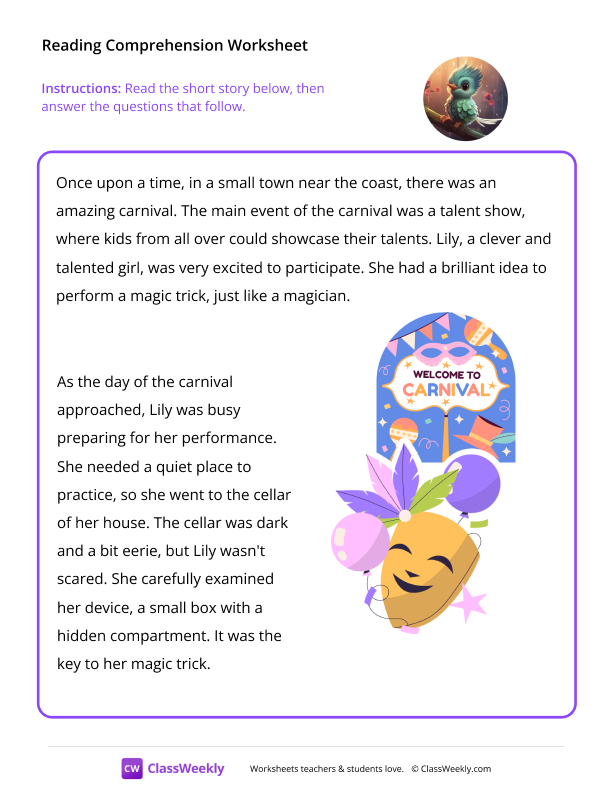
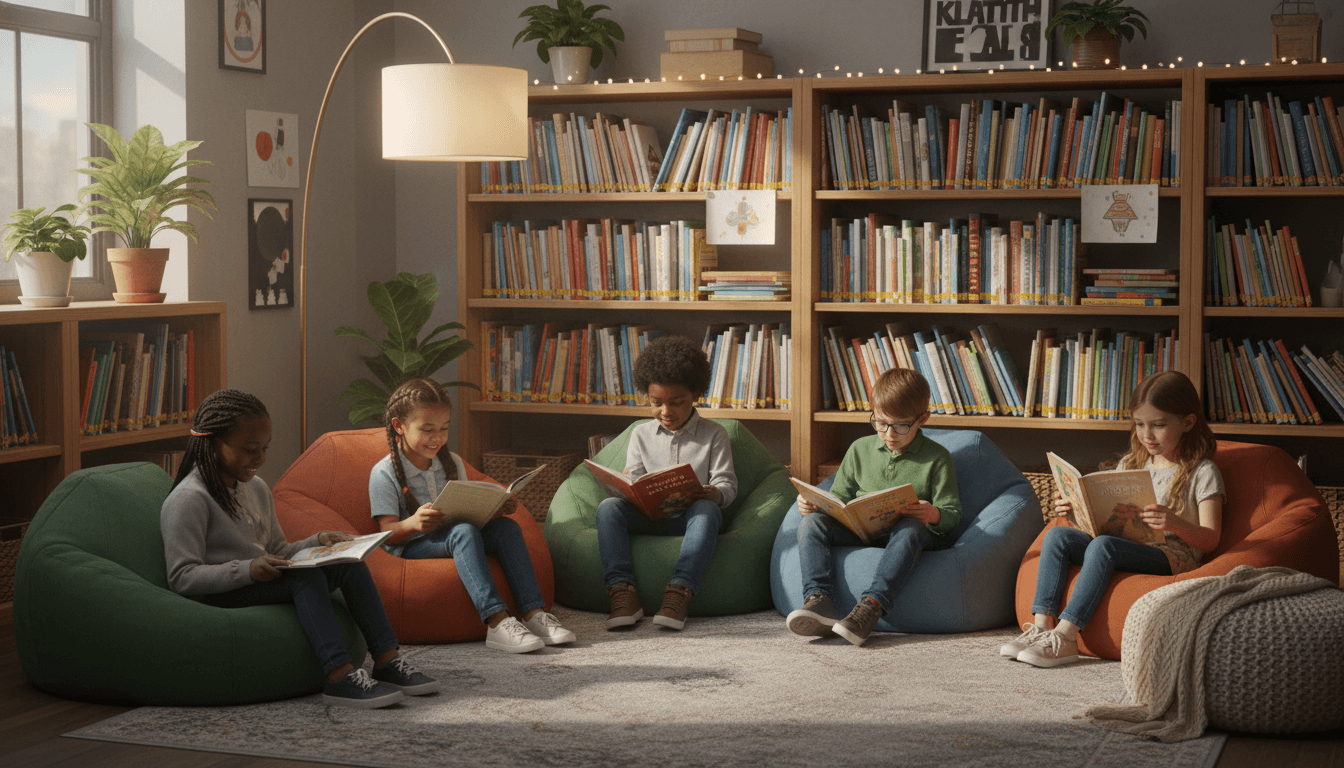
Independent reading is time set aside during the school day (or at home) for students to read books of their own choosing, at their own pace, without teacher-directed instruction.
It goes by many names: SSR (Sustained Silent Reading), DEAR (Drop Everything and Read), Reader's Workshop time, book time. Whatever it's called, the core is the same: students choose their books, settle in, and read.
Why Independent Reading Matters
Volume is the variable. Reading research consistently shows that the single strongest predictor of reading achievement - more than any instructional program or strategy - is how much students read. Students who read more know more words, understand more texts, and read more fluently.
The numbers are striking. A student who reads 20 minutes per day is exposed to approximately 1.8 million words per year. A student who reads 1 minute per day sees about 8,000 words. That gap compounds over years.
Fluency practice in context. Fluency - reading accurately, quickly, and with expression - develops through practice. Independent reading is self-paced fluency practice that students actually choose to do.
Background knowledge. Wide reading builds knowledge about many topics, which in turn makes future reading easier. Every book about history, science, animals, or people builds a bank of prior knowledge.
Motivation. Students who choose their own reading are more motivated. Motivation leads to more reading. More reading leads to better reading.
What Makes Independent Reading Effective
Independent reading is most effective when:
- Students choose books they are genuinely interested in
- Books are at an appropriate reading level (not frustrating)
- There is dedicated, protected time - not easily replaced by other activities
- Students develop reading stamina gradually (starting with shorter sessions)
- There are books available - access to books is one of the biggest equity issues in reading
The Teacher's Role During Independent Reading
Teachers are not passive during independent reading. Effective teachers:
-
Confer with individual students - brief (5-minute) conversations about what they are reading
-
Observe reading behaviors: tracking with finger, book level, duration of engagement
-
Recommend books based on student interests and reading level
-
Model - read their own book alongside students, demonstrating that reading is valuable for everyone
Practice Activities
- "Book commercials" - students give a 1-minute "advertisement" for a book they loved, designed to persuade classmates to read it.
- Reading logs: students track titles, authors, and brief reactions to books they've read.
- Book tasting: display 15-20 books on desks, give students 2 minutes with each to decide if it's a book they want to read.
- Independent reading conferences: 5-minute conversations - "What's happening in your book right now? What do you predict will happen next?"

Frequently Asked Questions
What is independent reading?
Independent reading is a structured time in the school day when students read books they have chosen themselves, at their own pace, without direct teacher instruction. It may be called 'sustained silent reading (SSR),' 'drop everything and read (DEAR),' or simply 'reading workshop time.' The purpose is to build reading volume, stamina, fluency, and a love of reading.
How much independent reading should students do each day?
Research suggests students benefit from at least 20-30 minutes of independent reading per day. Students who read 20 minutes daily are exposed to approximately 1.8 million words per year; students who read only 1 minute per day see about 8,000 words. The gap in volume creates a corresponding gap in vocabulary, background knowledge, and comprehension.
What is a 'just-right book' for independent reading?
A just-right book is one the student can read independently with accuracy and fluency - not so easy it's boring, not so hard it's frustrating. A common guideline: if a student misses more than 1 in 20 words (95% accuracy), the book may be too hard for independent reading. Teachers help students learn to self-select just-right books using the 'five finger rule' and other strategies.
Free Independent Reading Worksheets
Curriculum-aligned printable worksheets for Kindergarten – 5th Grade. Download free.
Common Core Standards