What Is Partner Reading?
Taught in US schools

Key Takeaways
- Partner reading pairs two students to read the same text aloud together, alternating turns.
- It provides fluency practice with an immediate, supportive audience.
- Partner reading includes a discussion component - students talk about what they read.
- Intentional pairing (same-level or mixed-level) affects what each partner gains.
What Is Partner Reading?
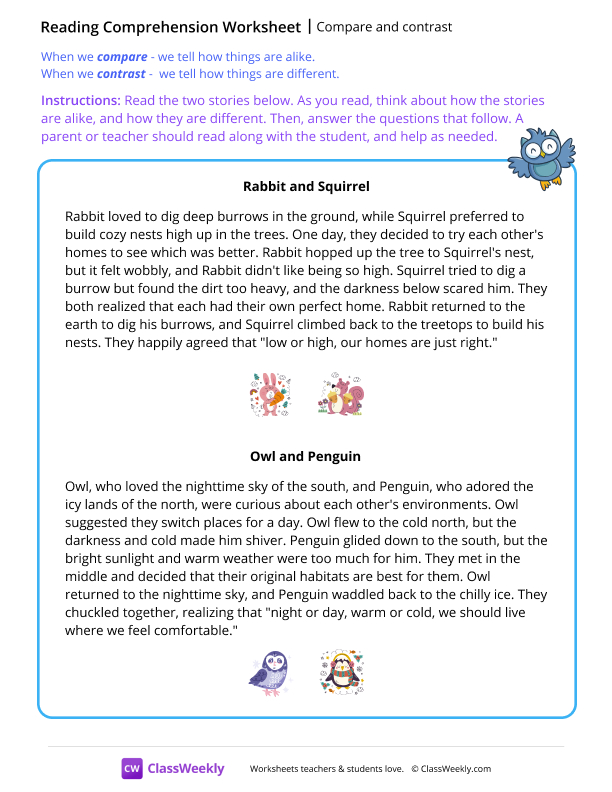
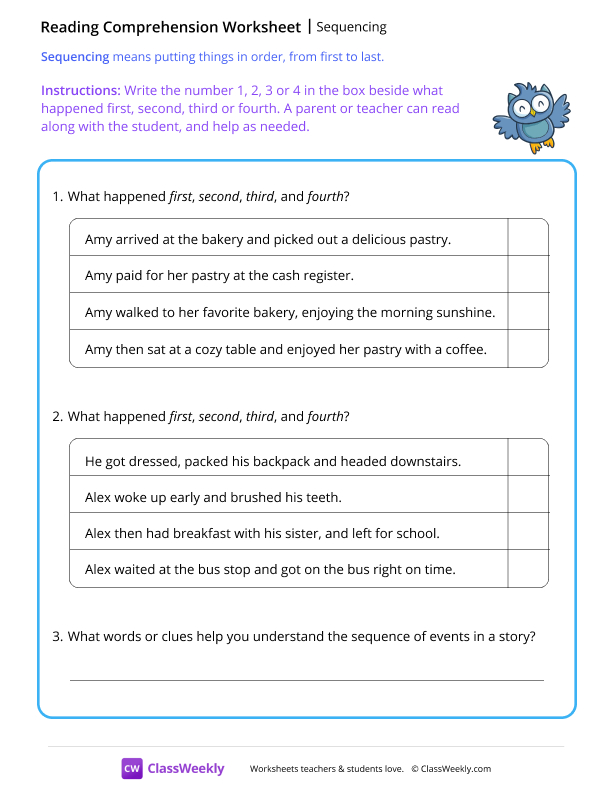
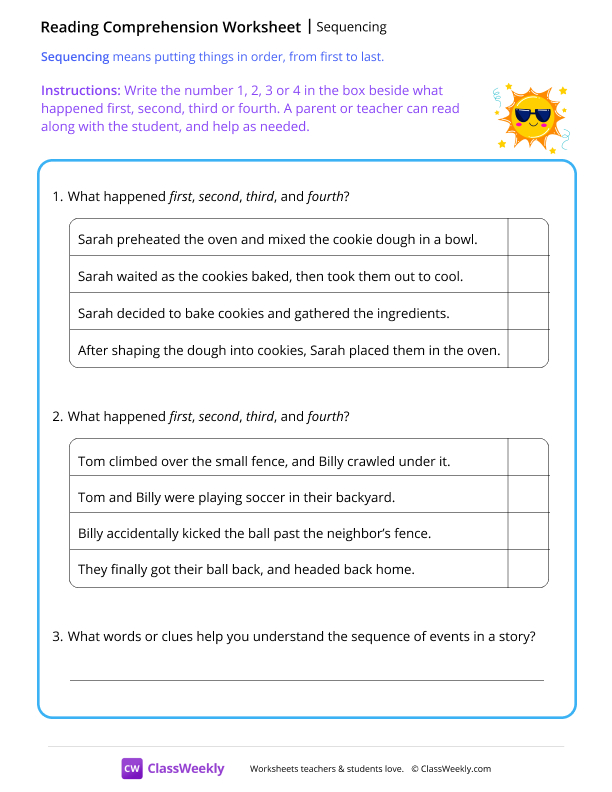
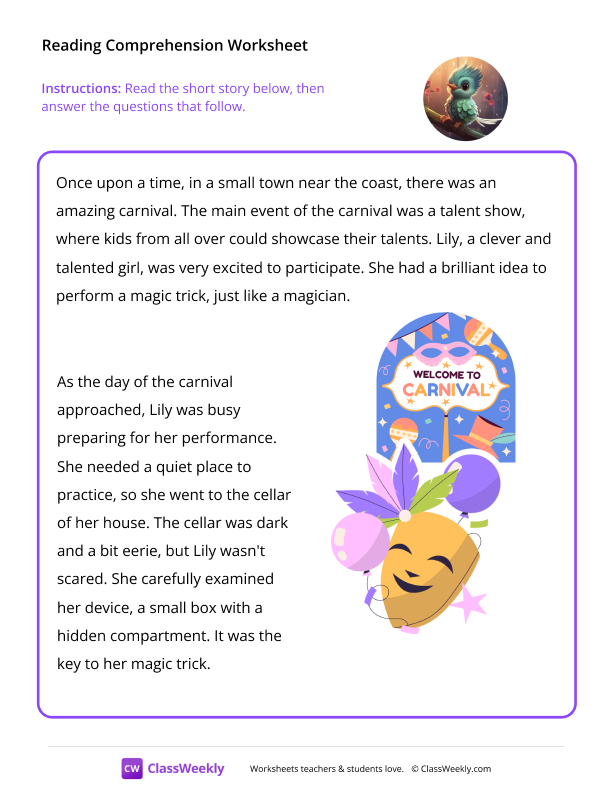
Partner reading is a structured literacy activity in which two students read a text together - taking turns reading aloud, listening to each other, and discussing what they read.
It gives every student a reading audience, a source of immediate support when they get stuck, and a built-in discussion partner. For teachers, it multiplies reading practice time: while one student reads, the other listens - both are engaged, and both are learning.
How Partner Reading Works
Basic structure:
- Students pair up with their partner
- Partner A reads aloud (a page, a paragraph, a section)
- Partner B listens, follows along, and helps if A gets stuck
- Partners switch - Partner B reads, Partner A listens
- After a stopping point, both partners discuss using a prompt
Discussion prompt examples:
- "What happened in that section? Tell me in your own words."
- "What do you think will happen next?"
- "Was there anything that confused you?"
- "What's the most important idea from what we just read?"
Roles in Partner Reading
Reader - Reads aloud expressively, at a good pace. Tries not to rush.
Listener / Coach - Follows along in the text. If the reader makes an error that changes meaning, taps the text gently and gives the reader a chance to self-correct. If the reader is stuck, waits a moment, then says the word if needed.
Teaching the "coach" role explicitly - how to help without taking over - is a key part of making partner reading productive.
Pairing Strategies
Same-level pairs - Both students at similar reading levels. Neither partner feels embarrassed; both can read fluently.
Mixed-level pairs - A stronger reader with a less fluent reader. Provides a model. Works best when the gap is not too large, and when both partners understand their roles.
Interest pairs - Students who chose the same book. The shared interest motivates discussion.
What Good Partner Reading Looks Like
- Both students have copies of the text (or share one, tracking with their finger)
- Partners sit side by side or knee-to-knee
- Voices are low (partner voices, not silent, not loud)
- Partners take equal turns
- Discussion prompts are used - not just reading without talking
Practice Activities
- Model the full partner reading process (including the coaching role) before releasing students to work independently.
- Give partners a sticky note and ask them to write one "I wonder" question after their partner reading session.
- Fluency focus: have partners re-read the same passage 3 times, aiming for smoother, more expressive reading each time.
- Record one partner reading session (with permission) so students can hear themselves and notice areas to improve.

Frequently Asked Questions
What is partner reading?
Partner reading is a structured activity in which two students take turns reading a text aloud to each other. One partner reads while the other listens and follows along. After each section, they may stop to discuss, ask questions, or summarize. Then they switch roles. Partner reading is used to build fluency, listening, and comprehension simultaneously.
How is partner reading different from buddy reading?
The terms are used interchangeably in many classrooms. When a distinction is made, 'buddy reading' often refers specifically to cross-age pairings (an older student with a younger one), while 'partner reading' typically refers to same-class or same-grade pairings. Both involve two students reading together with discussion. Both build fluency, comprehension, and reading motivation.
How should partners be paired for reading?
Pairing depends on the goal. Same-level pairs (students at similar reading levels) allow both students to read fluently and neither feels put on the spot. Mixed-level pairs (a stronger reader with a weaker reader) can provide scaffolding, but may feel unequal. A common approach: pair students who are 'close but not equal' - one reads slightly more fluently than the other, providing a gentle model without the gap being discouraging.
Free Partner Reading Worksheets
Curriculum-aligned printable worksheets for Kindergarten – 5th Grade. Download free.