

Ordinal Numbers for Kindergarten: First Through Tenth
Get 30 days of free worksheet downloads
Key Takeaways
- Start with the cardinal vs. ordinal distinction before anything else - when kids understand that numbers have two jobs (counting vs. ordering), ordinal vocabulary clicks much faster.
- Physical line-up activities are the most effective teaching tool: students who experience their own position in a line grasp first through fifth almost immediately.
- Extend to sixth through tenth gradually over multiple lessons, bridging cardinal knowledge to ordinal vocabulary (sixth is like 6, seventh is like 7).
- Ordinal numbers live in everyday routines all day - using them during calendar time, transitions, and line-ups builds fluency faster than dedicated lesson time alone.
- Students have truly mastered ordinal numbers when they use the words spontaneously and can answer position questions without counting from the beginning.
How to Teach Ordinal Numbers to Kindergartners: Activities, Tips, and What Actually Works
Picture this: your class is lining up for lunch and two kiddos start arguing over who got there "first." Sound familiar?
That moment, right there, is ordinal numbers in real life. Our little ones already understand the idea of order: who's first, who's last, who's in the middle. Teaching ordinal numbers in kindergarten is really just giving them the words for what they already experience every single day. And once they have those words, you'll hear them everywhere: "I finished first!" "She's third in line!" "That's my second cookie!"
Here are 10 practical ways to teach ordinal numbers to kindergartners:
- Start With the Difference Between Cardinal and Ordinal Numbers
- Introduce First Through Fifth Through Line-Ups
- Extend to Sixth Through Tenth Gradually
- Use Race and Story Contexts
- Practice Position Words in Everyday Routines
- Add Ordinal Numbers to Calendar Time
- Bring in Sequencing Activities
- Connect Ordinal Numbers to Writing and Drawing
- Play Games That Make Position Stick
- How to Know When They've Really Got It
1. Start With the Difference Between Cardinal and Ordinal Numbers
Before anything else, your kiddos need to understand that there are two different jobs numbers can do. This distinction is easier than it sounds.
Cardinal numbers tell us "how many": one, two, three. Ordinal numbers tell us "in what order" or "what position": first, second, third. A quick, concrete way to show this: hold up three crayons. "How many crayons? Three. That's a cardinal number." Then line them up. "Which crayon is first? Which is third? Those are ordinal numbers."
Try these activities:
- Two columns game: Write "How Many?" on one side of the board and "What Place?" on the other. Call out a number situation ("There are 5 frogs") or a position situation ("The red frog is third") and have students point to the right column.
- Real-world sorting: Gather picture cards showing groups of objects (5 apples) and position cards showing objects in a sequence (the second bird in a row). Students sort them into cardinal vs. ordinal piles.
- Quick talk: During any transition, pause and ask: "Are we counting how many, or are we talking about order?" This habit builds the distinction naturally over time.
- Chant it: Make a short chant together: "Cardinal counts, ordinal orders!" Silly, yes. Effective, absolutely.
Don't rush past this step. When kids understand why ordinal numbers exist, everything else clicks faster.
Free Ordinal Number Worksheets


2. Introduce First Through Fifth Through Line-Ups
The best classroom tool for teaching ordinal numbers costs nothing: your students themselves.
Line up five volunteers and give each one a number card (1 through 5). Then walk alongside the line, pointing and saying: "This is first. This is second. This is third. This is fourth. This is fifth." Have the whole class repeat each position name. Then mix up the order and ask: "Who is third now?"
Try these activities:
- Student line-up: Any time you line up for recess or lunch, narrate the positions out loud. "Mia is first. Jaylen is second. Omar is third." Students start listening for their position.
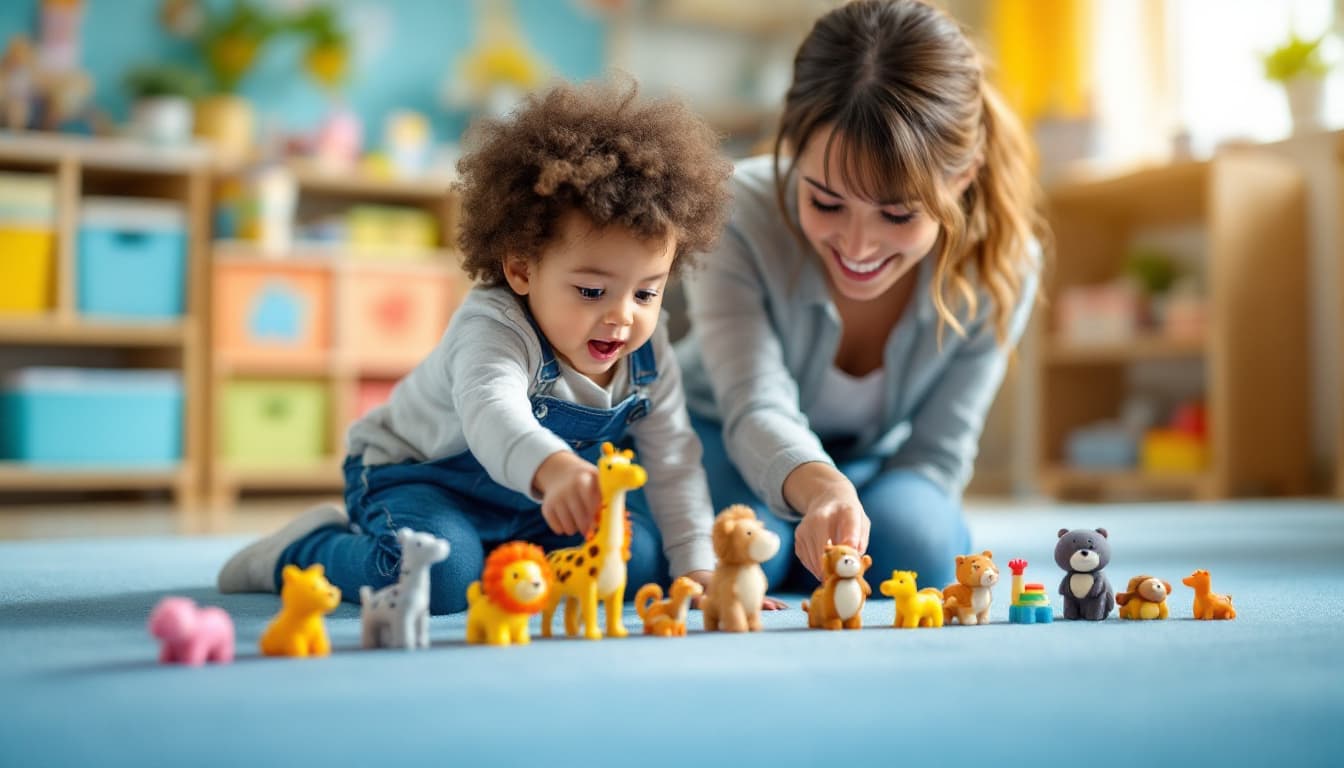
- Stuffed animal parade: Line up five classroom stuffed animals or manipulatives on the whiteboard ledge. Ask questions: "Which animal is third? What position is the bear?"
- Position cards: Give students cards with ordinal words written on them (first, second, third, fourth, fifth). Call a student's name and have them hold up the card that matches their position in a line.
- Mix and re-sort: After establishing an order, call out "switch!" and move one student. Ask the group: "Who is second now?" This builds flexible thinking around position.
Honestly? I've found that once kids are physically in the line themselves, the concept lands almost immediately. There's something about being "third" that just makes sense when you can see the two people standing ahead of you.
3. Extend to Sixth Through Tenth Gradually
Once first through fifth feels solid, extend the line. Don't introduce all ten positions at once. Build to sixth through tenth across a few lessons.
The key here is connecting the ordinal name to the number students already recognize. "Sixth means sixth place, like the number 6. Seventh is like 7." This bridges their cardinal number knowledge to the new ordinal vocabulary.
Try these activities:
- Ten in a row: Line up ten students or objects. Practice calling out positions from first to tenth. Then ask: "Touch the seventh item. Circle the ninth one."
- Ordinal number strip: Create a simple number line strip from 1 to 10, but label it with ordinal words below each number (1st, 2nd... 10th). Students keep this as a desk reference.
- Missing ordinal: Write the ordinal sequence on the board with one blank: "first, second, third, ___, fifth." Students call out the missing word.
- Jump and call: Stand in a circle. Jump the number of times equal to the ordinal position. Three jumps means "third." Students guess the ordinal word.
Quick tip: don't worry if sixth through tenth takes an extra week. These words are less common in daily speech than first through fifth, so they need more repetition.
4. Use Race and Story Contexts
Racing stories are a natural home for ordinal numbers. Every child understands that someone wins and comes "first," someone comes "second," someone comes "third." This context makes position feel meaningful, not abstract.
Pick up any picture book with a race or competition. "The Tortoise and the Hare" is a classic. As you read, pause and ask: "Who was first? Who finished second?" Students love connecting the story to the math.
Try these activities:
- Animal race board: Draw five animals crossing a finish line at different points. Ask students to color the first-place animal red, the third-place animal blue, and so on. Ordinals become visual instantly.
- Class "race" retelling: After outdoor time or PE, retell a running activity using ordinal language. "Who crossed the line first? Who was third?"
- Story sequencing: Give students three to five pictures from a simple story. Ask them to arrange the pictures in order and describe each one using ordinal numbers. "First, the girl woke up. Second, she ate breakfast."
- Make up a race: Students draw their own simple race with three to five characters. They label who is first, second, third, and so on. Display these around the room.
Stories and races take the math out of the abstract and drop it right into something real. And when you can make our little ones laugh at a story while they're learning positions, that's a very good day.
5. Practice Position Words in Everyday Routines
Here's something worth knowing: ordinal numbers aren't just for math time. They live inside your daily routines all day long. Using them consistently throughout the day, outside of formal lessons, builds fluency faster than any single worksheet could.
Try these activities:
- Morning meeting ordinal roll call: "Who is the first person in row one? Who is the third person?" Call on students by their position instead of their name once in a while.
- Cleanup order: "The first table to finish cleaning up gets to line up first." Using ordinal numbers as part of transitions reinforces them without extra lesson time.
- Snack or lunch order: "The second person in line, please take your seat." Students listen for their position.
- Calendar connection: When reviewing the days of the week, connect them to ordinals. "Monday is the first day of our school week. Wednesday is the third day."
The more our kiddos hear these words in real, purposeful contexts, the less "math-y" they feel, and the more natural they become.
6. Add Ordinal Numbers to Calendar Time
Calendar time is already a daily kindergarten ritual, and it's one of the best built-in opportunities to practice ordinals. Most teachers use it for counting, but ordinal language fits right in.
Try these activities:
- Today is the ___th: When you review the date, say it as an ordinal. "Today is the nineteenth, so we are on the nineteenth day of the month."
- Week sequence: "What is the first day of the week? What is the fifth day of school this week?"
- Month counting: "We are in the third month of the year. Can anyone name the second month?" This ties ordinals to real-world time vocabulary.
- Ordinal number poster: Add an ordinal number reference strip near your calendar wall. First through tenth, with the number and the word. Students can glance at it during calendar discussion.
Calendar time is low-stakes and high-repetition, which is exactly what ordinal vocabulary needs. Five minutes of ordinal language during morning meeting, every day, adds up fast.
7. Bring in Sequencing Activities
Sequencing and ordinal numbers go hand in hand. When students put steps in order or arrange a picture story, they're naturally using first, then, next, and last. These time-order words are closely related to ordinal numbers, and teaching them together builds stronger comprehension.
Try these activities:
- Daily routine sequencing: Give students four pictures showing a daily routine (wake up, brush teeth, eat breakfast, go to school). They arrange them in order and describe each step using ordinal numbers. "First, I wake up. Second, I brush my teeth."
- Recipe order: Share a simple three-step "recipe" (even something silly like "how to make a sandwich"). Students put the steps in order and label each with an ordinal number.
- Story retelling: After a read-aloud, ask students to retell the beginning, middle, and end. Prompt them to use "first," "second," and "third" in their retelling.
- Cut and order: Give students a strip of pictures out of sequence. They cut, arrange in the correct order, and glue them onto paper. Below each picture, they write the ordinal position.
Sequencing is a skill that reaches far beyond math. Our little ones who can sequence well become better readers, better writers, and better thinkers overall.
8. Connect Ordinal Numbers to Writing and Drawing
Writing is where ordinal numbers become truly owned. When a student can write "The second fish is blue" and draw it correctly, they've internalized the concept in a way that no worksheet can fully test.
Try these activities:
- Ordinal sentence starters: Provide prompts like "The first _____ is _____. The second _____ is _____." Students complete and illustrate each sentence.
- My favorite things list: Ask students to list their top three favorite things, using first, second, and third. Some will mix up the words, and that's fine. Gently correct and keep going.
- Class big book: Each student contributes one page showing a position. "This is the fourth house on the street." Assemble into a class book and read it together.
- Describe a drawing: After any drawing activity, have students write one sentence using an ordinal number to describe what they drew. "The third flower is pink."
For structured practice that ties ordinal numbers to both reading and writing, check out our kindergarten ordinal numbers worksheets. They cover position identification, ordinal word writing, and picture-based sequencing.
9. Play Games That Make Position Stick
Games are the secret ingredient. When our kiddos are playing, their guard is down, their attention is fully on, and the learning slips in without anyone noticing. These games are simple to run and need almost no materials.
Try these activities:
- Ordinal Simon Says: "Simon says show me fifth in line. Simon says point to the second window." Students must identify and respond to positions.
- Position bingo: Create simple bingo cards with ordinal words and numbers. Call out "sixth place" or "third" and students cover the match.
- Musical chairs with ordinals: When the music stops and students find a seat, call out: "Who is in the first chair? Who is in the fourth chair?" Students identify their position.
- Treasure hunt: Hide small objects or picture cards around the room, numbered with ordinal stickers. "Find the third clue and read what it says."
Games also give you a natural way to see who has the concept and who still needs more support, without making it feel like a test.
10. How to Know When They've Really Got It
This is honestly the part I love most. Once ordinal numbers click for a kindergartner, you start hearing them show up everywhere, not just during math time.
You'll know they've got it when:
- They use ordinal words spontaneously. "I was first to finish my drawing!" or "She's third in line, not me."
- They can answer position questions without counting from the beginning. You point to the fifth object in a row and ask "what position is this?" and they say "fifth" without counting from one.
- They can write ordinal words with the correct suffix. 1st, 2nd, 3rd, 4th, and so on.
- They can connect ordinal numbers to sequence. "What happened second in the story?" gets a confident answer, not a guess.
- They correct themselves or each other. This is the real sign: "No, wait, that's third, not fourth."
For kiddos who are still working on it, keep the physical, movement-based activities front and center. Abstract worksheets can come later. Bodies first, paper second.
Frequently Asked Questions
What ordinal numbers should kindergartners learn?
Kindergartners should learn first through tenth. The focus in kindergarten is on first through fifth, with extension to tenth as the year progresses. They should be able to identify positions in a sequence, use ordinal words in sentences, and write the abbreviated forms (1st, 2nd, 3rd, etc.).
What is the difference between cardinal and ordinal numbers?
Cardinal numbers tell us how many (one, two, three). Ordinal numbers tell us position or order (first, second, third). Both use the same base numbers, but ordinal numbers have different words and forms. Teaching this distinction early helps children understand that numbers have more than one use.
What are the best activities for teaching ordinal numbers to kindergartners?
Line-up activities are the most effective starting point because students experience their own position. Racing story contexts, calendar routines, and sequencing activities all reinforce ordinal language in meaningful ways. Pairing movement with position language (put your bear ON the third chair) helps the vocabulary stick faster than worksheets alone.
How long does it take kindergartners to learn ordinal numbers?
Most kindergartners can identify and use first through fifth after two to three weeks of consistent instruction and practice. Sixth through tenth may take another two to three weeks. Fluency with ordinal language, where students use it naturally in conversation, tends to build across the whole kindergarten year through repeated exposure in daily routines.
Keep Reading
- Teaching Subtraction to Kindergartners: What Actually Works
- How to Teach Addition to Kindergartners: Hands-On Activities That Build Understanding
- How to Teach Number Sense to Kindergartners: Activities That Build Real Understanding
Wrapping Up
Teaching ordinal numbers to kindergartners really does start the moment two kids argue over who got to the door first. Our little ones already live in an ordinal world. They care deeply about who's first, who's last, and who's in the middle. Our job is to give them the words and symbols that match the experience they're already having.
Start with line-ups, weave ordinal language into your daily routines, and don't underestimate the power of a good racing story. You'll be surprised how quickly first through tenth becomes second nature 😊
For ready-to-use practice, explore our full collection of kindergarten ordinal numbers worksheets. They cover everything from position identification to ordinal word writing, designed for the kindergarten level.
Happy teaching!

Adi Ackerman
Head Teacher
Adi is the Head Teacher at ClassWeekly, with years of experience teaching elementary students. She designs our curriculum-aligned worksheets and writes practical guides for teachers and parents.
Keep Reading
Ready to download? Try ClassWeekly free for 30 days.
Unlimited worksheets for PreK through 5th grade. Cancel anytime.