
Kindergarten Reading Levels: What to Expect and How to Help
Get 30 days of free worksheet downloads
Key Takeaways
- Kindergartners typically progress through guided reading levels A to D over the school year, with most teachers expecting level C or D by June.
- Letter reversals like b and d are completely normal until age 7 and are not a warning sign for reading difficulties.
- Reading aloud together for just 10-15 minutes daily is the single most impactful thing parents can do to support reading growth at home.
- Early intervention for reading difficulties is highly effective, so flagging concerns with the teacher mid-year rather than waiting is always the right move.
- Reading levels are tools for teachers to match kids with appropriate books, not labels or rankings that predict a child's future as a reader.

If you're the parent of a kindergartner, you've probably heard terms like "reading level A" or "guided reading level" tossed around at conferences. And honestly, it can feel confusing.
What does "level C" actually mean? Is your child where they should be? What if they're behind? What if they're ahead?
Let's break it down in a way that actually helps.
What Kindergarten Reading Levels Actually Mean
Reading levels are a way to match kids with books that are the right difficulty for them. Not so easy that they're bored, not so hard that they're frustrated. Just right.
The most common leveling system in elementary schools is the Fountas & Pinnell Guided Reading system, which uses letters from A through Z. Kindergartners typically work within levels A through D over the course of the year.
But here's something important to understand: reading levels are tools for teachers, not labels for kids. They help teachers choose the right books for small-group instruction. They're not meant to rank children or predict their future as readers.
Every child develops at their own pace. A child who enters kindergarten at level A and ends at level C has made great progress, even if the child next to them is at level D. What matters is growth, not where they land on a chart.
That said, having a general sense of what each level looks like can help you support your child at home. So let's walk through it.
Free Kindergarten Reading Comprehension Worksheets


Beginning of Year vs End of Year Expectations
The range of reading ability in a kindergarten classroom is enormous. Some kids walk in knowing all their letters and sounds. Others are just learning to hold a book right-side up. Both are normal.
Beginning of year (September): Most kindergartners are pre-readers. They can recognize some letters, maybe write their name, and understand that books are read left to right. Some can identify a few sight words. Many cannot yet read independently.
Mid-year (January): Most kids know the majority of their letter sounds and can recognize several high-frequency words (the, is, a, I, can). Many are beginning to sound out simple three-letter words. Some are reading very simple patterned texts.
End of year (June): The typical expectation is guided reading level C or D. At this level, kids can read short, simple books with some picture support. They're sounding out words, using sight word knowledge, and starting to self-correct when something doesn't make sense.
These are general benchmarks, not hard rules. Some schools expect level D by year-end, others are happy with C. Ask your child's teacher what their specific expectations are.
And remember: these benchmarks describe the midpoint, not the minimum. Plenty of strong readers need the first few months of first grade to hit these targets, and they do just fine.
Guided Reading Levels A Through D
Here's what each level looks like so you know what your kindergartner is working with.
Level A:
- One line of text per page
- Strong picture support (the picture basically tells the story)
- Highly patterned ("I see a dog. I see a cat. I see a bird.")
- 1-2 words change per page
- Reader uses pictures and pattern to "read"
Level B:
- 1-2 lines of text per page
- Still patterned, but with a little more variation
- Some high-frequency words appear (the, is, my, a)
- Reader needs to track words with their finger
- Slight break from pattern on the last page
Level C:
- 2-4 lines per page
- Pattern is less predictable
- More varied vocabulary
- Reader needs to use beginning sounds to figure out new words
- Stories have a simple beginning, middle, and end
Level D:
- 3-6 lines per page
- Dialogue may appear
- Reader needs to use multiple strategies (picture clues, beginning sounds, sight words)
- Sentences are longer and more complex
- Some words require blending sounds together
The jump from A to B is small. The jump from B to C feels much bigger. And the jump from C to D is where many kids need extra support and time. That's completely normal.
Signs Your Kindergartner Is on Track
Reading development isn't just about levels. There are broader signs that your child is building the foundation they need.
Your kindergartner is on track if they:
- Know most letter names and sounds (doesn't have to be all 26 perfectly)
- Can hear and produce rhyming words
- Can clap out syllables in words ("but-ter-fly" = three claps)
- Recognize 10-20 high-frequency sight words
- Can sound out simple CVC words (cat, big, hop)
- Self-correct when something they read doesn't sound right
- Retell a simple story with beginning, middle, and end
- Show interest in books and reading activities
Things that aren't warning signs (even though they might worry you):
- Reversing letters like b and d (totally normal until age 7)
- Reading very slowly and needing to sound out every word
- Preferring to be read to rather than reading independently
- Memorizing books instead of "really reading" them (this is actually a valid early reading strategy)
Every child's path looks a little different. Some kids crack the code early and take off. Others build skills steadily and then seem to "get it" all at once around late kindergarten or early first grade. Both paths are normal.
When to Be Concerned About Reading Progress
While there's a wide range of normal, there are some signs that might warrant a conversation with your child's teacher.
Talk to the teacher if your kindergartner:
- Doesn't know most letter names by mid-year
- Can't hear or produce rhyming words after months of practice
- Struggles to identify the beginning sound in words
- Shows no interest in books or avoids reading activities
- Can't remember sight words after repeated practice
- Has difficulty hearing individual sounds in words (phonemic awareness)
- Has a family history of reading difficulties or dyslexia
None of these signs alone means there's a problem. But they're worth flagging. Early intervention for reading difficulties is extremely effective. The earlier support starts, the better the outcomes.
If your school offers reading screenings (many do in kindergarten and first grade), pay attention to the results. These screenings are designed to catch kids who might need extra support before they fall too far behind.
And honestly, if your gut tells you something isn't right, trust it. You know your child. Asking questions is never a mistake.
How to Support Reading Growth at Home
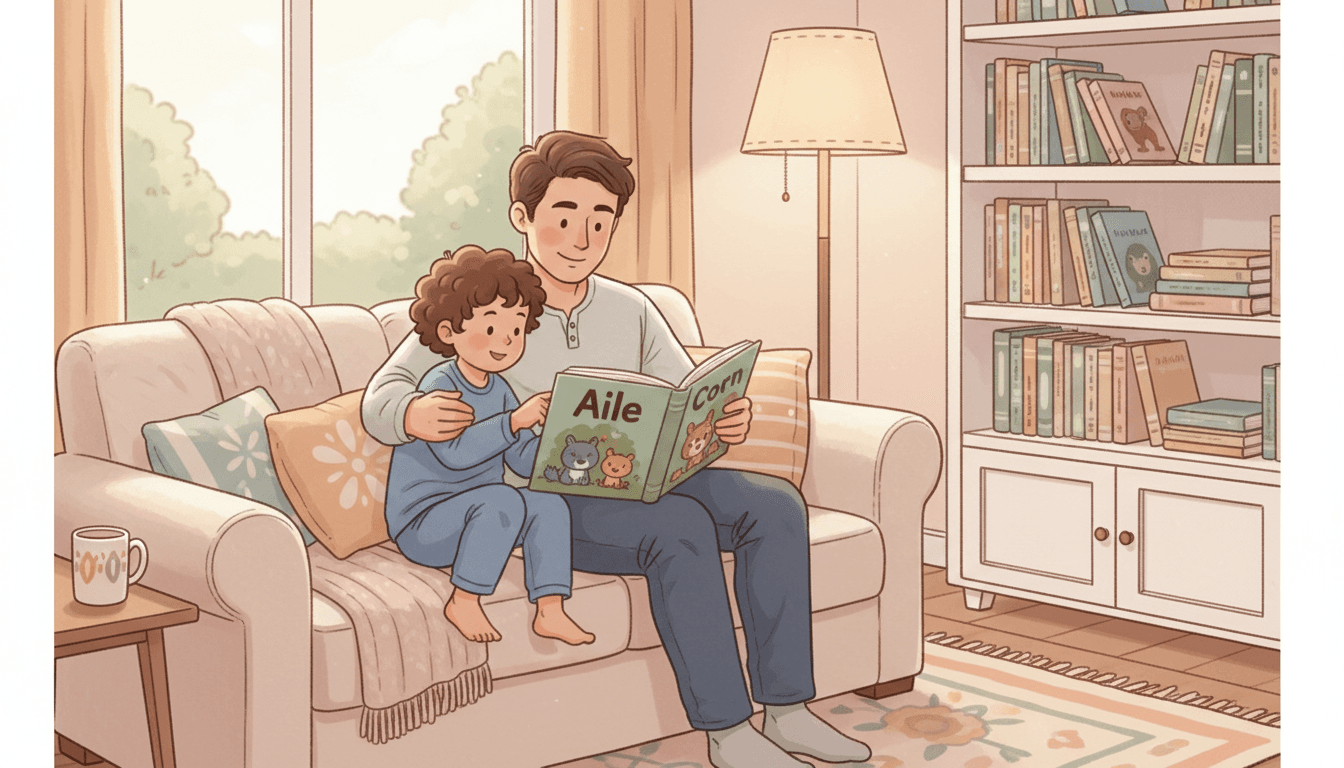
You don't need to be a reading teacher to help your kindergartner grow as a reader. The single most important thing you can do is read aloud together every day. Even 10-15 minutes makes a difference.
Read-aloud strategies that build skills:
- Point to the words as you read. This teaches print concepts like left-to-right and one-to-one matching.
- Ask questions about the story. "What do you think will happen next?" "How did the bear feel?" This builds comprehension.
- Let your child "read" to you. Even if they're mostly retelling from memory or reading the pictures, they're practicing reading behaviors.
- Pause and let them fill in words. In familiar books, stop before a predictable word and let your child say it.
Beyond read-alouds:
- Label things around the house. Put word cards on the door, the table, the fridge. Environmental print builds word recognition.
- Play with magnetic letters. Build CVC words on the fridge. Change one letter at a time. "This says 'cat.' If I change the c to h, now it says..."
- Visit the library regularly. Let your child choose books that interest them, even if they can't read them yet. Interest drives motivation.
- Don't turn reading into a chore. If your child is resisting, step back. Read to them instead of making them read to you. Keep books fun. The goal is a child who wants to read, not one who dreads it.
What to avoid:
- Comparing your child to siblings or classmates
- Drilling flashcards until everyone is frustrated
- Pushing kids to read books that are too hard
- Correcting every mistake (let small errors go if meaning is preserved)
Keep Reading
- How to Teach Phonics to Kids: A Complete Guide for Parents
- How to Teach Reading Comprehension to Kindergartners
- How to Teach Reading to Kindergartners
Practice Pages for Beginning Readers
Printable practice pages can reinforce the skills your kindergartner is learning at school. Look for activities focused on letter sounds, sight word recognition, simple word building, and reading comprehension with picture support.
Keep sessions short and positive. Five minutes of happy practice does more than twenty minutes of struggle. If your child is frustrated, stop. Try again tomorrow.
Reading development in kindergarten is a marathon, not a sprint. Your kiddos will get there. Some will sprint ahead, some will take a scenic route, and that's perfectly okay. What matters most is that they feel supported, encouraged, and excited about books. The levels will follow.

Adi Ackerman
Head Teacher
Adi is the Head Teacher at ClassWeekly, with years of experience teaching elementary students. She designs our curriculum-aligned worksheets and writes practical guides for teachers and parents.
Keep Reading
Ready to download? Try ClassWeekly free for 30 days.
Unlimited worksheets for PreK through 5th grade. Cancel anytime.