What Is Author's Craft?
Taught in US schools
Key Takeaways
- Author's craft is the collection of techniques and choices a writer deliberately makes to convey meaning, create mood, and engage readers.
- Key elements of craft include word choice (diction), sentence structure (syntax), figurative language, imagery, tone, voice, and point of view.
- Author's craft is different from author's purpose - purpose is WHY the author wrote; craft is HOW they wrote it.
What Is Author's Craft?
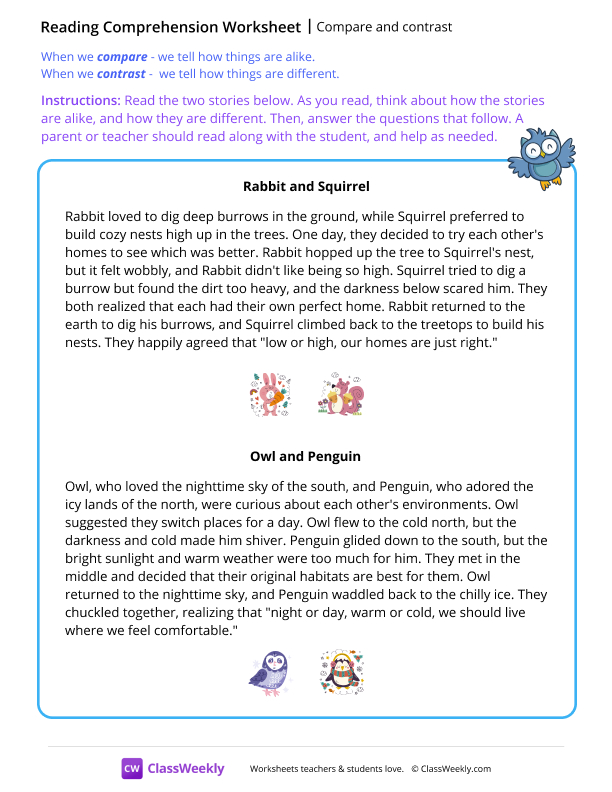
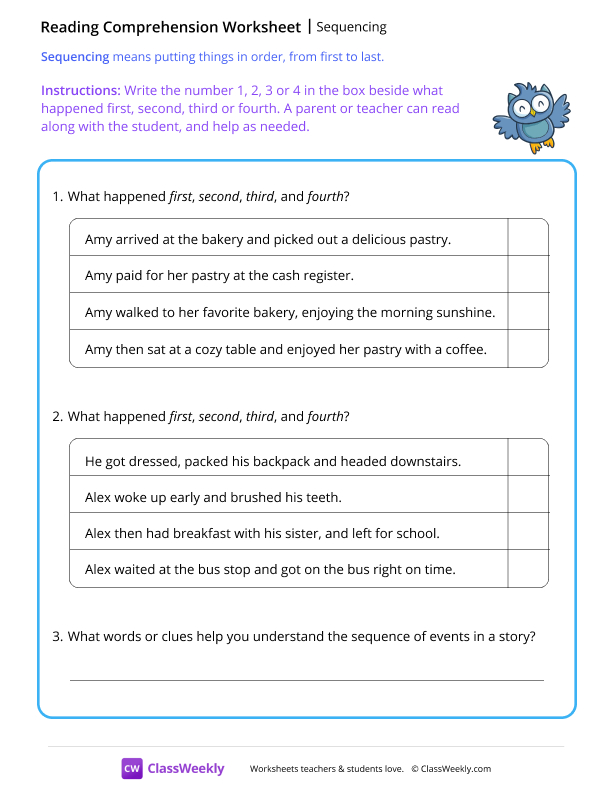
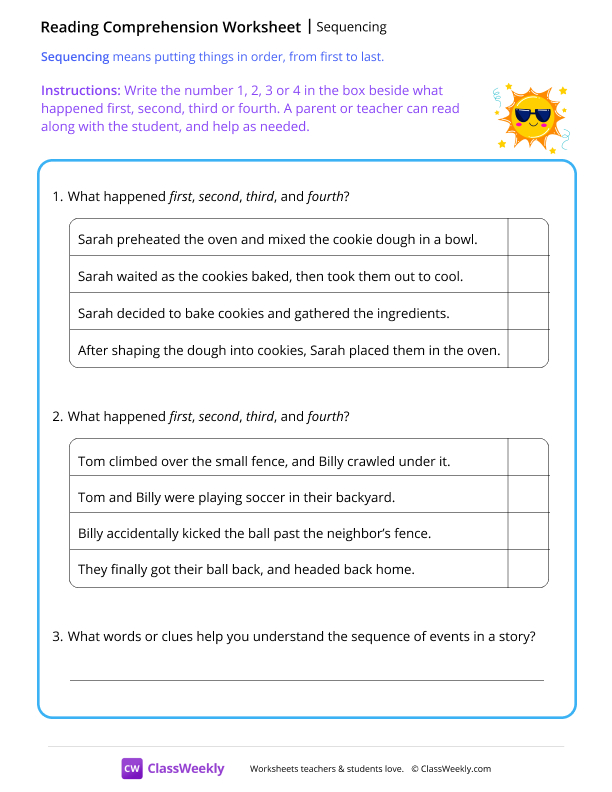
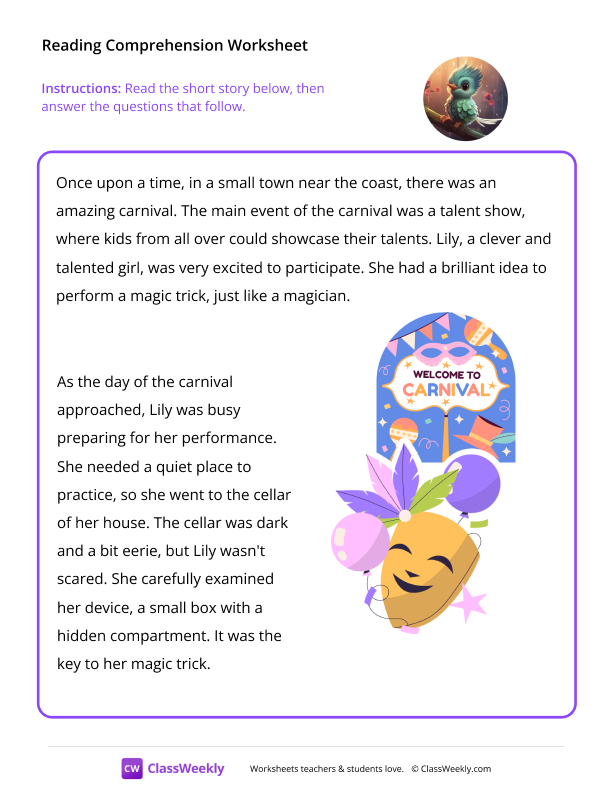
Author's craft refers to the specific techniques, choices, and strategies that a writer uses deliberately to communicate ideas and create an effect on the reader. Studying author's craft means moving beyond what a text says to ask: How does the author make it say it?
Author's craft is distinct from author's purpose (why the author wrote). Craft is the how - the tools in the writer's toolbox.
Key Elements of Author's Craft
1. Word Choice (Diction)
The specific words an author selects. Powerful word choice is precise, vivid, and purposeful.
Example: "The ancient tree groaned in the wind" vs. "The old tree moved in the wind." Groaned is more precise and creates a more vivid sound image.
2. Sentence Structure (Syntax)
How sentences are constructed - length, arrangement, and rhythm. Authors vary sentence length to control pacing:
-
Short sentences create tension, urgency, and drama.
-
Long sentences can slow the reader down and create a reflective or flowing feeling.
-
Sentence fragments (used intentionally) add emphasis or mimic thought.
3. Figurative Language
Non-literal comparisons and expressions that create vivid images and deepen meaning. Types include simile, metaphor, personification, hyperbole, and onomatopoeia.
4. Imagery
Language that appeals to the five senses - sight, sound, smell, taste, touch - to create vivid mental pictures.
5. Tone
The author's attitude toward the subject or audience. Tone can be formal, casual, humorous, melancholy, sarcastic, hopeful, urgent, and more. Tone is created through word choice, sentence structure, and detail selection.
6. Voice
The author's distinctive "sound" or personality on the page. Voice is what makes one author sound different from another, even when writing on the same topic.
7. Point of View
The perspective from which the story is told:
-
First person ("I") - feels personal and intimate
-
Third person limited ("he/she/they") - focuses on one character's perspective
-
Third person omniscient - the narrator knows all characters' thoughts
The choice of point of view is a craft decision that shapes how readers experience the story.
Craft in Nonfiction vs. Fiction
Author's craft applies to both:
-
Fiction: Authors use all the above elements to create emotion, build characters, and move the plot.
-
Nonfiction: Authors use text structure, transitions, examples, anecdotes, and precise vocabulary to make information clear and compelling.
How to Analyze Author's Craft
Use these guiding questions:
- "Why did the author choose THIS word instead of a simpler one?"
- "What effect does this comparison have on the reader?"
- "How does this sentence structure make you feel?"
- "What does the author's tone tell you about their attitude toward the subject?"
Practice Activities
- Give students two versions of the same sentence - one flat, one crafted - and discuss what specific changes the author made and why.
- During a read-aloud, pause and ask, "What do you notice about the author's word choice here? Why might they have chosen that word?"
- Have students imitate a mentor author's style: pick a passage, analyze the craft techniques, then write their own passage on a different topic using the same techniques.
- Create an "Author's Craft Museum" where students post sticky notes on a class text identifying specific craft moves.
- Assign students to find one example of strong author's craft in their independent reading book and share it with the class, explaining the technique and its effect.

Frequently Asked Questions
What is the difference between author's craft and author's purpose?
Author's purpose asks WHY the author wrote the piece - to inform, persuade, entertain, or express. Author's craft asks HOW the author achieved that purpose - what specific words, structures, and techniques did they use? A skilled reader analyzes both: understanding purpose tells you what the text is trying to do; analyzing craft shows you how it does it.
What is word choice (diction) and why does it matter?
Word choice, or diction, refers to the specific words an author selects. Precise, vivid words create stronger images and emotions. For example, 'She trudged home' conveys exhaustion, while 'She skipped home' conveys joy - even though both mean she walked home. Analyzing word choice is one of the most accessible entry points for studying author's craft.
How can students identify author's craft in a text?
Students can look for: unusual or powerful word choices, sentences that are unusually long or short, comparisons (similes and metaphors), sensory details (imagery), repetition used for emphasis, and moments where the author seems to speak directly to the reader. Asking 'Why did the author choose THIS word instead of another one?' is a great starting question.
Free Author's Craft Worksheets
Curriculum-aligned printable worksheets for 3rd – 5th Grade. Download free.