What Is Figurative Language?
Taught in US schools
Key Takeaways
- Figurative language means words are NOT meant literally - they create images or effects beyond the literal meaning.
- Simile: comparison using 'like' or 'as.' Metaphor: direct comparison without 'like' or 'as.'
- Idioms are fixed expressions where the meaning is not the sum of the parts: 'break a leg' ≠ injury.
- Recognizing figurative language is a reading skill; using it effectively is a writing craft skill.
What Is Figurative Language?
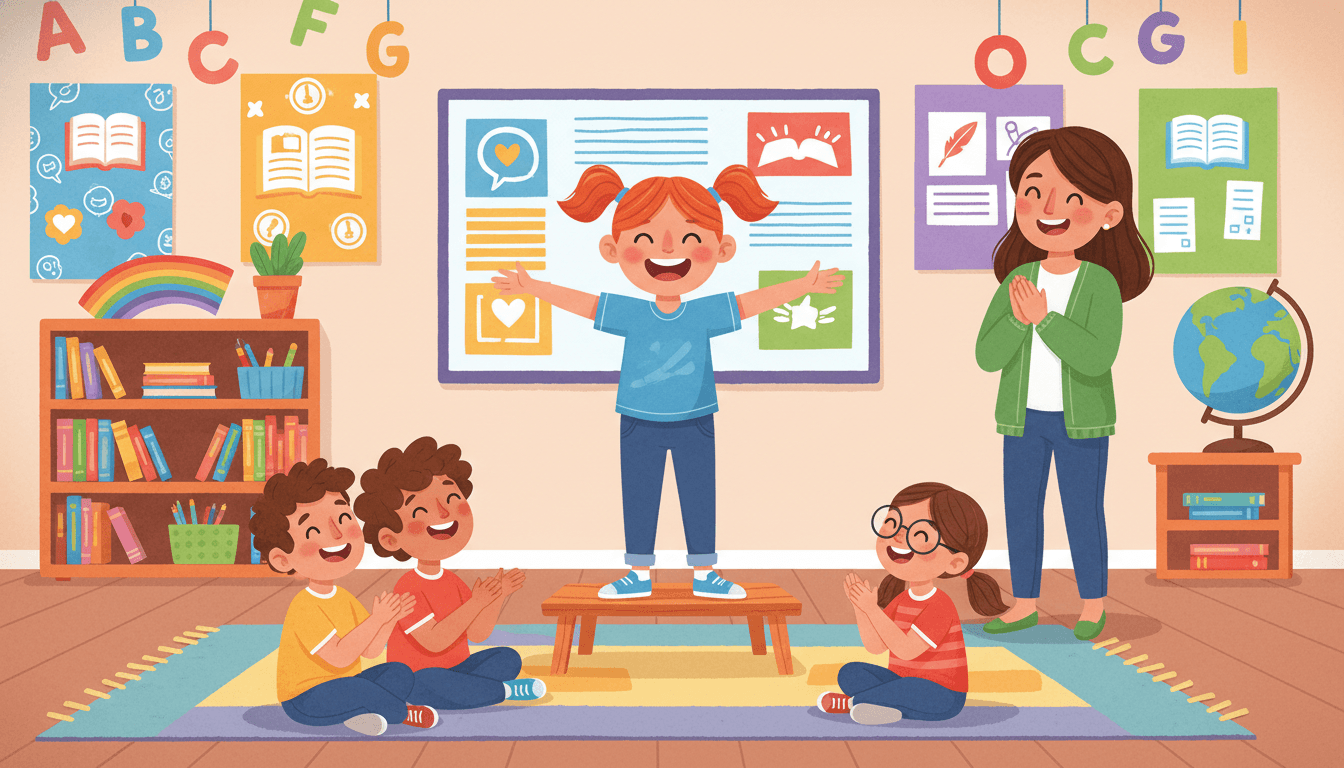
Figurative language uses words in non-literal ways to create vivid images, emotional effects, and deeper meaning.
When a writer says "The classroom was a zoo," they don't mean there were animals with enclosures - they're using language figuratively to convey the chaos and noise.
Figurative language appears in poetry, fiction, and everyday speech. Understanding it is essential for reading comprehension; using it is a mark of sophisticated writing.
Key Types of Figurative Language
Simile
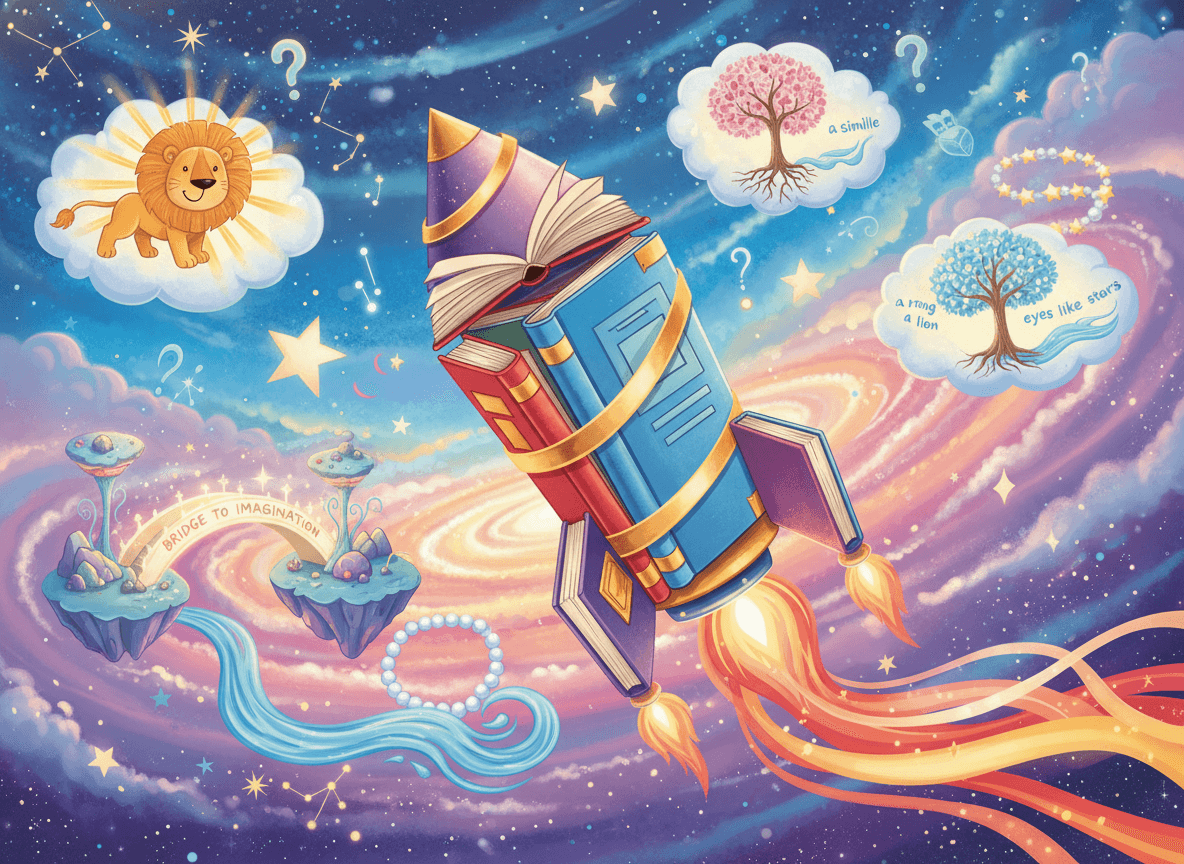
A comparison using "like" or "as":
"Her smile was like sunshine." "He ran as fast as a cheetah."
Metaphor
A direct comparison without "like" or "as":
"The classroom was a zoo." "Time is money." "Her eyes were stars."
Personification
Giving human qualities to non-human things:
"The wind whispered through the pines." "The alarm clock screamed at 6 a.m."
Hyperbole
Extreme exaggeration for emphasis or effect:
"I've told you a million times." "I'm so hungry I could eat a horse."
Idiom
A fixed expression whose meaning can't be decoded literally:
"Break a leg." (= good luck) "Spill the beans." (= reveal a secret) "Hit the sack." (= go to sleep)
Alliteration
Repetition of the same initial consonant sound:
"Sally sells seashells by the seashore." "Peter Piper picked a peck..."
Onomatopoeia
Words that imitate the sounds they represent:
"The bees buzzed." / "The door creaked." / "The thunder boomed."
Why Figurative Language Matters
Figurative language:
- Creates vivid imagery that engages readers
- Conveys emotion and tone efficiently
- Makes abstract ideas concrete
- Is a hallmark of quality poetry and prose
Students who can recognize and interpret figurative language comprehend texts more deeply. Students who can use it effectively write more powerfully.
What Grade Do Kids Learn Figurative Language?
2nd Grade: Determine the meaning of words and phrases in a text; identify who is speaking in stories (RL.2.4, RL.2.6).
3rd Grade: Distinguish literal and non-literal language; identify real-life connections to figurative words (RL.3.4, L.3.5).
4th Grade: Understand figurative language (similes, metaphors) and idioms (L.4.5a, L.4.5b). Read poetry and identify figurative language in context (RL.4.4).
5th Grade: Interpret figurative language including simile, metaphor, personification in texts; understand how figurative language contributes to meaning and tone (RL.5.4, L.5.5a).
Common Misconceptions
"Figurative language is only in poetry." Figurative language appears in novels, picture books, song lyrics, everyday conversation, and advertising. It's everywhere.
"Idioms are figurative language students should just know." Idioms are culturally acquired - English learners and students with language processing differences often struggle with them specifically. Explicit idiom instruction is necessary.
"Metaphor is a harder version of simile." Metaphors are slightly more implicit, but many are just as accessible: "Time is money" is easier than elaborate similes.
Practice Activities
-
Figurative language hunt: Students highlight and label examples in a poem or short story (S for simile, M for metaphor, etc.).
-
Interpret and illustrate: Give a figurative expression; students draw the literal interpretation and the actual meaning side by side.
-
Idiom wall: Class collection of idioms with illustrated explanations.
-
Upgrade sentences: Plain sentences rewritten using one figurative language device.
-
Figurative language poem: Students write a poem using at least three types.
Frequently Asked Questions
What is the difference between a simile and a metaphor?
Both compare two unlike things to create a vivid image. A simile uses 'like' or 'as' to make the comparison explicit: 'Her voice was like music.' 'He was as stubborn as a mule.' A metaphor makes the comparison directly, without 'like' or 'as': 'Her voice was music.' 'He was a mule about changing his mind.' Metaphors are slightly more sophisticated because the comparison is implied, not stated. Extended metaphors develop the comparison across multiple sentences or an entire poem. Both simile and metaphor are addressed in L.4.5a and L.5.5a.
What is personification?
Personification gives human qualities, actions, or feelings to non-human things (animals, objects, abstract ideas). 'The wind whispered through the trees.' 'The sun smiled down on the playground.' 'Time is a thief that steals our youth.' The wind doesn't whisper literally - personification uses that human quality to make the description vivid and relatable. Personification is one of the most common literary devices in poetry and picture books, making it one of the most accessible figurative language types for elementary students.
What is an idiom?
An idiom is a fixed expression whose meaning cannot be understood from the literal meaning of its words. 'Break a leg' means good luck, not a physical injury. 'It's raining cats and dogs' means it's raining heavily. 'Bite the bullet' means endure something difficult. 'Spill the beans' means reveal a secret. Idioms are culturally specific - students who are English learners often find them particularly challenging because they must be learned as fixed units, not decoded from individual words. The Common Core addresses idioms under L.4.5b ('Recognize and explain the meaning of common idioms').
What is hyperbole?
Hyperbole is extreme exaggeration for emphasis or effect. 'I've told you a million times.' 'I'm so hungry I could eat a horse.' 'This backpack weighs a ton.' The speaker doesn't literally mean these statements - the exaggeration creates emotional effect and emphasis. Hyperbole is common in everyday speech and in humorous writing. Teaching children to recognize hyperbole helps them understand that not all strong statements should be interpreted literally - which connects to inference and reading for tone.
What is alliteration?
Alliteration is the repetition of the same initial consonant sound in closely connected words. 'Peter Piper picked a peck of pickled peppers.' 'She sells seashells by the seashore.' 'Slippery slopes can be surprisingly scary.' Alliteration creates rhythm, emphasizes key words, and is a prominent feature of poetry and tongue twisters. It's also widely used in titles and branding. Alliteration operates at the sound level (phonemic awareness crosses into literary device) and is accessible even to early elementary students.
Free Figurative Language Worksheets
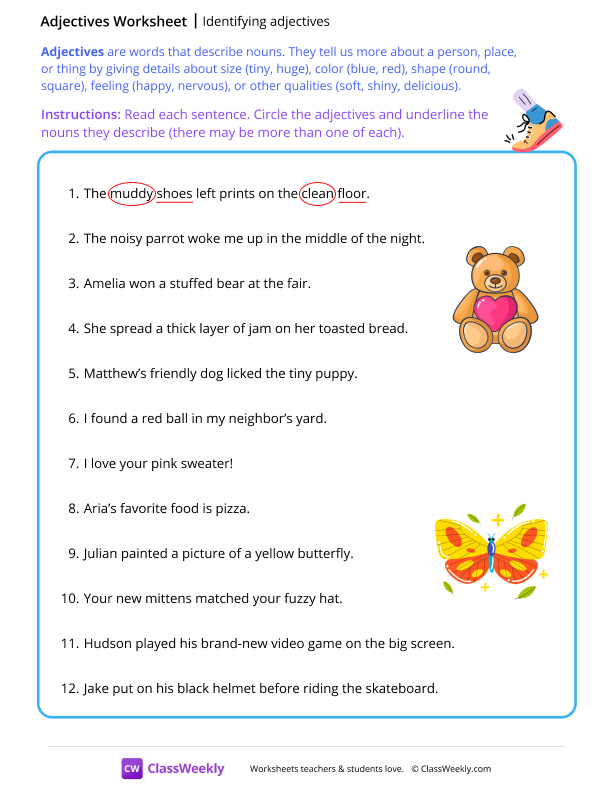
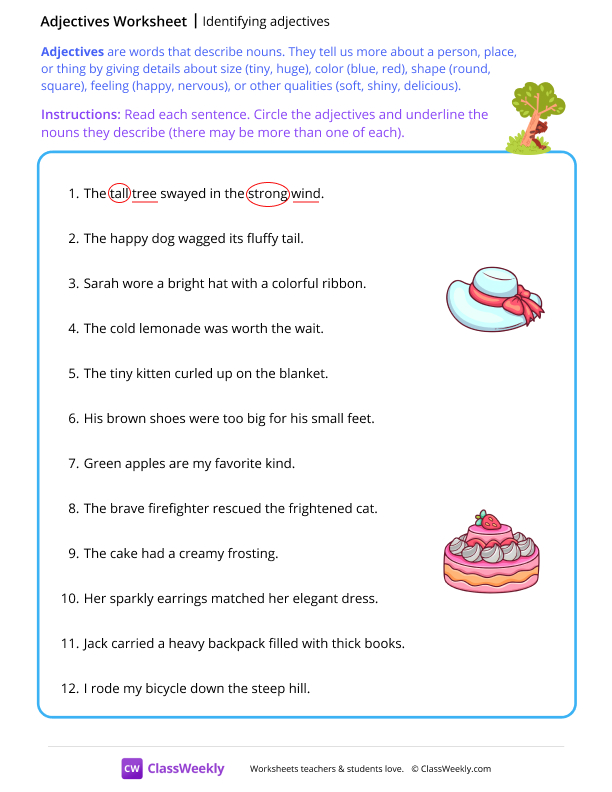
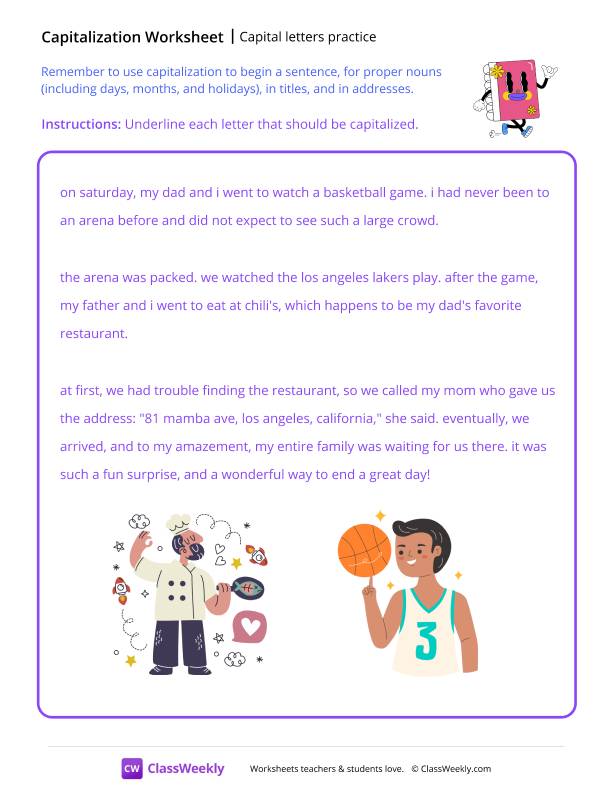
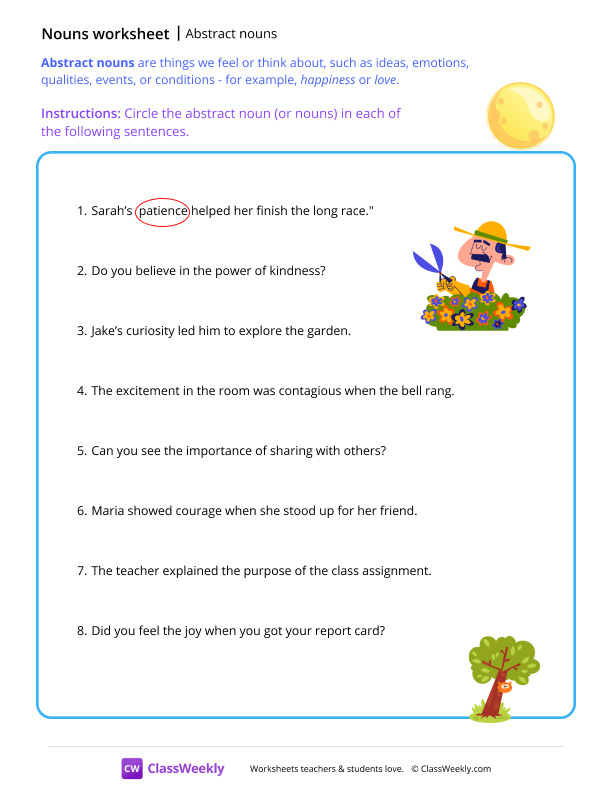
Curriculum-aligned printable worksheets for 2nd – 5th Grade. Download free.