What Is Background Knowledge?
Taught in US schools

Key Takeaways
- Background knowledge is what students already know before a lesson - also called prior knowledge or schema.
- New learning sticks better when it connects to something students already understand.
- Activating background knowledge before reading or instruction significantly improves comprehension.
- Students from different backgrounds bring different knowledge - building it in is part of teaching.
What Is Background Knowledge?
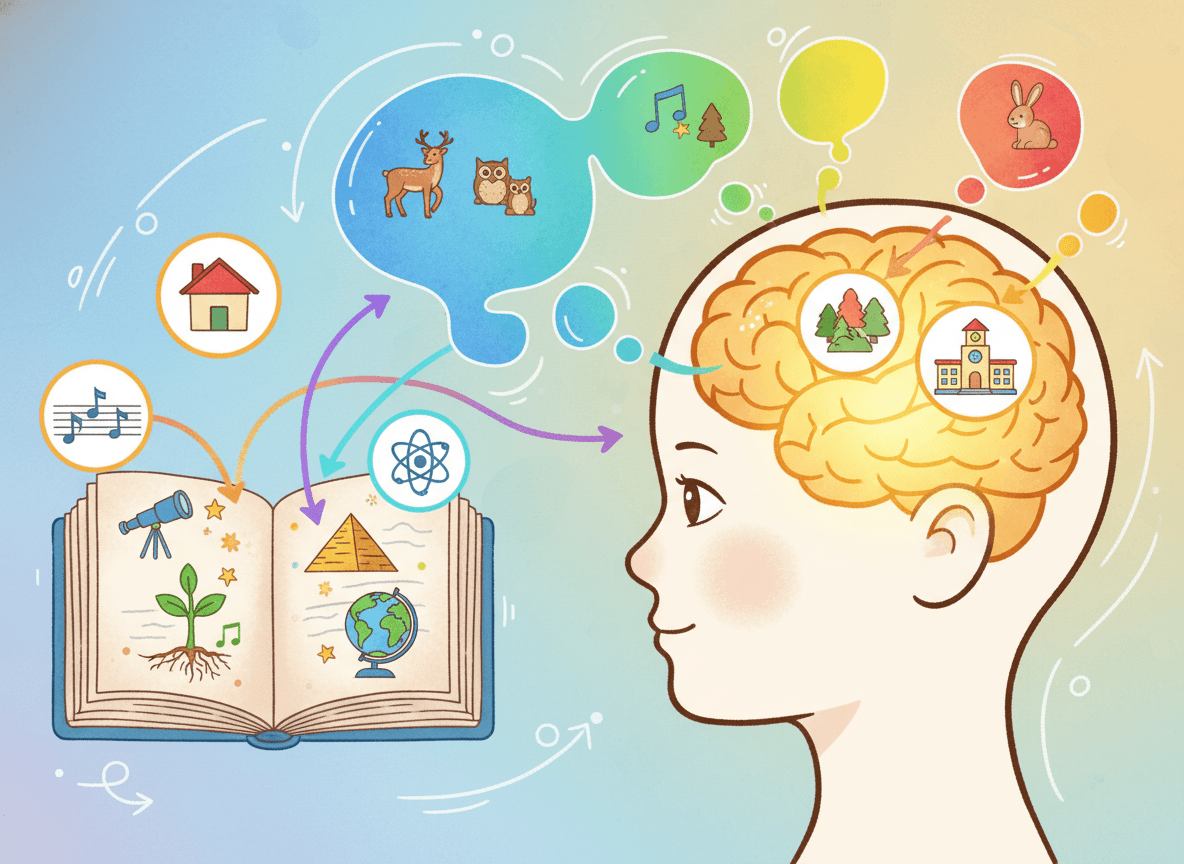
Background knowledge - also called prior knowledge or schema - is everything a student already knows, believes, or has experienced related to a topic before instruction begins.
It includes knowledge from school lessons, books, conversations, personal experiences, TV, family life, and cultural context. It's the mental "hook" that new learning attaches to.
Cognitive scientists describe this as schema - the organized mental frameworks the brain uses to store and retrieve information. When new information fits into an existing schema, it's processed efficiently. When there's no schema to attach to, new information is much harder to retain.
Why Background Knowledge Matters So Much
In reading comprehension research, background knowledge is consistently identified as one of the most powerful predictors of comprehension. Two students reading the same text about baseball will have very different comprehension experiences if one has played baseball and the other has never seen a game.
This is why vocabulary and world knowledge are so tightly linked. Students who know more words typically know more about more topics - and that knowledge makes reading easier, which leads to more reading, which builds more knowledge. This positive cycle is sometimes called the "Matthew effect" (the rich get richer).
How to Activate Background Knowledge in Lessons
Before reading or instruction:
-
KWL Chart - What do I Know? What do I Want to know? What did I Learn?
-
Think-Pair-Share - "What do you already know about volcanoes? Tell your partner."
-
Picture Walk - Preview images and illustrations to surface visual prior knowledge.
-
Quick Write - "Write for 2 minutes: everything you know about the American Revolution."
-
Anticipation Guide - Students agree or disagree with statements before reading to surface assumptions.
When background knowledge is limited: Not all students bring the same knowledge to school - this is not a deficit, it's a teaching opportunity. Build background knowledge explicitly through:
- Read-alouds on related topics before tackling a harder text
- Short video clips or photographs
- Hands-on experiences (science experiments, field trips, guest speakers)
- Vocabulary instruction focused on concepts, not just definitions
Practice Activities
- Before a science unit on ecosystems, ask students to draw and label everything they know about food chains. Use this to identify gaps.
- Use a "brain dump" - students have 3 minutes to write or sketch everything they know about a topic, then share with a partner.
- After activating background knowledge, revisit it at the end of the unit: what did we confirm? What did we need to correct?
- Give students a new text and ask them to highlight sentences where their background knowledge helped them understand the meaning.
Frequently Asked Questions
What is background knowledge in education?
Background knowledge is the collection of information, experiences, and mental frameworks a student brings to a new learning situation. It's everything they already know about a topic - from personal experience, previous school learning, books, conversations, and media. When new learning connects to existing background knowledge, it is understood more deeply and remembered longer.
Why is activating background knowledge important before reading?
Reading comprehension research consistently shows that what you already know about a topic is the single strongest predictor of how well you will understand a text about that topic. Activating background knowledge before reading primes the brain to make connections, fill in gaps, and build meaning from text - rather than processing words in isolation.
How is background knowledge different from prior knowledge and schema?
These terms are often used interchangeably. 'Prior knowledge' emphasizes what was learned before. 'Background knowledge' is slightly broader - it includes informal experiences, not just formal learning. 'Schema' is the cognitive science term - it refers to the mental frameworks or structures the brain uses to organize and connect information. All three point to the same fundamental idea.
Free Background Knowledge Worksheets
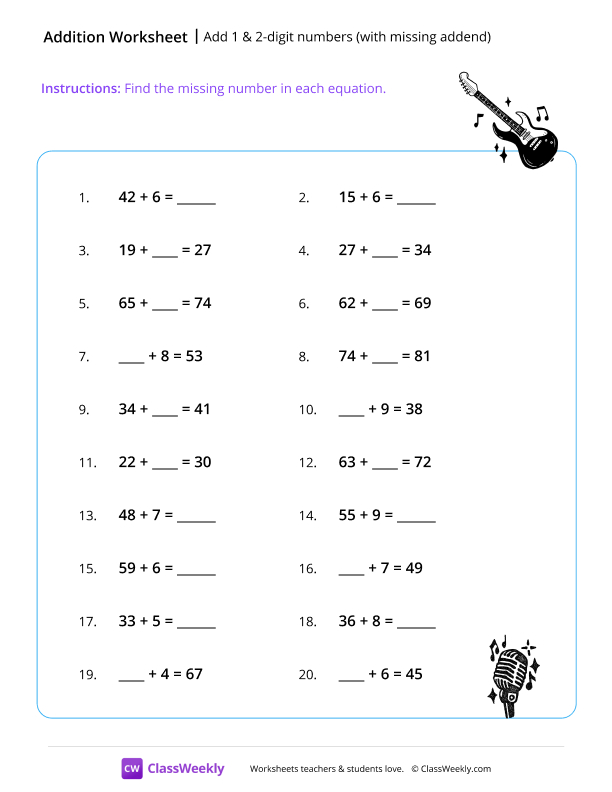
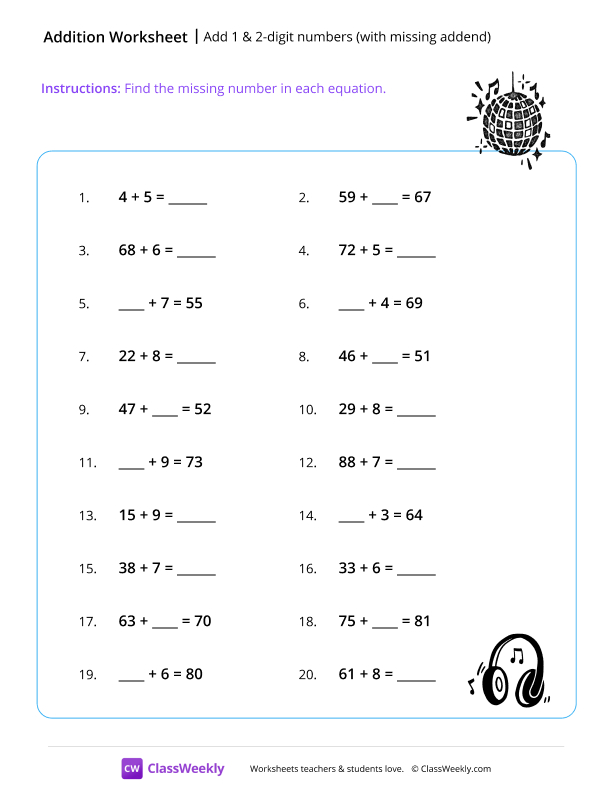
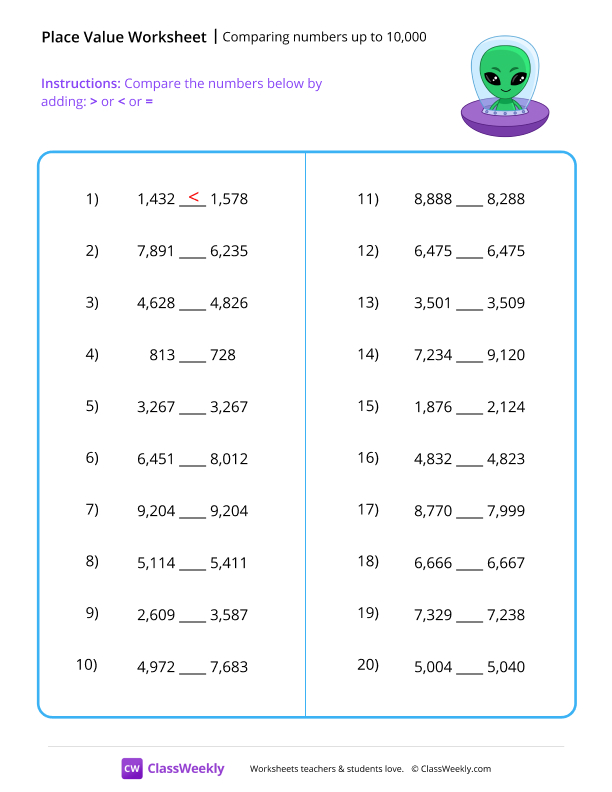
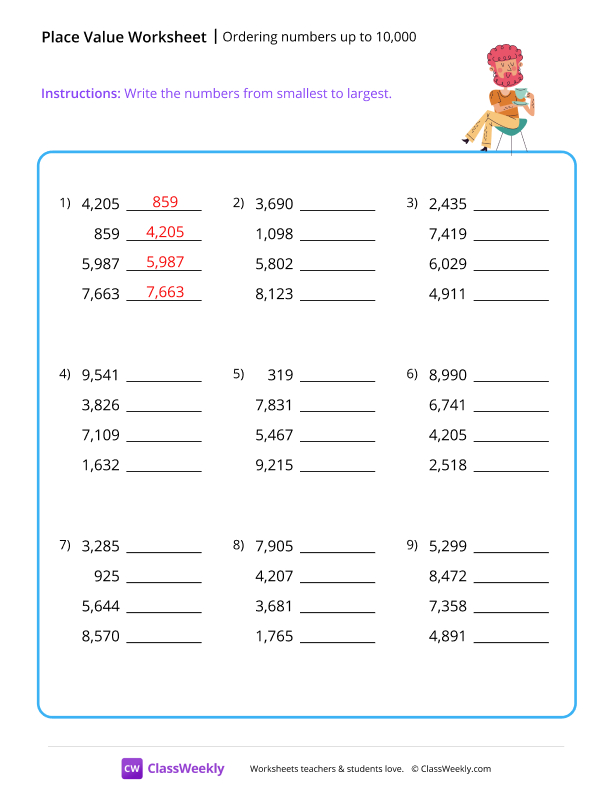
Curriculum-aligned printable worksheets for Kindergarten – 5th Grade. Download free.