What Is Prior Knowledge?
Taught in US schools
Key Takeaways
- Prior knowledge is what students already know before a lesson begins - from school, life, and experience.
- New information is learned and remembered better when connected to existing knowledge.
- Activating prior knowledge before instruction primes students to learn more effectively.
- Not all students bring the same prior knowledge - this is an equity consideration, not a student deficit.
What Is Prior Knowledge?
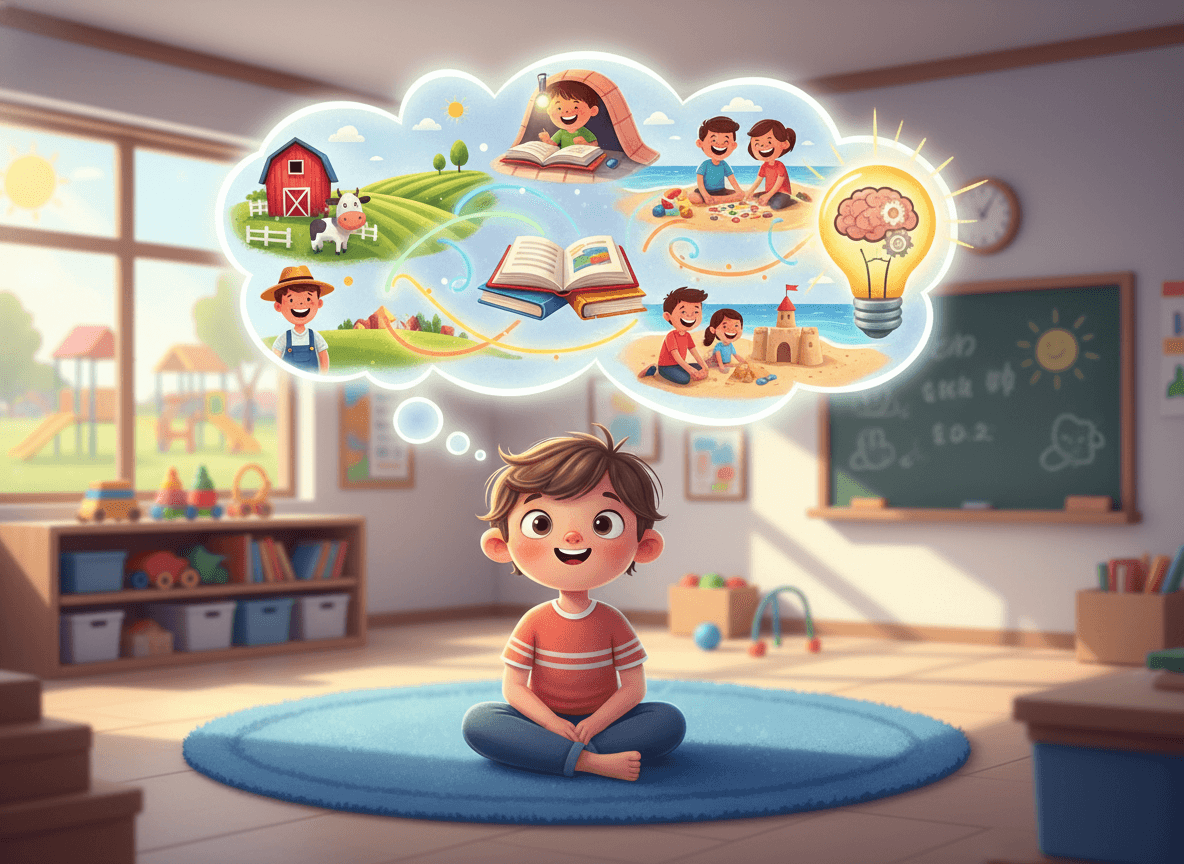
Prior knowledge is everything a student already knows, understands, and has experienced before a new lesson begins. It includes:
- Academic knowledge from previous years of schooling
- Personal experiences and observations
- Knowledge gained from books, media, family, and community
- Cultural knowledge and language
Prior knowledge is the foundation upon which all new learning is built. When a new concept connects to something a student already knows, it is understood more quickly, processed more deeply, and remembered longer.
Why Prior Knowledge Matters
Cognitive science is clear: learning is not the accumulation of isolated facts - it is the construction of connections. New information is integrated into existing mental structures (called schema). The richer those structures are, the easier it is to add new knowledge to them.
This creates a cycle:
- Students with more prior knowledge learn more from new instruction
- Greater learning builds richer prior knowledge
- Richer prior knowledge supports even greater future learning
The reverse is also true: students with limited prior knowledge on a topic struggle to understand instruction on that topic, which limits what they gain from it. This is why gaps in background knowledge early in life tend to widen over time - sometimes called the "Matthew effect."
Activating Prior Knowledge: Why It Works
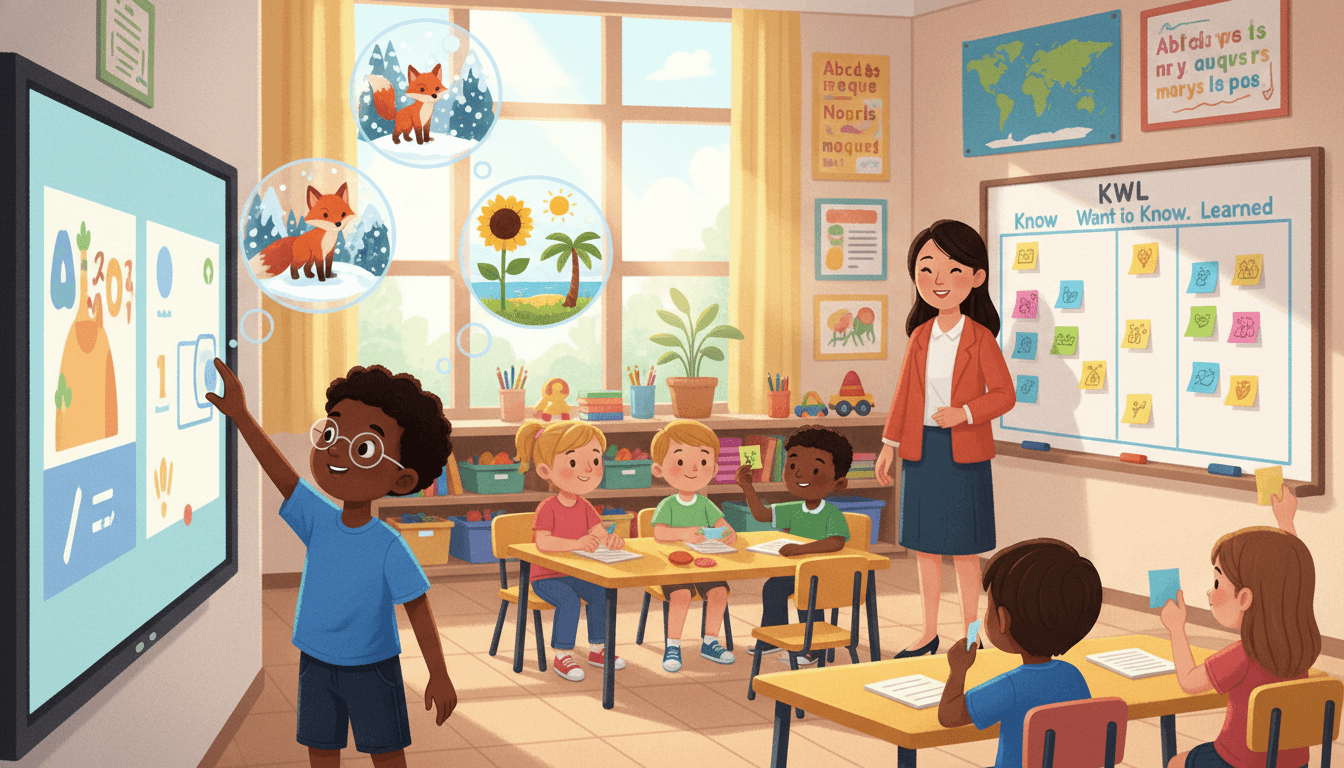
"Activating" prior knowledge means deliberately helping students access what they already know before new instruction begins. When the relevant prior knowledge is active in working memory, students are primed to connect new information to it as soon as it appears.
Research shows that activating prior knowledge before reading or instruction:
- Improves comprehension
- Increases retention
- Reduces cognitive load (the mental effort required to process new information)
Strategies to Activate Prior Knowledge
-
KWL Chart - What do I Know? What do I Want to know? (Answered before the lesson) What did I Learn? (Answered after)
-
Think-Pair-Share - "Tell your partner everything you know about magnets."
-
Anticipation Guide - Students agree or disagree with statements before reading; discuss after
-
Quick Write - 3 minutes: write everything you know about the Civil War before we start
-
Visual brainstorm - show an image related to the topic; students name what they see and know
Equity and Prior Knowledge
Prior knowledge is not equally distributed - and this is an equity issue, not a student deficit. Students from different backgrounds, languages, and experiences bring different knowledge to school. A student who grew up in a rural community brings deep nature knowledge; a student who immigrated recently may have rich multilingual knowledge but limited familiarity with American cultural references.
Effective teaching honors the knowledge students bring while also deliberately building the background knowledge needed for the curriculum's demands.
Practice Activities
- Before a new science unit, give students 3 minutes to draw and label everything they know about the topic. Use this to identify starting points - not gaps.
- Compare two students' quick writes on the same topic - what does each person know that the other doesn't? Use this as a discussion starter.
- After building prior knowledge, return to the KWL chart: "What did we confirm? What surprised us? What do we still wonder about?"
- Ask students to make text-to-self connections before, during, and after reading: "What from your own life or experience connects to this?"
Frequently Asked Questions
What is prior knowledge in education?
Prior knowledge is the accumulated knowledge, skills, and experiences a student brings to a new learning situation. It includes formal academic learning (what they were taught in previous grades), informal knowledge from life and experience (a child who grew up near the ocean knows about tides), cultural knowledge, and language. Prior knowledge acts as the framework into which new information is integrated.
How does prior knowledge affect learning?
Prior knowledge dramatically affects how quickly and deeply new information is processed. When new learning connects to something already known, the brain can integrate it into existing mental structures (schema). When there is no prior knowledge to connect to, new information is harder to process, remember, and apply. This is why background-building before instruction is so important - it creates the 'hooks' that new learning attaches to.
What is the difference between prior knowledge and background knowledge?
The terms are used almost interchangeably. 'Prior knowledge' emphasizes what was learned BEFORE this moment - from any source. 'Background knowledge' is slightly broader and often used to describe the accumulated world knowledge students bring to reading comprehension tasks. Some educators use 'schema' as the cognitive science term for the mental structures that organize prior knowledge.
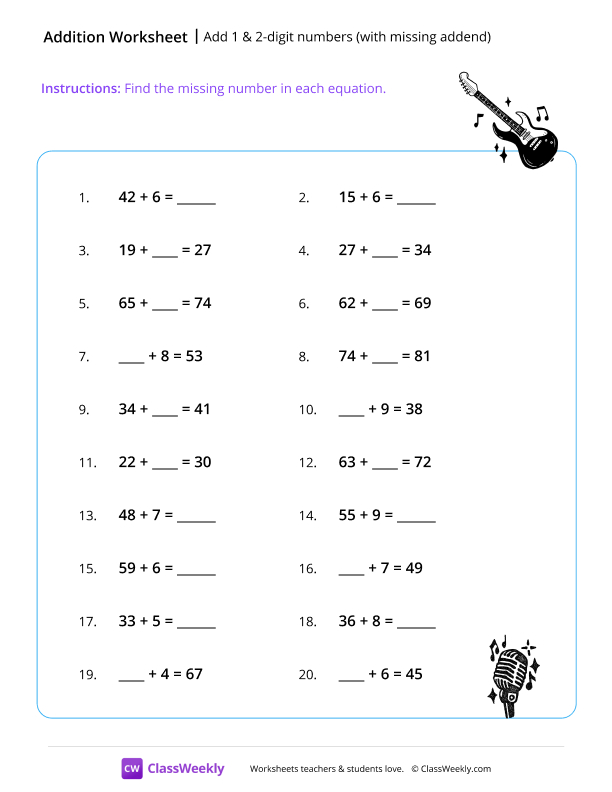
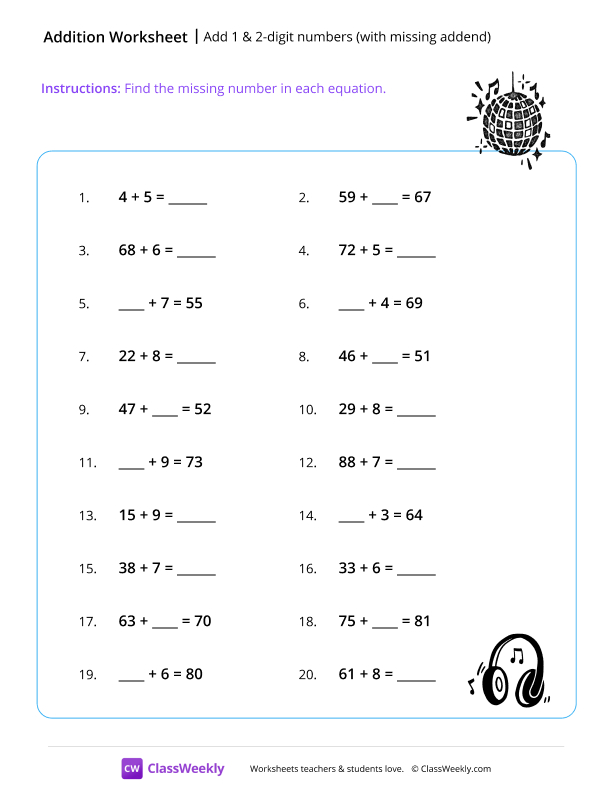
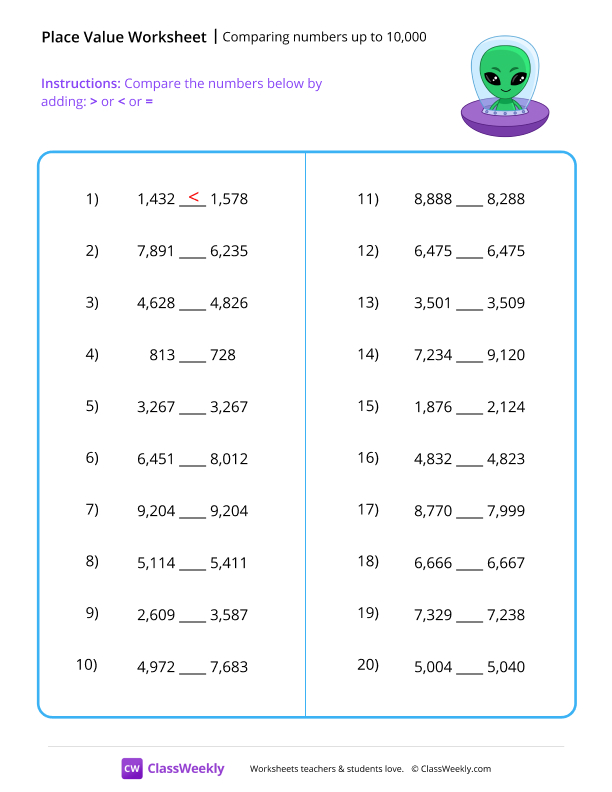
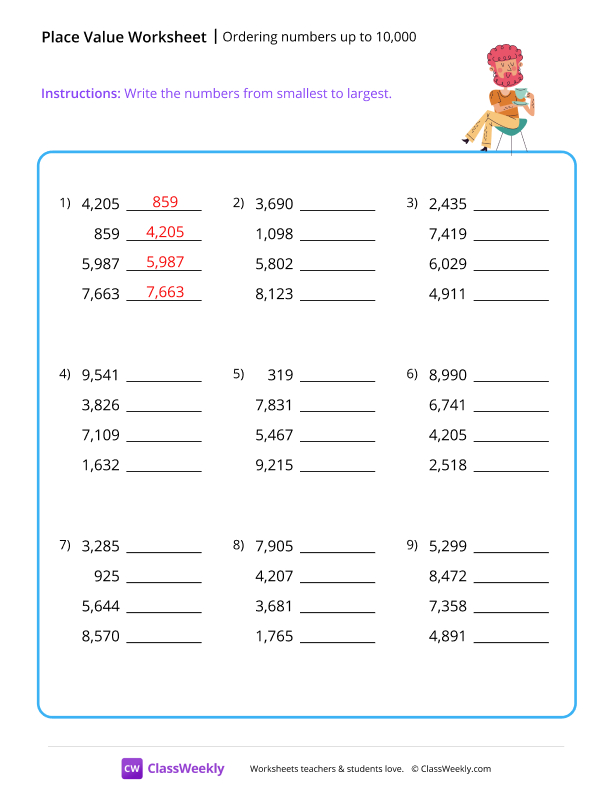
Free Prior Knowledge Worksheets
Curriculum-aligned printable worksheets for Kindergarten – 5th Grade. Download free.