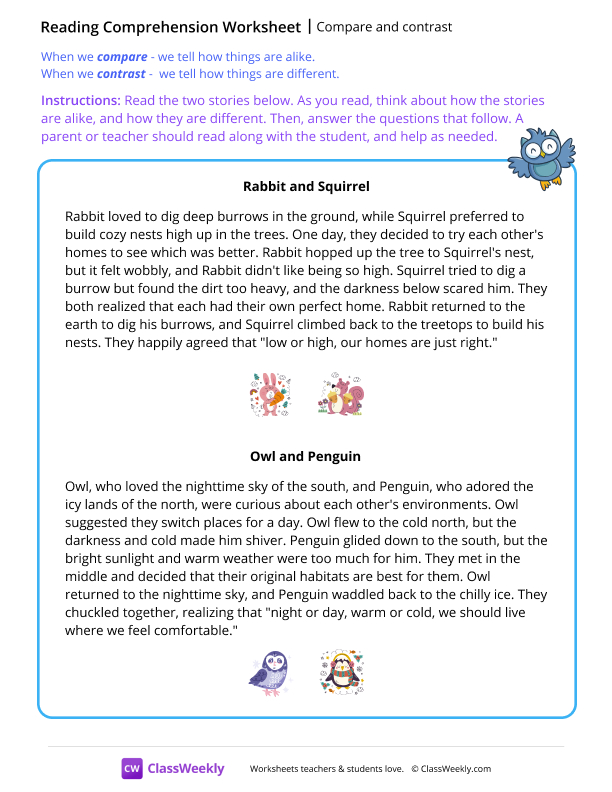
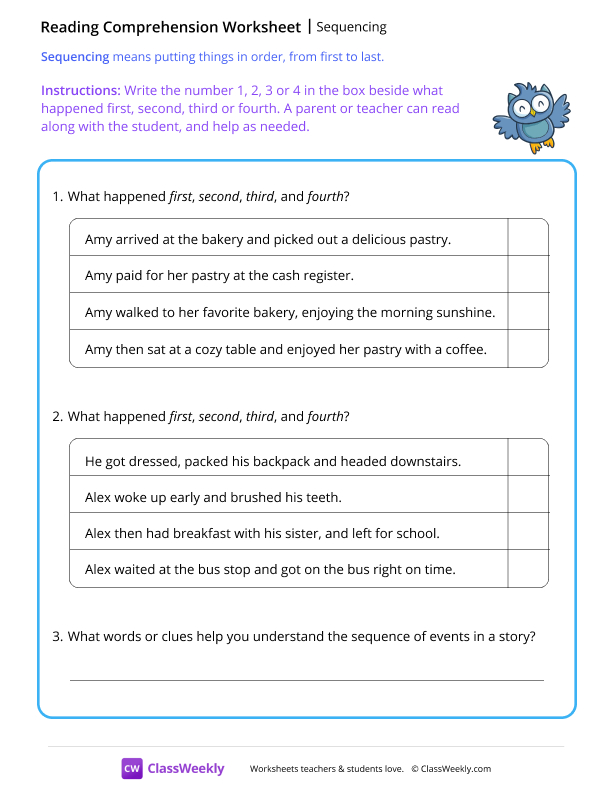
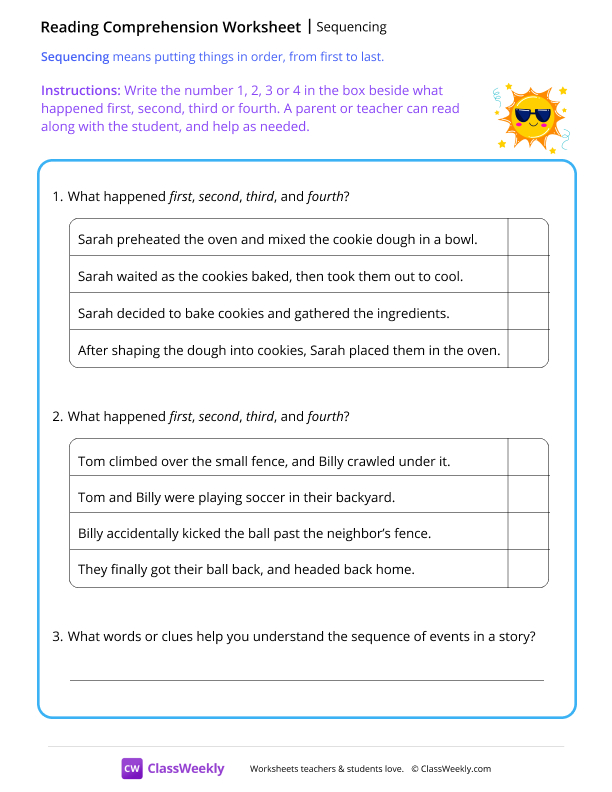
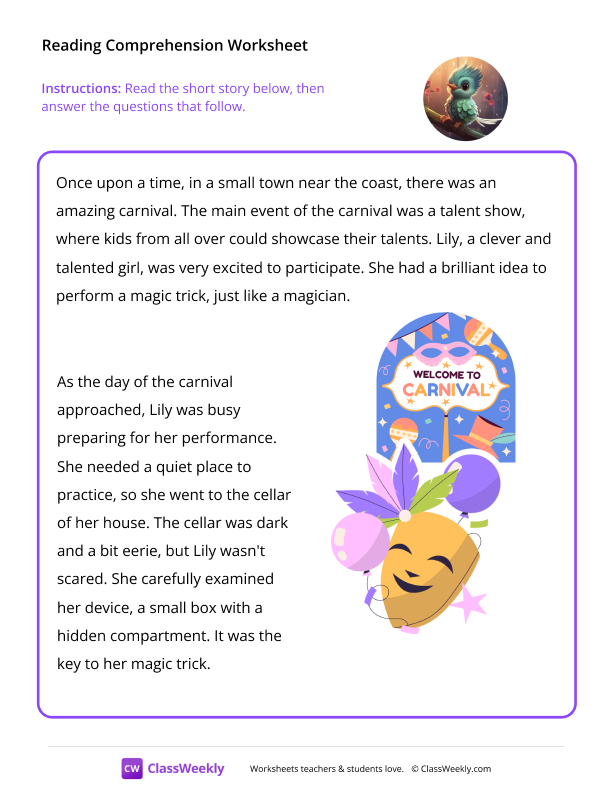
What Are Text Connections?
Taught in US schools
Key Takeaways
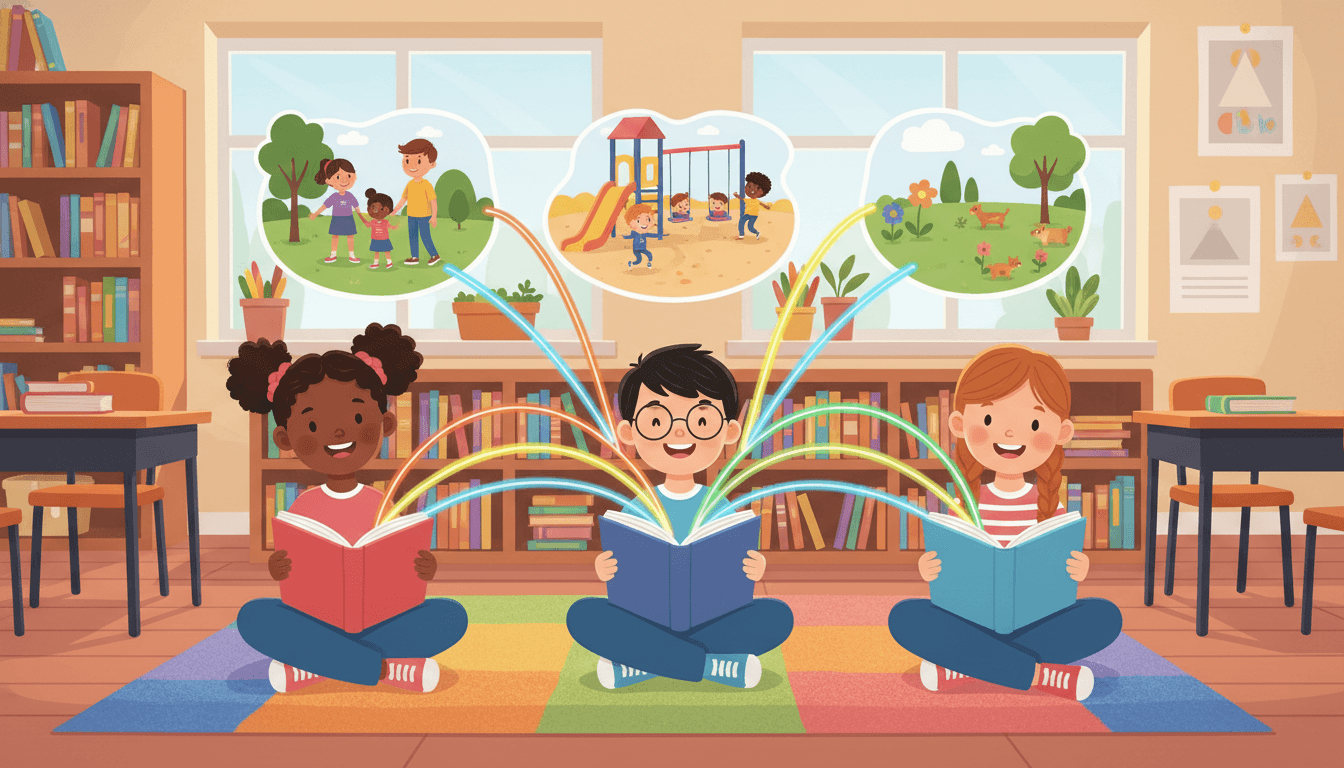
- There are three types of text connections: text-to-self (connects to personal experience), text-to-text (connects to another book or article), and text-to-world (connects to events or knowledge about the world).
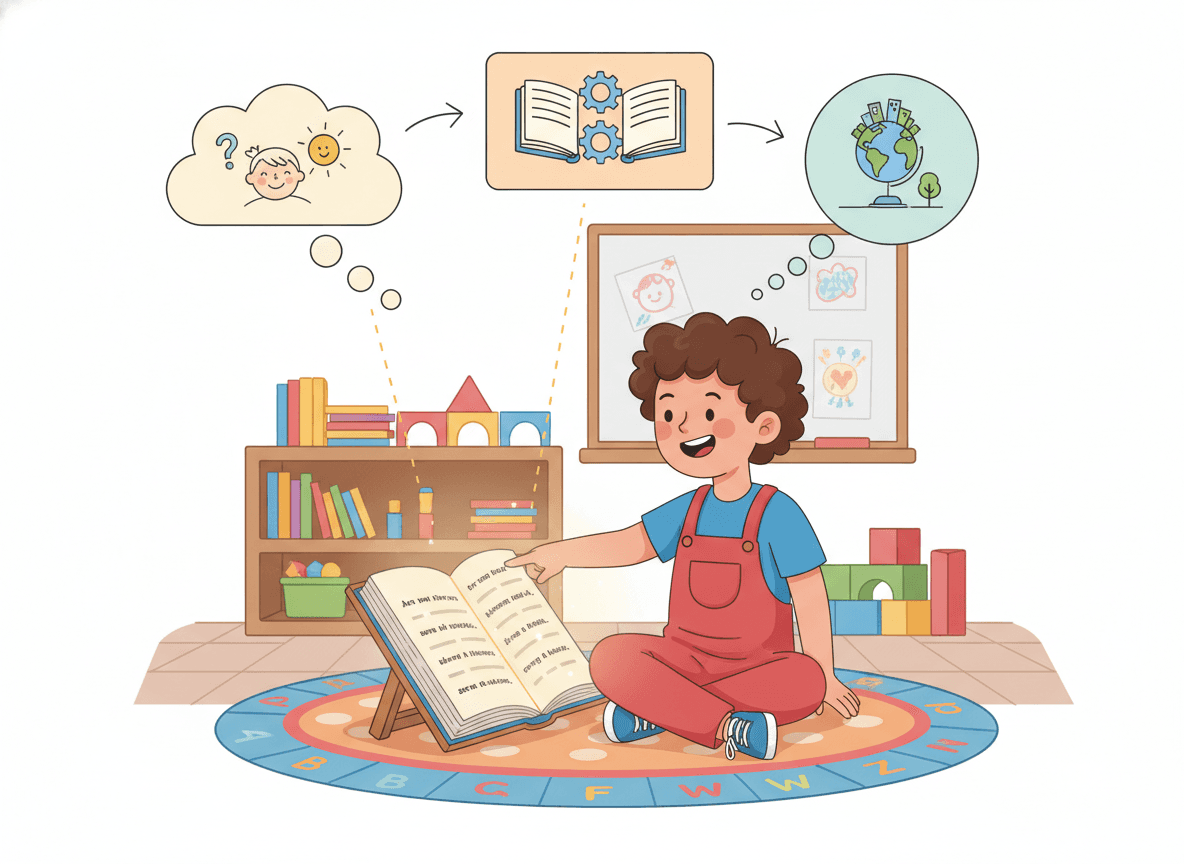
- Making connections activates prior knowledge (called 'schema') and helps readers understand and remember what they read.
- Strong connections go beyond surface similarities - a good text-to-self connection explains HOW the experience helps you understand the text better.
What Are Text Connections?
When readers make text connections, they link new information in a book to something they already know. These connections activate schema - the mental networks of knowledge, experience, and memory that readers bring to any text.
Good readers make connections naturally and continuously while reading. Teachers explicitly teach text connections to help all students access this powerful comprehension strategy.
The Three Types of Text Connections
1. Text-to-Self (T-S)
A text-to-self connection links the reading to the reader's own life - personal experiences, memories, feelings, or opinions.
"This part of the story reminds me of the time I got lost at a store and felt scared, just like the main character."
Signal phrases:
- "This reminds me of when I..."
- "I felt the same way when..."
- "This character is like me because..."
2. Text-to-Text (T-T)
A text-to-text connection links the current reading to another book, article, poem, movie, or text the reader has encountered before.
"This biography about Harriet Tubman reminds me of the book Freedom on the Menu because both are about African Americans fighting for their rights."
Signal phrases:
- "This is like the book ___ because..."
- "Both texts talk about..."
- "This author's style reminds me of..."
3. Text-to-World (T-W)
A text-to-world connection links the reading to events, situations, or knowledge about the wider world - current events, history, science, culture.
"This article about deforestation connects to what we learned about endangered animals - when forests disappear, animals lose their homes."
Signal phrases:
- "This connects to what's happening in the news because..."
- "I've seen this in real life when..."
- "This connects to what I know about..."
Why Text Connections Matter
Making connections:
-
Activates prior knowledge before and during reading
-
Increases engagement - students who connect personally care more
-
Deepens comprehension - linking new ideas to known ideas makes them stick
-
Supports inference - connections help readers fill in gaps the author leaves
Moving from Surface to Deep Connections
Surface connections stay at the level of "this is similar to X." Deep connections explain how the connection changes or deepens understanding of the text.
"The character likes soccer and I like soccer.": "The character feels pressure to be perfect at soccer, which helps me understand why she's so hard on herself - I feel that same pressure." Always ask: "How does this connection help you understand the text better?"
Practice Activities
- After a read-aloud, give students a three-column graphic organizer (T-S, T-T, T-W) to record one connection in each column.
- Model a "think-aloud" while reading: stop and say, "Wait - that just reminded me of..." to make the strategy visible.
- Create a class "Connection Wall" where students post sticky notes organized by connection type after independent reading.
- After reading two books on the same topic, use a Venn diagram to formalize text-to-text connections.
- Have students write a "connection paragraph" using the sentence frame: "When I read ___, I connected it to ___ because ___. This helped me understand ___ better."
Frequently Asked Questions
What is a text-to-self connection?
A text-to-self connection links something in the text to a personal experience, memory, or feeling. For example: 'This reminds me of when I moved to a new school, just like the character did.' The key is explaining how that personal experience helps you understand the story or character better.
What is a text-to-text connection?
A text-to-text connection links the current reading to something in another book, article, poem, or story. It might be a similar theme, the same character type, a shared setting, or a related topic. For example: 'This book about bravery reminds me of Charlotte's Web because both characters sacrifice something for a friend.'
What makes a connection 'strong' vs. 'weak'?
A weak connection is just a surface similarity: 'This book has a dog and I have a dog.' A strong connection explains how the connection deepens understanding: 'This book has a dog who protects the family, which helps me understand why the character felt so safe - I feel that way with my dog too.' Strong connections always circle back to the text.
Free Text Connections Worksheets
Curriculum-aligned printable worksheets for Kindergarten – 4th Grade. Download free.