What Is Classroom Management?
Taught in US schools
Key Takeaways
- Classroom management is proactive - the best management prevents problems rather than reacting to them.
- Clear routines and procedures are the foundation of a well-managed classroom.
- Positive relationships between teachers and students are the most powerful management tool.
- Consistency matters more than any specific strategy - students need predictability.
What Is Classroom Management?
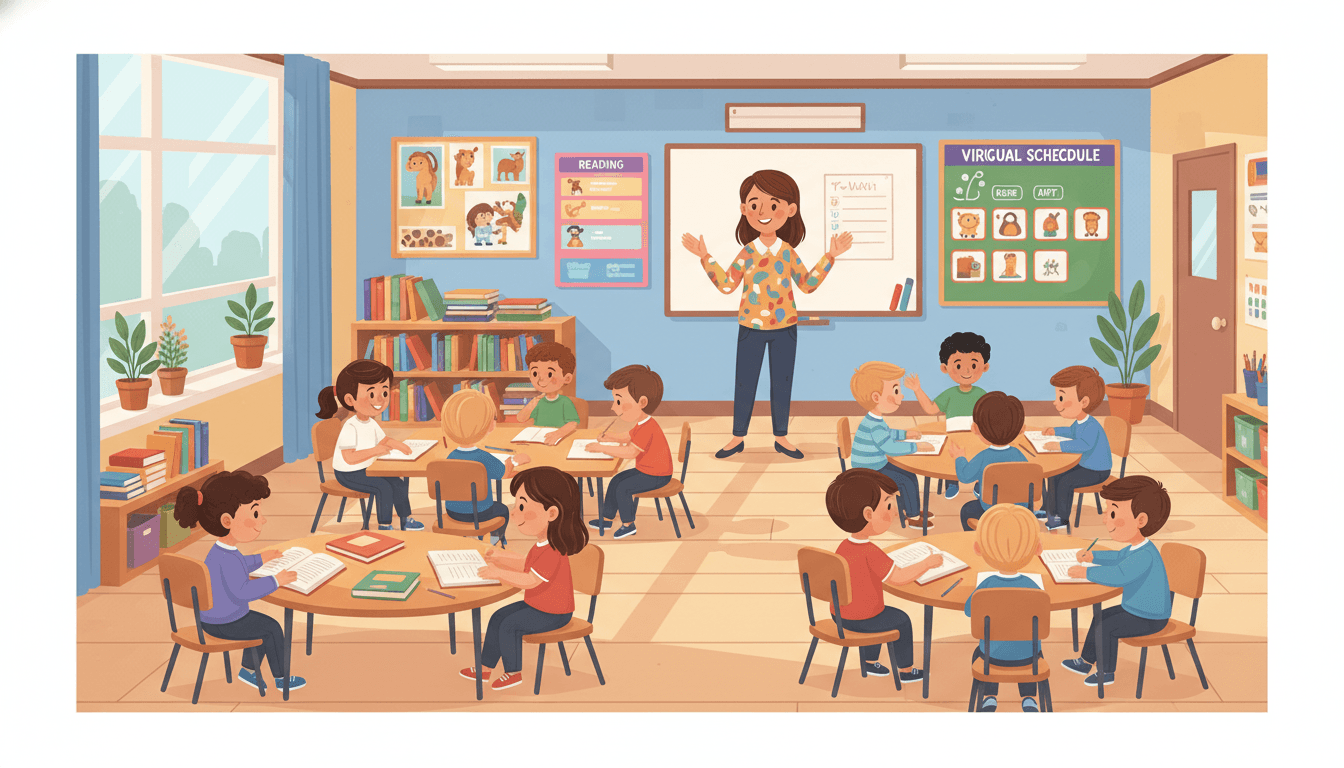
Classroom management is the combination of structures, strategies, and relationships that a teacher uses to create an environment where learning can happen. It includes physical setup, daily routines, behavior expectations, transitions, and how a teacher responds when things go off track.
Despite the name, classroom management isn't primarily about control - it's about creating conditions where students feel safe, know what to expect, and are ready to learn.
The Foundation: Routines and Procedures
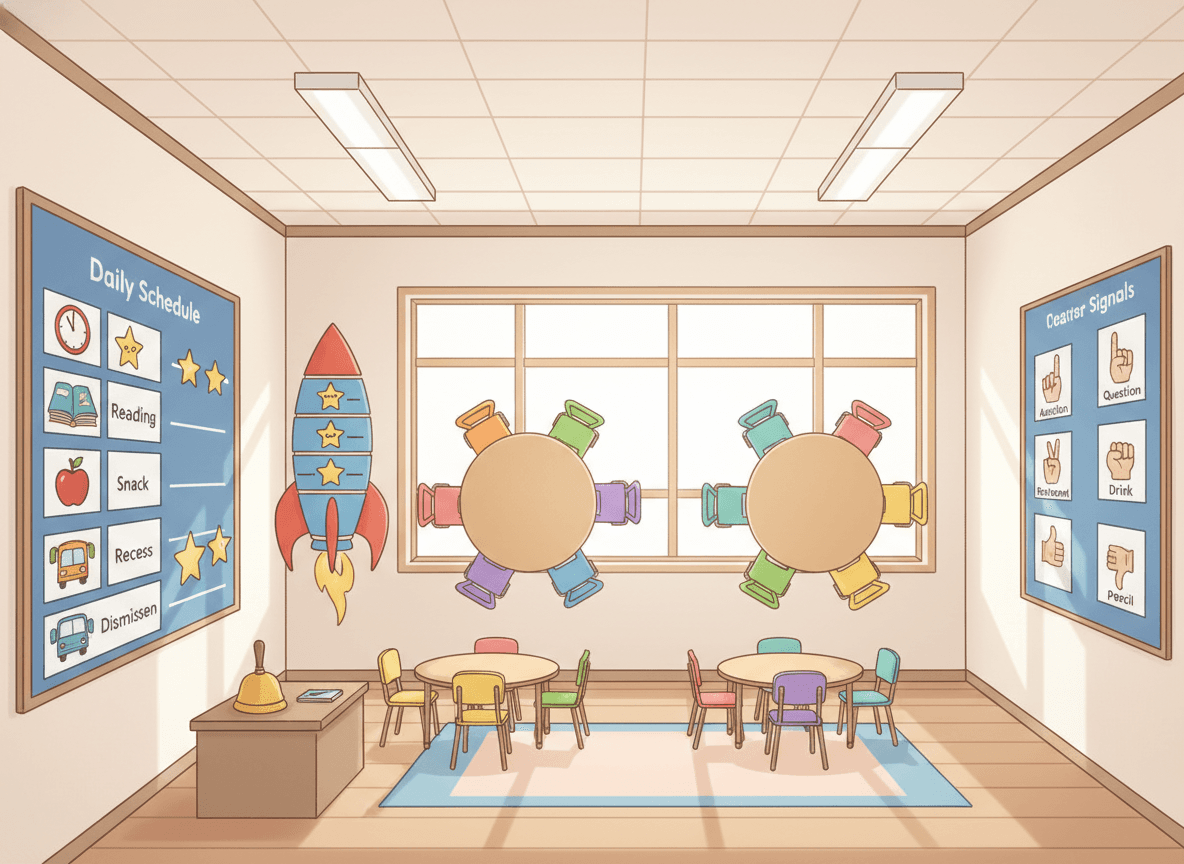
The research on classroom management consistently points to routines and procedures as the most impactful element. When students know exactly what to do when they enter the room, how to get materials, what to do when they finish early, and how to signal for help - the cognitive load of "what am I supposed to do?" is removed entirely.
Key routines to establish from day one:
-
Entry routine - What do students do the moment they walk in?
-
Attention signal - How does the teacher get everyone's attention quickly?
-
Transition signal - How do students move from activity to activity?
-
Materials management - How are supplies distributed and collected?
-
Exit routine - How does the class end predictably every day?
Proactive vs. Reactive Management
Proactive management prevents problems before they start:
- Clear, positively stated expectations posted in the room
- Seating arrangements that reduce distractions
- Engaging lessons that leave little time for off-task behavior
- Circulating the room to stay close to students who need support
- Building relationships so students feel connected to the classroom community
Reactive management responds to problems that arise:
- Proximity (moving close without speaking)
- Nonverbal signals (a look, a hand signal)
- Private redirection before public correction
- Logical, calm consequences applied consistently
- Restorative conversations after conflicts
The goal is to invest heavily in the proactive so the reactive is rarely needed.
The Role of Relationships
No management strategy works without a foundation of positive relationships. Students who trust their teacher and feel respected are far more willing to follow expectations, take risks academically, and recover from mistakes without escalation.
Research by Robert Pianta and others shows that the quality of the teacher-student relationship is one of the strongest predictors of student engagement, academic achievement, and behavior.
Practice Activities
- At the start of the year, co-create classroom agreements with students - rules they help write feel more binding than rules handed down from above.
- Practice routines explicitly: "We're going to practice how we line up until it's automatic." Treat it like a fire drill - repetition builds habit.
- Use a "compliment circle" when the class does something well: publicly name what you noticed and why it mattered.
- Track your praise-to-redirect ratio for one day: aim for at least 4 positive comments for every 1 correction.
Frequently Asked Questions
What is classroom management?
Classroom management is the combination of strategies, routines, and structures teachers use to establish a safe and productive learning environment. It includes everything from how students enter and exit the room to how the teacher responds to misbehavior. Effective classroom management is mostly proactive - it prevents disruptions by establishing clear expectations and building strong relationships.
What are the most effective classroom management strategies?
Research points to these as most effective: (1) establishing clear procedures and routines from day one, (2) building positive relationships with every student, (3) using proximity and nonverbal signals before verbal interventions, (4) catching students being good through specific praise, (5) maintaining high, consistent expectations, and (6) keeping transitions short and structured.
What is the difference between classroom management and discipline?
Classroom management is proactive - it creates conditions where learning can happen. Discipline is reactive - it responds to problems after they occur. The goal of strong classroom management is to minimize the need for discipline. Teachers who invest heavily in routines, relationships, and engagement typically spend far less time managing disruptive behavior.
Free Classroom Management Worksheets
Curriculum-aligned printable worksheets for Kindergarten – 5th Grade. Download free.