What Was the Columbian Exchange?
Taught in US schools
Key Takeaways
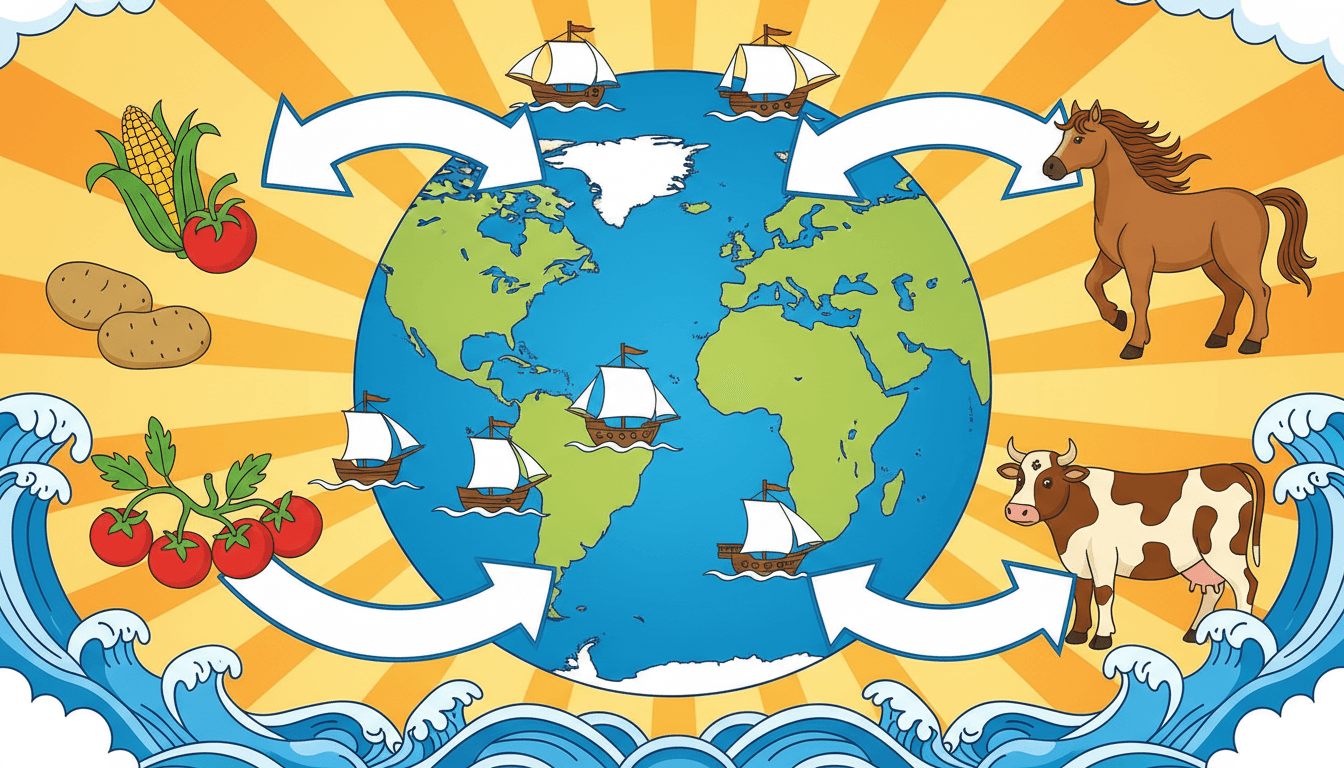
- The Columbian Exchange refers to the vast transfer of plants, animals, culture, people, and diseases between the Americas and Europe, Africa, and Asia after 1492.
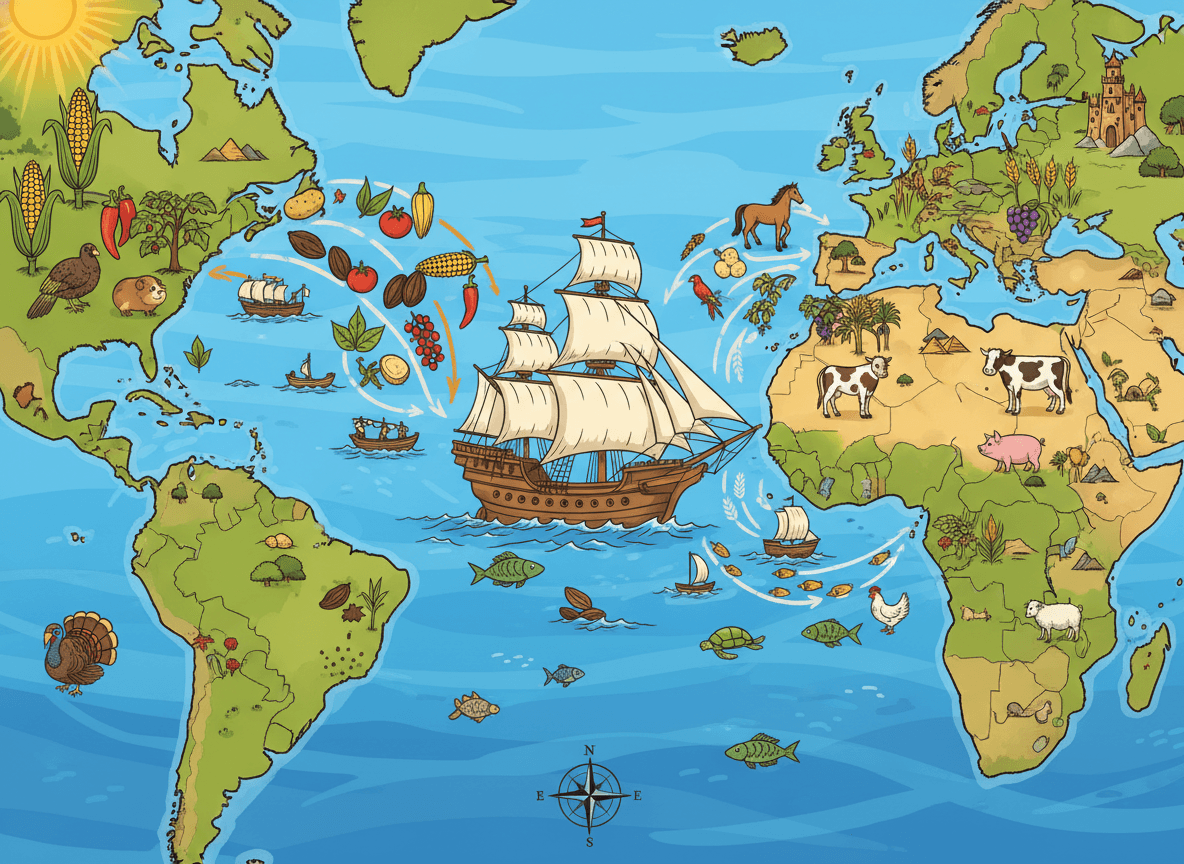
- From the Americas: corn, potatoes, tomatoes, cacao (chocolate), peppers, and tobacco traveled to the Old World. From the Old World: horses, cattle, wheat, rice, and citrus traveled to the Americas.
- The most devastating part of the exchange was disease - smallpox, measles, and influenza killed millions of Indigenous people in the Americas who had no immunity.
What Was the Columbian Exchange?
The Columbian Exchange is the term for the massive, two-way transfer of plants, animals, people, technology, culture, and diseases between the Americas (the "New World") and Europe, Africa, and Asia (the "Old World") that began after Christopher Columbus's voyage in 1492.
The term was coined by historian Alfred W. Crosby in his 1972 book of the same name. He argued that the biological consequences of Columbus's voyages - especially the movement of plants, animals, and diseases - were the most far-reaching changes in human history.
From the Americas to the Old World
Many foods that are now central to cuisines worldwide originated in the Americas:
****Corn (maize): Mexico/Central America - Became a staple crop in Africa and Europe
Potato: Andes (South America) - Became the foundation of European diets; triggered Irish population growth
Tomato: South America - Now essential in Italian, Spanish, Indian cuisines
Cacao: Mexico/Central America - Source of chocolate
Sweet potato: South America - Major food source across Asia and Africa
Hot peppers: Mexico/Central America - Transformed cuisines in Asia, Africa, and Europe
Peanuts: South America - Spread throughout Africa and became a major crop
Tobacco: Americas - Became a major trade commodity in Europe
From the Old World to the Americas
Europe, Africa, and Asia sent plants, animals, and technologies to the Americas:
Horses: Europe/Asia - Transformed Native American cultures (especially Plains peoples)
Cattle: Europe - Brought ranching to the Americas
Wheat: Middle East - Became a major crop in North America
Rice: Asia - Brought to the Americas; major crop in the southeastern U.S.
Sugarcane: Asia - Became a major crop driving the slave trade
Citrus fruits: Asia - Oranges, lemons, limes introduced to the Americas
Chickens, pigs: Europe/Asia - Important new food sources
Disease: The Most Devastating Exchange
The most destructive part of the Columbian Exchange was disease.
Indigenous peoples of the Americas had no immunity to Old World diseases including:
- Smallpox
- Measles
- Influenza
- Typhus
- Malaria
These diseases swept through communities with no natural defenses, killing an estimated 50–90% of the Indigenous population of the Americas within the first century of European contact. This catastrophic loss of life made it easier for European colonizers to seize land and resources.
The Americas, in turn, may have exported syphilis to Europe - though historians continue to debate this.
Long-Term Global Impact
The Columbian Exchange permanently transformed the world:
-
Population changes - potato and corn increased food supplies in Europe and Africa, supporting dramatic population growth
-
Ecological changes - introduced species (horses, pigs, rats) disrupted native ecosystems
-
Cultural changes - foodways, economies, and cultures were permanently altered on every continent
-
Human trafficking - the demand for labor on sugar and tobacco plantations drove the transatlantic slave trade, bringing millions of enslaved Africans to the Americas
Practice Activities
- Create a two-column chart: "From Americas to Old World" and "From Old World to Americas" - categorize 10-15 items.
- Map the exchange: draw arrows on a world map showing which plants and animals moved in each direction.
- Research how one food (tomato, potato, or corn) transformed a specific country's cuisine and agriculture.
- Discuss: who benefited from the Columbian Exchange and who suffered? Use specific evidence to support your answer.
- Calculate the impact: if a region's population dropped from 1 million to 100,000 because of disease, what percentage decrease is that? Connect math to history.
Frequently Asked Questions
Who coined the term 'Columbian Exchange'?
The term 'Columbian Exchange' was coined by historian Alfred W. Crosby in his 1972 book The Columbian Exchange: Biological and Cultural Consequences of 1492. Crosby argued that the most significant consequences of Columbus's voyages were biological - the transfer of plants, animals, and especially diseases - rather than political or military.
What foods came from the Americas to Europe?
Many staple foods in today's European and global diets originated in the Americas and did not reach Europe until after 1492. These include: corn (maize), potatoes, tomatoes, sweet potatoes, pumpkins, squash, peppers (hot and sweet), cacao (for chocolate), vanilla, peanuts, sunflowers, and tobacco. Before 1492, there were no tomatoes in Italy, no potatoes in Ireland, and no chocolate anywhere in Europe.
Why did European diseases kill so many Indigenous people?
Indigenous peoples of the Americas had been geographically isolated from the diseases of the Old World for thousands of years. They had no immunity to diseases like smallpox, measles, influenza, and typhus. When these diseases arrived with European explorers and colonizers, they spread rapidly through communities that had no natural defenses. Some historians estimate that disease killed 50-90% of the Indigenous population of the Americas within the first century of European contact.
Free Columbian Exchange Worksheets
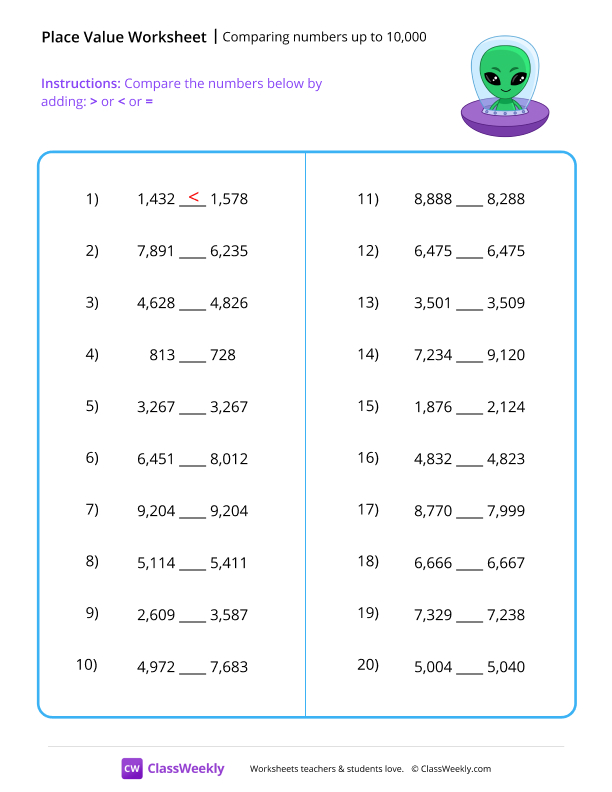
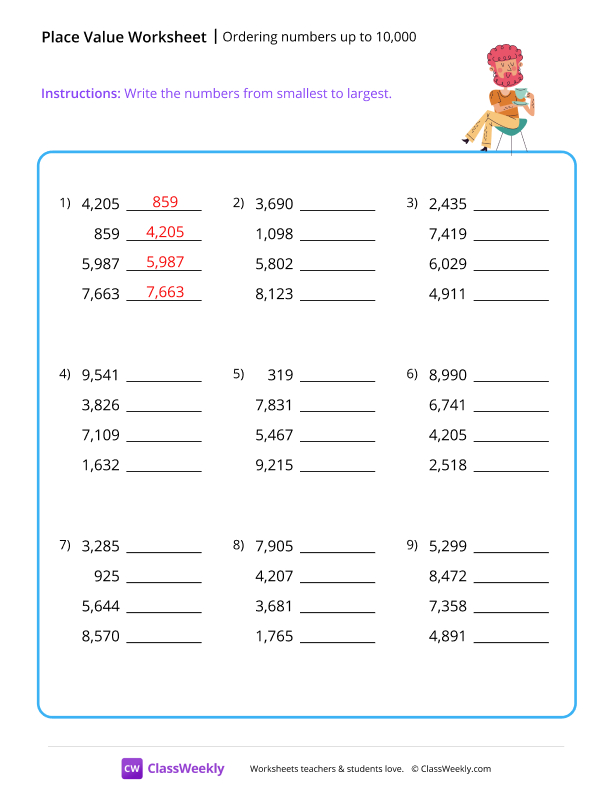
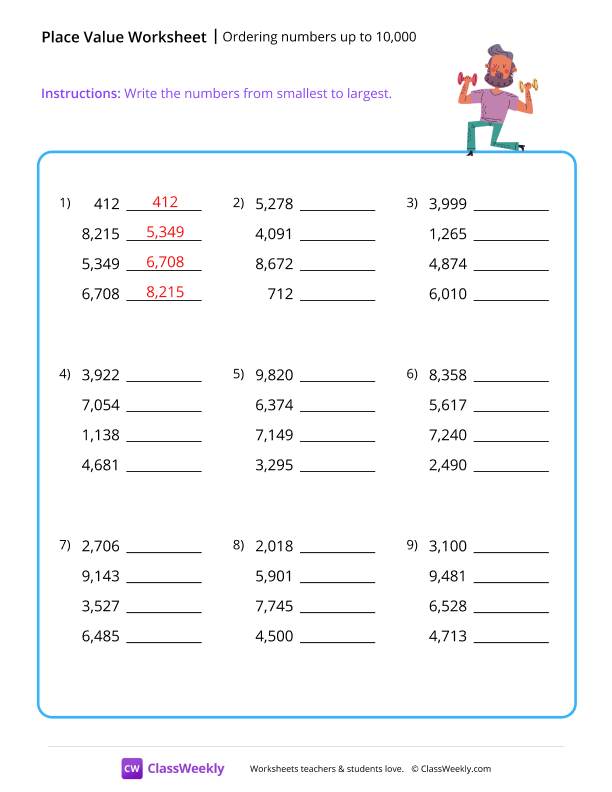
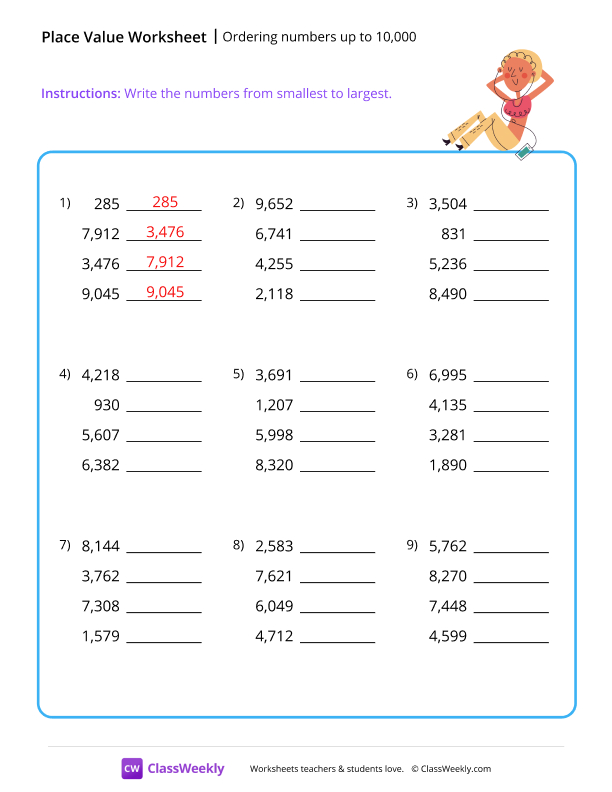
Curriculum-aligned printable worksheets for 4th – 5th Grade. Download free.