What Is Digital Literacy?
Taught in US schools
Key Takeaways
- Digital literacy is the ability to use, evaluate, and create with digital tools and media.
- It includes evaluating whether online sources are reliable, accurate, and appropriate.
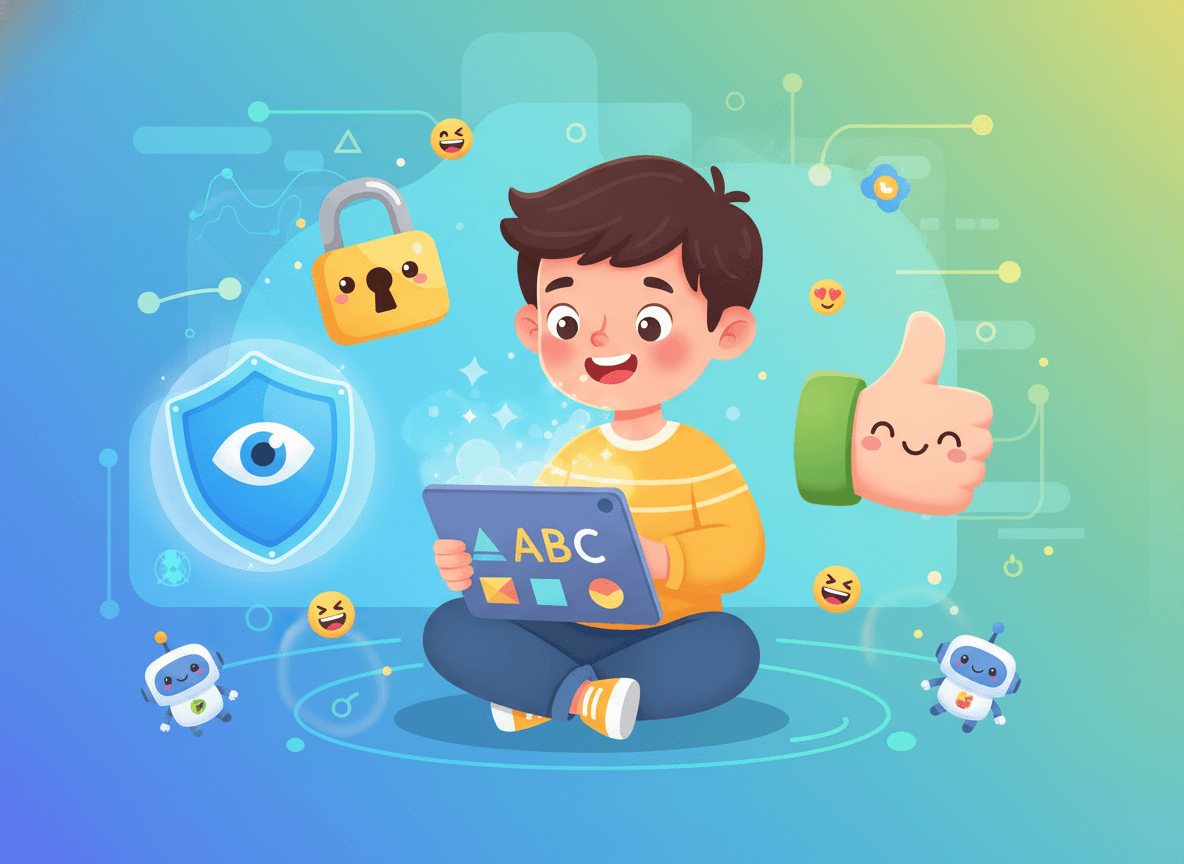
- Digital citizenship - responsible, safe, and ethical use of technology - is part of digital literacy.
- Even young students can learn to ask 'Is this website trustworthy? Who made it and why?'
What Is Digital Literacy?
Digital literacy is the ability to find, evaluate, create, and communicate information using digital technologies. It goes beyond basic computer skills (typing, clicking) to include the critical and creative abilities needed to navigate the modern information environment effectively and responsibly.
In a world where students encounter hundreds of digital messages daily - websites, social media, videos, apps, games - digital literacy is a core life skill.
The Components of Digital Literacy
1. Finding Information Knowing how to search effectively - using specific search terms, using appropriate databases, and knowing where to look for different types of information.
2. Evaluating Information This is perhaps the most critical skill. Students learn to ask:
- Who created this? What is their purpose?
- Is this information current and accurate?
- Does this source have evidence to back up its claims?
- Is this a credible source (government, university, established organization) or an unknown blog?
- Could this be misleading or biased?
A simple framework for evaluation: SIFT - Stop, Investigate the source, Find better coverage, Trace claims.
3. Creating with Digital Tools Using technology to produce written, visual, or multimedia content - presentations, videos, infographics, blog posts, podcasts.
4. Communicating Digitally Knowing how to communicate appropriately through email, shared documents, and online platforms - and understanding that digital communication leaves a permanent record.
5. Digital Citizenship The responsible, ethical, and safe use of technology: protecting personal information, treating others with respect online, understanding copyright, and recognizing cyberbullying.
Teaching Digital Literacy in Elementary School
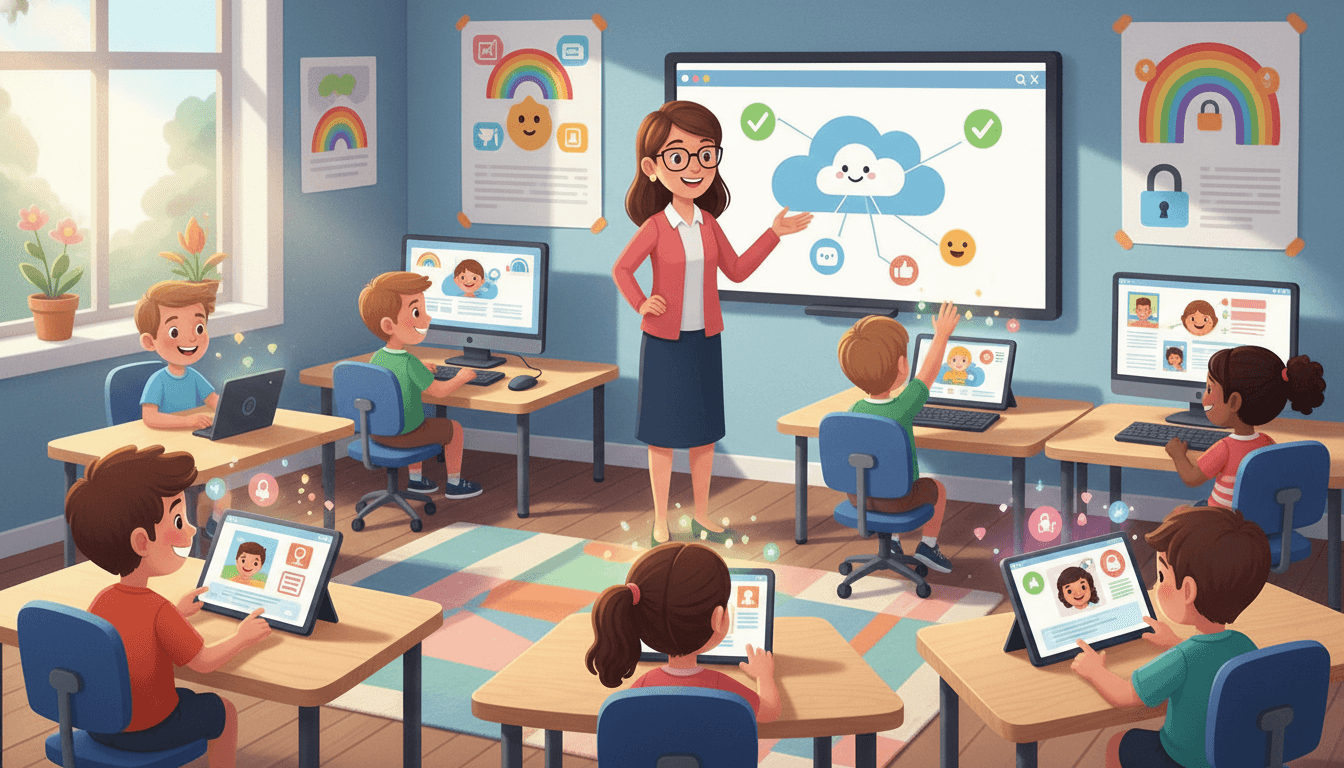
Grades K-2: Focus on basic safe practices - don't share personal information, tell a trusted adult if something online makes you uncomfortable, understand the difference between real and pretend online.
Grades 3-5: Introduce source evaluation, copyright basics, distinguishing between advertisement and content, and responsible communication. Practice "lateral reading" - checking a source by looking at what other sources say about it.
Practice Activities
- Show students two websites about the same topic - one credible, one not - and guide them through evaluating each using a simple checklist.
- Practice "detective research": before using a source, students research the source itself (Who made this? Why?).
- Give students a false "fact" they might encounter online and discuss: how would you know this isn't true? What would you do to check?
- Have students create their own short digital content (a slideshow, a brief video) and discuss: what choices did you make? What could someone misunderstand about your content?
Frequently Asked Questions
What is digital literacy for kids?
Digital literacy for kids means learning to use technology thoughtfully and safely. It includes basic skills like navigating a website or typing, but also higher-level skills like evaluating whether information online is reliable, understanding that not everything on the internet is true, knowing how to protect personal information, and using technology to create and communicate responsibly.
What is the difference between digital literacy and media literacy?
Media literacy is the broader concept - the ability to analyze and evaluate all types of media, including TV, advertising, print, and digital. Digital literacy is a subset focused specifically on digital tools and online environments. The two terms are increasingly used together since most media today is digital.
What digital literacy skills should elementary students learn?
By the end of 5th grade, students should be able to: (1) evaluate whether a website or source is credible, (2) understand that online content can be biased or false, (3) protect their personal information online, (4) cite digital sources in their work, (5) use technology to research, create, and communicate, and (6) understand basic concepts of digital citizenship and online safety.
Free Digital Literacy Worksheets
Curriculum-aligned printable worksheets for Kindergarten – 5th Grade. Download free.