What Is Drama?
Taught in US schools
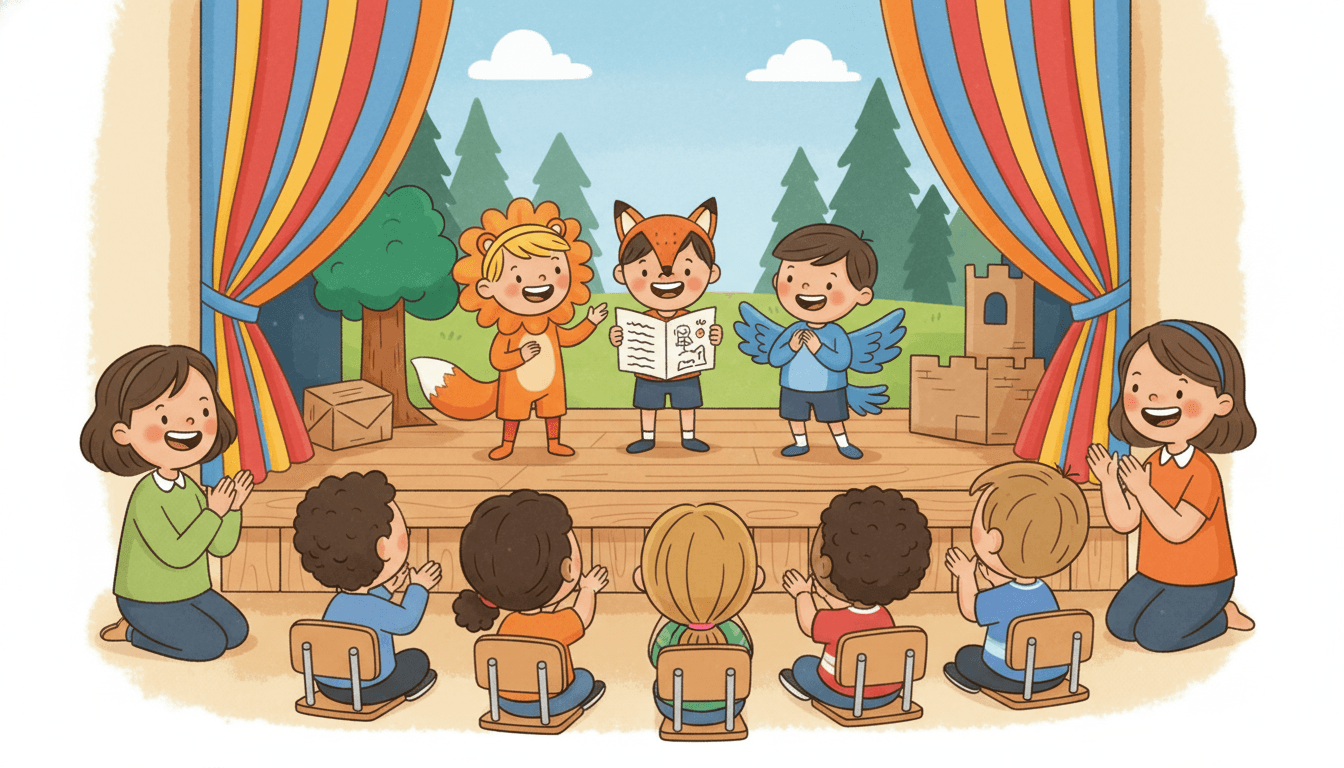
Key Takeaways
- Drama is a genre written to be performed, not just read. The script format replaces the prose storytelling style of fiction.
- Key features of a script include a cast of characters, stage directions, acts and scenes, and dialogue written without quotation marks.
- Readers Theater is a popular classroom form of drama that builds reading fluency and expression without requiring costumes or memorization.
What Is Drama?
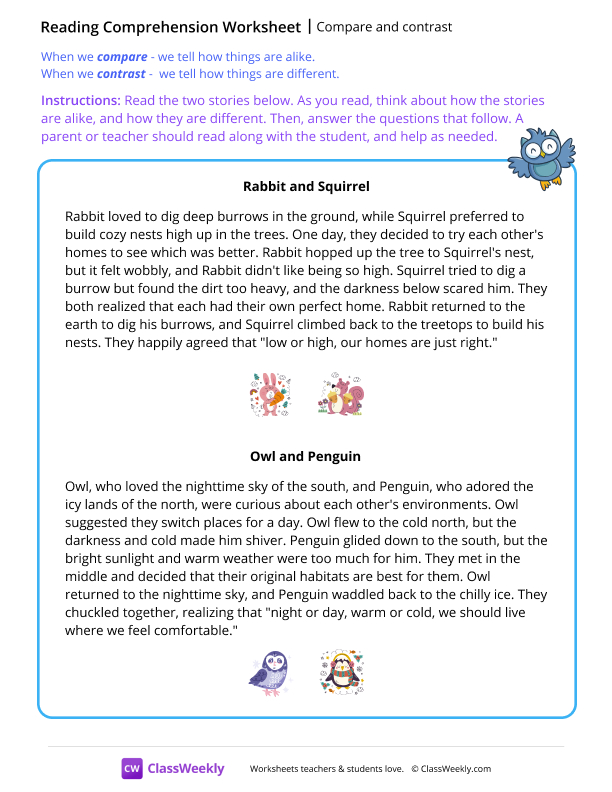
Drama is a literary genre written to be performed - spoken aloud and acted out - rather than silently read. Plays, scripts, and dramatic works tell stories through dialogue (what characters say) and stage directions (instructions for action), rather than through a narrator's descriptions.
When students read drama, they must work harder to infer meaning because there is no narrator to explain what characters are thinking or feeling.
Key Features of a Script
A dramatic script looks very different from a story or a poem:
Cast of Characters: A list at the beginning naming all characters (and sometimes their roles)
Character Name: Printed before each line of dialogue - no quotation marks
Dialogue: The words each character speaks
Stage Directions: Instructions in italics or (parentheses) for movement, tone, or action
Acts and Scenes: Large divisions (acts) and smaller divisions (scenes) of the story
Example of script format:
MAYA enters carrying a heavy backpack. She looks exhausted.
MAYA: I can't believe we have three tests on the same day!
LUCAS: (sighing) I know. Want to study together after school?
Types of Drama for Elementary Students
Play: A full dramatic work with multiple acts/scenes, performed on a stage
Readers Theater: Students read scripts aloud at their desks - no memorization or staging required
Puppet Show: A simple dramatic form performed behind a screen using puppets
Skit: A short, informal dramatic piece, often humorous
Radio Play: A script performed as audio only - students focus on voice expression
Reading a Play vs. Reading a Story
Narrator: Tells the story and describes thoughts - Usually absent or minimal
Dialogue: Uses quotation marks and dialogue tags - Character name precedes speech; no quotes
Setting: Described by the narrator - Described in stage directions or backdrop notes
Character feelings: Stated explicitly ("She felt afraid") - Inferred from dialogue and stage directions
Readers Theater as a Fluency Strategy
Readers Theater is one of the most effective tools in K-5 classrooms. Research shows repeated reading of a script improves:
-
Reading fluency - rate, accuracy, and expression
-
Vocabulary in context
-
Comprehension - students must understand the script deeply to perform it convincingly
Because scripts require students to reread the same lines multiple times, they build confidence especially for struggling readers.
Practice Activities
-
Perform a Readers Theater script in small groups - each student takes one or two roles and reads their lines with expression.
-
Rewrite a familiar fairy tale as a short script, converting prose narration to dialogue and stage directions.
-
Compare a story and its adapted play version - what was added, removed, or changed?
-
Analyze stage directions in a script and discuss what they tell us about character emotion that the dialogue alone does not.
-
Write your own skit about a school event and perform it for the class.
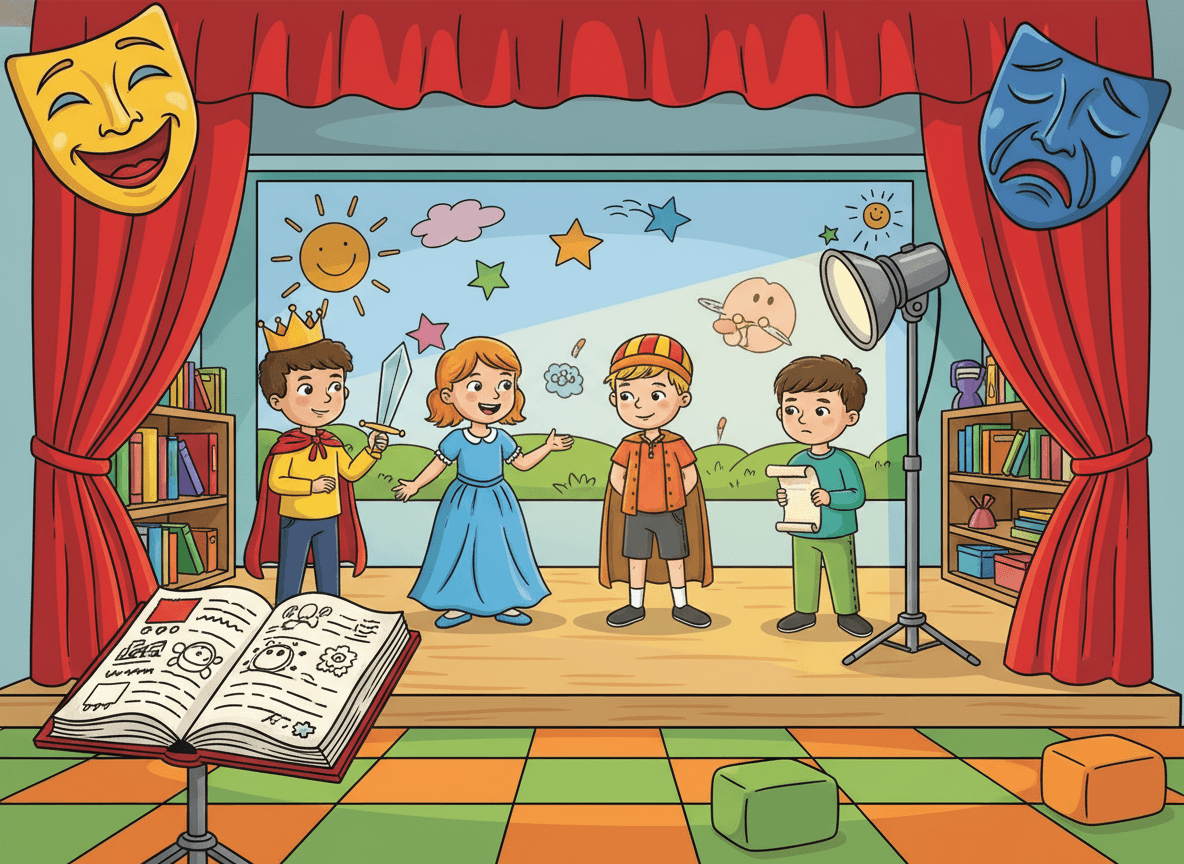
Frequently Asked Questions
How is reading a play different from reading a story?
A story uses a narrator to describe actions, thoughts, and setting in prose. A play relies almost entirely on dialogue and stage directions to convey the same information. Readers must infer a character's feelings from what they say, since there is no narrator explaining their thoughts.
What are stage directions?
Stage directions are notes in a script that tell performers how to move, speak, or interact. They are usually written in italics or placed in parentheses. Example: (Maria enters from stage left, looking nervous).
What is Readers Theater?
Readers Theater is a classroom activity where students read a script aloud without memorization, costumes, or full staging. It builds fluency, expression, and comprehension while making drama accessible to all readers.
Free Drama and Plays Worksheets
Curriculum-aligned printable worksheets for 2nd – 5th Grade. Download free.