What Are Characters in a Story?
Taught in US schools
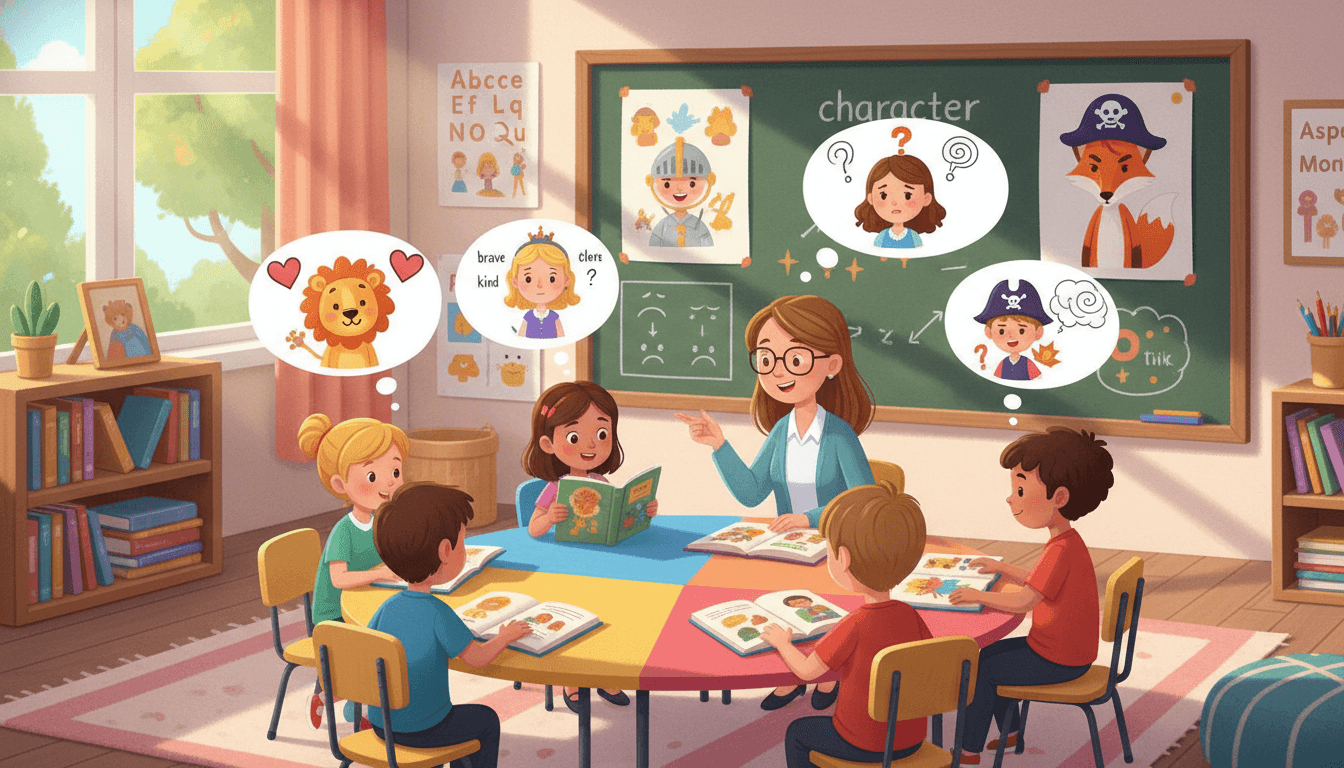
Key Takeaways
- Characters are the people, animals, or beings who take part in the events of a story.
- The main character (protagonist) is central to the story; supporting characters have smaller but important roles.
- Character traits are revealed through actions, dialogue, thoughts, and other characters' reactions.
- Understanding character development - how characters change over time - is a key comprehension skill.
What Are Characters?
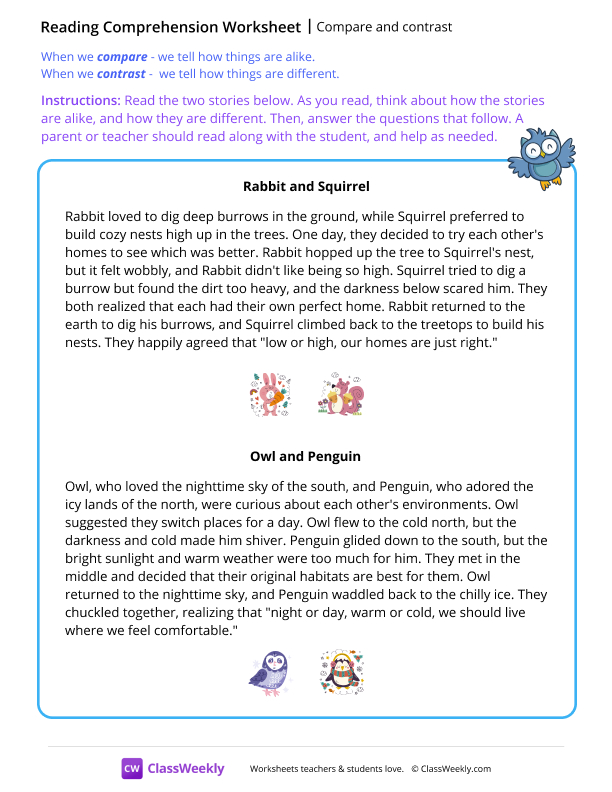
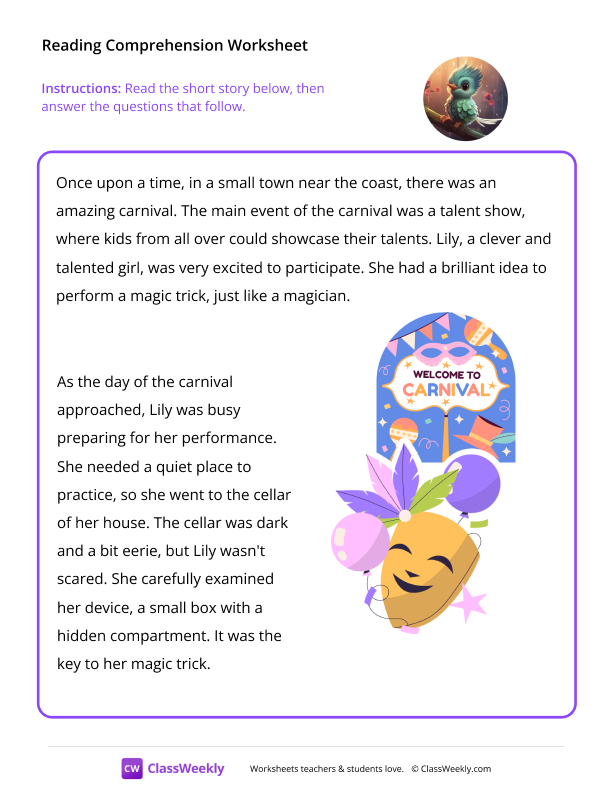
Characters are the beings - people, animals, or imaginary creatures - who take part in the events of a story. They have personalities, goals, problems, and relationships that make stories compelling and relatable.
Characters are one of the five core story elements, and they are often the element readers connect with most deeply. When we finish a great book, we often miss the characters as if they were real people.
Types of Characters
Protagonist: The main character, whose journey or problem the story centers on.
Antagonist: The opposing force - could be another character, nature, or society.
Supporting characters: Secondary characters who help or challenge the protagonist and add depth to the story.
Minor characters: Characters who appear briefly and serve limited functions in the plot.
Understanding Character Traits
A character trait is a quality that describes a character's personality. Students learn to:
- Observe what the character says, does, and thinks.
- Note how other characters react to them.
- Choose precise trait words (not just "nice" but "generous," "compassionate," "loyal").
Text evidence is essential: "I think Charlotte is wise because she says, 'You have been my friend. That in itself is a tremendous thing.'"
Character Change and Development
Static characters stay essentially the same throughout the story.
Dynamic characters change in meaningful ways - learning, growing, or deteriorating.
Tracking character development: How is the character at the beginning? What events challenge them? How are they different at the end? What caused the change?
What Grade Do Kids Learn About Characters?
1st grade (RL.1.3): Students describe characters using key details from the text.
2nd–3rd grade (RL.2.3, RL.3.3): Students describe characters' traits, motivations, and feelings; explain how characters respond to challenges.
4th–5th grade (RL.4.3, RL.5.3): Students analyze character change, compare characters within or across texts, and use precise text evidence to support inferences about characters.
Common Misconceptions
Characters are always people: Animals, robots, and even objects can be characters if they have personalities and participate in the story's events.
Character traits are just adjectives: Students sometimes list physical descriptions (tall, blond) as character traits. Clarify that traits describe personality and behavior, not appearance.
The main character is always the narrator: The narrator tells the story but may not be the same as the protagonist. In some stories, the narrator observes a different character's journey.
Practice Activities
-
Character trait T-chart: Trait in left column, text evidence in right column.
-
Character change timeline: Plot the protagonist's key decisions and changes across the story arc.
-
Character interview: Students write questions and answers as if interviewing a story character.
-
Compare two characters: Use a Venn diagram to compare the protagonist and antagonist.
-
Casting call: Students argue for which actor should play a character, citing traits from the text.
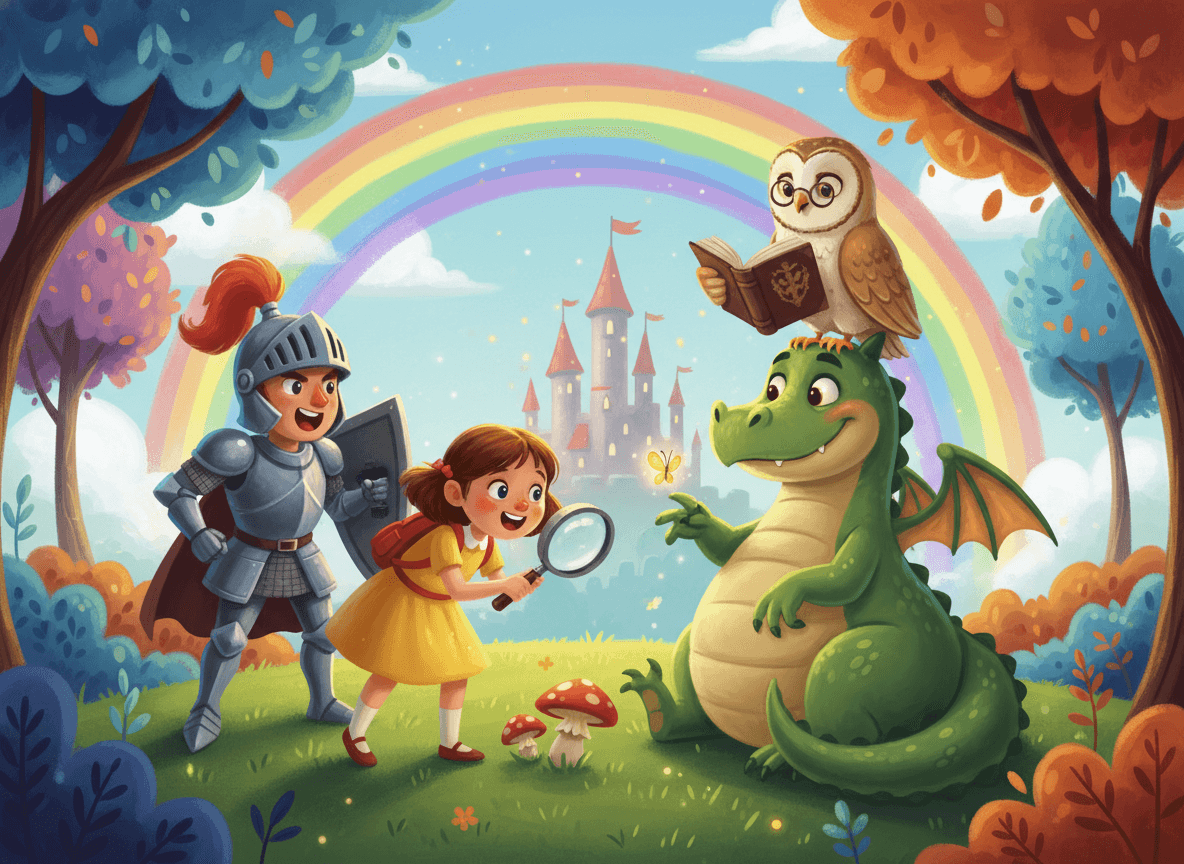
Frequently Asked Questions
What are characters in a story?
Characters are the individuals - people, animals, or imagined beings - who participate in a story's events. Characters have personalities, motivations, feelings, and relationships with each other. Their decisions and actions drive the plot forward. The most important character is usually called the protagonist or main character.
What is a protagonist and an antagonist?
The protagonist is the main character - the one whose journey or problem is at the center of the story. The antagonist is the force that opposes the protagonist. The antagonist can be another character (a villain), a natural force, or even the protagonist's own internal conflict. Not every story has a clear antagonist.
What are character traits?
Character traits are the qualities that describe a character's personality - brave, selfish, curious, loyal, impatient. In early grades, students identify character traits from a list. In upper elementary, they support their trait claims with evidence from the text: actions, dialogue, thoughts, and how other characters respond to them.
What is character development?
Character development refers to how a character changes over the course of a story - growing, learning, or transforming as a result of events and experiences. In most narratives, the protagonist changes in some meaningful way by the end. Tracking these changes requires students to compare the character's behavior at the beginning, middle, and end of the story.
How is character revealed in literature?
Authors reveal character through five methods (sometimes called STEAL): Speech (what the character says), Thoughts (what the character thinks), Effect on others (how others react), Actions (what the character does), and Looks (physical description). Skilled readers analyze all five types of evidence to build a full picture of a character.
Free Characters Worksheets
Curriculum-aligned printable worksheets for 1st – 5th Grade. Download free.