What Is Theme in Literature?
Taught in US schools
Key Takeaways
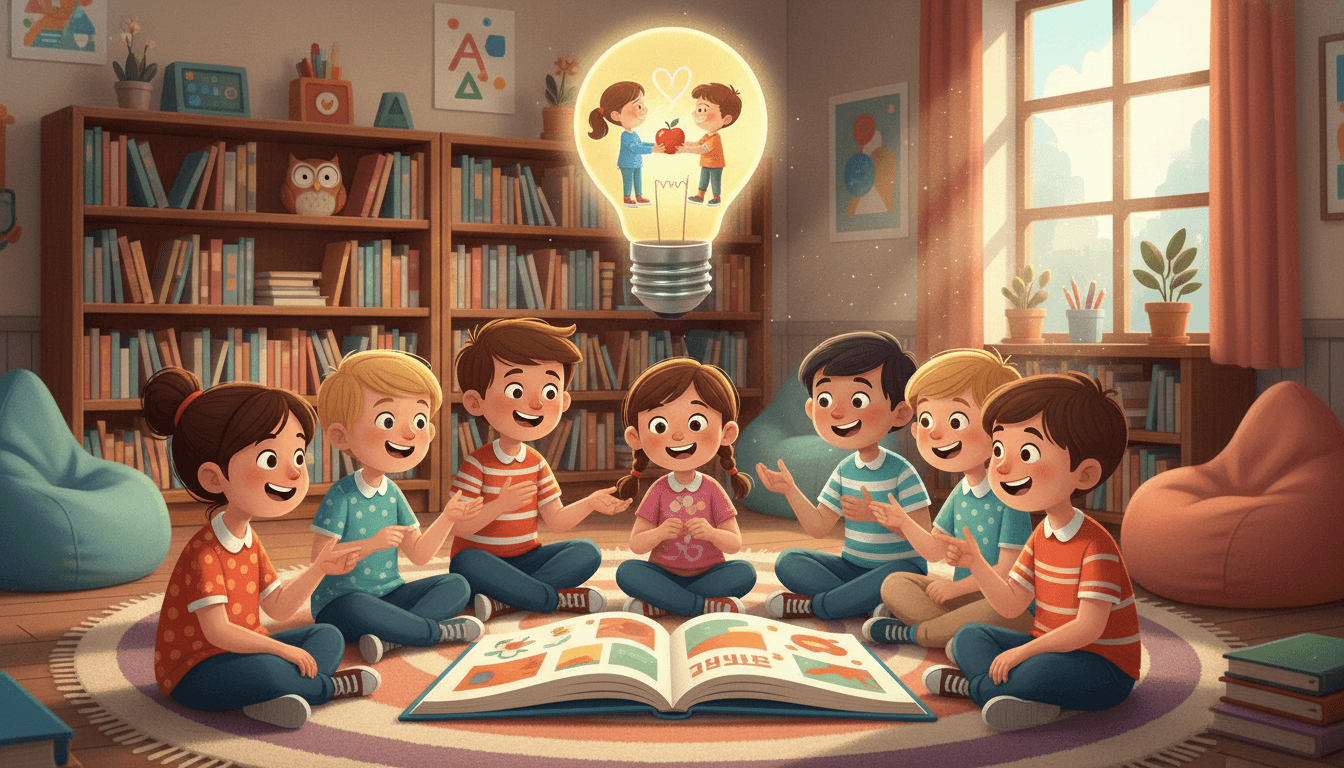
- Theme is the central message or life lesson of a story, not the topic or plot summary.
- Theme is usually a universal statement about life: friendship, courage, perseverance, honesty.
- Students must infer theme using evidence from character actions, plot events, and the story's ending.
- One story can have multiple themes; students support each theme with specific text evidence.
What Is Theme?
Theme is the central message or life lesson that a story communicates. It is the deeper meaning beneath the plot - what the story is really about beyond the surface events.
Theme is not the same as the topic (what the story is about) or the plot (what happens). Theme answers the question: What is the author saying about life, people, or the human experience?
Themes are usually universal - they speak to experiences and ideas that transcend any particular story. Common themes include:
- Perseverance leads to success
- True friendship requires sacrifice
- Courage means acting despite fear
- Honesty matters even when it is difficult
- Change is a natural part of life
How to Find the Theme
Theme is rarely stated directly - students must infer it. Useful strategies:
- Ask: What does the main character learn? The lesson the protagonist takes from the story often points to the theme.
- Look at the ending: How things resolve usually carries the author's message.
- Notice what keeps repeating: Events, dialogue, or images the author returns to are often thematically significant.
- Use the formula: Theme is a complete sentence - not just "friendship" but "True friendship endures hardship."
What Grade Do Kids Learn Theme?
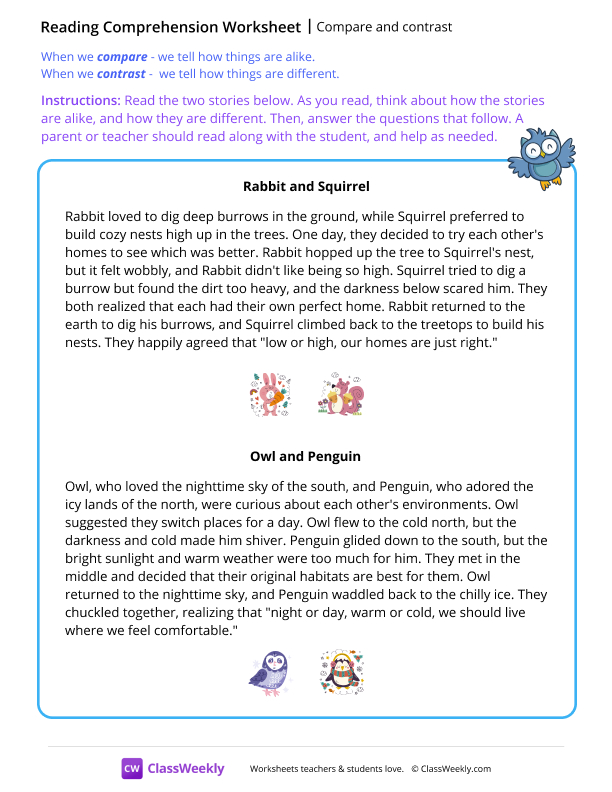
3rd grade (RL.3.2): Students determine the central message, lesson, or moral and explain how it is conveyed through key details.
4th grade (RL.4.2): Students determine the theme from details in the text; summarize without personal opinions.
5th grade (RL.5.2): Students determine theme(s) and explain how they are developed through story details, comparing themes across texts.
Common Misconceptions
Theme is a single word: Students write "friendship" instead of a complete idea. Push toward full statements: "Friendship can grow between unlikely people."
Theme is the same as the plot summary: Some students retell the story instead of identifying the message. Theme is what the story means, not what happens.
Every story has one theme: Strong literature has multiple themes. Encourage students to identify more than one and provide different evidence for each.
Practice Activities
-
Theme statement frame: "The theme of [title] is that ___. I know because ___."
-
Evidence web: In the center, write a theme; around it, record 3–4 pieces of text evidence.
-
Theme sort: Give theme statements and story titles - students match them and explain.
-
Compare themes: Read two books with similar themes (e.g., courage in two different stories) and compare how each develops the theme differently.
-
Theme journal: After finishing a book, students write a paragraph explaining the theme and connecting it to their own life.
Frequently Asked Questions
What is theme in literature?
Theme is the central message, lesson, or insight that a story communicates about life and human nature. Unlike the topic (what the story is about on the surface), the theme is the deeper idea the author wants readers to consider. Themes are usually universal - they apply beyond the specific story to everyday human experience.
How is theme different from topic?
Topic is the surface subject - Charlotte's Web is about a spider and a pig. Theme is the deeper message - Charlotte's Web explores themes of friendship, sacrifice, and the cycle of life. A helpful formula: Topic is a noun (friendship); theme is a statement about that noun (True friendship means sacrificing for others).
How do students find the theme of a story?
Students look for patterns in: what the main character learns or realizes, how the story ends and what message that sends, what characters do repeatedly (actions reveal values), what the author seems to be saying about life. A key question: 'What lesson could someone reading this story take into their own life?'
Can a story have more than one theme?
Yes. Complex stories often have multiple themes. Charlotte's Web carries themes of friendship, mortality, and the power of language. Students in 4th and 5th grade are expected to identify more than one theme and support each with different evidence from the text.
Is theme the same as the moral of a story?
They are related but not identical. A moral is a specific lesson stated explicitly in fables: 'The boy who cried wolf' ends with 'Don't lie.' Theme is broader and usually not stated directly - readers must infer it from the whole story. Fables have morals; literary fiction has themes. Both express what the story means beyond its events.
Free Theme Worksheets
Curriculum-aligned printable worksheets for 3rd – 5th Grade. Download free.