What Is Plot in a Story?
Taught in US schools
Key Takeaways
- Plot is the sequence of events that make up a story, organized around a central conflict.
- The five stages of plot are: exposition, rising action, climax, falling action, and resolution.
- The climax is the turning point - the moment of highest tension or most important event.
- Understanding plot structure helps students comprehend stories and write more organized narratives.
What Is Plot?
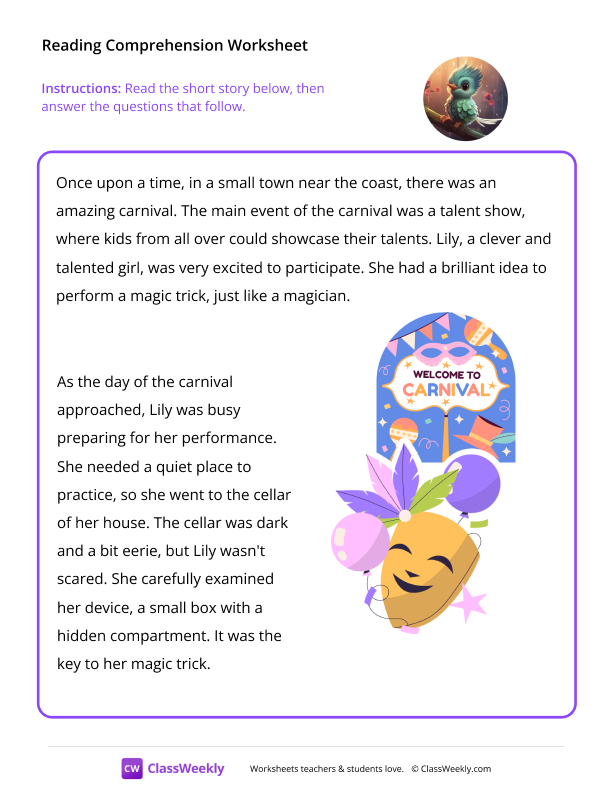
Plot is the sequence of events that make up a story. It is more than just "what happens" - plot is deliberately organized around a conflict (a problem) that builds, reaches a turning point, and then resolves.
Understanding plot structure helps students comprehend what they read, predict where stories are going, and organize their own writing with intention.
The Plot Diagram (Story Arc)
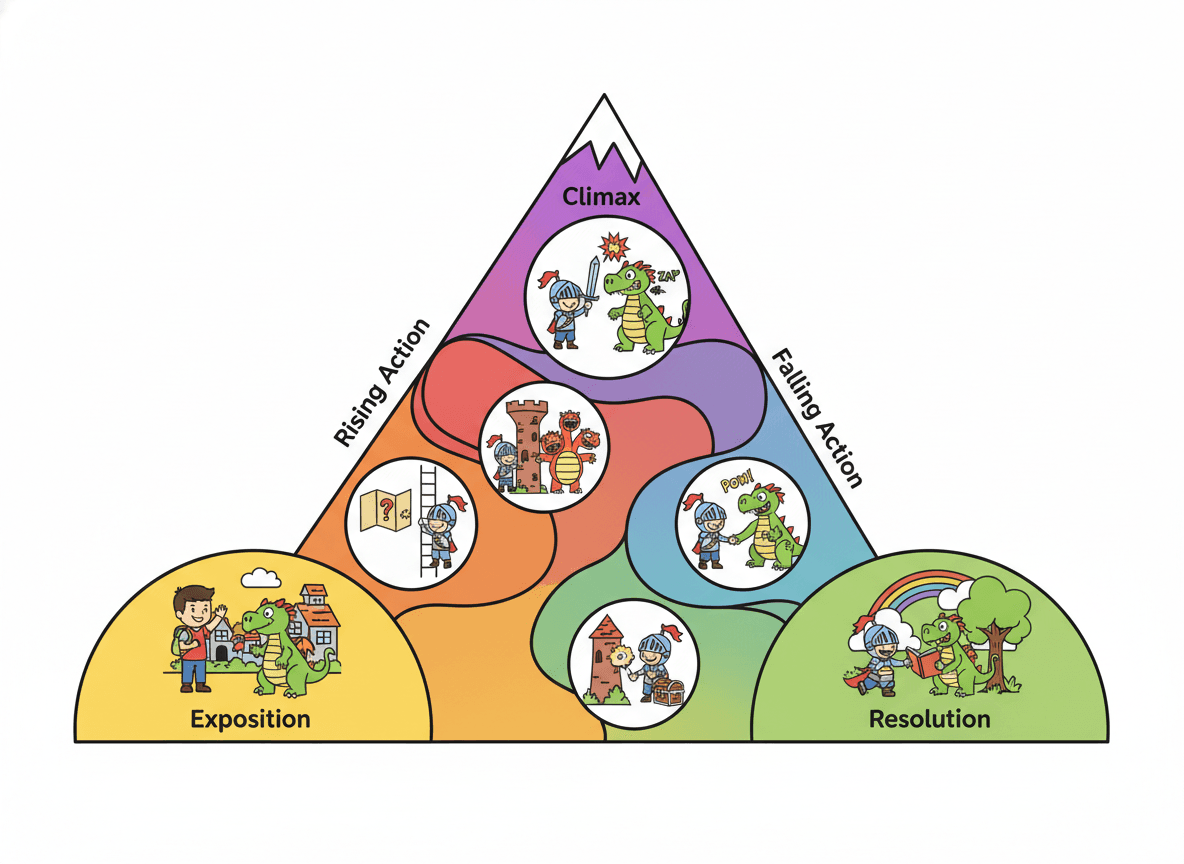
Plot is often visualized as a mountain:
1. Exposition (Beginning) Introduces the characters, setting, and initial situation. Sets up the conflict.
2. Rising Action A series of events that develop the conflict and build tension. Things get more complicated.
3. Climax (Peak) The turning point - the moment of highest tension where the main conflict must be faced.
4. Falling Action Events that follow the climax and begin moving toward resolution. Tension decreases.
5. Resolution (Ending) The conflict is resolved and the story comes to a close. Loose ends are tied up.
Plot and Conflict
Every plot needs a conflict - a problem or challenge the main character must face. Common types:
- Character vs. character (two people in opposition)
- Character vs. nature (against storms, wilderness)
- Character vs. self (internal struggle, decision)
- Character vs. society (fighting against rules or systems)
What Grade Do Kids Learn Plot?
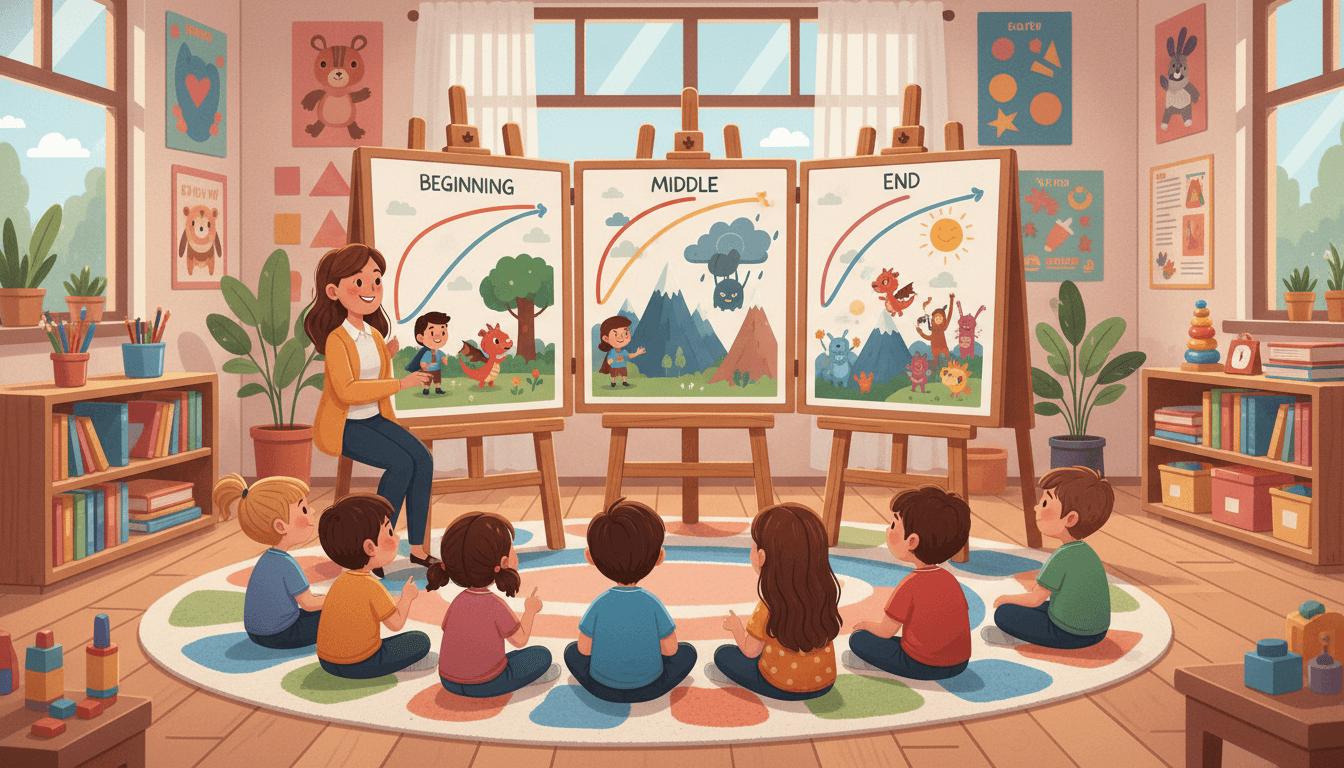
2nd grade (RL.2.5): Students describe the overall structure of a story using beginning, middle, and end.
3rd grade (RL.3.5): Students use terms such as chapter, scene, and stanza to describe how each part of a story contributes to the whole.
4th–5th grade (RL.4.5, RL.5.5): Students explain structural elements (rising action, climax, resolution) and compare/contrast structures in different texts.
Common Misconceptions
The climax is always the most exciting action scene: The climax is the turning point, not necessarily the most action-packed scene. It is the moment where the outcome of the conflict becomes clear.
Plot and summary are the same: A summary retells events in order. Plot analysis goes further - examining how events connect, what causes tension, and how the structure shapes meaning.
Every story has the same plot structure: While the five-stage model is common, many stories (especially short stories and picture books) compress stages or blend them.
Practice Activities
-
Plot mountain graphic organizer: Students map events from a just-read story onto the five-stage mountain diagram.
-
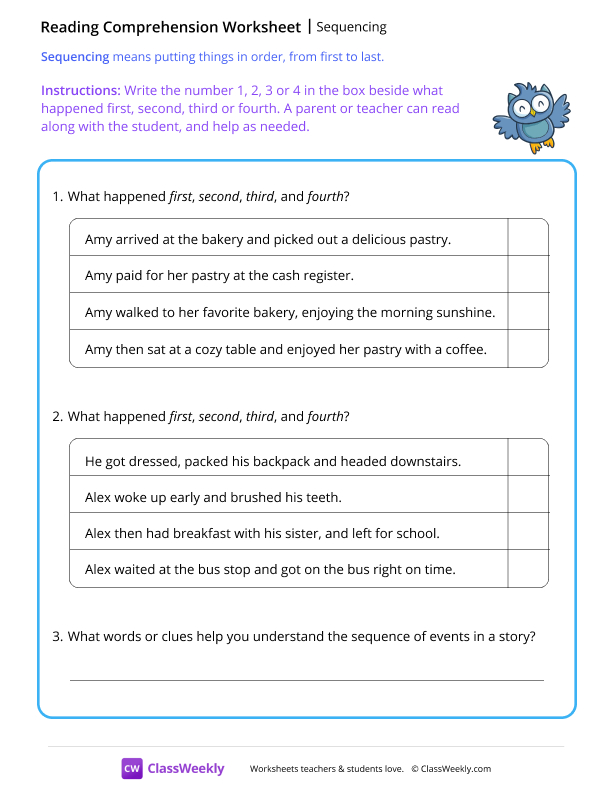
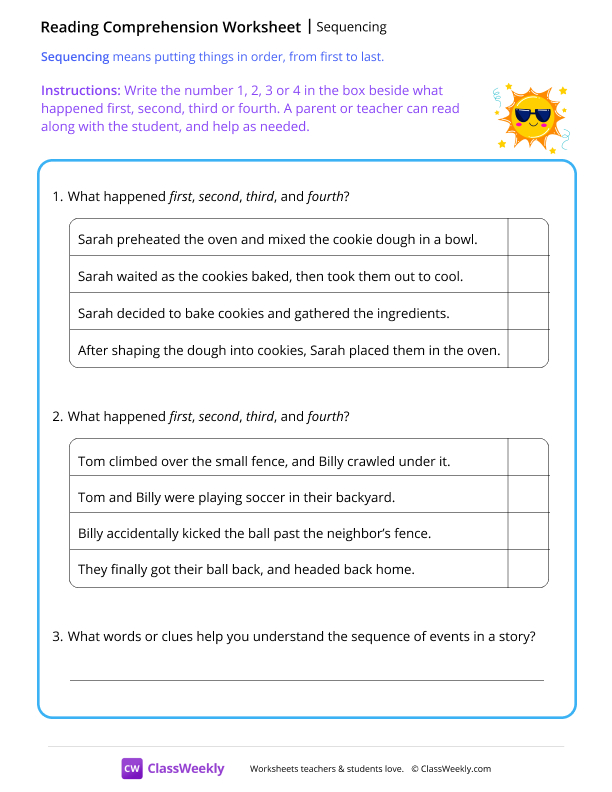
Event sequencing cards: Cut apart story events and have students arrange them in plot order.
-
Climax spotlight: Read aloud to the climax, then predict multiple possible resolutions.
-
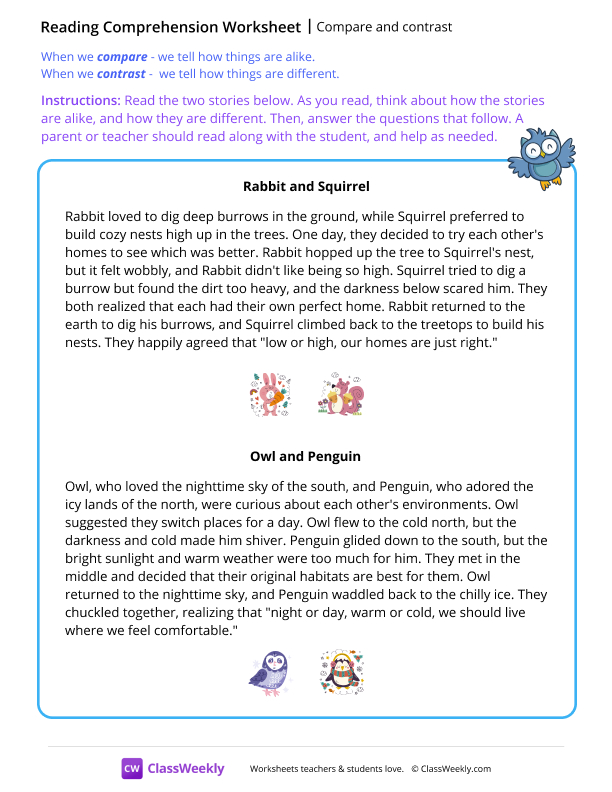
Compare plots: Read two versions of the same fairy tale and compare how their plots differ.
-
Story spine: Students use the frame "Once upon a time... Then one day... Because of that... Until finally..." to scaffold original story plots.
Frequently Asked Questions
What is plot in literature?
Plot is the structured sequence of events in a story. It follows a pattern called the plot diagram or story arc: the story begins with an introduction (exposition), builds tension through rising action, reaches a peak moment (climax), winds down through falling action, and concludes with a resolution. Plot answers the question 'what happens?'
What are the five stages of plot?
The five stages are: (1) Exposition - introduces the characters, setting, and conflict. (2) Rising Action - events that build tension and complicate the conflict. (3) Climax - the turning point of the story, where tension is at its highest. (4) Falling Action - events that follow the climax and begin to resolve the conflict. (5) Resolution - how the story ends and the conflict is resolved.
What is the climax of a story?
The climax is the most exciting or important moment in a story - the turning point where the central conflict reaches its peak. In Charlotte's Web, the climax is when Wilbur wins the fair ribbon and is saved from slaughter. After the climax, tension decreases and the story moves toward its resolution.
How is plot different from theme?
Plot is what happens in the story (the sequence of events). Theme is the underlying message or lesson the story communicates. The plot of Charlotte's Web involves a spider helping a pig survive. The theme is about friendship and sacrifice. Both are important, but they answer different questions about the story.
How do you teach plot to elementary students?
Introduce plot using graphic organizers like a plot diagram (mountain shape) or story map. Have students identify beginning, middle, and end before moving to the five-stage model. Retelling activities, sequencing cards, and comparing two stories' plot structures all deepen understanding. Starting with well-known fairy tales makes the structure concrete.
Free Plot Worksheets
Curriculum-aligned printable worksheets for 2nd – 5th Grade. Download free.