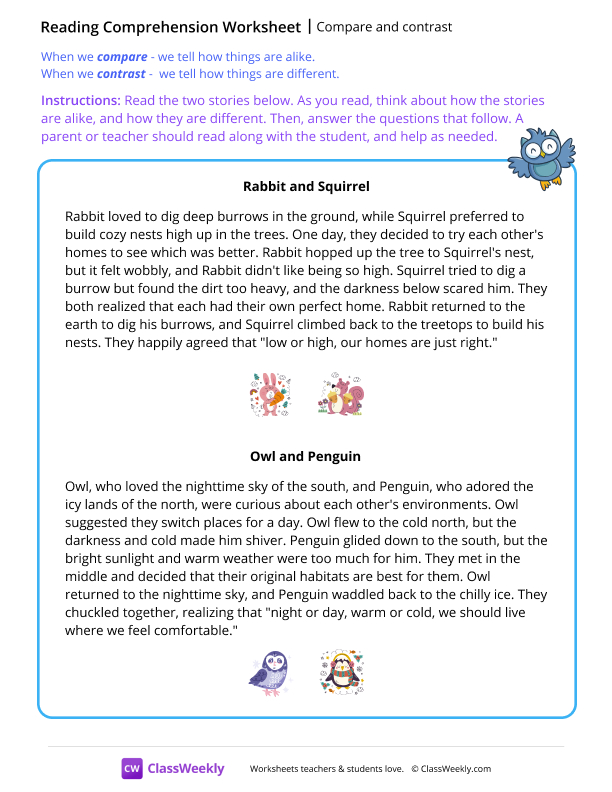
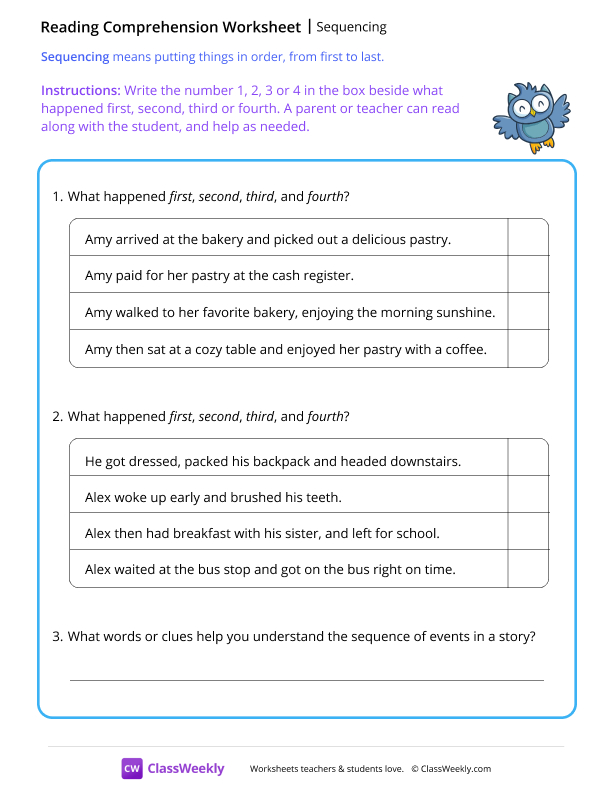
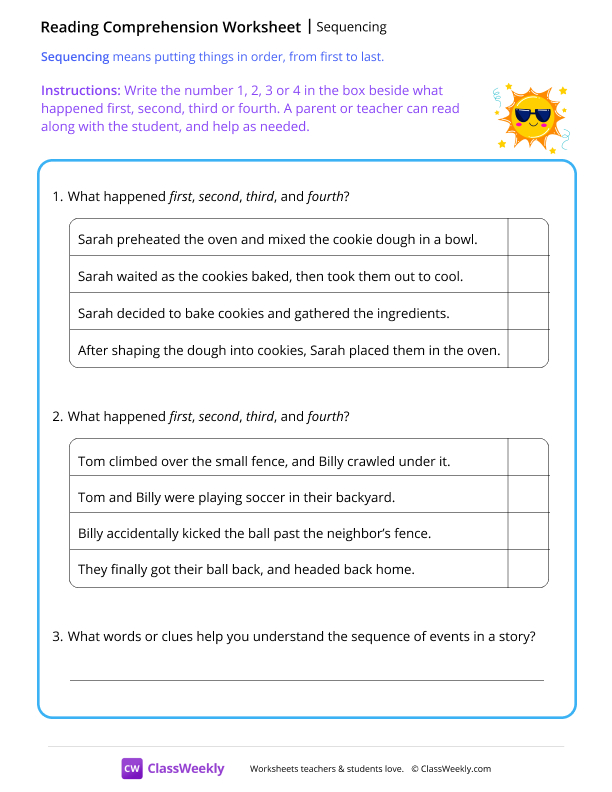
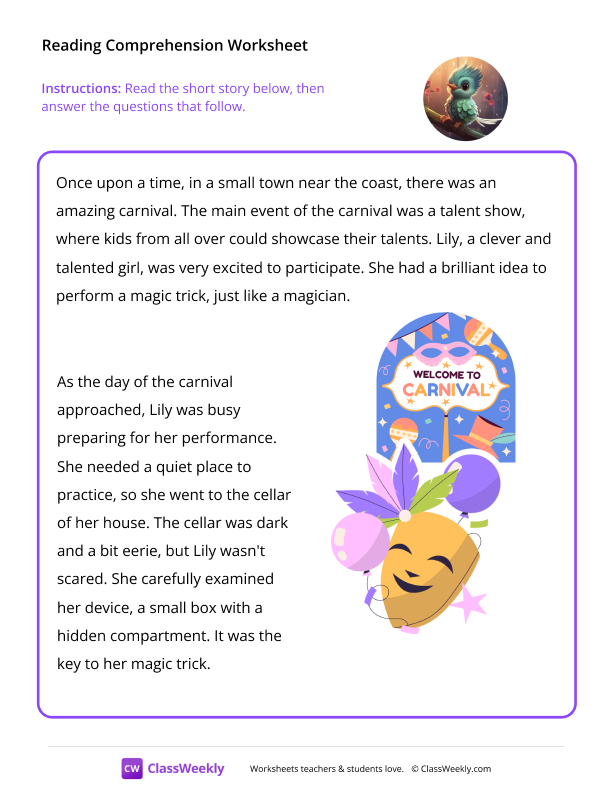
What Is Retelling?
Taught in US schools
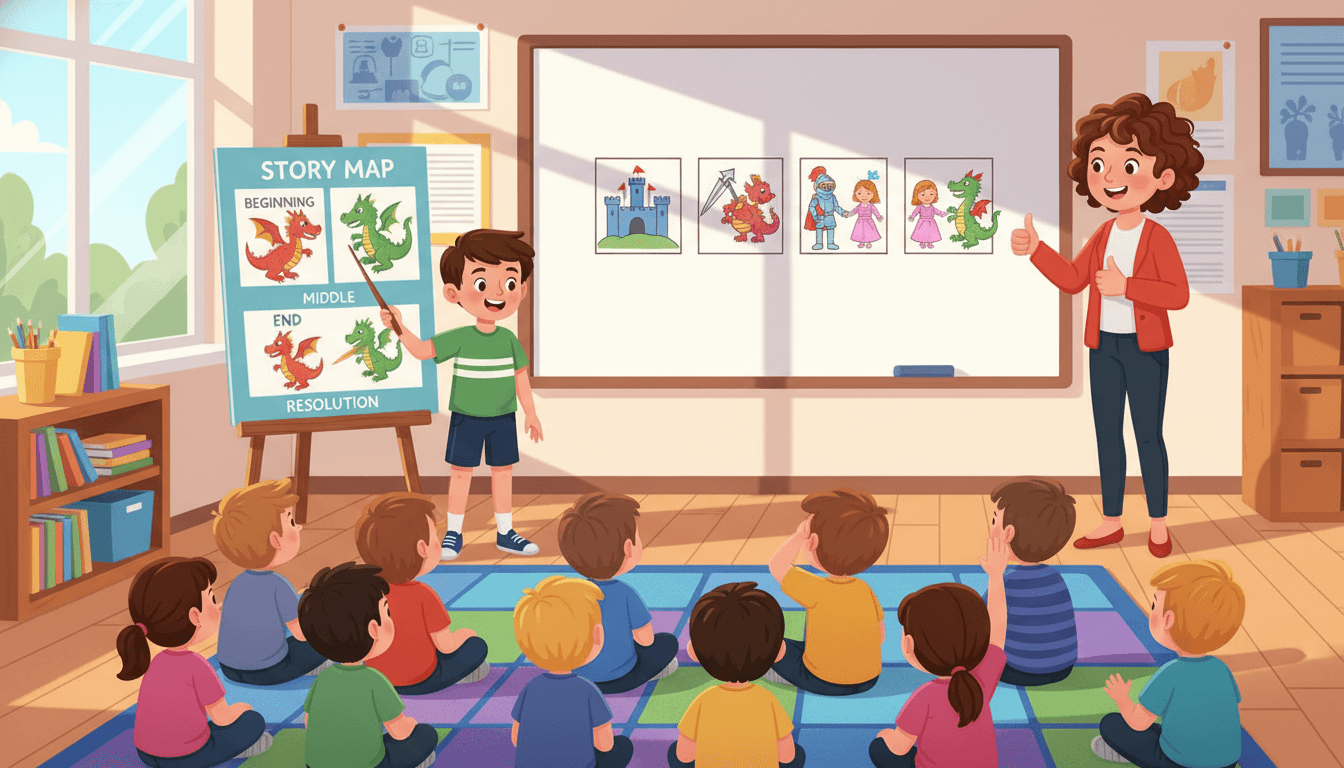
Key Takeaways
- Retelling means recounting a story in order - who, what happened, and how it ended.
- A complete retelling includes the main character, setting, key events, problem, and solution.
- Retelling is the K-2 foundation for the more advanced skill of summarizing.
- Students can retell through oral language, drawings, writing, drama, or sequencing cards.
What Is Retelling?
Retelling is when a reader recounts the events of a story - in order, in their own words, covering the most important moments. It is one of the first comprehension skills introduced in elementary school and is the foundation for the more advanced skill of summarizing.
A good retelling shows that a student understood the basic who, what, where, when, why, and how of a story.
What a Complete Retelling Includes
Students often use these questions as a scaffold:
- Who is the story about? (Main character)
- Where and when does it take place? (Setting)
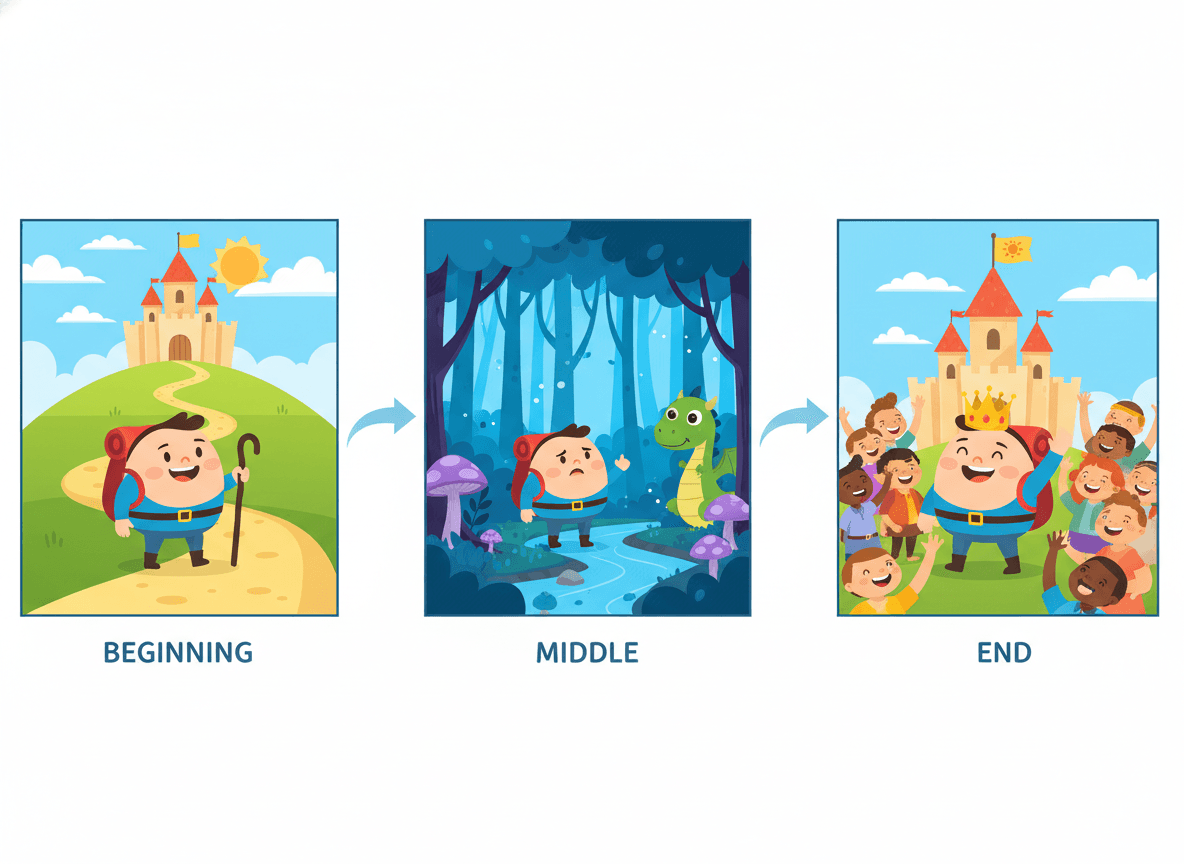
- What happened first? (Beginning)
- What was the problem? (Conflict)
- What happened in the middle? (Key events)
- How did it end? (Resolution)
A mnemonic many teachers use: B-M-E (Beginning, Middle, End) for early retelling; Story Elements for more complete retellings.
Retelling Sentence Starters
Giving students language frames scaffolds their retellings and teaches story sequencing vocabulary:
- "This story is about..."
- "First, ___. Then, ___. Next, ___. Finally, ___."
- "The problem in this story was ___ because..."
- "At the end, ___ happened and the problem was solved when..."
What Grade Do Kids Learn Retelling?
Kindergarten (RL.K.2): Students retell familiar stories (including key details) with prompting and support.
1st grade (RL.1.2): Students retell stories including key details and demonstrate understanding of the central message.
2nd grade (RL.2.2): Students recount stories including the main story elements and determine the central message, lesson, or moral.
3rd grade and beyond: Retelling evolves into summarizing, which requires greater selectivity about what details to include.
Common Misconceptions
More detail = better retelling: An overly detailed retelling misses the point. The goal is to retell key events, not every sentence. Scaffold students to distinguish main events from minor ones.
Retelling is just sequencing: Retelling is more than putting events in order - it also shows understanding of characters, problems, and resolution. A full retelling demonstrates comprehension of the whole story.
Retelling is only oral: Students can retell through drawing, writing, sequencing pictures, acting it out, or using story props like puppets. Multiple modalities support different learners.
Practice Activities
-
Retelling gloves: Write Beginning, Middle, End, Characters, and Setting on the fingers of a glove; students "wear" the story while retelling.
-
Sequencing pictures: Cut apart illustrations from a familiar story; students arrange them in order and retell.
-
Story map completion: Fill in a graphic organizer with all story elements after reading.
-
Partner retelling: Students take turns - one retells while the other checks with the book for accuracy.
-
Retelling to a stuffed animal: K-1 students retell independently to a classroom stuffed animal or puppet, building confidence before sharing with peers.
Frequently Asked Questions
What is retelling in reading?
Retelling means recounting a story in your own words after reading or listening to it. A complete retelling includes the main characters, the setting, the key events in order, the problem, and how the story ended. Retelling shows teachers whether a student understood the basic meaning of what they read and remembered the sequence of events.
How is retelling different from summarizing?
Retelling includes more detail - it follows the story closely and recounts events in sequence. Summarizing condenses the text to its most essential points only. Retelling is introduced in kindergarten because it matches the natural way young children talk about stories ('First... then... and then... and at the end...'). Summarizing requires the additional skill of discarding minor details.
What should a good retelling include?
A strong retelling includes: (1) The main character(s) and their traits. (2) The setting (where and when). (3) The problem or conflict. (4) Key events in the correct order. (5) The solution or resolution. Students can use the prompt 'Who? Where? When? What problem? What happened? How did it end?' to guide their retelling.
How do teachers assess retelling?
Teachers often use a retelling rubric that scores students on: completeness (did they include all major story elements?), accuracy (is the sequence correct?), detail (did they include important but not minor details?), and language (did they use their own words?). Oral retellings are often recorded or done during reading conferences. Some teachers use story props or sequencing pictures to support the retelling.
Can students retell nonfiction?
Yes, though nonfiction retelling focuses on facts and key information rather than story events. Students tell: What is this text about? What are the most important things it taught us? This is a beginning form of nonfiction summarizing. The same prompts and scaffolds apply, but the content differs from fiction retelling.
Free Retelling Worksheets
Curriculum-aligned printable worksheets for Kindergarten – 2nd Grade. Download free.