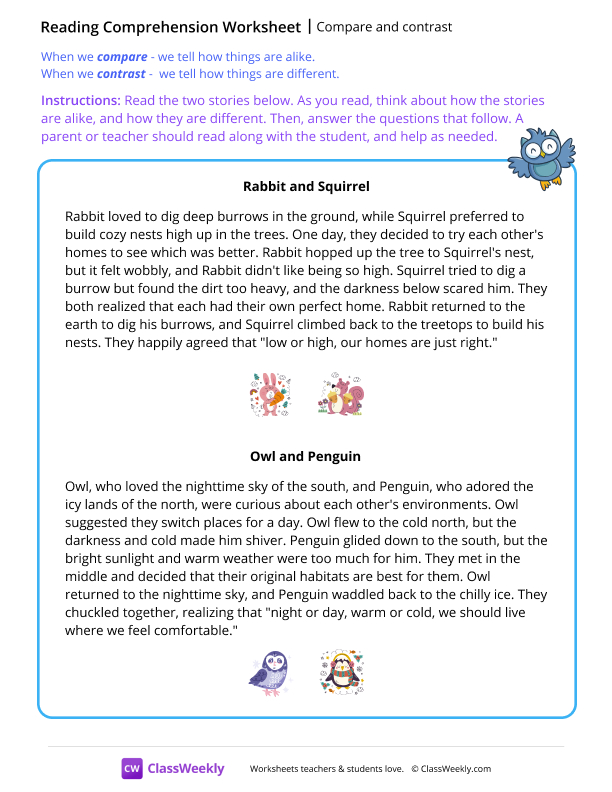
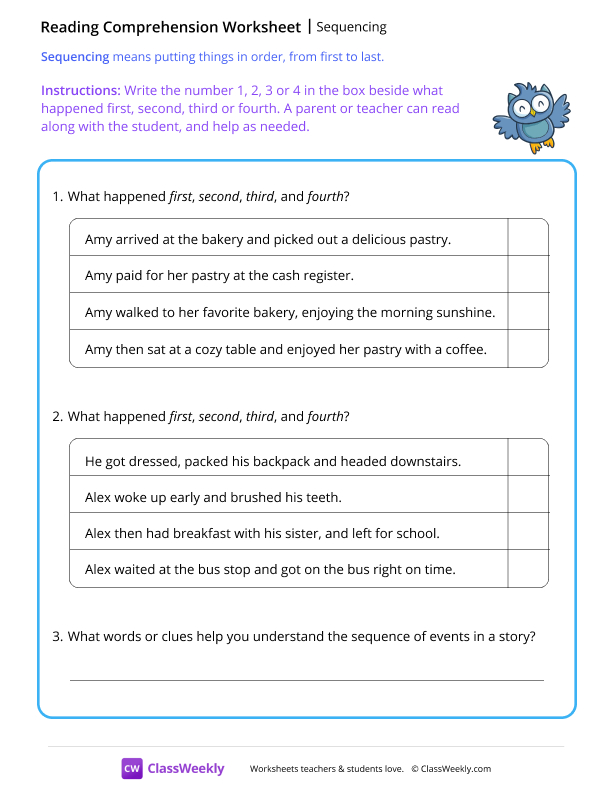
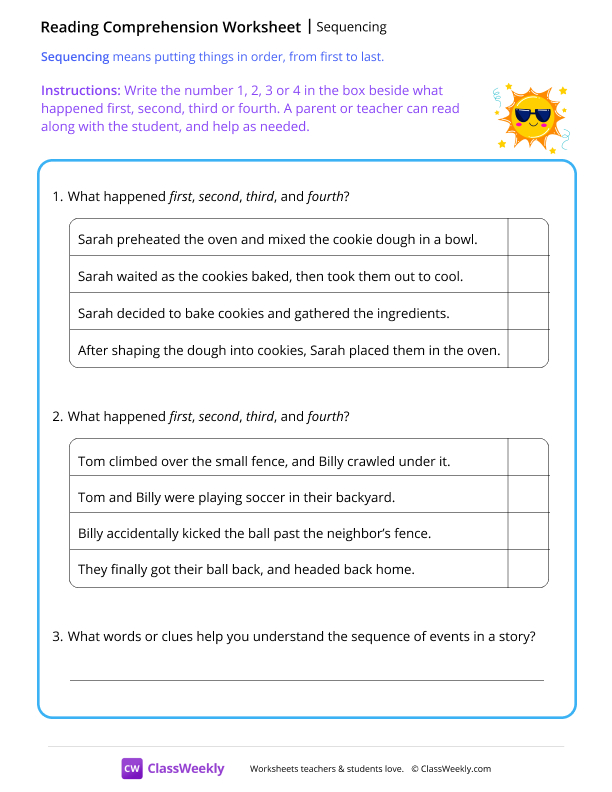
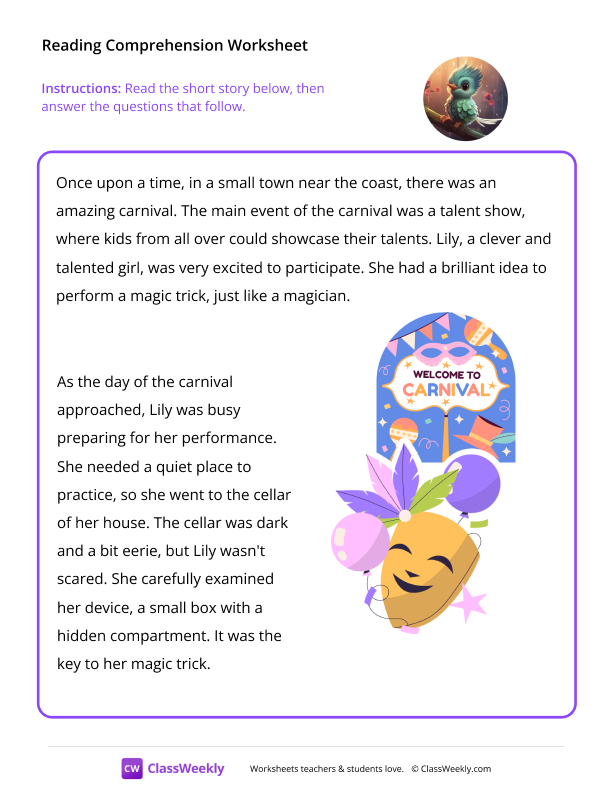
What Is Summarizing?
Taught in US schools
Key Takeaways
- A summary includes only the most important ideas or events - minor details are left out.
- Summaries are written in the reader's own words, not copied from the text.
- Summaries are objective - they don't include the reader's opinions or reactions.
- Summarizing both fiction and nonfiction are distinct skills with different structures.
What Is Summarizing?
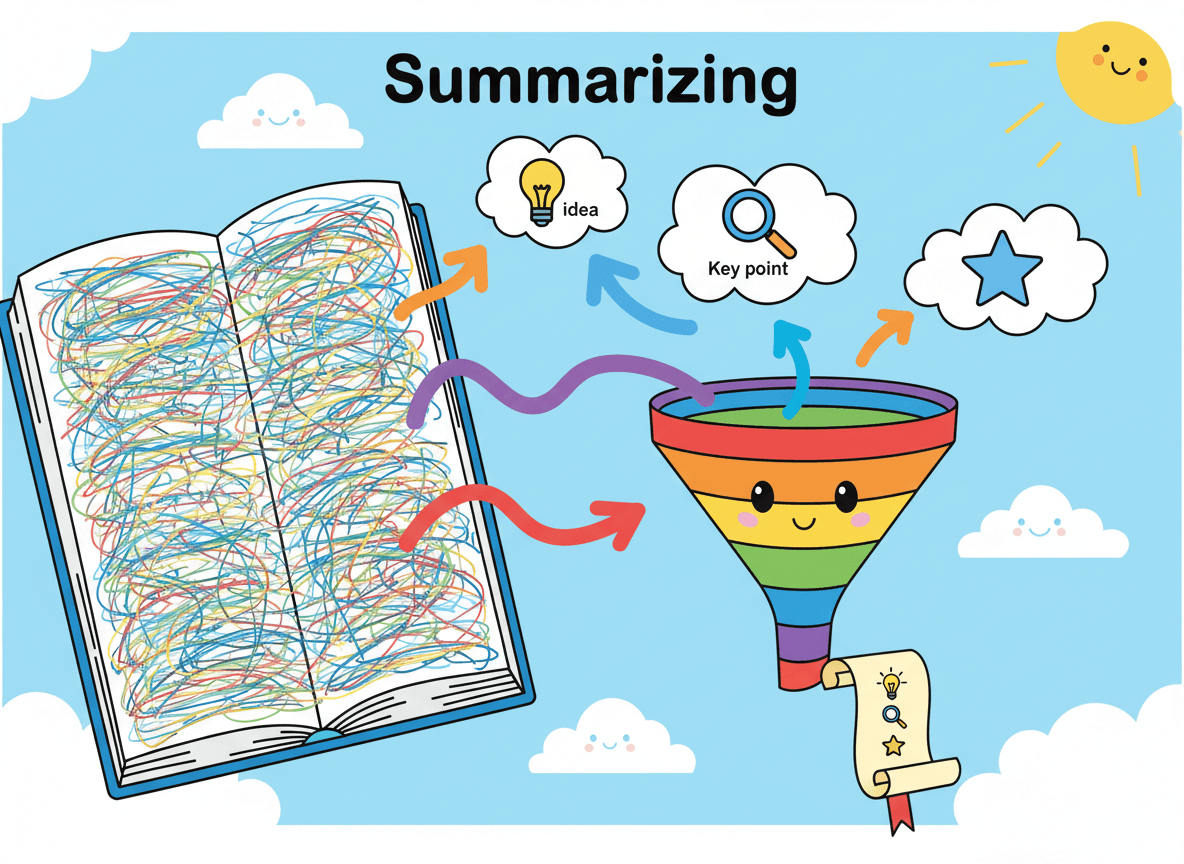
Summarizing is the skill of condensing a text into its most important ideas in your own words. A good summary is short, objective, and captures the heart of the text without the extra details.
Summarizing requires students to actively distinguish what is important from what is merely interesting - one of the most cognitively demanding comprehension tasks in elementary school.
Summary vs. Retelling
Includes many details: Only most important ideas
Follows order of events closely: Can restructure for clarity
Longer: Shorter
Best for K-2 fiction: 2nd grade and up
Summarizing Fiction: SWBST
A structured frame for summarizing stories:
Somebody - Who is the main character?
Wanted - What did they want or need?
But - What problem/conflict stood in the way?
So - What did they do about it?
Then - How did it turn out?
Example (Charlotte's Web): Wilbur the pig wanted to stay alive, but he learned he might be slaughtered. So Charlotte the spider wove praise words into her web to make him seem special. Then Wilbur won the county fair and was saved.
Summarizing Nonfiction: Main Idea + Key Details
For informational texts:
- Identify the main idea of the whole text.
- Note 2–3 key supporting details from major sections.
- Combine into a short paragraph.
Structure: "This text is about ___. The most important points are ___."
What Grade Do Kids Learn Summarizing?
2nd grade (RL.2.2): Students recount stories and determine the central message; summarize key ideas of informational texts.
3rd grade (RI.3.2): Students determine the main idea and explain how key details support it; summarize texts.
4th–5th grade (RL.4.2, RI.5.2): Students summarize without personal opinions; determine two or more main ideas of a text; cite text evidence in summaries.
Common Misconceptions
Summarizing = copying the first sentence: Students sometimes lift the topic sentence and call it a summary. A summary requires synthesizing the whole text, not just extracting one line.
Longer summaries are better summaries: The goal is concision. If a student's summary is nearly as long as the text, they haven't truly summarized - they've paraphrased.
You can use your own opinions: A summary is objective. "I liked how Charlotte sacrificed herself" is a personal response, not a summary. Teach the difference between summarizing and responding.
Practice Activities
-
SWBST frames: Give students the sentence stems and have them fill in fiction summaries.
-
Main idea + 3 details: Students identify the main idea and three supporting details from nonfiction sections.
-
Summary sort: Give sentence strips from a text; students sort into "important enough for a summary" and "minor detail."
-
Peer check: Partners exchange summaries and check: Is it too long? Are there opinions? Does it capture the main idea?
-
Compare summaries: Show two student summaries of the same text; class discusses which is more effective and why.
Frequently Asked Questions
What is summarizing in reading?
Summarizing is condensing a longer text into a shorter version that captures only the most important ideas. A good summary includes the main idea (or key events in fiction) without minor details, is written in the student's own words, and excludes personal opinions or reactions. Summarizing is both a comprehension skill and a study strategy.
How is a summary different from a retelling?
A retelling includes many details and follows the story closely - it's longer and more complete. A summary is shorter and focuses only on the most essential points. A retelling is appropriate for early readers (K-2); a true summary requires the higher-level skill of distinguishing important from unimportant information, which is taught in 2nd grade and deepened through 5th.
How do you summarize a fiction text?
For fiction, use the SWBST frame: Somebody (who is the main character), Wanted (what did they want?), But (what was the problem/conflict?), So (what did they do?), Then (how did it end?). This captures the key story elements in a few sentences without retelling every detail.
How do you summarize a nonfiction text?
For nonfiction, identify the main idea of each major section (often signaled by headings), then combine them into a paragraph that captures the overall topic and key points. Avoid including every fact - only those that directly support the main idea. The summary should answer: What is this text mainly about? What are the most important things to know?
What makes a summary 'bad'?
Common problems: (1) Too long - includes minor details that should be left out. (2) Copied - uses the exact words of the text instead of paraphrase. (3) Includes opinions - adds the reader's feelings ('This was interesting because...'). (4) Misses the main idea - focuses on a detail rather than the central message. Teaching students to identify and avoid these pitfalls is a key part of summary instruction.
Free Summarizing Worksheets
Curriculum-aligned printable worksheets for 2nd – 5th Grade. Download free.