What Is Informational Writing?
Taught in US schools

Key Takeaways
- Informational writing presents facts about a topic - it informs, not persuades or tells a story.
- Structure: introduction with a topic statement → body paragraphs with facts/details → conclusion.
- Domain-specific vocabulary is key - informational writing teaches students to write like a subject-matter expert.
- Informational writing uses text features: headings, diagrams, captions, glossaries - the same features in nonfiction books.
What Is Informational Writing?
Informational writing (also called expository writing) presents facts and information about a topic - clearly, accurately, and objectively.
The goal is to inform the reader, not to persuade them or tell a story. The writer's personal opinion stays in the background; the facts do the work.
Types of informational writing:
-
Expository essays - explain a concept or topic
-
Research reports - present findings on a topic
-
How-to / procedural writing - explain a process step by step
-
Descriptive reports - describe a subject using factual detail
Informational Writing Structure
Introduction: Name the topic, provide background, and give a sense of what the piece will cover.
"The ocean is Earth's largest ecosystem, covering more than 70% of the planet's surface. This report explains what lives in the ocean, why it matters, and what threatens it today."
Body paragraphs: Each paragraph covers one aspect of the topic.
- Facts, definitions, examples, statistics
- Domain-specific vocabulary (the subject's technical terms)
- Linking words: also, another, in addition, for example, because, as a result
Conclusion: Restate the topic's importance; summarize key points; leave the reader with something to think about.
Text Features in Informational Writing
Strong informational writing uses the same features found in nonfiction books:
Headings/subheadings: Organize sections and guide the reader
Bold terms: Signal key vocabulary
Diagrams/illustrations with captions: Show what words describe
Tables and charts: Organize comparative data
Glossary: Define domain-specific terms Teaching students to include these features helps them write more like published nonfiction authors.
Domain-Specific Vocabulary
Informational writing requires the precise language of the subject. Compare:
"The butterfly changes into different forms." (vague) "The monarch butterfly undergoes metamorphosis, passing through four stages: egg, larva (caterpillar), pupa (chrysalis), and adult." (precise, domain-specific)
Using and defining subject vocabulary is explicitly required by Common Core (W.2-5.2) and signals writing mastery.
What Grade Do Kids Write Informational Pieces?
Kindergarten: Name a topic and draw or write facts about it; provide a closing (W.K.2).
1st Grade: Name the topic; supply facts and definitions; provide a concluding statement (W.1.2).
2nd Grade: Introduce the topic; use facts, definitions, and details; use linking words; provide a conclusion (W.2.2).
3rd Grade: Group related information into paragraphs; include headings, illustrations, and a glossary if needed (W.3.2).
4th Grade: Multi-paragraph essays with an introduction, organized facts and evidence from research, precise language, and a conclusion (W.4.2).
5th Grade: Well-organized essays with an engaging introduction, clearly developed body sections, domain vocabulary, and a reflective conclusion (W.5.2).
Common Misconceptions
"Informational writing is just copying facts." Successful informational writing requires selecting the most important information, organizing it logically, and explaining it in the writer's own words. Copying is not writing.
"Opinion doesn't belong in informational writing." Strictly true in elementary school - the content of informational writing should be factual, not opinion-based. However, choosing which facts to emphasize and how to frame them involves judgment. Pure objectivity is a goal, not always fully achievable.
"Informational writing is boring." Strong informational writing uses engaging leads, vivid examples, surprising statistics, and clear explanations. Craft matters - even factual writing can be compelling.
Practice Activities
-
KWL chart → report: Students complete Know/Want to Know/Learned; the Learned column becomes the report outline.
-
Note-taking practice: Read a nonfiction article; take bullet-point notes per section; turn notes into a paragraph.
-
Add the feature: Give a draft; students add one text feature (heading, bold term, or caption for an illustration).
-
Compare two sources: Research the same topic in two different sources; write a paragraph that combines information from both.
-
How-to writing: Write step-by-step instructions for a simple process; test by having a partner follow them.

Frequently Asked Questions
What is the difference between informational and opinion writing?
Informational writing presents facts and information objectively - the writer's personal opinion is not relevant. 'Dolphins are mammals that breathe air and give birth to live young.' Opinion writing states a point of view and argues for it. 'Dolphins should not be kept in captivity because it harms their physical and psychological health.' The same topic can generate both types of writing. Informational writing requires the writer to set aside personal views and let the facts speak.
What are the main types of informational writing?
Expository essays: explain a topic or concept clearly and comprehensively. Research reports: present findings from research on a topic, typically with sources cited. How-to / procedural writing: explain a process in sequential steps (how to make a sandwich, how photosynthesis works). Descriptive informational: describe a subject using factual detail (the life cycle of a butterfly). Compare/contrast reports: compare two subjects factually. All of these fall under the informational writing umbrella and are addressed in Common Core W.K-5.2.
How do text features enhance informational writing?
Text features help organize information and guide the reader: Headings and subheadings break content into sections and signal what each section covers. Diagrams and labeled illustrations show what words describe. Captions explain visuals. Bold or italicized terms signal vocabulary. Glossaries define domain-specific words. Tables and charts organize comparative data. Teaching students to use text features in their own informational writing mirrors what they see in nonfiction books - it's both a reading and a writing skill.
What is domain-specific vocabulary and why is it important in informational writing?
Domain-specific vocabulary is the specialized terminology of a subject area: 'photosynthesis' in science, 'amendment' in social studies, 'denominator' in math. Using precise domain-specific vocabulary is a hallmark of informational writing - it signals expertise and ensures accuracy. Common Core explicitly requires students to 'use domain-specific vocabulary' in informational writing (W.2-5.2). Teaching students to use and define subject-specific terms as they write builds both writing quality and content knowledge simultaneously.
How does informational writing change from kindergarten to 5th grade?
Kindergarten: Name a topic; supply facts; provide closure. 1st grade: Name a topic; supply facts with definitions and details; provide a concluding statement. 2nd grade: Introduce a topic; use facts, definitions, and details; use linking words (also, and, but); provide a conclusion. 3rd grade: Introduce a topic; group related information; use facts, definitions, and illustrations; use linking words and phrases; provide a conclusion. 4th grade: Introduce a topic clearly; organize into paragraphs; use facts, definitions, quotes, and text features; use precise language and domain vocabulary; provide a conclusion. 5th grade: All of 4th grade plus: introduce the topic with an engaging opening; use multiple text structures; provide a conclusion that follows from the body.
Free Informational Writing Worksheets
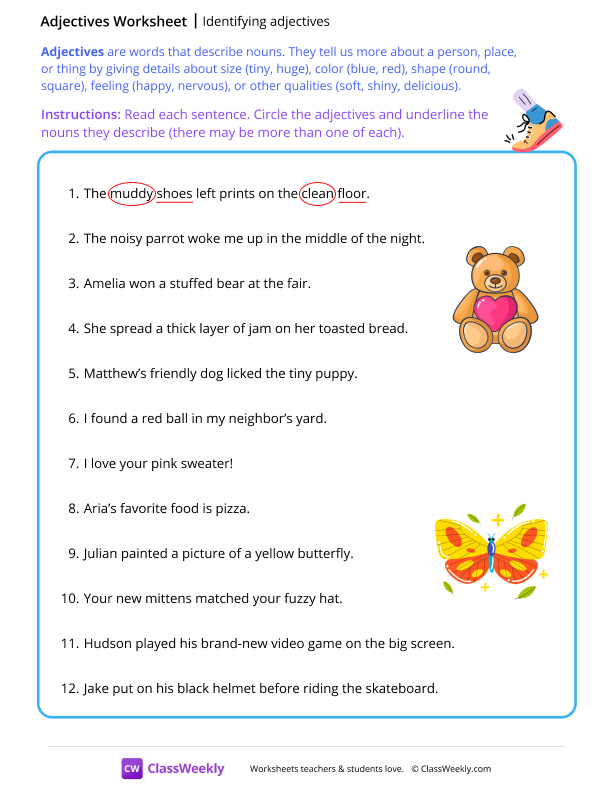
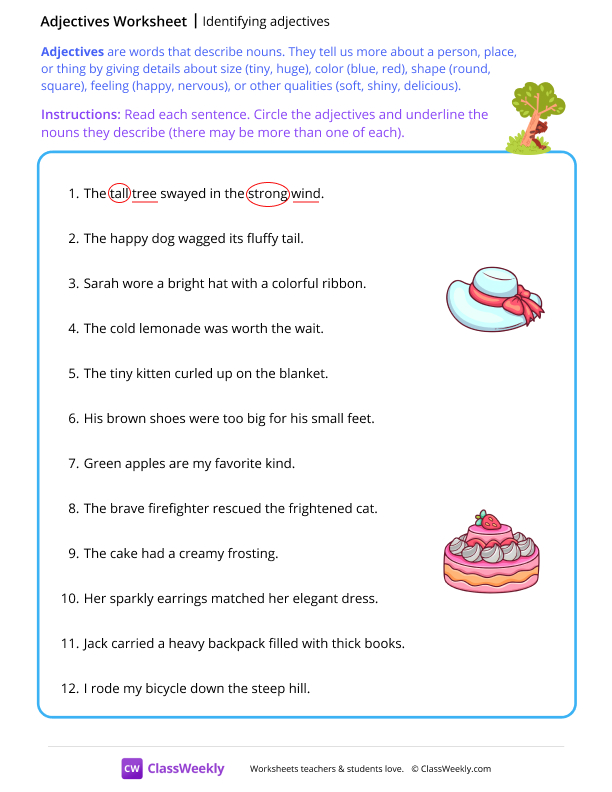
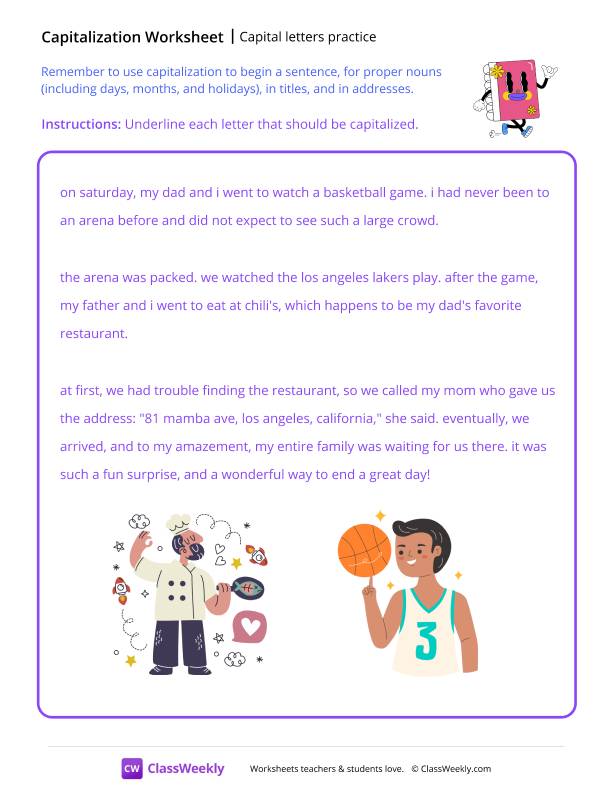
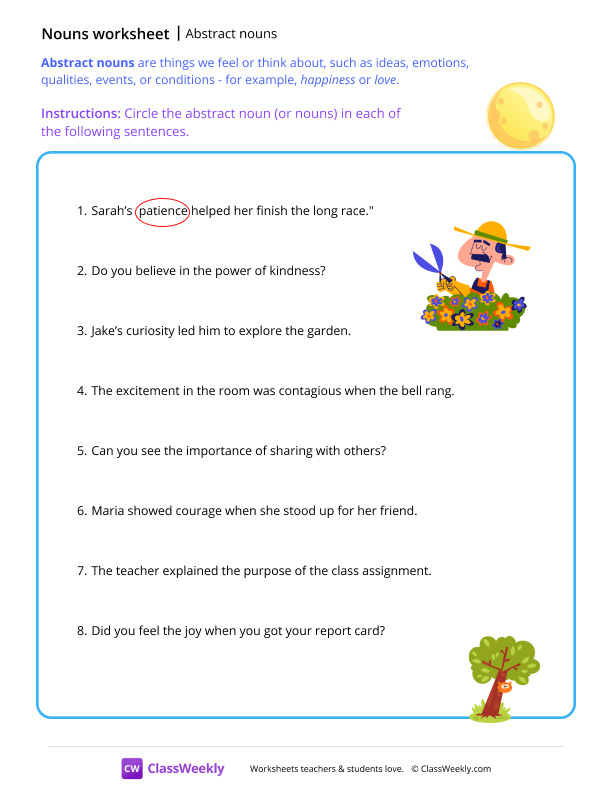
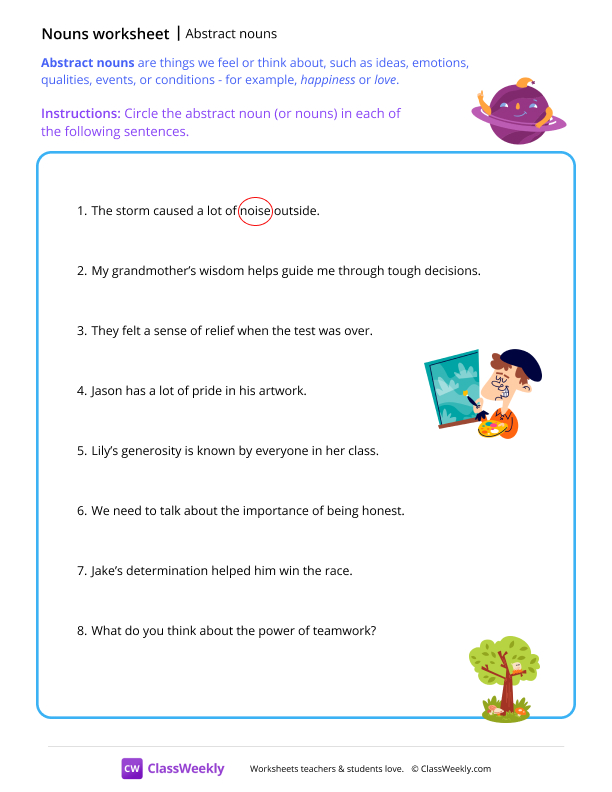
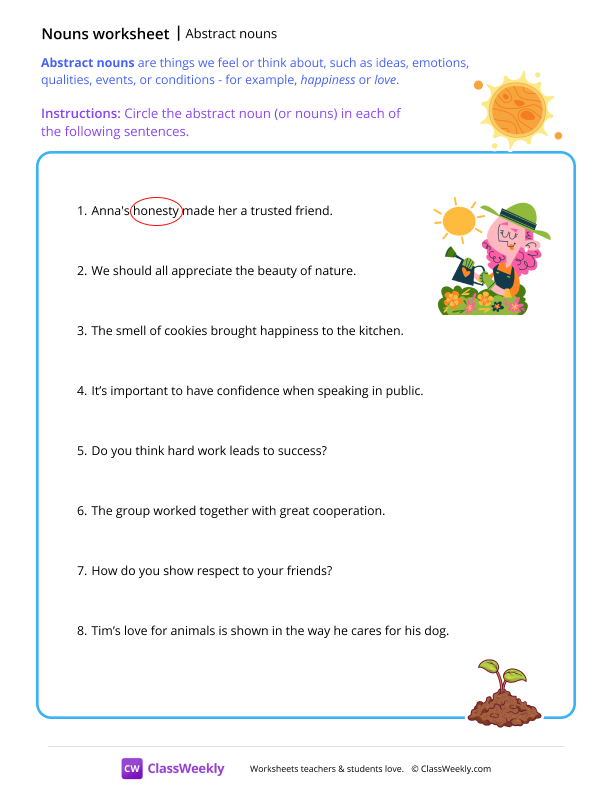
Curriculum-aligned printable worksheets for Kindergarten – 5th Grade. Download free.