What Is Genre?
Taught in US schools
Key Takeaways
- Genre is a category of literature with shared characteristics: purpose, style, structure, and subject matter.
- Major genres include literary fiction, nonfiction, poetry, drama, historical fiction, fantasy, biography, and fable.
- Genre awareness helps readers set expectations and choose appropriate reading strategies.
- The same story can fit more than one genre (a realistic fiction novel can also be historical fiction).
What Is Genre?
Genre is a category of literature defined by shared characteristics: purpose, style, structure, format, and subject matter. Understanding genre helps readers set expectations, choose reading strategies, and navigate texts more effectively.
The word comes from French (and ultimately Latin genus, meaning "kind" or "type"). Just as movies are organized into genres (comedy, thriller, documentary), books are organized into literary genres.
Major Genres in Elementary School
Fiction Genres
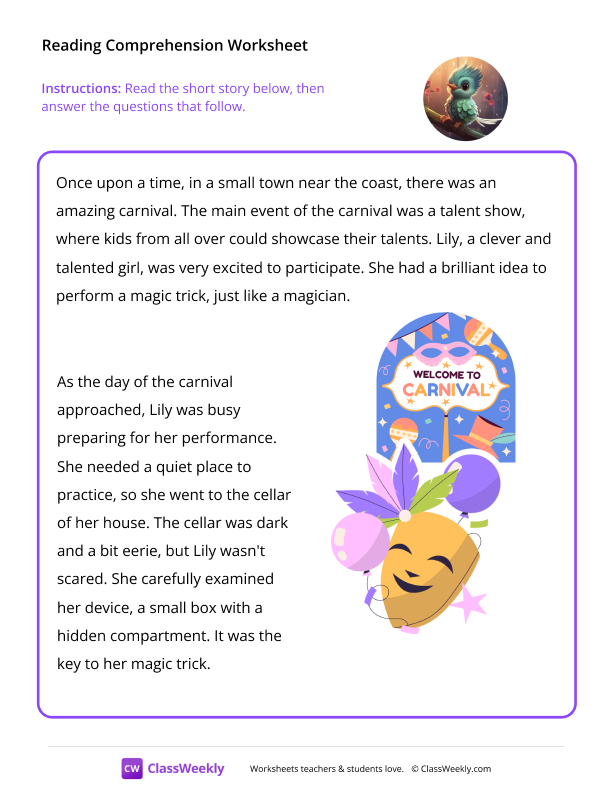
Realistic fiction: Set in the real world with believable events. Could happen.
Fantasy: Contains impossible or magical elements (wizards, dragons, magical worlds).
Historical fiction: Set in a real historical time period; main characters are usually fictional.
Mystery: Centers on solving a crime, puzzle, or unknown.
Science fiction: Imagines future technologies and their effects on people.
Fairy tale: Traditional stories with magical elements, often featuring royalty and happy endings.
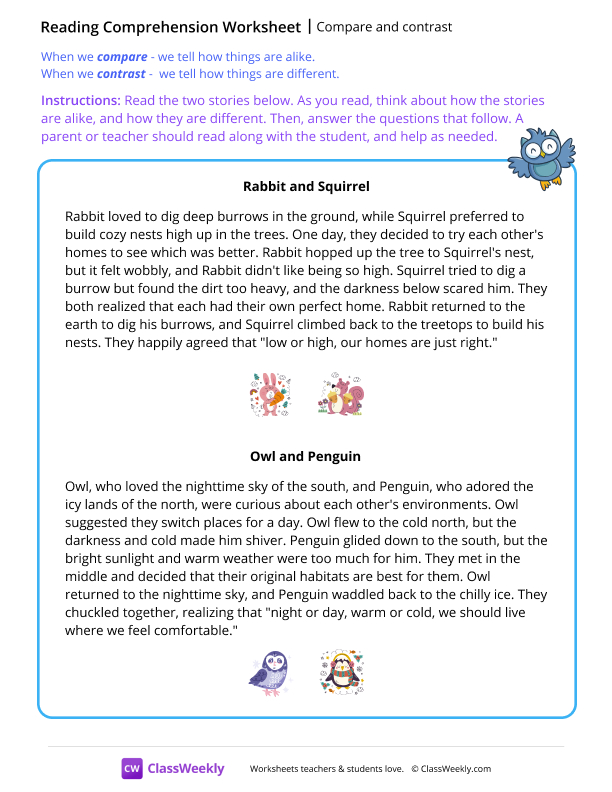
Fable: Short stories with animal characters that teach a moral lesson.
Folktale/Myth: Traditional stories that explain natural phenomena or cultural values.
Nonfiction Genres
Biography: The story of a real person's life, written by someone else.
Autobiography/Memoir: The story of the author's own life.
Informational/Expository: Explains facts and information about a topic.
Procedural (How-to): Step-by-step instructions for doing something.
Narrative nonfiction: Real events told using storytelling techniques.
Other Major Genres
Poetry: Written in lines and stanzas; uses rhythm and figurative language.
Drama/Play: Written to be performed; organized in acts and scenes with dialogue and stage directions.
What Grade Do Kids Learn Genre?
3rd grade (RL.3.5): Students refer to parts of stories, dramas, and poems using appropriate terms; distinguish their own point of view from that of characters.
4th–5th grade (RL.4.5, RL.5.5): Students explain differences between genres; analyze how structure contributes to meaning; compare texts across genres.
Common Misconceptions
Fiction = made up; nonfiction = true: This is a useful starting point but is oversimplified. Narrative nonfiction reads like fiction but is true. Historical fiction is set in reality but has fictional characters.
Genre is fixed and rigid: Books can cross and blend genres. Genre classification involves interpretation and sometimes disagreement.
All genre knowledge is for fiction: Nonfiction genres are equally important. Distinguishing a biography from an encyclopedia entry is a genre skill.
Practice Activities
-
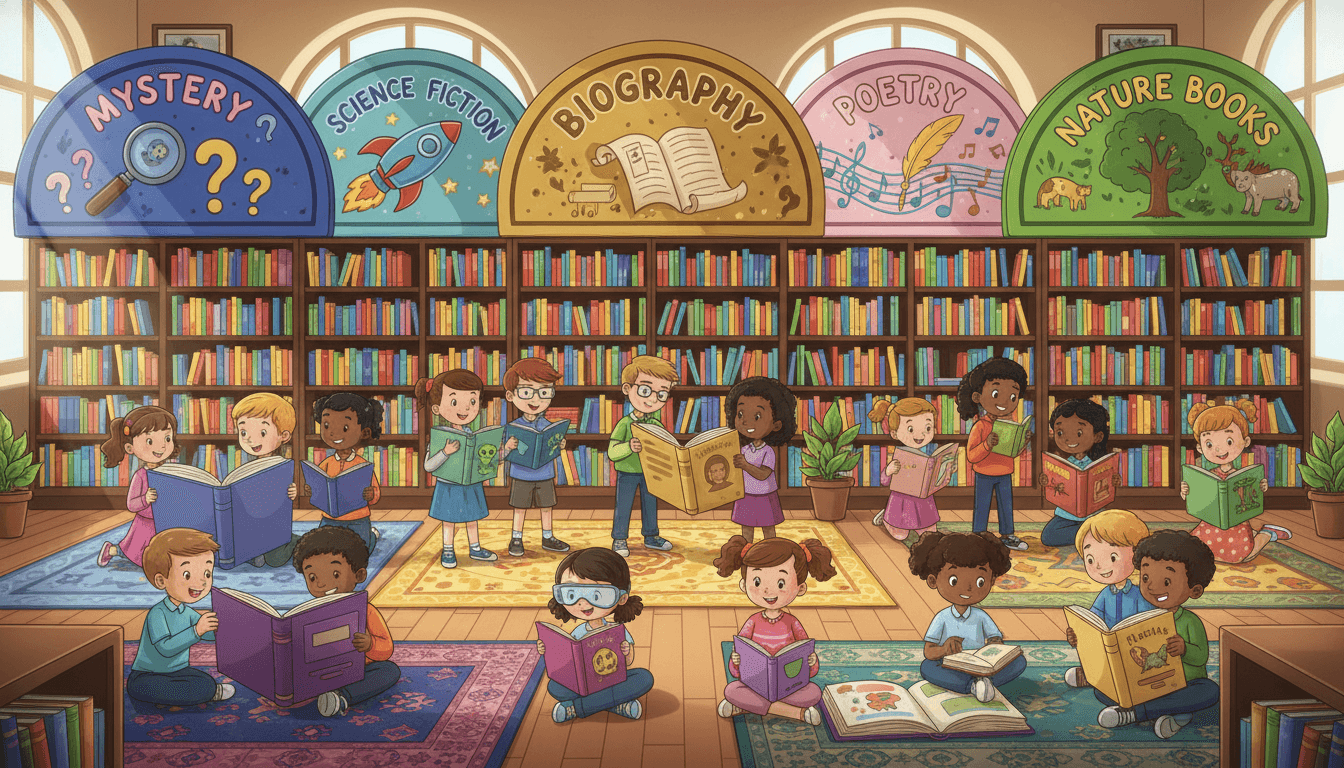
Genre sorting library: Students browse classroom books and sort them into genre categories, discussing any that are hard to classify.
-
Genre study unit: Spend 2–3 weeks reading multiple books in one genre, identifying shared characteristics.
-
Genre feature chart: Create a class anchor chart listing genre characteristics for each major genre.
-
Genre defense: Each student reads a book and defends their genre classification with evidence from the text.
-
Cross-genre comparison: Read a biography and a work of historical fiction about the same figure; compare how each genre treats the subject differently.
Frequently Asked Questions
What is genre in literature?
Genre is a category of writing that groups texts with similar characteristics. Just as music has genres (pop, jazz, classical), literature has genres (fantasy, biography, mystery, poetry). Genres share common traits: purpose, style, structure, and typical subject matter. Knowing a text's genre helps readers know what to expect and how to read it effectively.
What are the main literary genres students learn in elementary school?
Major fiction genres: Realistic fiction (could happen in real life), Fantasy (impossible events and settings), Historical fiction (real time period, fictional characters), Mystery, Fairy tale, Fable, Folktale, Myth. Major nonfiction genres: Biography, Autobiography, Informational/expository text, How-to/procedural text. Poetry and drama (plays) are additional major categories.
How does knowing the genre help readers?
Genre knowledge sets expectations. If you know you're reading a mystery, you look for clues and suspects. If you're reading a fable, you watch for the moral. If you're reading historical fiction, you distinguish real historical details from invented events. Genre awareness also helps readers choose appropriate reading strategies.
Can a book belong to more than one genre?
Yes. Many books cross genres. The Watsons Go to Birmingham - 1963 is both historical fiction and realistic fiction. A nonfiction account written with story techniques is narrative nonfiction. Graphic novels are a format, not a genre - graphic novels can be fiction, nonfiction, fantasy, biography, and more. Genre classification often involves judgment.
How is genre different from text structure?
Genre describes the overall category of a text (fantasy novel, biography, informational text). Text structure describes how the content within a text is organized (chronological, compare-contrast, cause-effect, problem-solution). A biography (genre) is typically organized chronologically (text structure). Both concepts help readers understand and navigate texts.
Free Genre Worksheets
Curriculum-aligned printable worksheets for 3rd – 5th Grade. Download free.