What Is the Difference Between Fiction and Nonfiction?
Taught in US schools
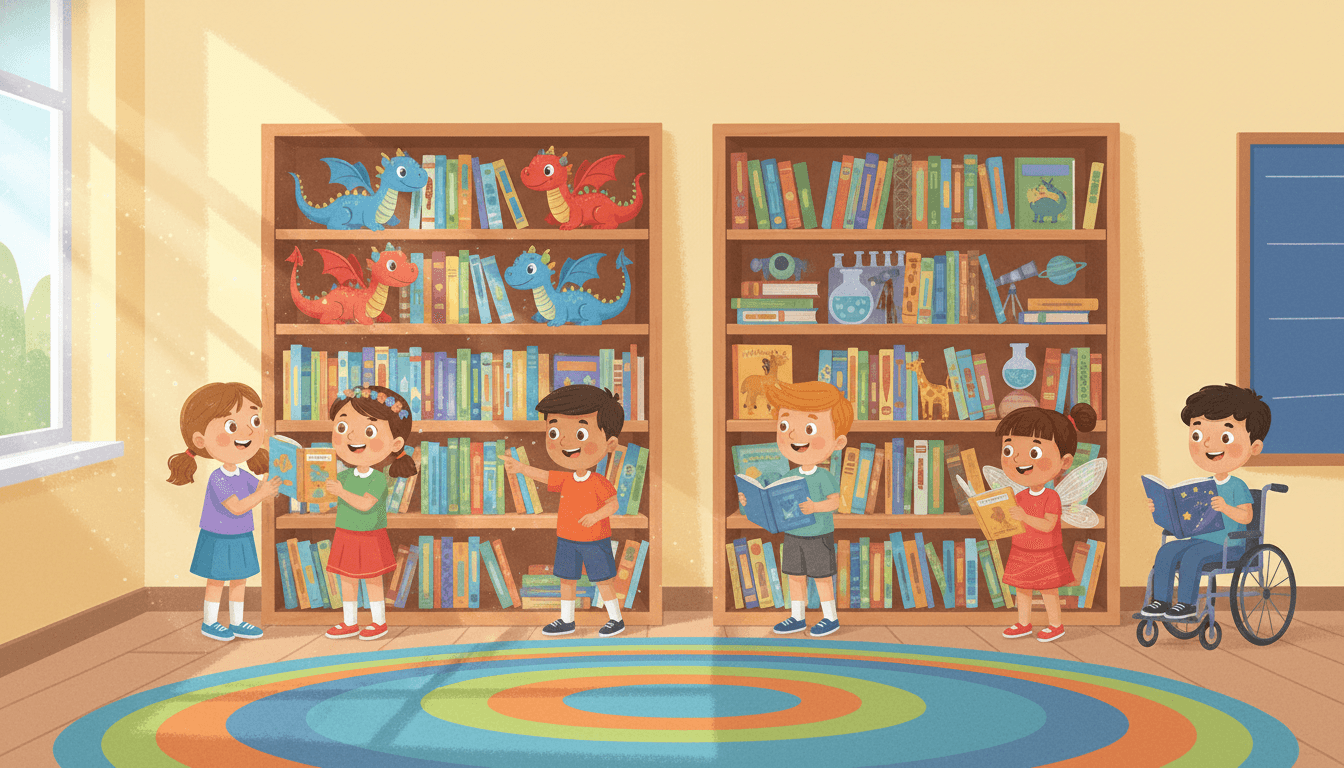
Key Takeaways
- Fiction is invented - characters, events, and settings are created by the author's imagination.
- Nonfiction contains factual information about real people, places, events, or topics.
- Different text features, structures, and reading approaches apply to fiction vs. nonfiction.
- Both fiction and nonfiction have value - fiction builds empathy; nonfiction builds knowledge.
What Is the Difference Between Fiction and Nonfiction?
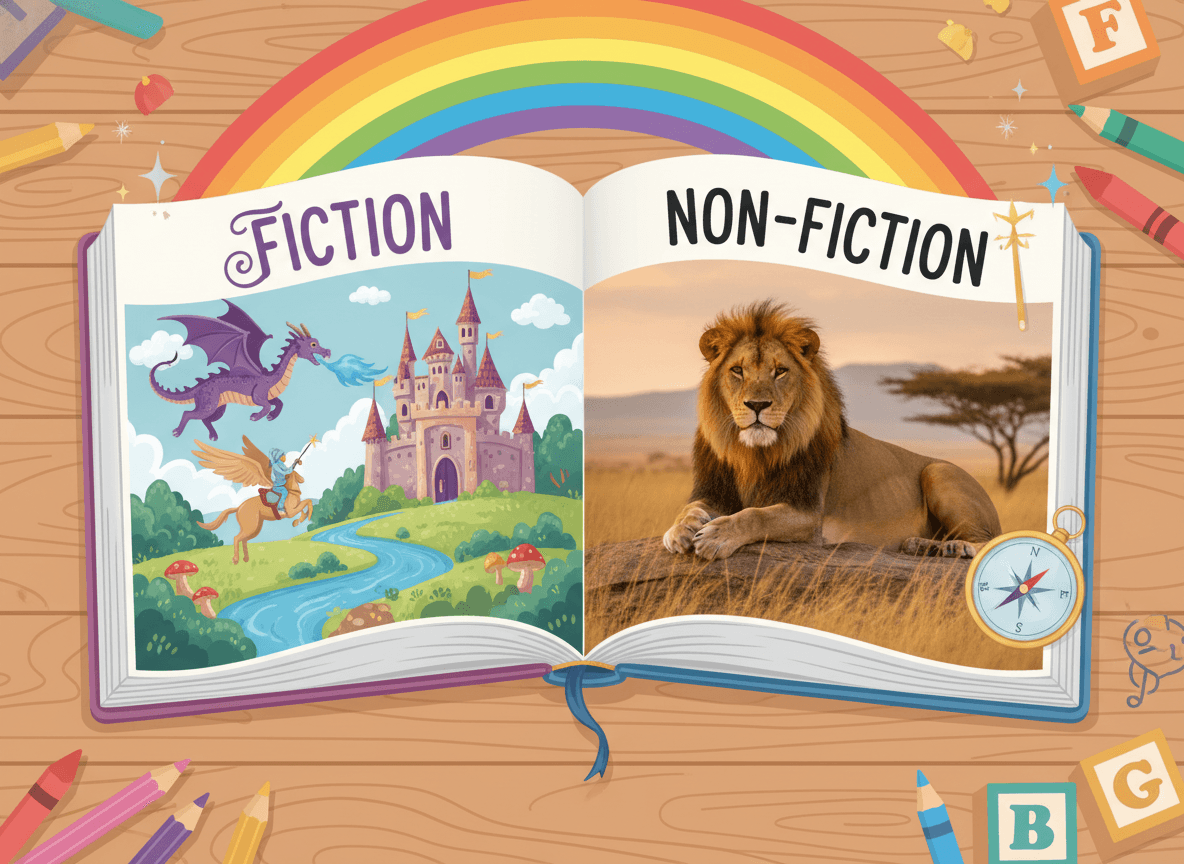
Fiction is writing that is invented - the people, places, and events come from the author's imagination. Nonfiction contains real information about the real world - its facts must be accurate.
This distinction is one of the first reading concepts students learn, introduced as early as kindergarten through picture book exploration.
Fiction: What to Expect
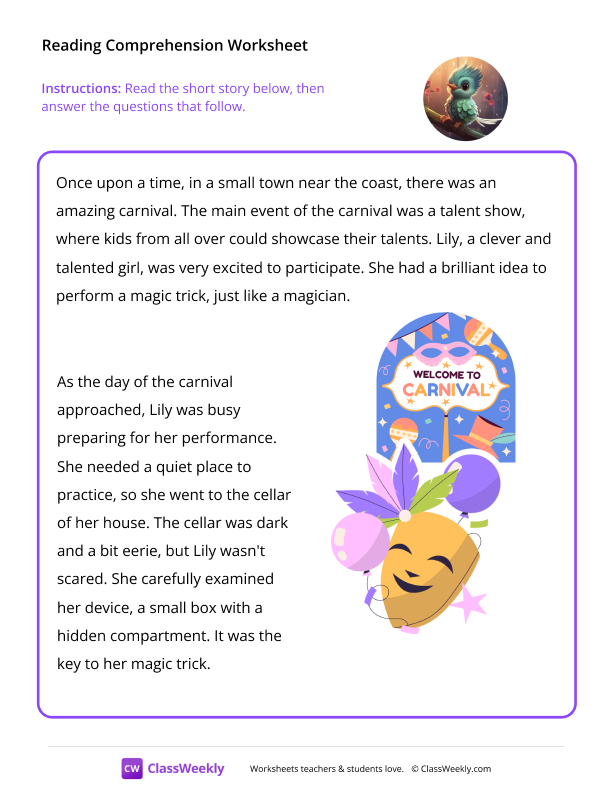
Fiction includes: picture books, fairy tales, fables, fantasy novels, realistic fiction, historical fiction, mystery, and science fiction.
Characteristics:
- Characters are invented (even if inspired by real people)
- Events may or may not be possible in the real world
- Setting can be real or imaginary
- No requirement of factual accuracy
- Purpose: to entertain, explore emotions, and tell stories
Common text features: Chapters, dialogue, descriptive paragraphs, third-person or first-person narration.
Nonfiction: What to Expect
Nonfiction includes: encyclopedias, textbooks, biographies, news articles, science books, how-to guides, and informational picture books.
Characteristics:
- Based on real people, places, events, or facts
- Author is responsible for accuracy
- Purpose: to inform, explain, persuade, or document
Common text features: Headings, glossaries, indexes, photographs with captions, diagrams, tables, timelines.
The Gray Area: Narrative Nonfiction and Historical Fiction
Narrative nonfiction: Real facts told using story-like techniques. Biographies written as narratives are real nonfiction, even though they "read like stories."
Historical fiction: Fictional stories set in a real historical period. The setting and time period are real, but the main characters and events are invented.
These gray areas help students develop more sophisticated genre understanding in 3rd–5th grade.
What Grade Do Kids Learn Fiction vs. Nonfiction?
Kindergarten–1st grade (RI.K.5, RI.1.5): Students identify the front cover, back cover, and title page; distinguish between informational and story books.
2nd grade (RI.2.5): Students know and use text features to identify informational texts; compare fiction and nonfiction on the same topic.
3rd grade (RI.3.5): Students use text features and structure to understand differences between fiction and nonfiction texts.
Common Misconceptions
All nonfiction is boring: Excellent narrative nonfiction reads as compellingly as fiction. Many students who claim to dislike nonfiction simply haven't encountered engaging narrative nonfiction.
If it has pictures, it's for little kids: Both fiction and nonfiction books for all ages can have illustrations. Graphic novels and illustrated informational texts are appropriate for upper elementary readers.
Historical fiction is nonfiction: It is not. Historical fiction may research a period carefully, but the story and characters are invented. The classification is still fiction.
Practice Activities
-
Book sort: Sort a pile of books (by cover and first page) into fiction and nonfiction piles, justifying each decision.
-
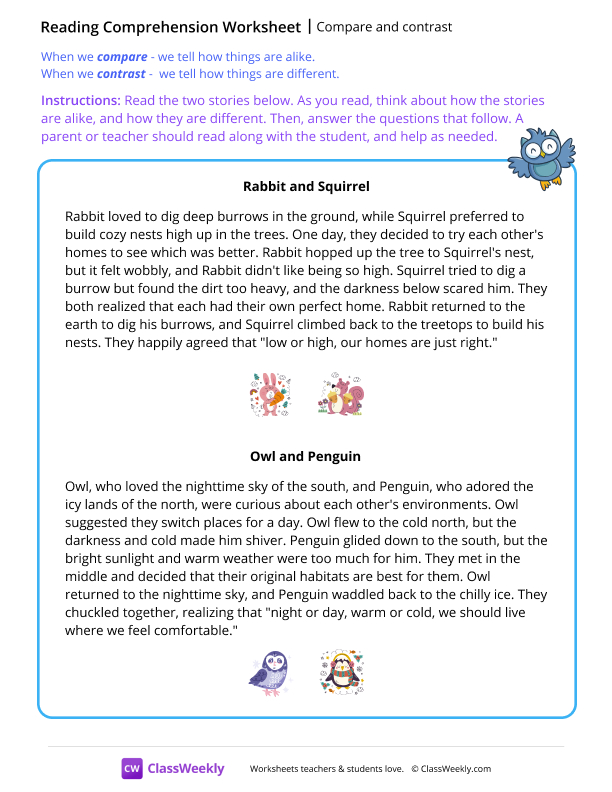
Same topic, two texts: Read one fiction and one nonfiction book on the same topic (e.g., penguins) and compare how each presents the subject.
-
Text feature detective: Hunt for text features that signal nonfiction (headings, captions, diagrams).
-
Author's purpose connection: Link author's purpose (PIE) to fiction (Entertain) and nonfiction (Inform, Persuade).
-
Create a page: Write one fiction paragraph and one nonfiction paragraph on the same topic, then compare how they look and feel.
Frequently Asked Questions
What is fiction?
Fiction is writing that comes from the author's imagination. The characters, events, and settings may be completely invented or may be inspired by real life but changed significantly. Fairy tales, picture books, chapter novels, fantasy, and realistic fiction are all forms of fiction. Even 'realistic' fiction - stories that could happen in real life - is invented.
What is nonfiction?
Nonfiction contains factual information about real people, places, events, or topics. It is written to inform, explain, persuade, or document reality. Encyclopedias, biographies, how-to books, science texts, news articles, and informational picture books are all nonfiction. The author is responsible for the accuracy of the facts presented.
How can students tell the difference between fiction and nonfiction?
Clues to look for: (1) Text features - does it have a table of contents, glossary, headings, and diagrams? Likely nonfiction. (2) Characters - are there fictional named characters going on adventures? Likely fiction. (3) Language - does it sound like a story or like facts being explained? (4) Purpose - does it feel like it's teaching you something or taking you on a journey? Both clues must be checked, since some nonfiction reads like a story (narrative nonfiction).
What is narrative nonfiction?
Narrative nonfiction is factual writing that uses storytelling techniques - character development, scenes, descriptive language, and narrative structure. Biographies and true-adventure books often use this approach. Students sometimes mistake narrative nonfiction for fiction because it 'reads like a story,' but the events and people are real. Examples include books about real historical figures told in a story-like way.
Why is it important for students to read both fiction and nonfiction?
Fiction builds empathy, imagination, and understanding of human experience. Nonfiction builds knowledge, vocabulary, and understanding of the real world. The Common Core standards deliberately require a balance - by 4th grade, students should be reading roughly equal amounts of literary and informational text. Both genres have their own reading strategies, structures, and rewards.
Free Fiction vs. Nonfiction Worksheets
Curriculum-aligned printable worksheets for Kindergarten – 3rd Grade. Download free.
Common Core Standards