What Is a Biography?
Taught in US schools
Key Takeaways
- A biography is the true story of a real person's life, written by someone else.
- Biographies are typically organized chronologically - from birth through significant life events.
- Unlike fiction, biographies must be based on research, evidence, and accurate facts.
- Understanding biography as a genre helps students read critically and recognize the author's perspective.
What Is a Biography?
A biography is a nonfiction text that tells the story of a real person's life, written by someone other than the subject. Biographies present the facts of a person's birth, education, challenges, relationships, achievements, and legacy, based on research into primary and secondary sources.
Biography is one of the most widely read nonfiction genres - for students because biographies introduce them to historical and inspiring figures, and for adults because they offer intimate access to the lives of extraordinary people.
Key Features of Biographies
Real subject: The person being written about actually lived (or is living).
Third-person narrative: Most biographies use he/she/they, since the author is not the subject.
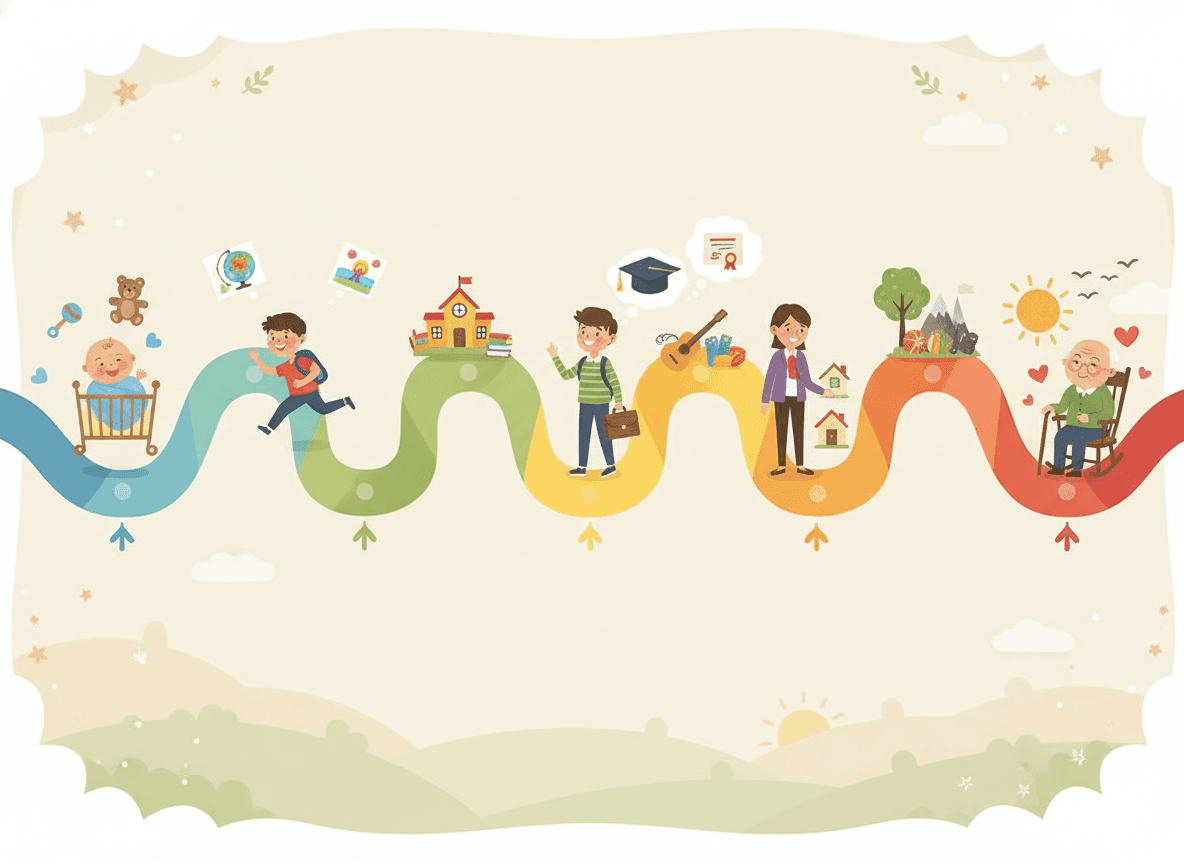
Chronological organization: Typically moves from birth through death (or the present) in time order.
Research-based: Facts are drawn from primary sources (letters, journals, documents, interviews) and secondary sources.
Author's perspective: The author makes choices about what to include, emphasize, and interpret - meaning biographies always have a point of view.
Types of Biographical Texts
Full biography: Covers an entire life from birth to death (or present).
Partial biography: Focuses on one period (e.g., a book only about Lincoln's presidency).
Collective biography: Profiles multiple people, often connected by theme (women scientists, civil rights leaders).
Picture book biography: Illustrated biography appropriate for younger readers; often focuses on a key period or message.
Narrative biography: Written with story-like techniques (scene-setting, dialogue, vivid description) while maintaining factual accuracy.
What Grade Do Kids Study Biographies?
3rd grade (RI.3.3): Students describe the relationship between historical events and people described in texts.
4th grade (RI.4.3, RI.4.9): Students explain events based on information in the text; compare firsthand and secondhand accounts.
5th grade (RI.5.3): Students explain the relationships between two or more individuals, events, and ideas in a text.
Common Misconceptions
Biographies are fully objective: Every biography reflects the author's choices and perspective. Two biographies of the same person can reach different conclusions. Teaching students to recognize the author's point of view in nonfiction is a critical literacy skill.
Biographies are boring: Narrative biographies are often as compelling as fiction. Authors use cliffhangers, vivid descriptions, and dramatic scenes to engage readers. Many bestselling adult books are biographies.
All facts in a biography are certain: Historians often deal with incomplete records. Biographies sometimes say "historians believe" or "according to some sources" when certainty isn't possible. Teaching students to notice this uncertainty builds critical reading skills.
Practice Activities
-
Biography timeline: Create a chronological timeline of the subject's key life events.
-
Author's perspective analysis: What aspects of the subject's life did the author emphasize? What was left out? Why?
-
Compare two biographies: Read two picture-book biographies of the same person and compare what each emphasizes.
-
Biography book talk: After reading, students present the person's most significant contribution and why it matters.
-
Research to biography: Students research a historical figure and write their own short biography using 3–4 sources.
Frequently Asked Questions
What is a biography?
A biography is a nonfiction text that tells the story of a real person's life. It is written by someone other than the subject. Biographies cover a person's birth, childhood, significant challenges, achievements, relationships, and legacy. They are researched from primary sources (letters, diaries, interviews) and secondary sources (other books and articles) and aim to be factually accurate.
What is the difference between a biography and an autobiography?
A biography is written by someone other than the subject. An autobiography is written by the subject themselves about their own life. A memoir is a type of autobiography that focuses on a particular period or theme rather than a whole life. The key difference is perspective: biography uses third-person (he/she/they); autobiography uses first-person (I/me/my).
How are biographies typically organized?
Most biographies are organized chronologically - starting at birth (or early childhood) and moving forward through the person's life in time order. Some biographies begin with a dramatic moment (in medias res) and then go back in time to provide context. Biographical sections are often organized around key life stages, accomplishments, or challenges.
How do authors of biographies decide what to include?
Biography authors research their subjects extensively, then decide which events and details best illuminate the person's significance. They emphasize turning points, challenges overcome, key relationships, and the person's contributions to history or society. Not everything known about a person is included - authors make purposeful choices that reflect their perspective on what matters most about the subject.
How is a biography different from historical fiction?
A biography is nonfiction - all events and people are real, based on research. Historical fiction is fiction - the setting and time period may be real, but main characters and events are invented. Confusing these genres is common when students read narrative biographies that 'feel like stories.' The test: are the characters and events real and researched, or invented?
Free Biography Worksheets
Curriculum-aligned printable worksheets for 3rd – 5th Grade. Download free.