What Is a Fable?
Taught in US schools

Key Takeaways
- A fable is a short fictional story with a stated moral lesson - advice about how to live.
- Characters in fables are typically animals who act and speak like humans (personification).
- The most famous fables come from Aesop, a Greek storyteller from around 600 BCE.
- The moral of a fable is the main lesson: 'Slow and steady wins the race' or 'Don't count your chickens before they hatch.'
What Is a Fable?
A fable is a short fictional story that teaches a moral lesson. Fables traditionally feature animal characters who speak and act like humans - this use of animals to represent human traits is called personification or anthropomorphism. The moral is usually stated explicitly at the end of the story.
Fables are among the oldest forms of storytelling. They exist across virtually every culture and have been used for thousands of years to pass down wisdom, values, and social norms.
Characteristics of a Fable
-
Short: Usually one page or a few paragraphs
-
Animal characters: Animals take on human personality traits (a greedy fox, a hardworking ant, a lazy grasshopper)
-
Clear conflict: A simple problem that illustrates human folly or virtue
-
Explicit moral: A stated lesson at the end, often in a proverb-like sentence
-
Universal message: Advice that applies to all people across cultures and time periods
Famous Fables and Their Morals
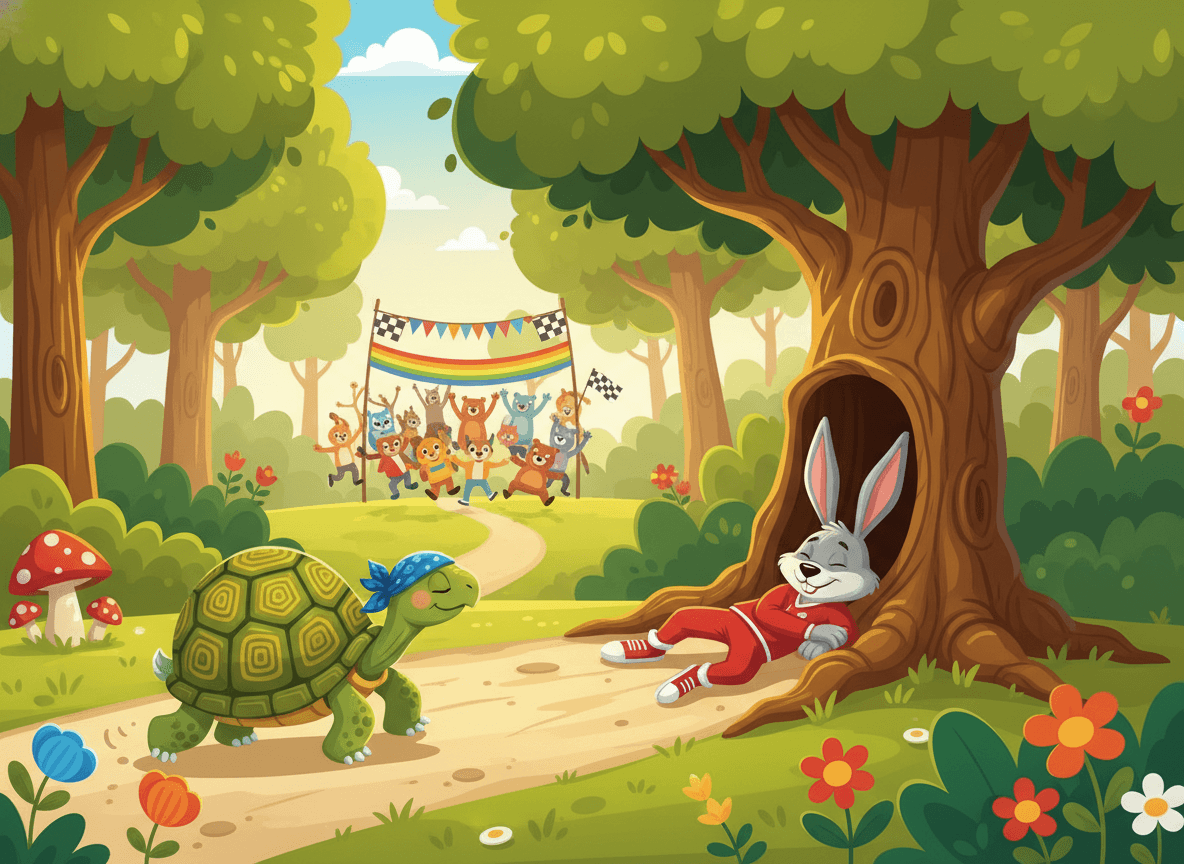
The Tortoise and the Hare: Slow and steady wins the race
The Ant and the Grasshopper: Prepare for hard times while times are good
The Boy Who Cried Wolf: Dishonesty destroys trust
The Fox and the Grapes: It's easy to dismiss what you can't have
The Lion and the Mouse: No act of kindness is too small
The Crow and the Pitcher: Necessity is the mother of invention
Fables Around the World
While Aesop's Greek fables are the most famous in Western tradition, fable traditions exist globally:
-
Jataka tales (Buddhist India) - stories of the Buddha's past lives as animals
-
African folktales - Anansi the Spider stories from the Ashanti tradition
-
La Fontaine's Fables (France, 1668) - literary retellings of Aesop with added political commentary
What Grade Do Kids Read Fables?
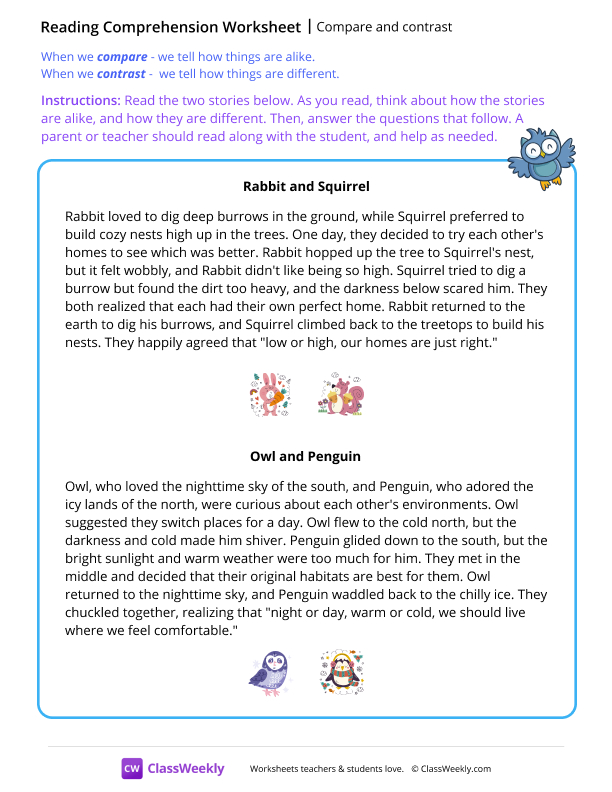
2nd grade (RL.2.2): Students recount fables and determine the central message or moral.
3rd grade (RL.3.2): Students describe how the moral is conveyed through key details; compare fables from different cultures.
4th grade (RL.4.9): Students compare and contrast similar themes in fables and stories from different cultures.
Common Misconceptions
The animals in fables are literal: The animals represent human types - the lazy one, the dishonest one, the hardworking one. They are allegorical, not meant to represent actual animal behavior.
All fables are from Aesop: Fables exist in every culture. While Aesop is the most commonly cited source, many beloved fables have different origins.
The moral is the theme: The moral of a fable IS a stated theme. In fables, students don't need to infer - the lesson is stated. This makes fables a useful scaffold before moving to texts where theme must be inferred.
Practice Activities
-
Moral matching: Give 5 fables and 7 morals; students match each fable to its moral.
-
Original fable writing: Students write their own fable using animal characters and a stated moral.
-
Cross-cultural comparison: Compare two fables from different cultures with similar morals.
-
Moral-evidence connection: Identify specific story events that led to the moral.
-
Modern fable update: Retell a classic fable using modern characters, setting, and language, keeping the same moral.
Frequently Asked Questions
What is a fable?
A fable is a short story - usually featuring animal characters who talk and behave like humans - that teaches a clear moral lesson or piece of life advice. The moral is often stated explicitly at the end of the story. Fables have been told for thousands of years and are designed to be simple, memorable, and universal in their message.
Who was Aesop?
Aesop was a Greek storyteller who lived around 600 BCE. He is credited with hundreds of fables that have been retold across cultures and languages for over 2,500 years. Famous Aesop fables include 'The Tortoise and the Hare,' 'The Ant and the Grasshopper,' 'The Boy Who Cried Wolf,' 'The Fox and the Grapes,' and 'The Lion and the Mouse.' Not all of Aesop's stories are original to him - many come from oral traditions he collected.
What is the moral of a fable?
The moral is the lesson or piece of advice the fable communicates. It is usually stated directly at the end ('The moral of the story is...'). Common morals include: 'Actions speak louder than words,' 'Don't count your chickens before they hatch,' 'Slow and steady wins the race,' and 'Honesty is the best policy.' Morals are meant to be universal life advice.
How is a fable different from a fairy tale?
Both are traditional short fictional stories, but they differ in purpose and characters. Fables use animals (and occasionally humans) to teach a stated moral lesson. Fairy tales typically feature royalty, magic, and a quest, usually ending in 'happily ever after.' Fairy tales don't always state a moral directly - their themes are inferred. Fables are shorter and more explicitly didactic.
How is a fable related to theme?
The moral of a fable is essentially a stated theme. In most literature, theme must be inferred from the story. Fables make this easier - they tell you the lesson directly. Studying fables is an excellent entry point for teaching theme because students can see the relationship between story events and the explicit message. The skill then transfers to finding implicit themes in more complex texts.
Free Fable Worksheets
Curriculum-aligned printable worksheets for 2nd – 4th Grade. Download free.