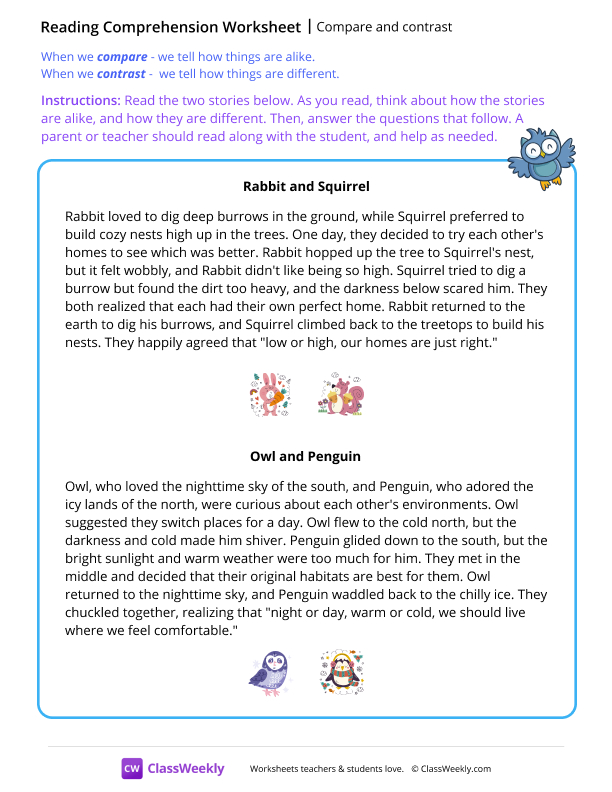
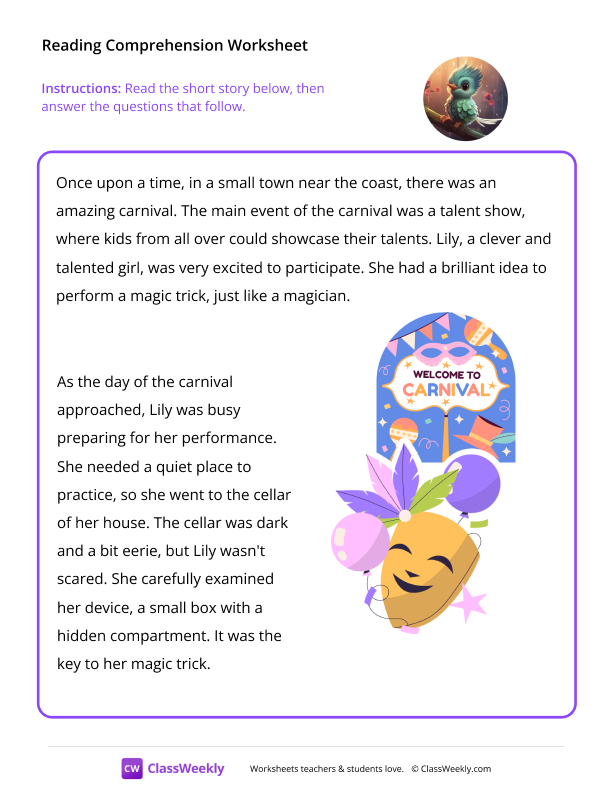
What Are High-Frequency Words?
Taught in US schools

Key Takeaways
- High-frequency words are the most common words in written English - knowing them speeds up reading.
- The top 100 high-frequency words make up about 50% of all words in printed text.
- High-frequency words and sight words overlap but are not the same thing.
- Automatic recognition of high-frequency words frees up cognitive resources for comprehension.
What Are High-Frequency Words?
High-frequency words are the words that appear most often in printed English. Research shows that the top 100 most common words account for approximately 50% of all words children encounter in reading - and the top 300 account for roughly 65%.
When students can recognize these words automatically - without stopping to decode them - reading becomes faster, smoother, and more comprehensible. The cognitive resources that would have been spent decoding "the," "said," and "was" are freed up for understanding the meaning of the text.
High-Frequency Words vs. Sight Words
These terms are often used interchangeably in classrooms, but they refer to different concepts:
High-frequency words - words sorted by how often they appear in text. A frequency-based category.
Sight words - words that should be recognized instantly "on sight," without decoding. A teaching method / recognition category.
Where they overlap: Many high-frequency words are phonetically irregular - they cannot be sounded out using standard phonics rules. Words like the, said, was, have, and of must be memorized because decoding won't get you there. These words are both high-frequency AND sight words.
Where they differ: Some high-frequency words are phonetically regular - at, in, can, will follow standard phonics rules and can be decoded. These are high-frequency words but not typically taught as sight words.
Common High-Frequency Word Lists
-
Dolch Word List - 220 words + 95 nouns, organized by grade (Pre-Primer through Grade 3). Still widely used.
-
Fry Word List - 1,000 words organized by the 100 most frequent, second hundred, etc. More current than Dolch.
-
Heart Words - a newer term from structured literacy programs for the irregular words that must be memorized.
Teaching High-Frequency Words
Effective practices:
-
Word wall - posted alphabetically in the classroom; students refer to it during writing
-
Repeated exposure - see the word in multiple contexts (reading, writing, games)
-
Multi-sensory practice - see it, say it, spell it, write it, trace it, use it in a sentence
-
Regular review - brief daily practice with flashcards or word games
-
Contextual reading - encountering words in real books cements learning better than drills alone
Practice Activities
- Word-wall bingo: students copy words from the word wall onto bingo cards and play as the teacher calls words.
- Rainbow writing: students write a high-frequency word in multiple colors, tracing over it each time to build muscle memory.
- "Find it" in books: give students a word and time them to find it 10 times in a text.
- Speed sorts: students sort word cards into "know it" and "need to practice" piles, focusing their time on the unknowns.
Frequently Asked Questions
What are high-frequency words?
High-frequency words are words that appear most often in texts children read and write. Lists like the Dolch Word List and Fry Word List identify the 100, 200, or 300 most common words in printed English. Knowing these words automatically - without sounding them out every time - is essential because they appear so constantly that slow decoding would interfere with reading fluency and comprehension.
What is the difference between high-frequency words and sight words?
The terms are often used interchangeably, but they describe different things. 'High-frequency words' is a frequency-based category - words that appear most often in text, regardless of whether they follow phonics rules. 'Sight words' is a teaching method - words learned to be recognized instantly 'on sight,' without sounding out. Many high-frequency words are also sight words because they are irregular and can't be fully decoded phonetically (the, said, was). But some high-frequency words are phonetically regular (at, in, can) and can be decoded.
What are the most important high-frequency words to teach first?
The Dolch list is one of the most widely used. The 25 most common words from the Dolch list include: the, a, and, I, it, is, in, said, to, was, of, on, are, as, at, be, but, do, for, from, had, have, he, her, his. These 25 words alone make up about a third of all words in children's texts.
Free High-Frequency Words Worksheets
Curriculum-aligned printable worksheets for Kindergarten – 2nd Grade. Download free.