What Are Mood and Tone in Writing?
Taught in US schools
Key Takeaways
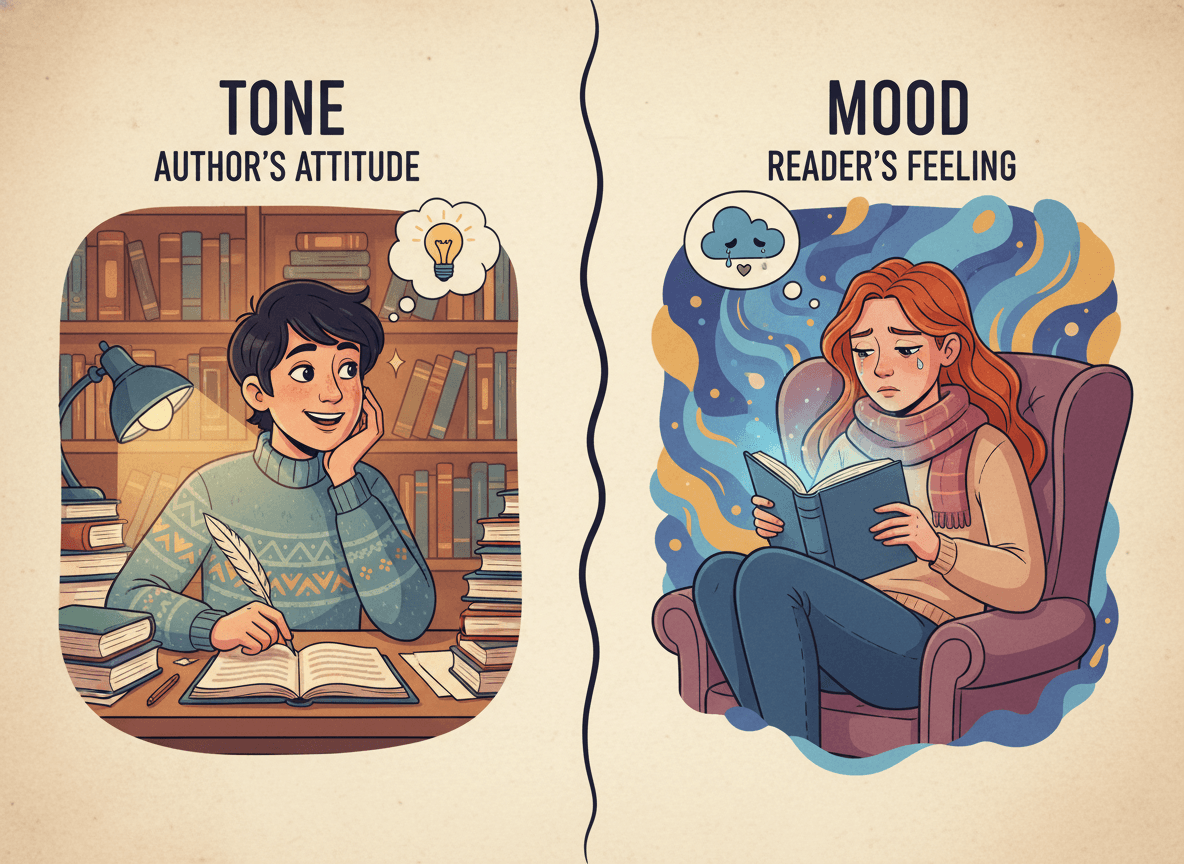
- Tone is the author's attitude toward the subject or audience (e.g., formal, humorous, melancholy, hopeful) - it tells you HOW the author feels about what they are writing.
- Mood is the emotional atmosphere of the text that the READER experiences (e.g., suspenseful, joyful, eerie, peaceful) - it tells you how the text makes you feel.
- Both tone and mood are created through word choice (diction), imagery, sentence structure, and the details the author chooses to include.
What Are Mood and Tone in Writing?
Tone and mood are two closely related concepts in literary analysis. Students often confuse them because both are about feeling - but they describe feelings from different perspectives.
-
Tone = the author's attitude toward the subject or audience
-
Mood = the reader's emotional experience of the text
A simple way to remember: Tone is the author's voice; Mood is the reader's feeling.
Tone: The Author's Attitude
The tone of a piece of writing reflects how the author feels about what they are writing - their attitude toward the subject, the characters, or the reader. Tone is communicated through the choices the author makes.
Common Tone Words
hopeful, optimistic, playful, admiring: bitter, critical, sarcastic, melancholy - nostalgic, solemn, ironic, wistful
formal, authoritative: urgent, desperate - detached, mysterious
Example: An author writing about a beloved grandmother might use a nostalgic or warm tone. An author writing about corruption in government might use a critical or outraged tone.
Mood: The Reader's Emotional Experience
The mood is the overall emotional atmosphere of the text - the feeling it creates in the reader. Mood is often described with adjectives that name emotions or sensory experiences.
Common Mood Words
suspenseful, eerie, joyful, melancholy, peaceful, tense, hopeful, gloomy, romantic, mysterious, foreboding, whimsical
Example: A horror story might have an eerie, tense mood. A poem about spring flowers might create a joyful, peaceful mood.
How Tone and Mood Are Created
Both tone and mood are products of the craft choices authors make:
1. Word Choice (Diction)
Words carry connotations - emotional associations beyond their literal meaning.
walked: trudged - glided
house: shack - manor
smell: stench - aroma
child: brat - cherub The choice between "trudged" and "glided" communicates tone and creates mood instantly.
2. Imagery
Sensory language shapes mood powerfully:
- Dark, cold, sharp imagery → eerie, foreboding mood
- Bright, warm, flowing imagery → peaceful, joyful mood
3. Sentence Structure
- Short, choppy sentences → urgency, tension, fear
- Long, flowing sentences → calm, reflection, nostalgia
- Sentence fragments → intimacy, breathlessness
4. Details Selected
Authors choose which details to include. Describing a forest by focusing on "gnarled roots and shadows" creates a different mood than describing "dappled sunlight and birdsong" - even if both describe the same place.
Tone vs. Mood: Side by Side
****Whose feeling?: Author's
****How is it conveyed?: Author's choices
Question to ask: "How does the author feel about this?"
Example: Sarcastic, urgent, nostalgic
Analyzing Tone and Mood Together
A skilled reader analyzes both:
In a story where a character is described as "dragging his feet through the mud, watching the gray sky swallow the last light," the tone might be melancholy (the author seems to feel sadness), and the mood created in the reader might be gloomy or hopeless.
Both come from the same craft choices - the mud, the gray, the "swallow."
Practice Activities
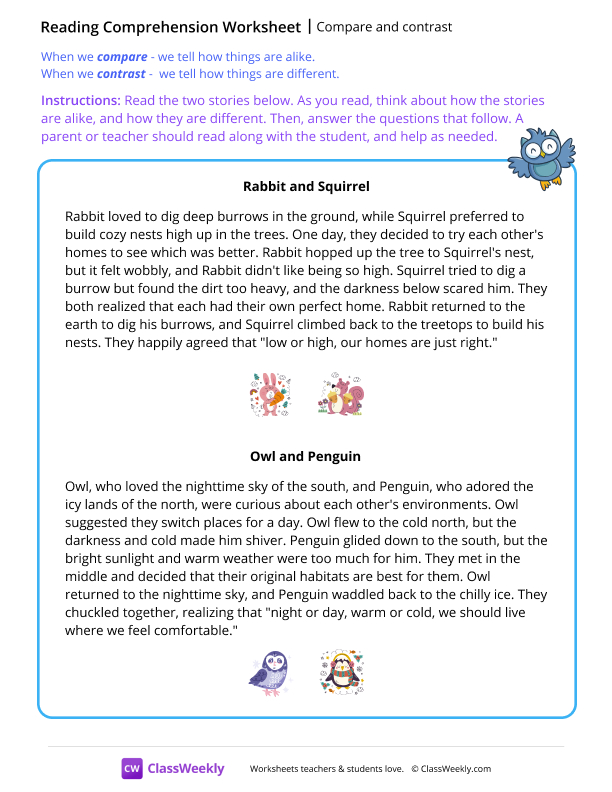
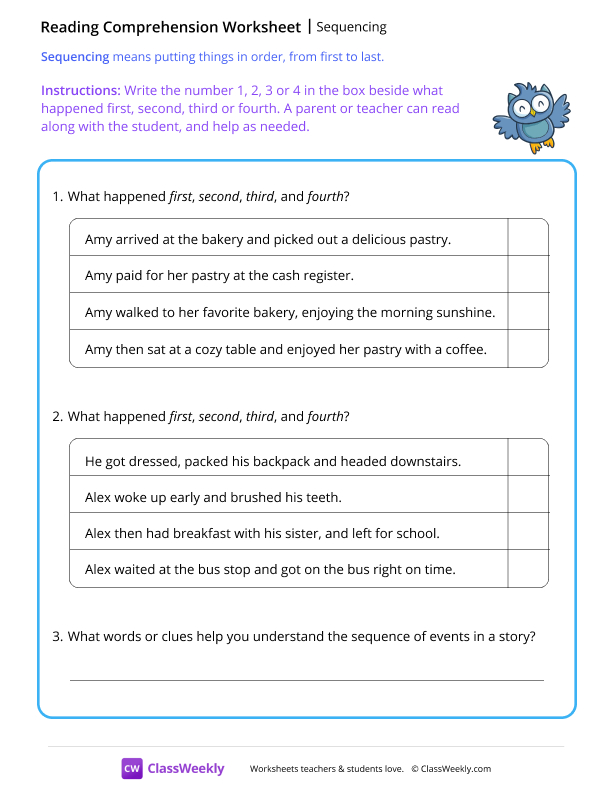
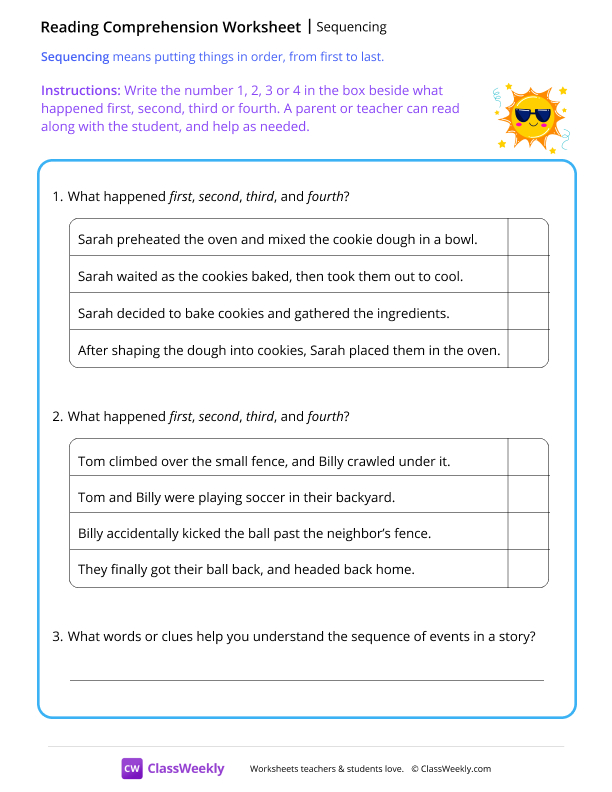
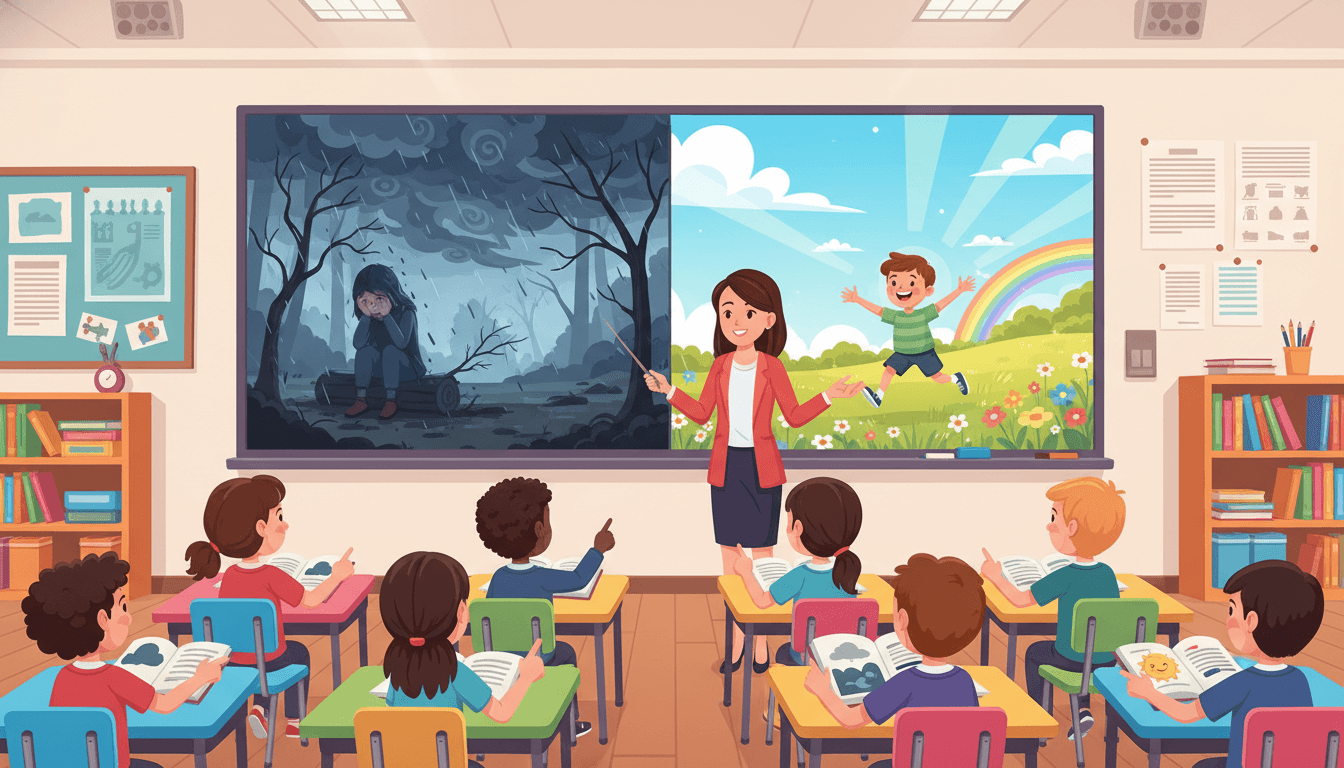
- Provide two versions of the same scene written with different tones (e.g., joyful vs. somber descriptions of a storm) and have students identify the tone of each and explain which word choices create it.
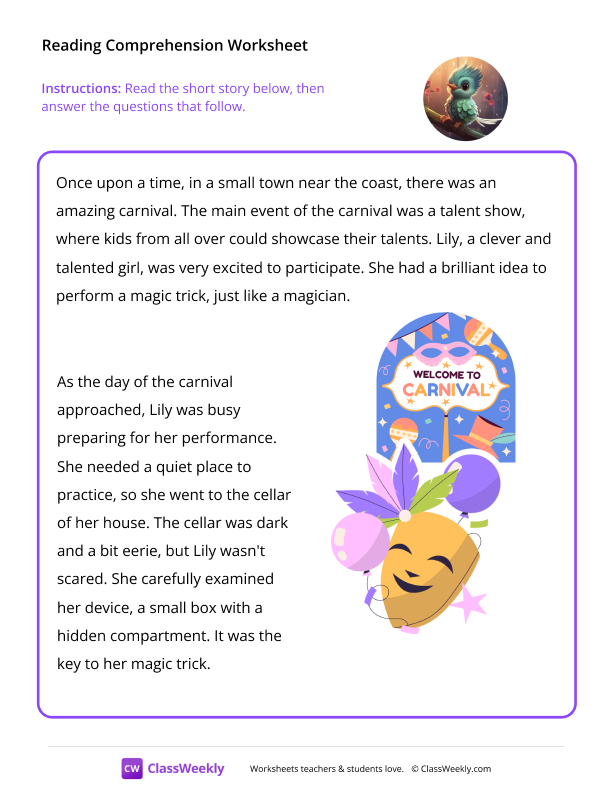
- Give students a list of tone words and a passage - they choose the three best words and cite specific evidence.
- Mood gallery walk: post brief excerpts around the room; students move from excerpt to excerpt recording the mood each creates and explaining why.
- Have students rewrite a neutral paragraph in two different tones - the same content, different word choices - then share and compare.
- Read the opening paragraph of a novel together and identify both tone and mood before reading further - then check predictions at the end.
Frequently Asked Questions
What is the simplest way to tell tone and mood apart?
A helpful shortcut: tone is the AUTHOR's attitude (how the writer feels toward the subject), while mood is the READER's experience (how the text makes the reader feel). The author creates tone through their choices; those choices create mood in the reader. Imagine describing a storm: a tone of wonder vs. a tone of terror will create very different moods in the reader.
What words describe tone?
Common tone words include: formal, informal, serious, humorous, sarcastic, nostalgic, melancholy, hopeful, critical, admiring, playful, urgent, solemn, bitter, optimistic, and passionate. Students can build tone vocabulary by matching passages to tone words and explaining which specific words in the text create that tone.
How does word choice create tone and mood?
Every word an author chooses carries connotations - emotional associations beyond the literal definition. Compare 'walked' (neutral), 'trudged' (heavy, tired), and 'glided' (light, effortless). Choosing 'trudged' creates a heavier, more melancholy tone and a somber mood. Choosing 'glided' creates a lighter, more joyful tone. This is why analyzing word choice is one of the best entry points for identifying tone and mood.
Free Mood and Tone Worksheets
Curriculum-aligned printable worksheets for 4th – 5th Grade. Download free.