What Is a Myth?
Taught in US schools
Key Takeaways
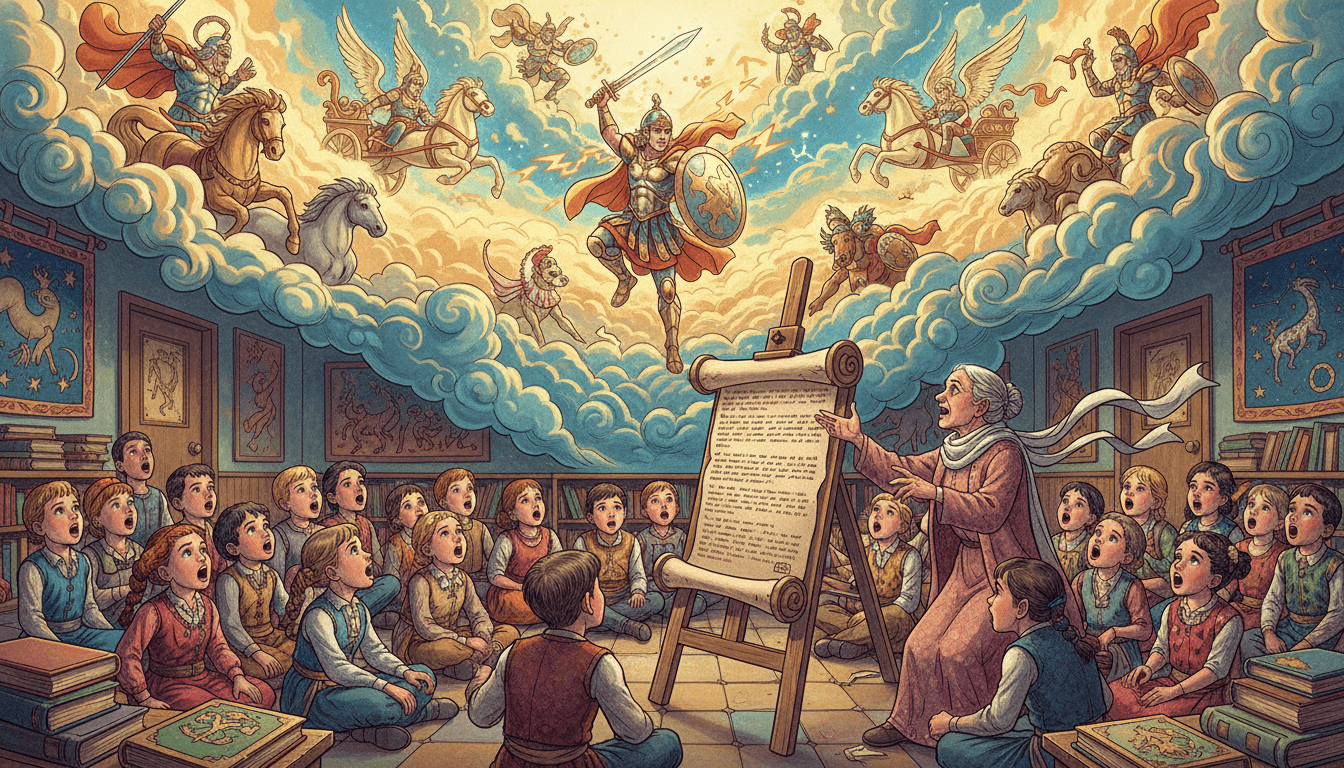
- A myth is a traditional story that explains how something in the world came to be - such as the seasons, the sun's movement, or the origin of fire.
- Myths feature gods, goddesses, and supernatural beings as main characters, unlike folktales and fables which typically feature humans or animals.
- The most studied myth traditions in elementary school are Greek, Roman, and Norse - each with its own pantheon of gods and set of stories.
What Is a Myth?
A myth is a traditional story, typically very old, that was created by a culture to explain:
- How the world or a natural phenomenon came to be (origin stories)
- The deeds, conflicts, and relationships of gods and supernatural beings
- Why humans behave as they do, or what virtues and values a culture prizes
Myths are distinct from other folk literature because they feature gods and supernatural beings as main characters and often attempt to explain natural phenomena like the seasons, earthquakes, or the movement of the sun.
Characteristics of a Myth
Gods and supernatural beings: Main characters are deities or demigods
Explains natural phenomena: Tells why/how something in nature exists
Ancient and oral in origin: Passed down verbally before being written
Teaches cultural values: Embeds lessons about pride, loyalty, courage, fate
Larger-than-life events: Impossible feats, divine intervention, magical objects
Major Myth Traditions
Greek Mythology
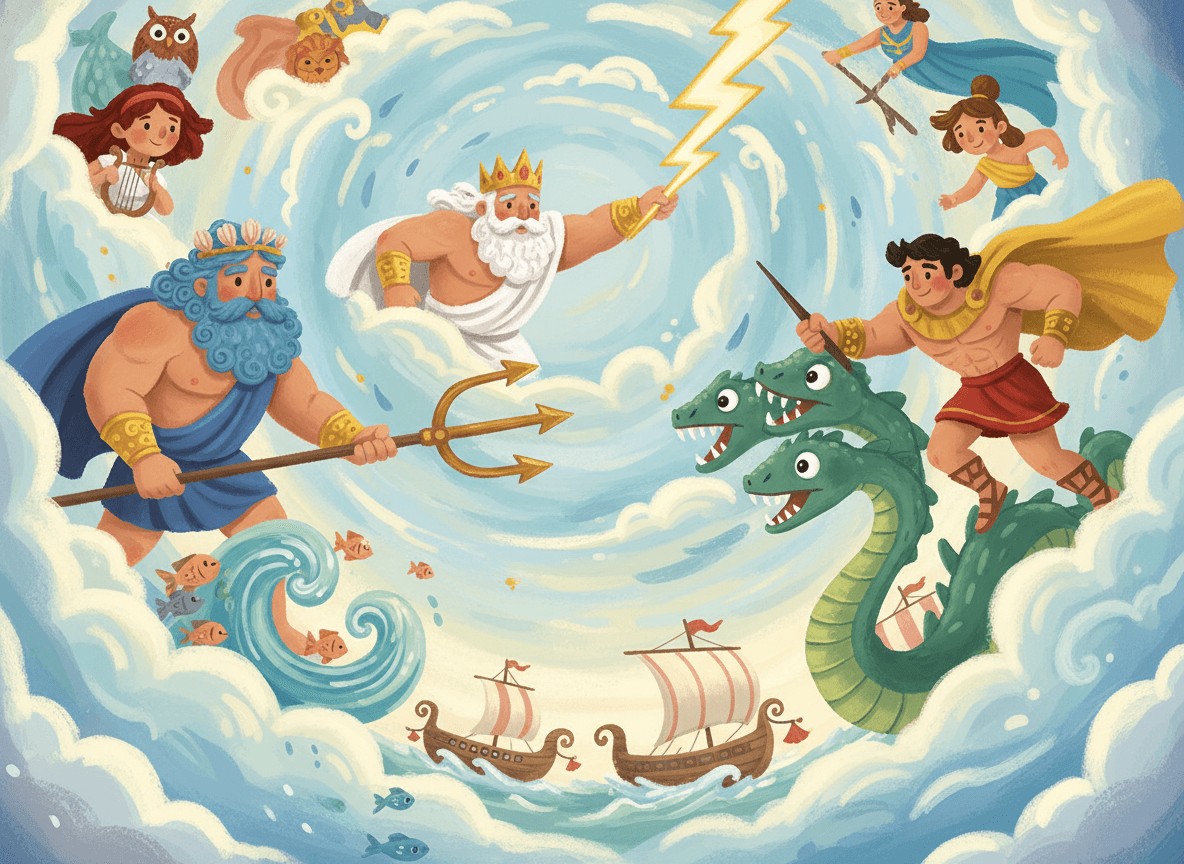
The Greeks believed in a pantheon of gods living on Mount Olympus:
-
Zeus - king of the gods, god of lightning
-
Athena - goddess of wisdom
-
Poseidon - god of the sea
-
Hera - queen of the gods
-
Apollo - god of the sun and music
-
Demeter - goddess of the harvest (her story explains the seasons)
Famous Greek myths for elementary students: Persephone and the Seasons, Icarus and Daedalus, Prometheus and Fire, Arachne, Hercules.
Roman Mythology
Roman myths are largely adapted from Greek mythology with renamed gods: Zeus → Jupiter, Athena → Minerva, Poseidon → Neptune, Aphrodite → Venus.
Norse Mythology
Norse (Scandinavian) myths feature gods like Odin (wisdom), Thor (thunder), and Loki (trickster). Norse myths often have a darker tone and feature the concept of Ragnarok - the end of the world.
Myths vs. Other Folk Literature
Myth: Gods, demigods - Explain nature/world - Ancient cultures
Legend: Human heroes (semi-historical) - Celebrate cultural heroes - Historical events
Folktale: Common people, animals - Entertain, share values - Any culture
Fable: Animals - Teach a moral - Ancient traditions
Tall Tale: Superhuman humans - Humor, American pride - American frontier
Pourquoi Myths (How/Why Stories)
Many myths are pourquoi (French for "why") stories - they explain why something in nature is the way it is:
- Why we have seasons (Persephone)
- How spiders came to spin webs (Arachne)
- How humans got fire (Prometheus)
- Why the sky is dark at night
These stories connect naturally to science units on Earth science, life cycles, and natural phenomena.
Themes in Myths
Common themes worth discussing with students:
-
Hubris (excessive pride leading to downfall) - Icarus, Arachne
-
Loyalty and sacrifice - Orpheus and Eurydice
-
The tension between gods and mortals - Prometheus
-
Fate vs. free will - Oedipus (simplified for older students)
Practice Activities
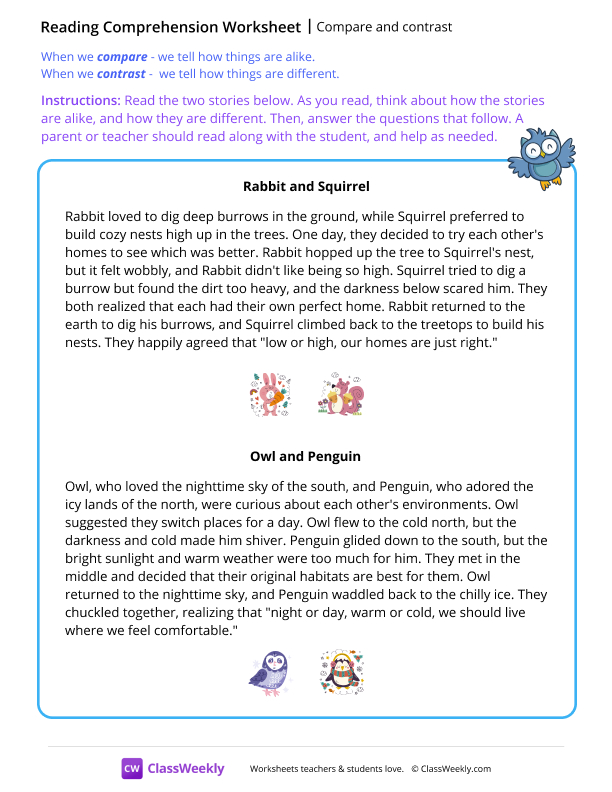
- Compare the Greek myth of Demeter and Persephone with a science lesson on the seasons - how does the myth explain what science now tells us?
- Create a "Myth Map" classifying each story: what does it explain? Who are the gods? What theme does it show?
- Have students write their own myth explaining a natural phenomenon (e.g., why it thunders, why leaves change color).
- Compare two versions of the same myth (Greek and Roman names) - how are they similar and different?
- Research project: students choose one Greek god, research their powers, symbols, and myths, and present to the class.
Frequently Asked Questions
What is the difference between a myth and a legend?
A myth typically involves gods or supernatural beings and explains how things in the natural world came to be. A legend features a human hero (often based on a real or semi-real person) whose deeds are exaggerated over time. Examples: Hercules is a myth (son of a god, performs impossible feats); King Arthur is a legend (based loosely on possible historical figures).
What are the most common Greek myths for elementary students?
Common Greek myths for grades 3-5 include: Persephone and the Seasons (explains why we have winter), Prometheus and Fire (explains the origin of fire), Icarus and Daedalus (a cautionary tale about hubris), Arachne (explains the origin of spiders), Echo and Narcissus, and the Twelve Labors of Hercules. These stories are engaging, have clear themes, and connect to science topics.
How are Greek and Roman myths related?
Roman mythology largely adopted Greek mythology and renamed the gods. Zeus (Greek) became Jupiter (Roman); Athena became Minerva; Poseidon became Neptune; Aphrodite became Venus. The stories are essentially the same - just with different names. Students often encounter both sets of names in upper elementary and middle school.
Free Myth Worksheets
Curriculum-aligned printable worksheets for 3rd – 5th Grade. Download free.