What Is a Tall Tale?
Taught in US schools

Key Takeaways
- A tall tale is an American folk story with a hero who has superhuman abilities and performs wildly exaggerated, impossible feats.
- Key features include extreme exaggeration (hyperbole), humor, colloquial language, and a frontier or working-class American setting.
- Famous tall tale heroes include Paul Bunyan (logging), Pecos Bill (cowboy), John Henry (railroad), Calamity Jane, and Sally Ann Thunder Ann Whirlwind.
What Is a Tall Tale?
A tall tale is a type of American folk story known for wildly exaggerated events, a larger-than-life hero, and humor rooted in the working-class American frontier experience. The "tall" in tall tale refers to the outlandish, impossible nature of the stories - they are "tall" in the sense of being hard to believe.
Key Features of a Tall Tale
Larger-than-life hero: The main character has superhuman strength, skill, or size
****Extreme exaggeration (hyperbole): Events are wildly impossible, meant to be funny
Humor: The tone is playful and comedic
Colloquial language: Folksy, informal speech reflecting American regional dialects
American frontier setting: Often set in the wilderness, logging camps, prairies, or railroad lines
Problem-solving: The hero uses extraordinary ability to solve a real problem
Famous Tall Tale Heroes
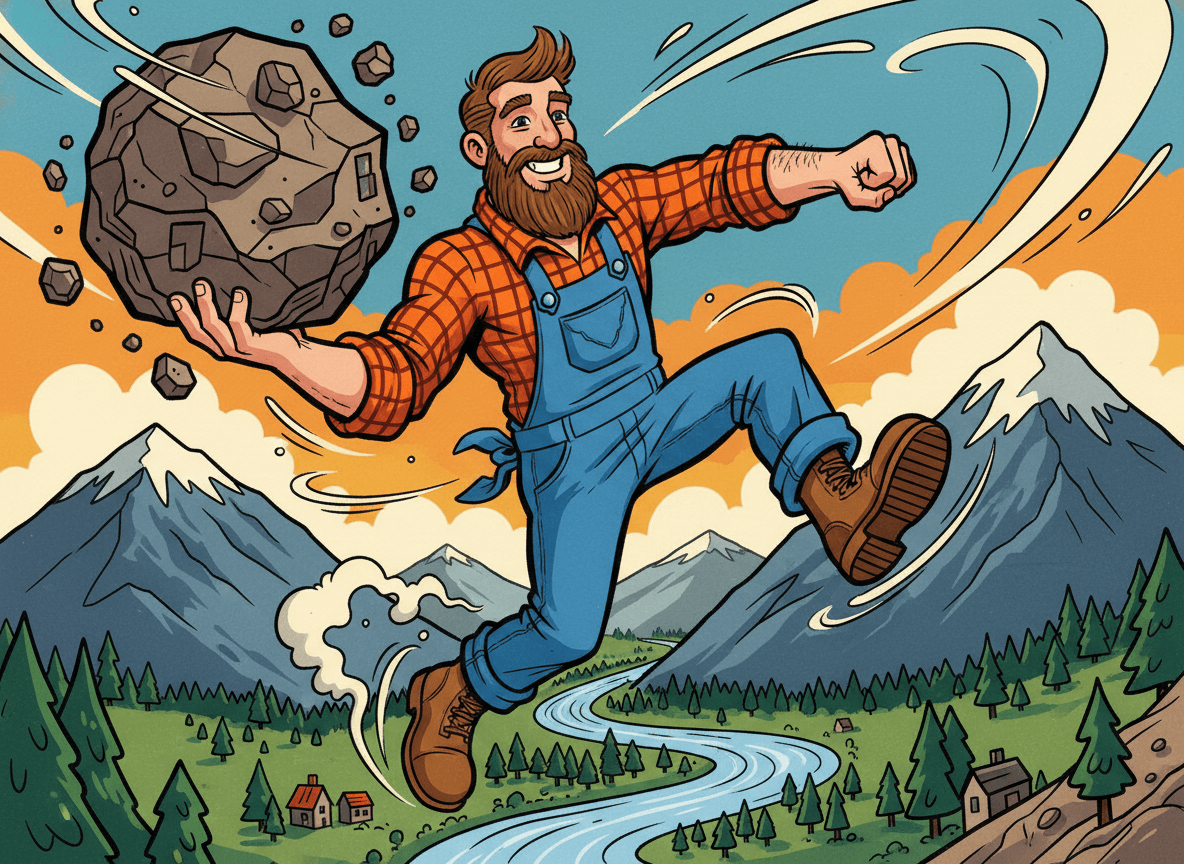
Paul Bunyan - A giant lumberjack from the logging camps of the American North. His footsteps created the Great Lakes; his blue ox Babe was as wide as the distance between his horns. Paul and Babe carved out the Grand Canyon by dragging Paul's giant pick.
Pecos Bill - The greatest cowboy who ever lived. He used a rattlesnake as a lasso, rode a tornado, and taught broncos what bucking was.
John Henry - A steel-driving railroad worker who raced a steam-powered drill to prove that a man could outwork a machine. He won the race - but the effort cost him his life. John Henry's story also reflects the African American experience in post-Civil War America.
Calamity Jane - A sharpshooter, scout, and frontier woman of the Wild West, known for daring adventures in the American frontier.
Sally Ann Thunder Ann Whirlwind - A lesser-known but equally fierce tall tale heroine, sometimes paired with Davy Crockett in frontier tales.
Tall Tales vs. Other Folk Literature
Tall Tale: American frontier - Superhuman human - Humor + cultural pride
Myth: Ancient world - Gods/demigods - Explain natural phenomena
Fable: Any - Animals - Teach a moral lesson
Folktale: Various cultures - Common people - Entertain + share values
Tall Tales and Hyperbole
Tall tales are the perfect teaching context for hyperbole - extreme exaggeration used for humor or emphasis. When Paul Bunyan's footsteps created lakes, or when Pecos Bill used a tornado as a bucking bronco, students can see and feel what hyperbole looks like at its most extreme.
Oral Tradition and American Culture
Tall tales originated as oral stories told by workers in logging camps, on cattle drives, and along railroad routes in the 1800s. They celebrated the American values of hard work, independence, ingenuity, and humor in the face of hardship. Many were collected and published in the 19th and 20th centuries.
Practice Activities
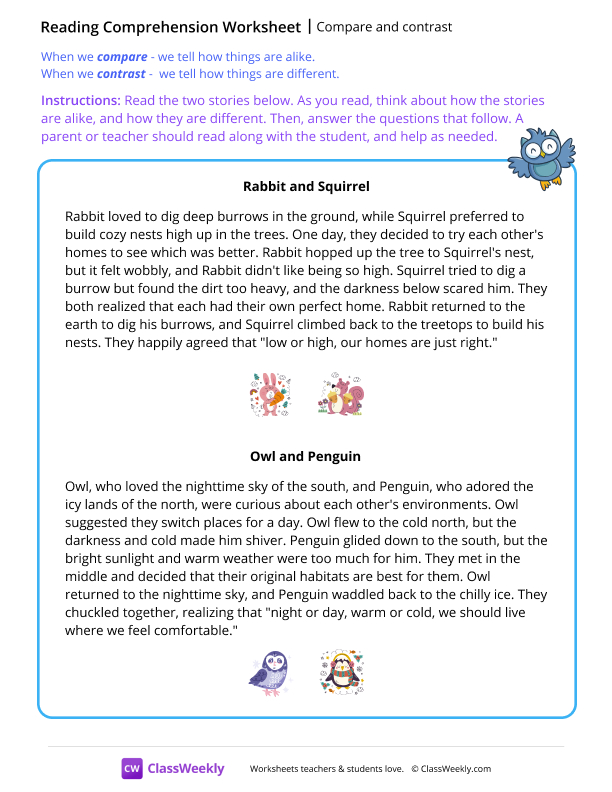
- Compare two tall tales (e.g., Paul Bunyan and John Henry): what problems do they solve? What makes each hero special? Use a Venn diagram.
- Have students write their own tall tale about a superhero version of themselves - encourage maximum exaggeration.
- Identify at least three examples of hyperbole in a shared tall tale text and discuss why each is funny.
- Create a class "Tall Tale Hall of Fame" bulletin board with student drawings and brief biographies of tall tale heroes.
- Read aloud in an exaggerated storytelling voice to model the oral tradition roots of the genre.
Frequently Asked Questions
What makes a tall tale different from a regular fiction story?
The main difference is the degree and type of exaggeration. In regular fiction, events are impossible but could be imagined (a talking animal, a magic spell). In a tall tale, the exaggeration is so extreme that it is meant to be funny - a man so big his footsteps created the Grand Canyon, or a baby born fully grown and able to talk. The humor and the connection to American history and work culture are also distinctive.
Where do tall tales come from?
Tall tales grew out of American oral tradition - stories told by workers in logging camps, on cattle drives, on railroad crews, and on the frontier during the 1800s. They celebrated the ideals of hard work, strength, and cleverness. Many were told as entertainment around campfires and were later written down and published.
What is the connection between tall tales and hyperbole?
Hyperbole - extreme exaggeration for emphasis or humor - is the defining literary device of a tall tale. Every tall tale hero does something physically impossible with humor as the goal. Teaching tall tales is an ideal context for introducing hyperbole, because the exaggeration is so obvious and fun that students grasp the concept immediately.
Free Tall Tale Worksheets
Curriculum-aligned printable worksheets for 2nd – 4th Grade. Download free.