What Is a Folktale?
Taught in US schools
Key Takeaways
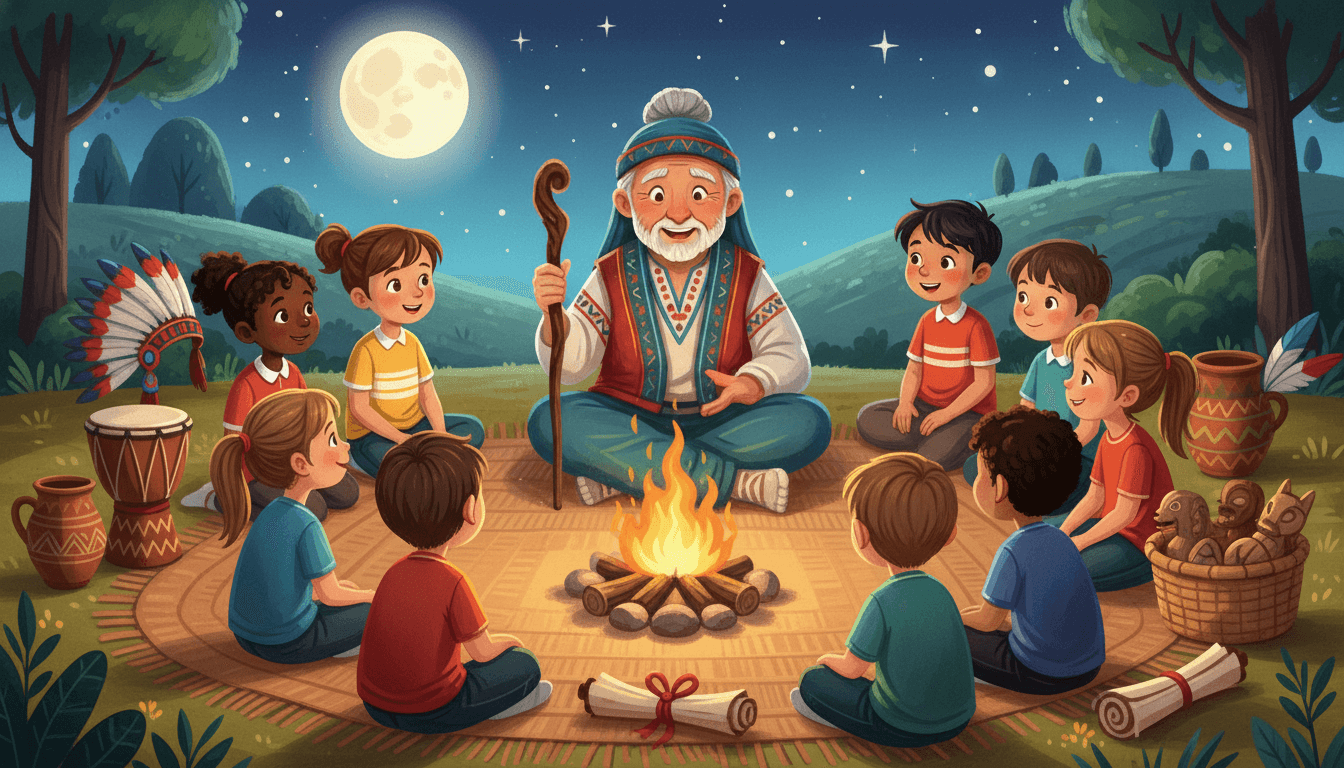
- A folktale is a traditional story originally told orally and passed down through generations within a culture.
- Types of folktales include fairy tales, fables, trickster tales, pourquoi (how/why) tales, and legends.
- Folktales from different cultures often share universal themes - kindness rewarded, cleverness valued, pride punished - even when the specific characters and settings differ.
What Is a Folktale?
A folktale is a traditional story that originated in oral tradition - it was told aloud and passed from generation to generation within a culture long before it was ever written down. Folktales reflect the values, beliefs, and humor of the cultures that created them.
The word folk refers to ordinary people: folktales are the stories of everyday communities, not just kings and heroes.
Types of Folktales
Folktales is an umbrella term that includes several related story types:
Fairy Tales
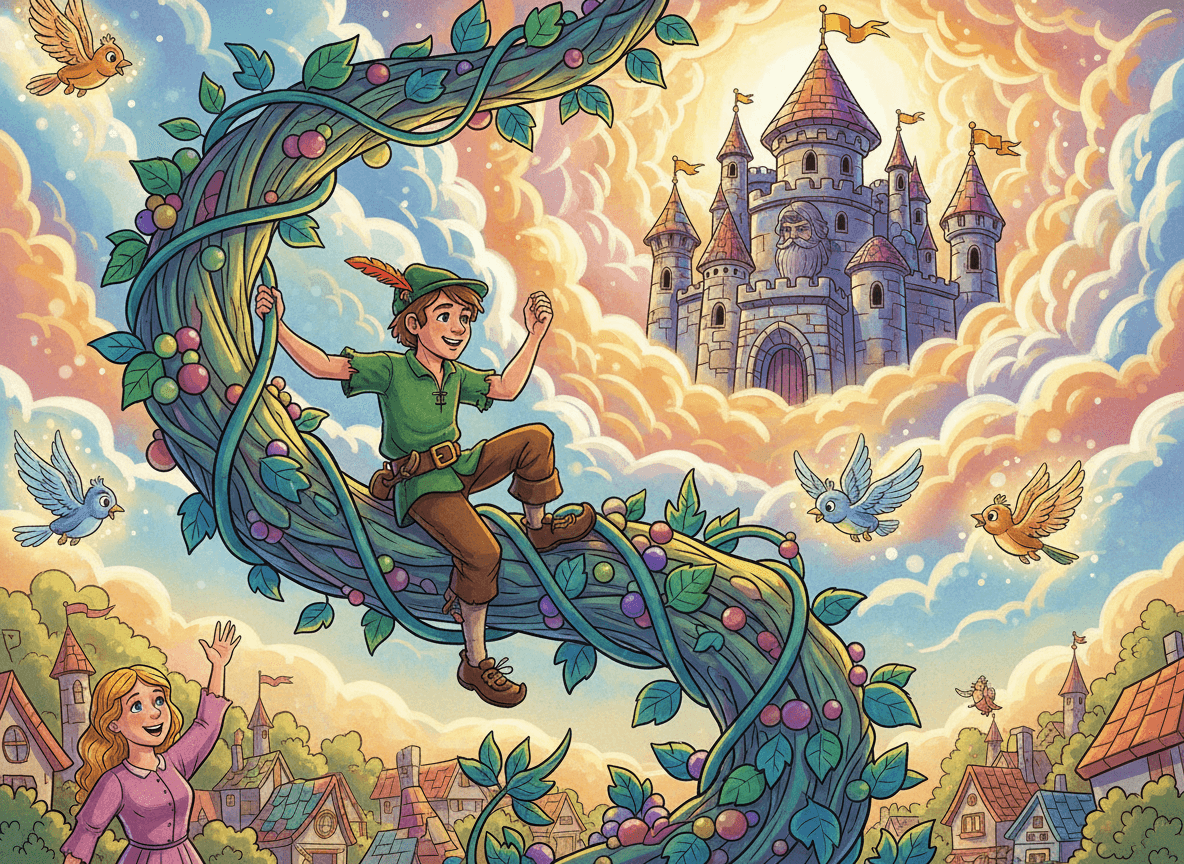
Fairy tales involve magic, enchantments, and often royalty. They follow predictable patterns (rule of three, hero/villain structure) and almost always end happily.
Examples: Cinderella, Sleeping Beauty, The Three Little Pigs, Hansel and Gretel, Rumpelstiltskin
Fables
Short stories with animals as characters, ending with an explicit moral lesson.
Examples: Aesop's fables - The Tortoise and the Hare, The Boy Who Cried Wolf, The Ant and the Grasshopper
Trickster Tales
The hero is a clever, cunning character who uses wit to outsmart more powerful opponents. Trickster tales celebrate cleverness and humor.
Examples: Anansi the Spider (West Africa), Coyote (Native American), Brer Rabbit (African American), Raven (Pacific Northwest)
Pourquoi Tales
Pourquoi means "why" in French. These stories explain how or why things in nature came to be.
Examples: Why the elephant has a long trunk, How fire came to the animals, Why the bear has a short tail
Legends
Traditional stories believed to have some historical basis, featuring human heroes whose deeds are exaggerated over time. (Examples: Robin Hood, King Arthur)
Universal Themes Across Cultures
One of the most fascinating aspects of folktales is how the same themes appear across cultures that never had contact with each other:
Kindness rewarded: Cinderella (European), Yeh-Shen (Chinese)
Cleverness over strength: Anansi, Brer Rabbit, Coyote
Greed punished: Many European and Asian folktales
Three chances or three brothers: Nearly universal Comparing folktales from different cultures is a rich reading and social studies activity.
Common Folktale Features
-
Opening formula - "Once upon a time," "Long ago and far away," "In the days when animals could speak"
-
The rule of three - three tasks, three brothers, three wishes
-
Archetypal characters - the kind youngest child, the greedy villain, the wise old woman
-
Clear moral or lesson - often stated at the end, especially in fables
-
Closing formula - "And they lived happily ever after," "And so it is to this day"
Folktales vs. Myths, Legends, and Tall Tales
Folktale: Common people, animals - Entertain, share values - Oral tradition, any culture
Myth: Gods and supernatural beings - Explain natural phenomena - Ancient cultures
Legend: Semi-historical heroes - Celebrate cultural figures - Historical events
Tall Tale: Superhuman Americans - Humor, frontier pride - American oral tradition
Practice Activities
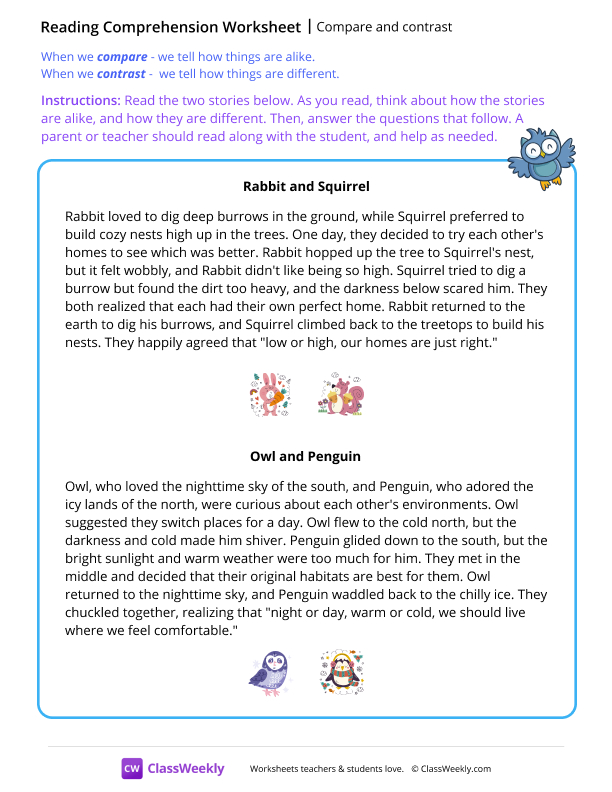
- Read two versions of Cinderella from different cultures (e.g., European Cinderella and Chinese Yeh-Shen) and compare using a Venn diagram.
- Sort a set of short story summaries into folktale types: fairy tale, fable, trickster tale, pourquoi tale.
- Have students identify the "rule of three" in a familiar fairy tale and discuss why stories often use this pattern.
- Create a class trickster tale: choose a trickster character, identify a problem they must solve cleverly, and write collaboratively.
- Research a folktale from a student's own cultural background and share it with the class.
Frequently Asked Questions
What is the difference between a folktale and a fairy tale?
A fairy tale is a type of folktale - it belongs to the folktale family. Fairy tales specifically involve magic, enchantments, and often royalty (princes, princesses, witches). Not all folktales have magic; trickster tales, fables, and pourquoi stories are folktales that may have no magical elements at all.
What makes a story a folktale rather than a modern fiction story?
Folktales originated in oral tradition - they were told aloud and passed down before being written. They typically have simple, archetypal characters (the kind girl, the greedy king), clear morals, and formulaic language ('Once upon a time,' 'They lived happily ever after'). Modern fiction is written by a known author and doesn't follow the same traditional patterns.
What are trickster tales?
Trickster tales feature a clever, cunning character who uses wit to outsmart stronger or more powerful characters. Famous tricksters include Anansi the Spider (West African/Caribbean tradition), Coyote (Native American traditions), Brer Rabbit (African American tradition), and Raven (Pacific Northwest traditions). Trickster tales often teach that intelligence can overcome physical power.
Free Folktale Worksheets
Curriculum-aligned printable worksheets for Kindergarten – 4th Grade. Download free.