What Is a Student Portfolio?
Taught in US schools

Key Takeaways
- A student portfolio is a curated collection of work that documents learning and growth over time.
- Portfolios can include writing pieces, projects, math work, art, reflections, and more.
- What makes a portfolio powerful is the student's reflection on their own learning.
- Portfolios shift assessment from a single score to an evidence-based conversation about growth.
What Is a Student Portfolio?
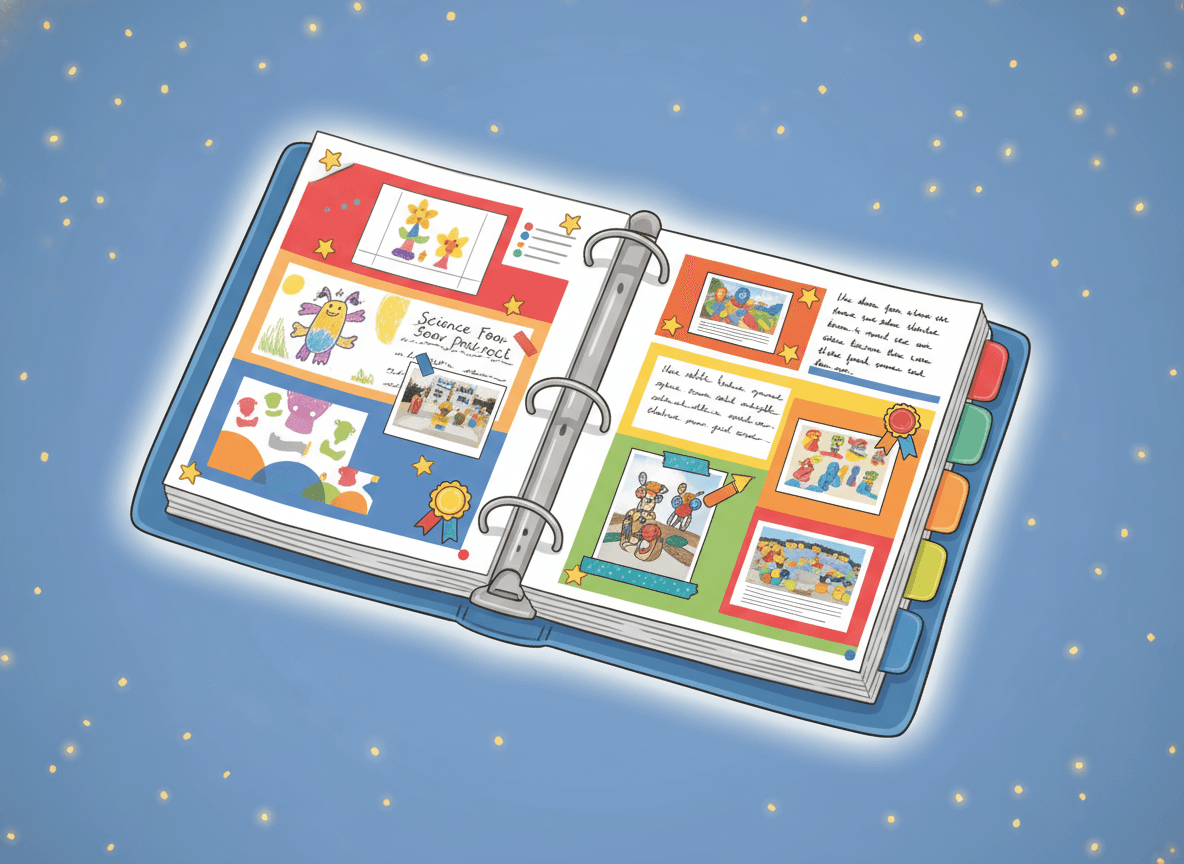
A student portfolio is a purposeful collection of work over time that tells the story of a student's learning, growth, and achievement. It is not just a folder where everything lands - a portfolio is curated, reflective, and organized to show meaningful evidence of development.
Portfolios are used in classrooms as an alternative or supplement to traditional tests, offering a richer, more holistic view of what a student knows and can do.
Types of Portfolios
Showcase Portfolio - Contains the student's best work. Chosen to represent what the student can do at their highest level.
Growth Portfolio - Contains work from different points in the year, chosen to show progress over time. Often includes an early piece and a later piece of the same type with student reflection.
Process Portfolio - Contains multiple drafts of the same piece, showing the full writing or problem-solving process from beginning to end.
Assessment Portfolio - Used specifically for evaluation. Contains evidence tied to specific learning objectives or standards.
Most classroom portfolios blend multiple types - showcasing best work while also documenting growth and process.
What Goes in a Portfolio
Portfolios can include:
- Writing pieces (brainstorming, drafts, final copies, reflections)
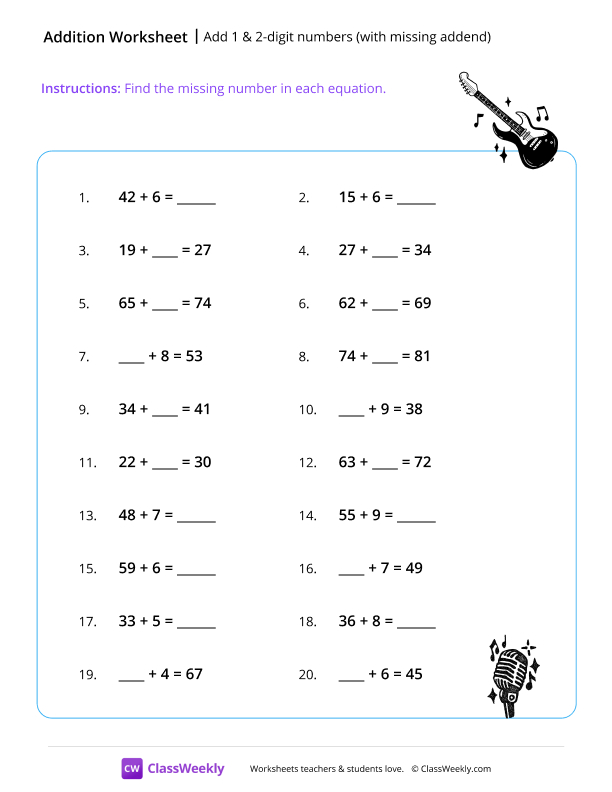
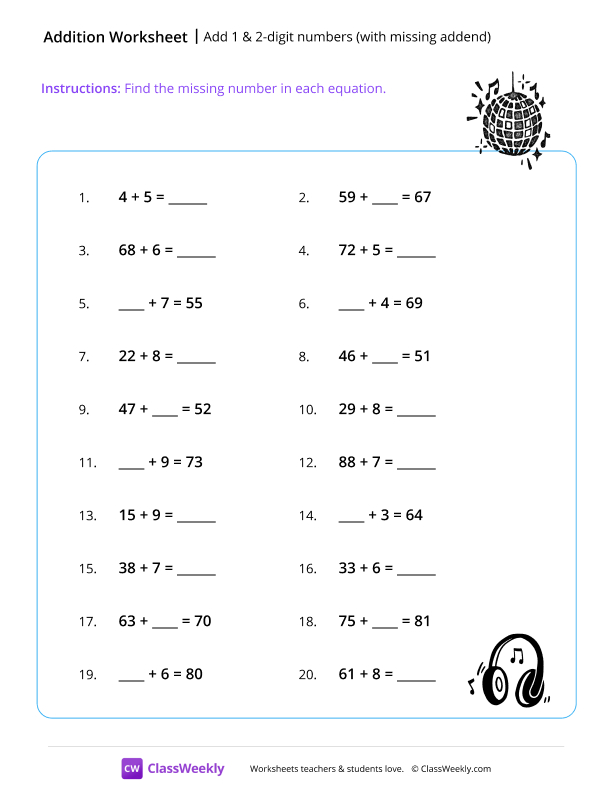
- Math problem-solving samples
- Science journal pages or lab reports
- Reading response entries
- Art or design projects
- Self-reflection letters or goal-setting sheets
- Teacher observations or conference notes
- Photographs of projects or presentations
The items chosen should have a reason behind them: "I included this piece because..."
The Reflection Component
Reflection is what separates a portfolio from a pile of work. Students should write brief reflections about each piece they include:
- Why did you choose this piece?
- What does it show about your learning?
- What are you proud of?
- What would you do differently?
These reflections build metacognitive habits - the ability to think about one's own thinking - that are among the most valuable skills education can develop.
Portfolio Conferences
A portfolio is most powerful when shared. Portfolio conferences bring students, teachers, and sometimes parents together to discuss the evidence of learning:
- What is the student most proud of?
- What shows the most growth?
- What goals has the student set for the next period?
Student-led portfolio conferences - where the student does the explaining - are especially powerful for building ownership of learning.
Practice Activities
- Introduce portfolios at the beginning of the year with a "baseline piece" - a writing sample or math problem solved under normal conditions. Return to it at midyear and end of year to show growth.
- Teach the selection process: give students 5 pieces of work and ask them to choose 2 for their portfolio and write a sentence explaining each choice.
- Portfolio share: schedule a portfolio sharing day where students pair up and talk each other through their portfolio.
- Digital portfolios: use tools like Seesaw or Google Slides for portfolios students can add photos, audio, and video to - especially powerful for non-writing evidence.
Frequently Asked Questions
What is a student portfolio in education?
A student portfolio is a purposeful collection of work that demonstrates a student's learning, growth, and achievement. Unlike a single test, a portfolio shows the full picture - the student's best work, their growth over time, their ability to reflect on their learning, and their individual strengths and goals. Portfolios may be physical (a folder or binder) or digital (a website or online platform).
What goes in a student portfolio?
Portfolios can include: writing drafts and final pieces, math problem-solving work, science lab reports or journal pages, art projects, reading response entries, self-reflections, assessments and goal-setting forms, and any work the student is proud of or that shows significant growth. The key is that items are selected with intention - not everything goes in, only items that tell a meaningful story about learning.
What makes a portfolio different from a folder of work?
A folder holds everything. A portfolio is curated and reflective. A portfolio includes: (1) intentionally selected pieces (not everything - just the work that best represents learning or growth), (2) student reflections on why each piece was chosen and what it shows, and (3) evidence of growth over time (comparing an early piece to a later piece on the same skill). The reflection piece is what makes a portfolio a learning tool, not just storage.
Free Portfolio Worksheets
Curriculum-aligned printable worksheets for Kindergarten – 5th Grade. Download free.