What Is Universal Design for Learning (UDL)?
Taught in US schools
Key Takeaways
- UDL is a proactive framework for designing instruction that works for all learners from the start.
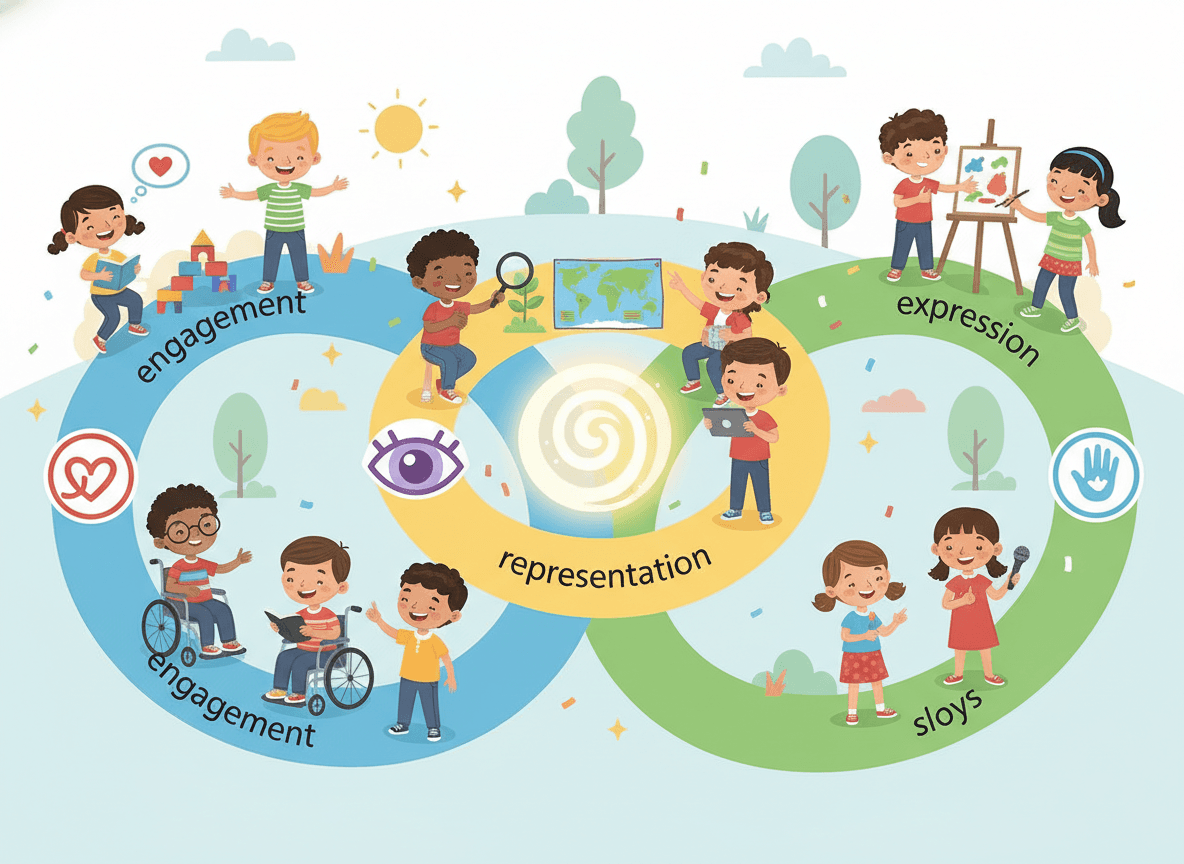
- UDL offers multiple means of representation, action/expression, and engagement.
- It reduces the need for individual accommodations by building flexibility into the design of lessons.
- UDL is not about lowering expectations - it is about removing barriers to achieving the same high expectations.
What Is Universal Design for Learning?
Universal Design for Learning (UDL) is an educational framework developed by CAST (Center for Applied Special Technology) that guides teachers to design flexible learning experiences that meet the needs of diverse learners from the beginning - not as an afterthought.
The name comes from architecture: "universal design" in buildings creates spaces that work for everyone - ramps instead of just stairs, automatic doors, clear signage. These features benefit everyone, not just people with disabilities. UDL applies the same principle to education.
Why Learner Variability Is the Norm
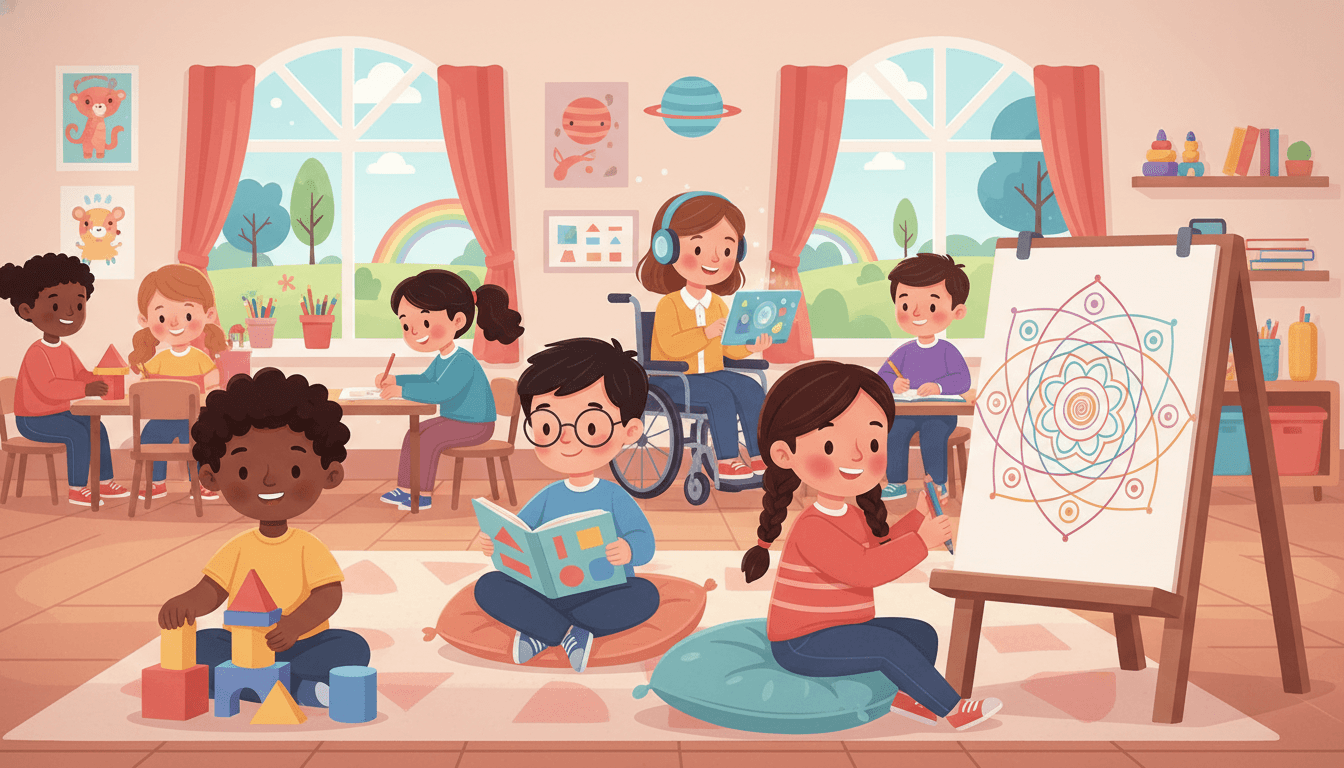
Traditional instruction assumes a "typical" learner and designs for that standard - then adds accommodations for those who don't fit. UDL starts from a different premise: there is no average brain. Every student brings a unique combination of strengths, challenges, backgrounds, and learning preferences.
Students vary in:
- How they best access information (visual, auditory, hands-on)
- How they can best show what they know (writing, speaking, drawing, building)
- What motivates and engages them
- What prior knowledge they bring
- What language processing challenges they face
The Three UDL Principles
1. Multiple Means of Representation Provide information in more than one format so all students can access the content.
Examples:
- Offer text AND audio versions of articles
- Use diagrams, videos, and physical models alongside written explanations
- Pre-teach key vocabulary with visual supports
- Caption all videos; provide transcripts of audio content
2. Multiple Means of Action and Expression Give students multiple ways to demonstrate their understanding.
Examples:
- Allow students to write, draw, record a video, build a model, or create a presentation
- Offer sentence frames or graphic organizers as scaffolds (not requirements)
- Allow oral responses as alternatives to written ones
- Give students choice in how they show what they know on assessments
3. Multiple Means of Engagement Offer options for how students engage with and stay motivated in learning.
Examples:
- Provide choice in topics, materials, or partners
- Offer different levels of challenge within the same activity
- Connect content to students' own lives and interests
- Offer structured support AND opportunities for autonomy
UDL vs. Accommodations
Accommodations are changes made for individual students (usually those with IEPs or 504 plans) after the lesson is already designed. UDL is proactive - it builds flexibility into the lesson design itself, reducing the need for individualized accommodations for many students.
UDL does not lower expectations. The goals remain the same for all students; the pathways to reaching those goals are varied.
Practice Activities
- Audit one lesson using UDL guidelines: "How am I presenting information? How can students show their learning? What choices am I offering?"
- Offer "menu" assessments: students choose from 3-4 options (write a paragraph, create an infographic, record a short explanation, build a model) to demonstrate their understanding.
- Build a vocabulary bank with visual supports for every unit - this benefits ELL students, students with learning disabilities, and any student who learns better with images.
- Give students a choice board for one project and reflect: "Who was more engaged? What did the range of products tell me about what students understood?"
Frequently Asked Questions
What is Universal Design for Learning?
Universal Design for Learning (UDL) is an educational framework developed by CAST (Center for Applied Special Technology) that guides teachers to design lessons with built-in flexibility that meets the needs of diverse learners from the beginning - rather than creating a single rigid lesson and then adding accommodations for students who struggle. UDL is based on research in cognitive neuroscience and the principle that learner variability is the norm, not the exception.
What are the three UDL principles?
UDL is organized around three principles: (1) Multiple Means of Representation - present information in different ways (visual, auditory, text, multimedia) so all students can access content. (2) Multiple Means of Action and Expression - give students multiple ways to demonstrate their learning (not just paper tests). (3) Multiple Means of Engagement - offer choices in how students engage with and stay motivated in learning.
What is the difference between UDL and differentiated instruction?
UDL and differentiated instruction are related but different. UDL is a design framework - it guides how lessons are planned from the beginning to be flexible and accessible. Differentiated instruction is a responsive approach - the teacher adjusts instruction after observing student needs. UDL asks: 'How can I design this so it works for everyone from the start?' Differentiated instruction asks: 'Who needs what, and how do I adjust?' Both are valuable; UDL reduces the need for individual adjustments.
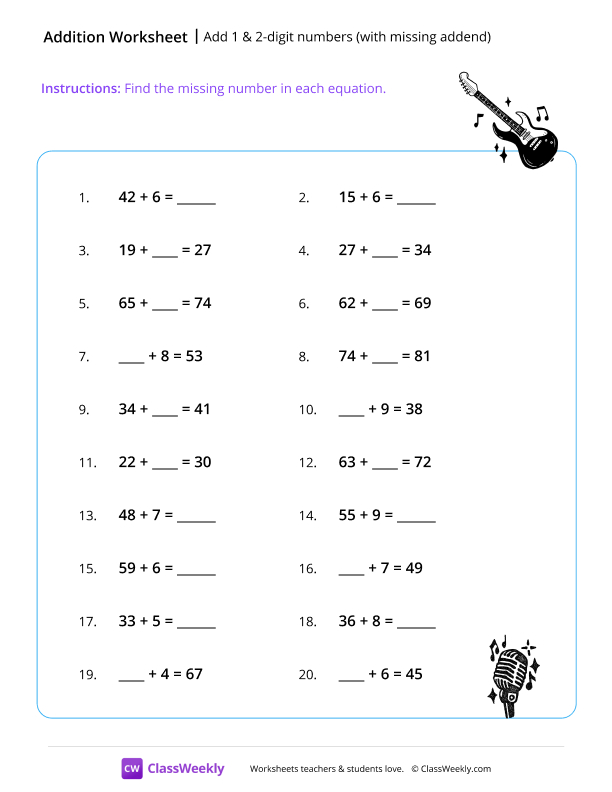
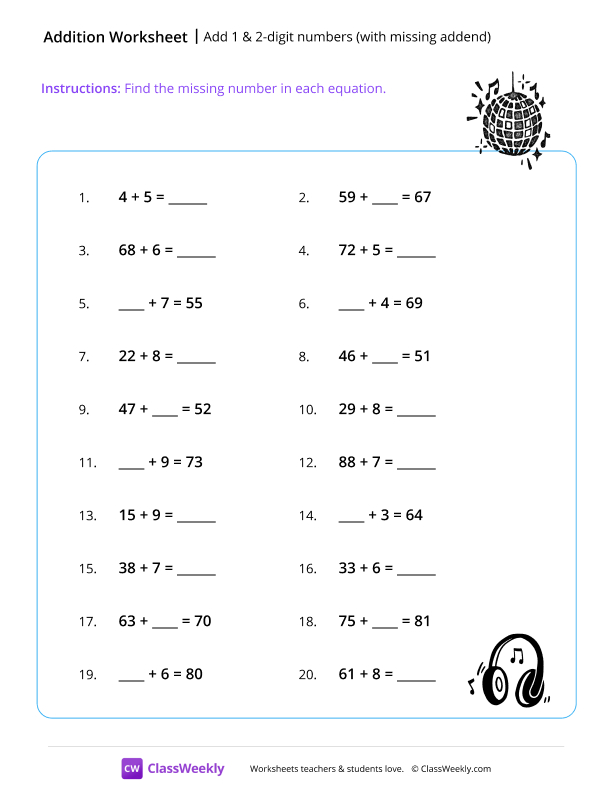
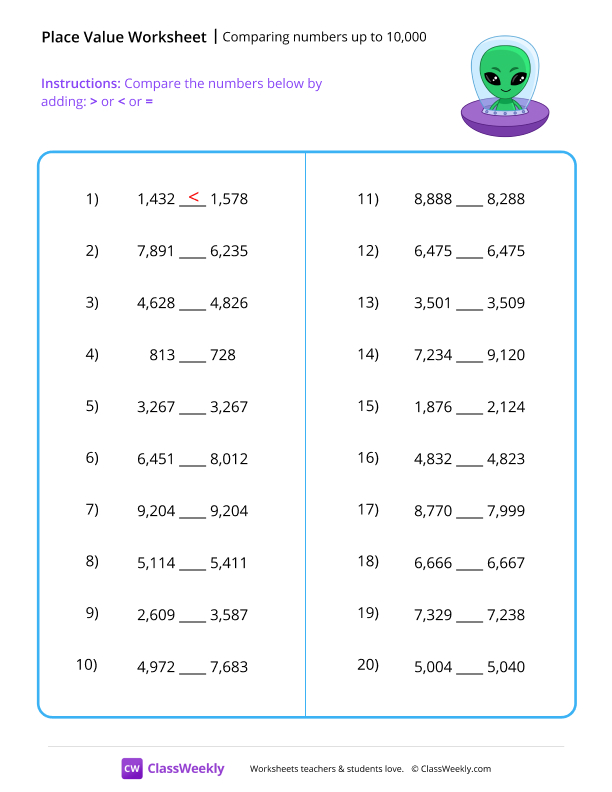
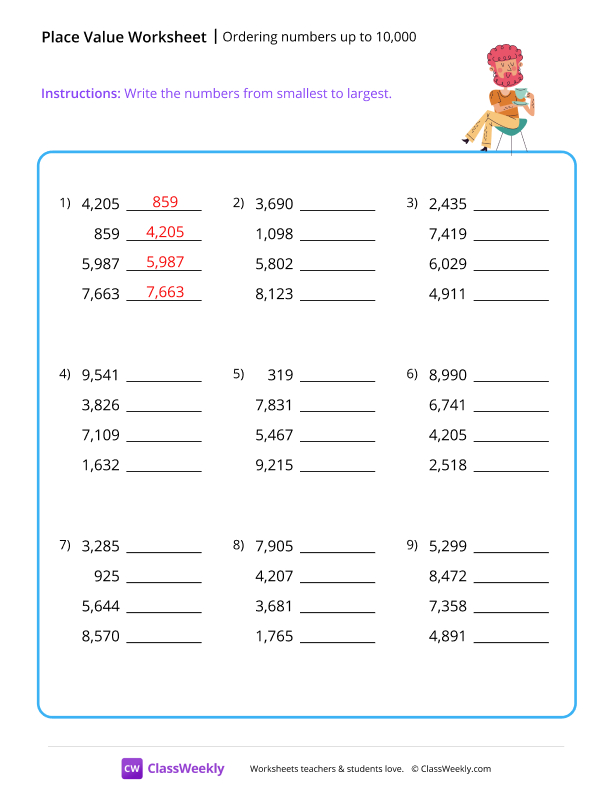
Free Universal Design for Learning Worksheets
Curriculum-aligned printable worksheets for Kindergarten – 5th Grade. Download free.