What Are Vowels?
Taught in US schools
Key Takeaways
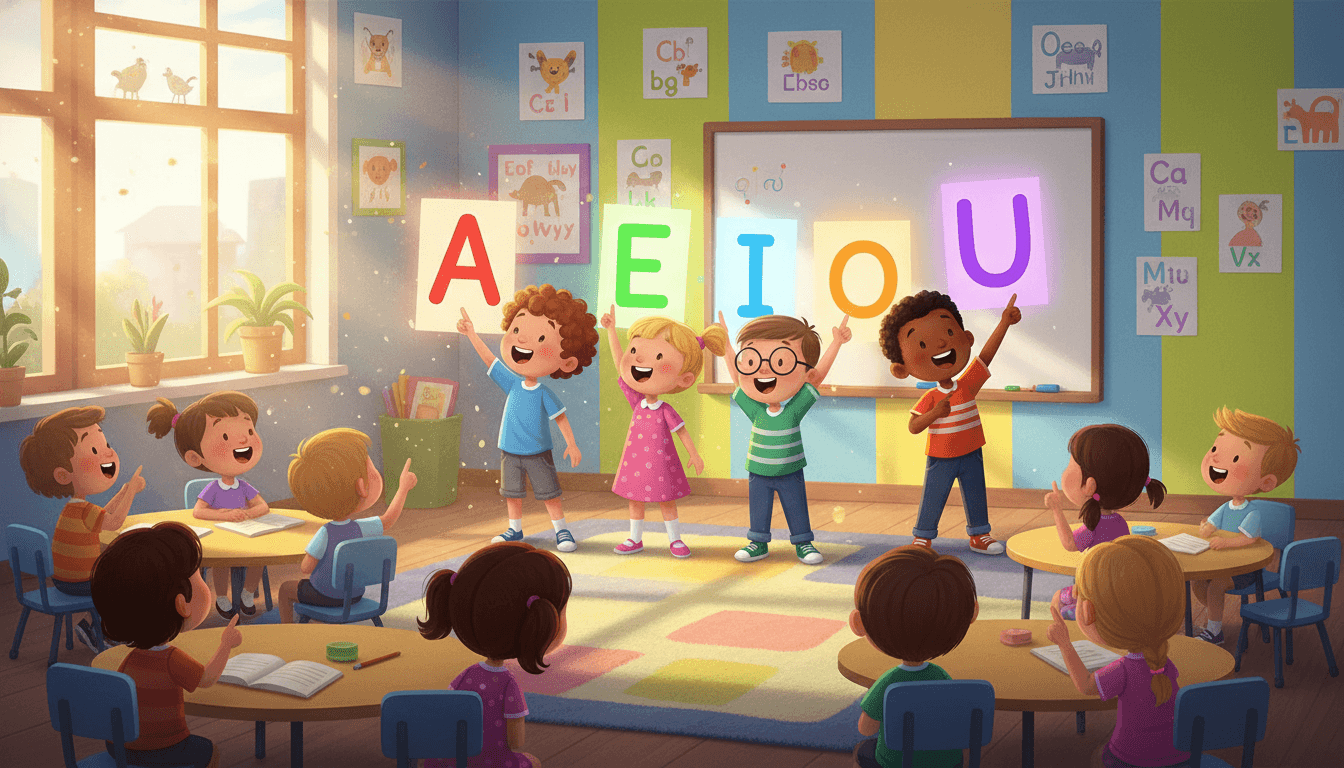
- Vowels are sounds (and letters) produced with an open mouth - A, E, I, O, U (and sometimes Y).
- Every syllable must contain at least one vowel sound.
- Vowels can be short (cat, pet) or long (cake, kite), among many other sounds.
- English has 5 vowel letters but approximately 15-20 distinct vowel sounds.
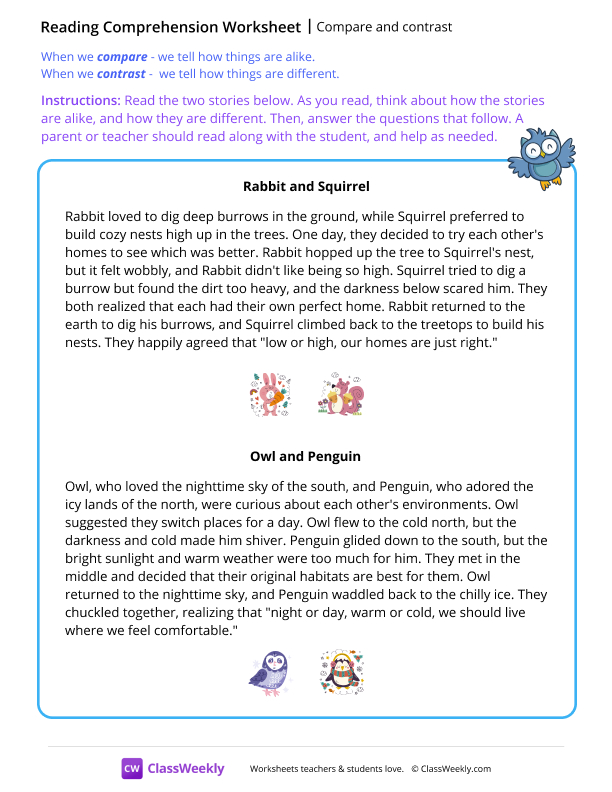
What Are Vowels?
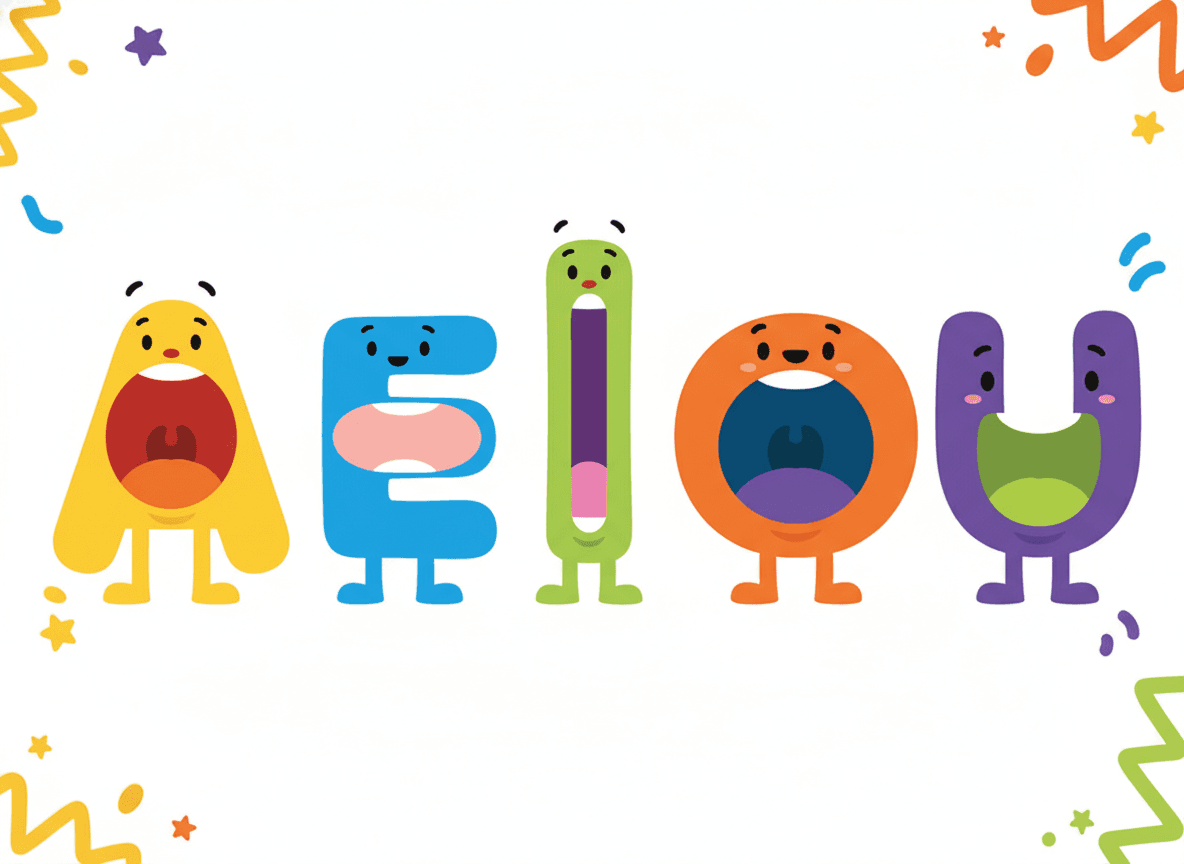
Vowels are speech sounds produced when air flows freely through the vocal tract - the mouth stays relatively open and the tongue doesn't block the airflow. In English, the vowel letters are A, E, I, O, U, and sometimes Y.
Every syllable in every English word must contain at least one vowel sound. This is a rule without exception - no syllable is made of consonants alone.
Vowels vs. Consonants
Vowels: produced with an open vocal tract; air flows freely (a, e, i, o, u)
Consonants: produced with some obstruction of airflow - lips come together (p, b, m), tongue touches the top of the mouth (t, d, n), or air is partially blocked in other ways (s, f, r)
Because every syllable needs a vowel sound, knowing how to identify vowels helps students divide words into syllables and decode longer words.
Short Vowels
Short vowels make the "short" sound - the sound found in simple CVC (consonant-vowel-consonant) words:
A: /ă/ - cat, map, hand
E: /ĕ/ - bed, pet, help
I: /ĭ/ - sit, tip, fill
O: /ŏ/ - hot, mop, song
U: /ŭ/ - cup, run, jump Short vowels are typically found in closed syllables - syllables that end with a consonant.
Long Vowels
Long vowels "say their name" - the vowel sound is the same as the letter name:
A: /ā/ - cake, rain, play
E: /ē/ - feet, me, neat
I: /ī/ - kite, pie, my
O: /ō/ - home, boat, go
U: /ū/ - cube, cute, few Long vowels are typically found in: open syllables (ending in the vowel: go, me), silent-e syllables (cake, kite), or vowel team syllables (rain, feet).
Other Vowel Sounds
English has many more than just short and long vowel sounds. Additional vowel sounds include:
-
Vowel teams: /oi/ in soil, /ou/ in cloud, /aw/ in paw
-
R-controlled vowels: /ar/ in star, /er/ in her, /ir/ in bird, /or/ in corn, /ur/ in burn
-
Schwa: the unstressed vowel sound in unaccented syllables - the "uh" sound in the first syllable of "about" or the second syllable of "button"
The Letter Y as a Vowel
Y can function as either a consonant or a vowel:
-
Consonant Y (beginning of word/syllable): yes, yard, beyond
-
Vowel Y (middle or end, making a vowel sound): gym (/ĭ/), fly (/ī/), happy (/ē/)
Practice Activities
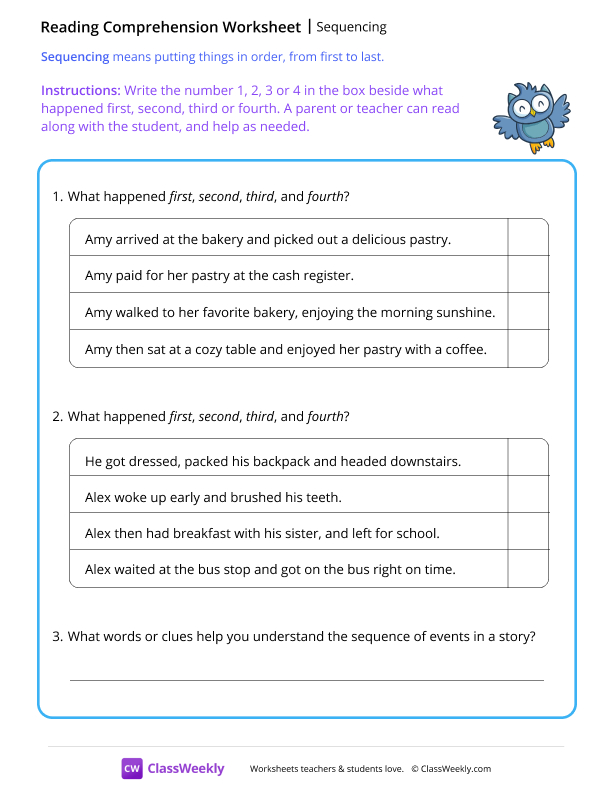
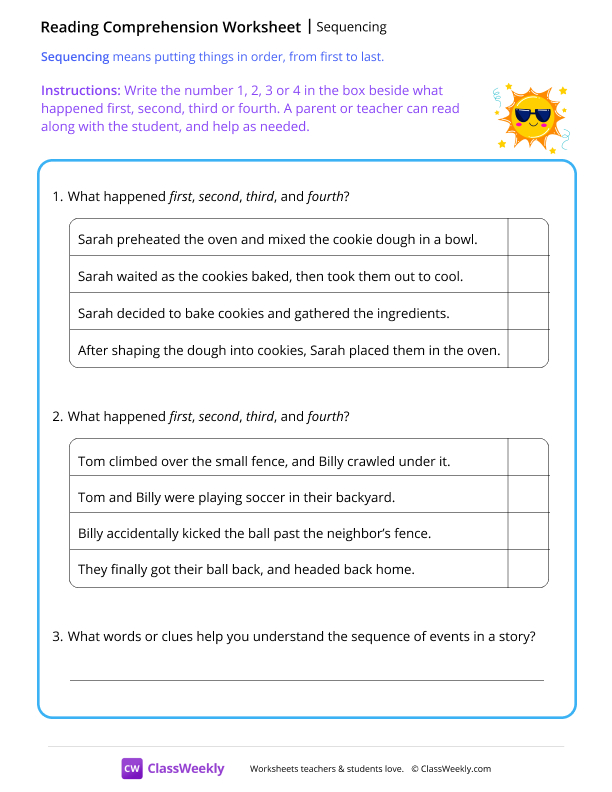
- Vowel sort: give students a set of word cards and ask them to sort by short vowel sound (one pile per short vowel).
- "Open or closed syllable?" - students identify whether each syllable ends with a vowel (open, long vowel) or consonant (closed, short vowel).
- Phoneme counting that focuses on the vowel: "How many vowel sounds do you hear in 'train'?" (one) vs. "How many in 'sunshine'?" (two - one per syllable)
- Word family sorting: at, cat, bat, hat, mat vs. ate, cake, make, lake - the vowel sound changes with the pattern.
Frequently Asked Questions
What are vowels?
Vowels are speech sounds produced when air flows freely through the vocal tract without significant obstruction. In English, the vowel letters are A, E, I, O, U, and sometimes Y (as in 'gym' or 'fly'). Every syllable in every word must contain at least one vowel sound - there are no syllables made of consonants alone.
What is the difference between short and long vowels?
Short vowels say their 'short' sound - the sound heard in simple CVC (consonant-vowel-consonant) words: /a/ in cat, /e/ in bed, /i/ in sit, /o/ in hot, /u/ in cup. Long vowels say their letter name: /ā/ in cake, /ē/ in feet, /ī/ in kite, /ō/ in home, /ū/ in cube. Long vowels are typically spelled with patterns like final silent e (cake), vowel teams (rain, feet), or at the end of a syllable (open syllable: go, me).
What does 'sometimes Y' mean?
The letter Y functions as a vowel when it makes a vowel sound - which it does in many positions: at the end of a word (cry = /ī/, happy = /ē/), in the middle of a word without another vowel (gym = /ĭ/). In these cases, Y is the vowel of the syllable. Y functions as a consonant only at the beginning of a word or syllable (yes, yard, yellow).
Free Vowels Worksheets
Curriculum-aligned printable worksheets for Kindergarten – 3rd Grade. Download free.