What Are the 6+1 Traits of Writing?
Taught in US schools
Key Takeaways
- The 6+1 Traits provide a common language for describing and improving writing quality.
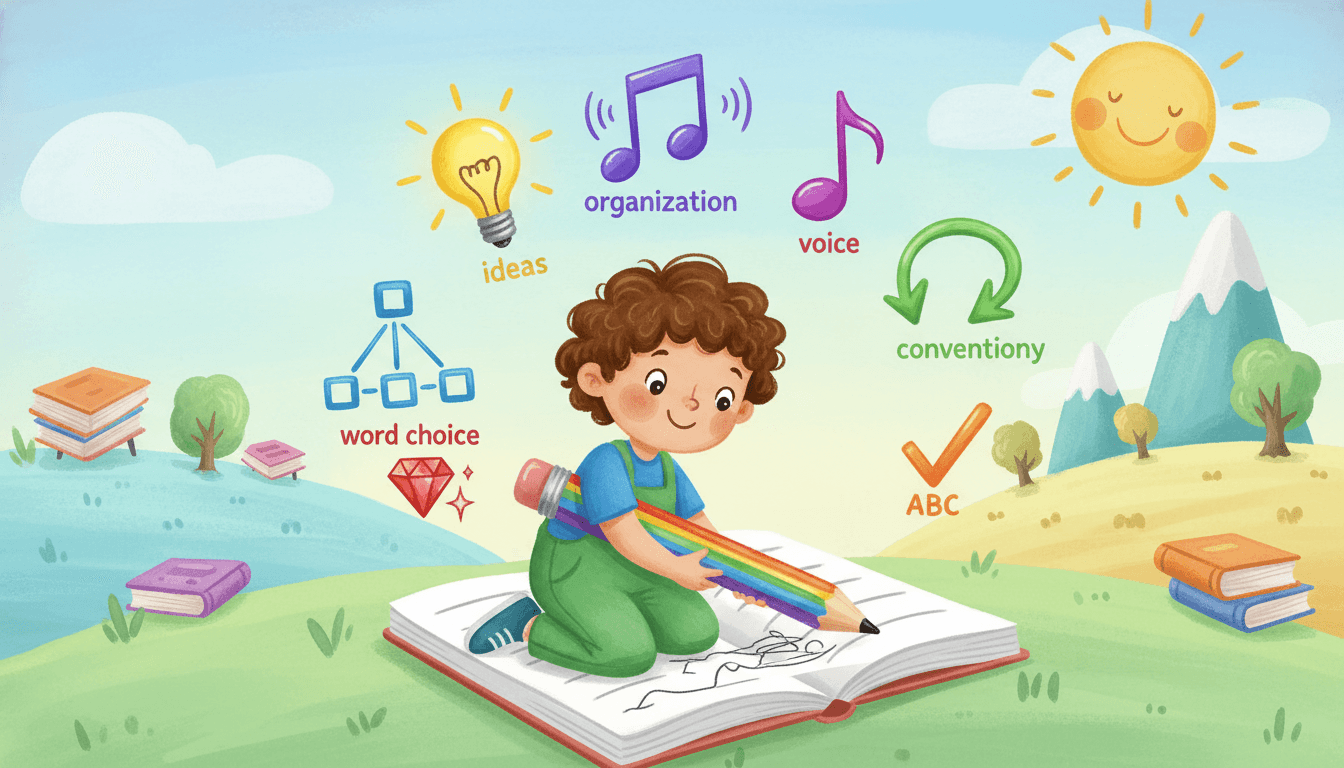
- The traits are: Ideas, Organization, Voice, Word Choice, Sentence Fluency, Conventions, and Presentation.
- Teaching writing traits separately allows students to focus on one dimension at a time.
- The traits apply to all types of writing - narrative, informational, opinion, poetry.
What Are the 6+1 Traits of Writing?
The 6+1 Traits of Writing is a research-based framework that identifies the key qualities that make writing effective. Developed by Education Northwest (formerly the Northwest Regional Educational Laboratory), it gives teachers and students a common vocabulary for discussing, teaching, and assessing writing quality.
The seven traits apply to all types of writing - narrative, informational, opinion, poetry - and can be taught and practiced in any order.
The Seven Traits
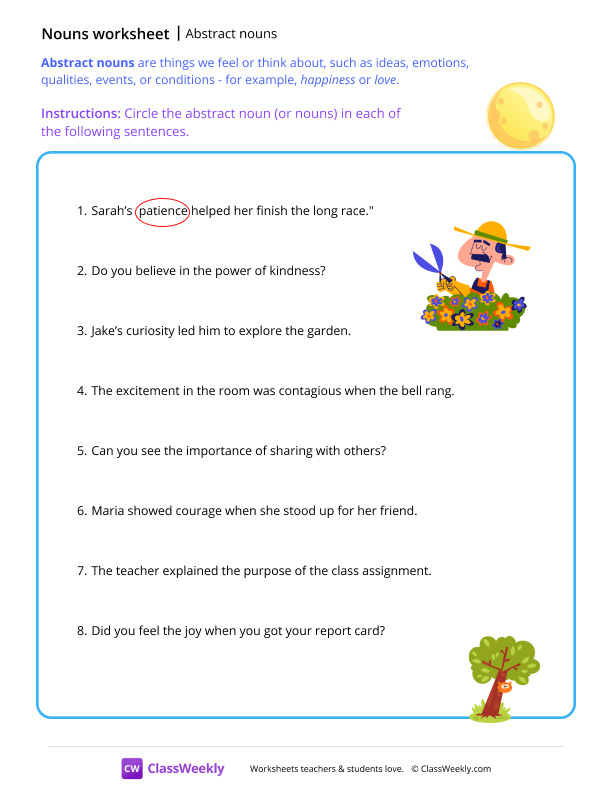
1. Ideas The heart of the piece - the content, message, and main point. Strong ideas are:
- Clear and focused (not too broad)
- Developed with specific, relevant details
- Original and thoughtfully considered
Weak: "My dog is fun." Strong: "My dog Mango knows exactly when I'm sad - she presses her whole body against my legs and doesn't move until I smile."
2. Organization The structure that holds the piece together - the sequence, logic, and flow. Strong organization includes:
- An engaging opening that draws the reader in
- A logical sequence or structure
- Transitions that connect ideas
- A satisfying conclusion
3. Voice The personality, emotion, and style that makes the writing sound like a specific person - not like a form letter. Voice is:
- Appropriate to the audience and purpose
- Distinctive and engaging
- Honest and personal
Voice is perhaps the hardest trait to define and the easiest to recognize - you know it when you hear it.
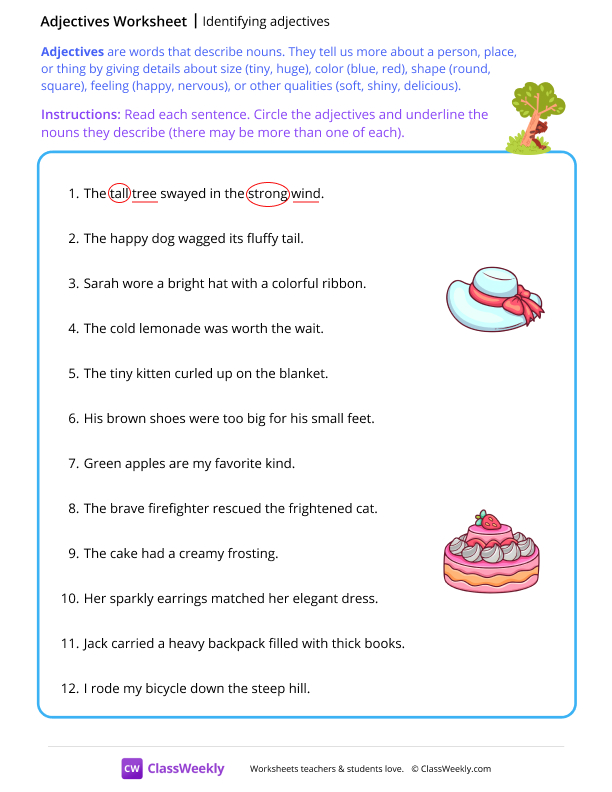
4. Word Choice The precision and vividness of the language selected. Strong word choice means:
- Specific, accurate words (crumbling instead of falling down)
- Vivid, sensory language
- Avoiding overused, empty words (nice, good, said, got)
- The right word for the context
5. Sentence Fluency The rhythm, flow, and readability of the writing when read aloud. Strong sentence fluency includes:
- Variety in sentence length and structure
- Smooth transitions between sentences
- Sentences that feel natural to read aloud
- Deliberate use of fragments or short sentences for effect
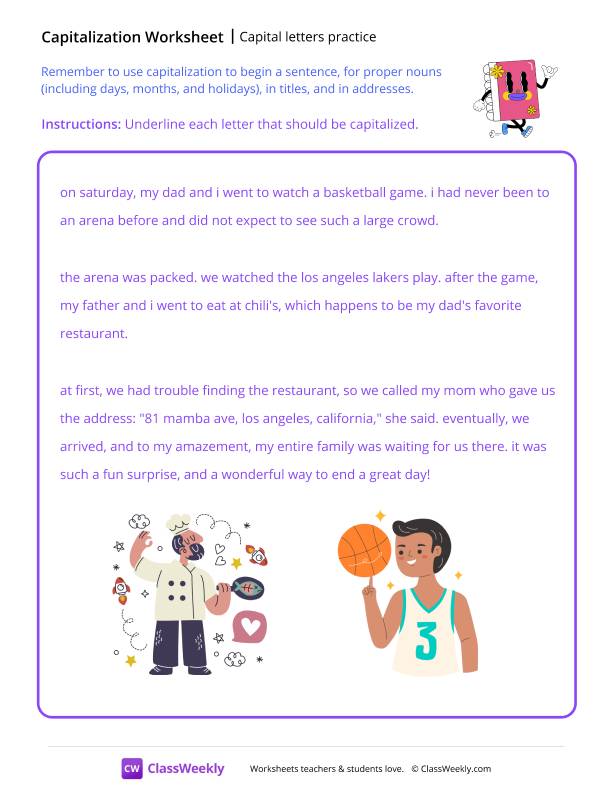
6. Conventions The mechanical correctness of the writing - spelling, grammar, punctuation, capitalization, and paragraph indentation. Conventions:
- Should be correct in a final, polished piece
- Are the last thing to fix - content before conventions
- Include grade-appropriate expectations
(+1) Presentation The visual layout and appearance of the final, published piece - handwriting, typing, spacing, use of white space, any graphics or illustrations. Presentation matters when writing has a real audience.
Using Traits in the Classroom
Teaching: Focus mini-lessons on one trait at a time. "Today we're going to look at word choice - specifically, how to replace vague verbs with specific, precise verbs."
Feedback: Give trait-specific feedback: "Your ideas are strong - I especially loved the detail about the spider web. Now let's look at your organization - does your ending feel complete?"
Assessment: Use trait-based rubrics so students know exactly what quality looks like at different levels for each trait.
Self-assessment: Students use a simplified trait checklist to evaluate their own draft before revision.
Practice Activities
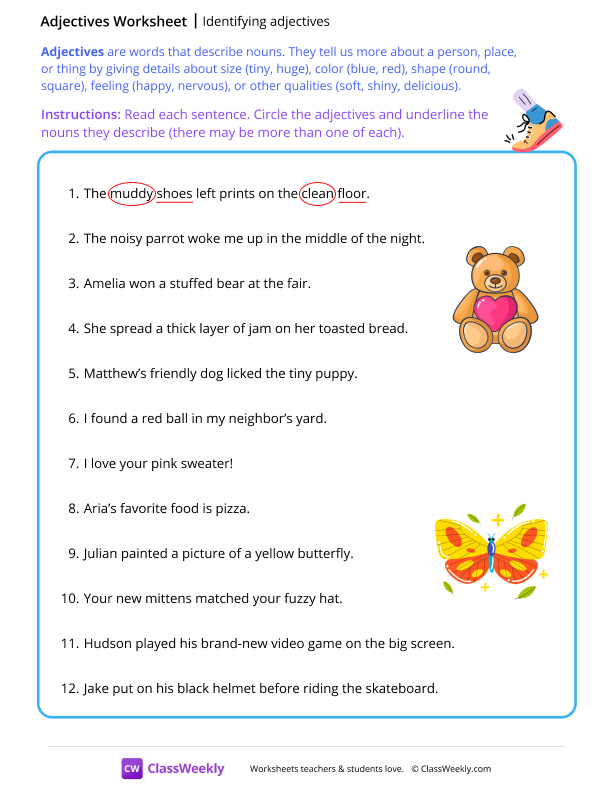
- Give students two versions of the same paragraph - one weak, one strong in a specific trait. Students identify which is stronger and articulate why.
- Voice swap: take a paragraph written in a bland, voiceless style and rewrite it with personality.
- Sentence fluency read-aloud: students read their own draft aloud and listen for places where it sounds choppy - those are the spots to revise.
- Word choice upgrade: students highlight 5 "empty" or overused words in their draft and replace each with a more specific, vivid alternative.

Frequently Asked Questions
What are the 6+1 Traits of Writing?
The 6+1 Traits is a research-based framework for teaching and assessing writing quality, developed by Education Northwest. The seven traits are: (1) Ideas - the content and message; (2) Organization - the structure and sequence; (3) Voice - the writer's personality and style; (4) Word Choice - the precision and vividness of language; (5) Sentence Fluency - the rhythm and flow of sentences; (6) Conventions - spelling, grammar, and punctuation; and (+1) Presentation - the visual layout of the finished piece.
How are writing traits used in the classroom?
Writing traits give teachers and students a shared vocabulary for talking about writing. Teachers teach mini-lessons on individual traits, assess writing against each trait, and give feedback using trait-specific language. Students use the traits for self-assessment and peer editing. The traits are not a sequence - they are all present in every piece of writing and can be taught and practiced in any order.
Which writing trait is most important?
Ideas is often considered the foundation - without strong content, the other traits have nothing to work with. However, the traits are interconnected and all contribute to a strong piece. A piece with brilliant ideas but no organization is hard to follow. Great word choice with no ideas is empty. In practice, teachers emphasize different traits at different times based on student needs and writing stage.
Free Writing Traits Worksheets
Curriculum-aligned printable worksheets for 2nd – 5th Grade. Download free.