What Is Active Learning?
Taught in US schools
Key Takeaways
- Active learning requires students to DO something with information - not just receive it.
- Common strategies include think-pair-share, exit tickets, quick writes, and hands-on labs.
- Research shows active learning improves retention, engagement, and transfer.
What Is Active Learning?
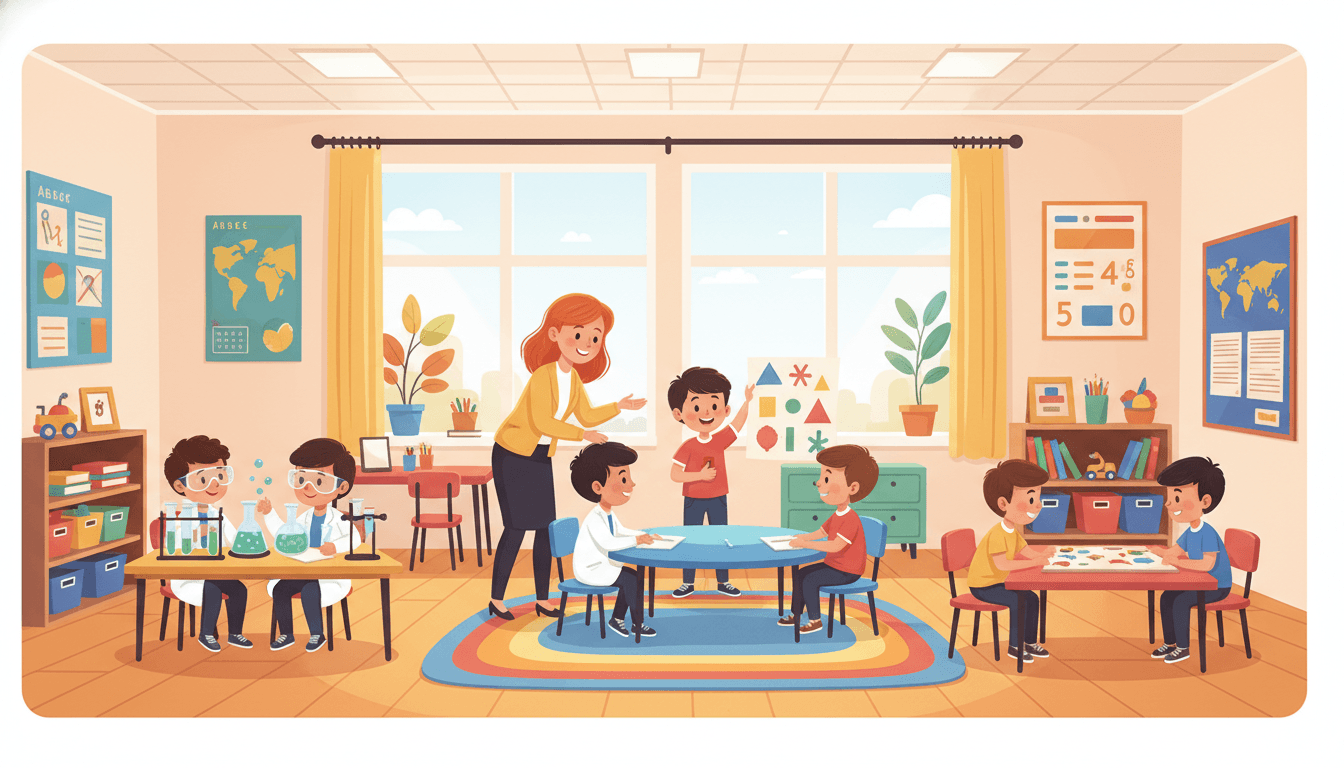
Active learning is an instructional approach where students engage directly with content through doing, discussing, creating, or problem-solving - rather than passively watching and listening.
The term is broad by design. Any strategy that requires students to process, apply, or produce - rather than simply receive - qualifies as active learning. A brief turn-and-talk counts. So does a full project-based unit. The common thread is that students are cognitively active, not just physically present.
Research consistently shows that active learning improves retention, engagement, and transfer. When students explain, debate, teach, or create, they are forced to connect new information to what they already know - which is exactly how long-term memory is built.
Why It Matters in K–5 Classrooms
Young learners are not built for long stretches of passive listening. Elementary students can sustain focused attention for roughly 10–15 minutes before engagement drops. Active learning structures give teachers a way to reset attention and deepen understanding at regular intervals throughout a lesson.
Active learning also supports students with diverse learning needs. Movement-based tasks help kinesthetic learners. Discussion tasks support language development for ELL students. Choice-based tasks allow gifted students to extend while others consolidate.
Common Active Learning Strategies
-
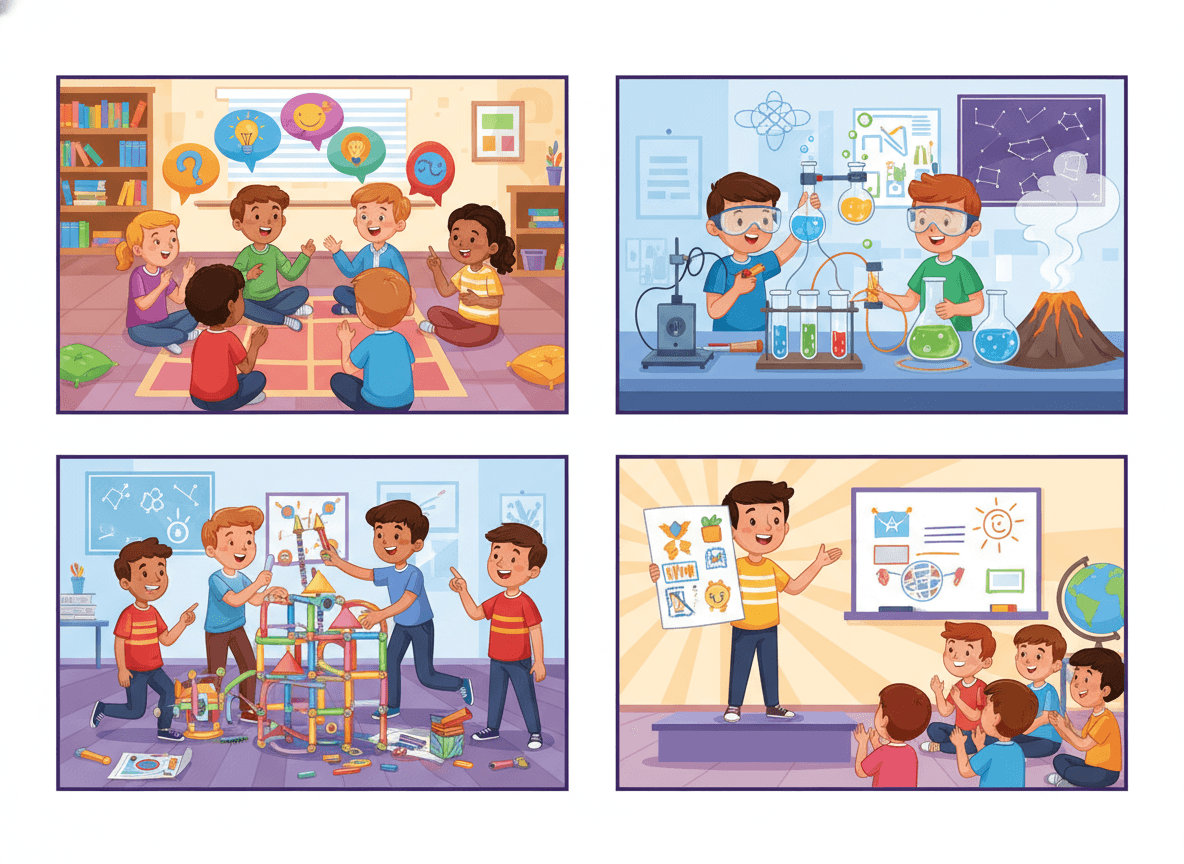
Think-Pair-Share - Students think independently, discuss with a partner, then share with the class.
-
Exit Tickets - Students respond to a prompt at the end of class to show what they learned.
-
Quick Writes - 2–5 minute unstructured writing to activate or process ideas.
-
Four Corners - Students move to corners of the room based on their opinion or answer.
-
Gallery Walk - Students rotate around posted charts or artifacts and respond in writing.
-
Station Rotations - Small groups work through different tasks or centers.
-
Socratic Seminar - Student-led discussion using open-ended questions and text evidence.
Practice Activities
- After a read-aloud, do a 2-minute think-pair-share: "What surprised you? What do you want to know more about?"
- Use a 3-2-1 exit ticket: 3 things learned, 2 questions, 1 connection to their own life.
- Try a "teach-back" - pairs take turns explaining a concept to each other without looking at notes.
- Use sorting cards (vocabulary, events, math problems) to get hands and minds engaged during independent practice.
Frequently Asked Questions
What is active learning?
Active learning is any instructional approach that requires students to engage with material rather than passively receive it. Instead of listening to a lecture, students discuss, practice, create, evaluate, or reflect. Examples include think-pair-share, exit tickets, station rotations, Socratic seminars, and hands-on experiments.
What is the difference between active and passive learning?
Passive learning means the teacher talks while students listen and copy notes. Active learning means students talk, practice, debate, build, or apply what they know. Passive learning is faster to deliver but produces lower retention. Active learning takes more planning but builds deeper understanding.
What are some active learning strategies for elementary school?
Elementary-friendly strategies include think-pair-share, turn-and-talk, exit tickets, gallery walks, four corners, quick writes, sorting activities, and hands-on experiments. Even a 5-minute discussion prompt can shift a lesson from passive to active.
Free Active Learning Worksheets
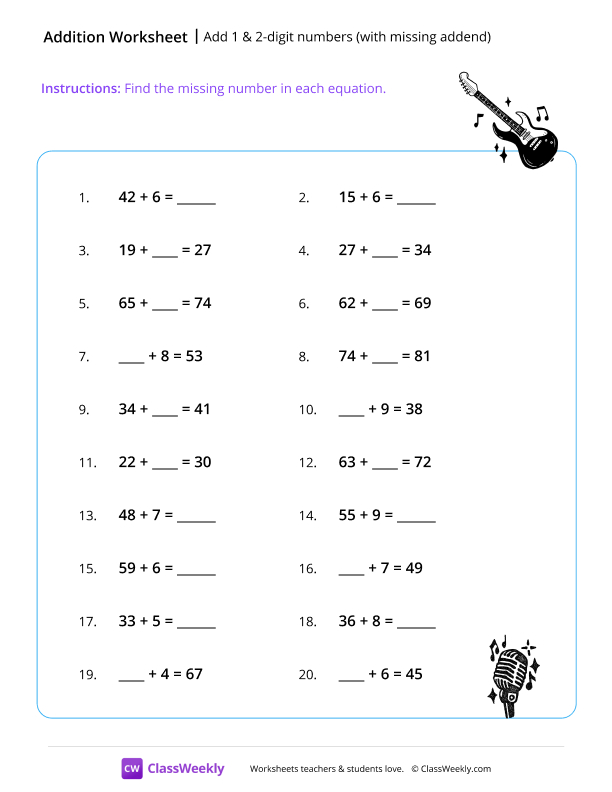
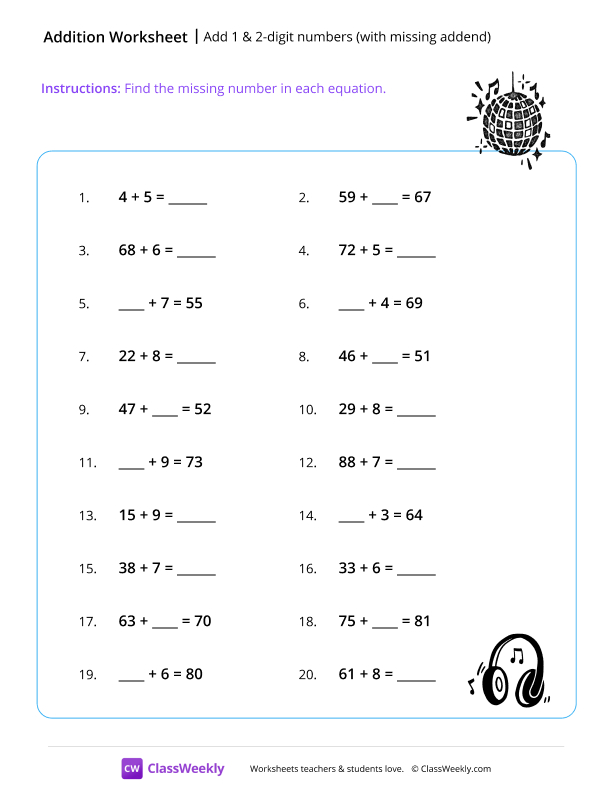
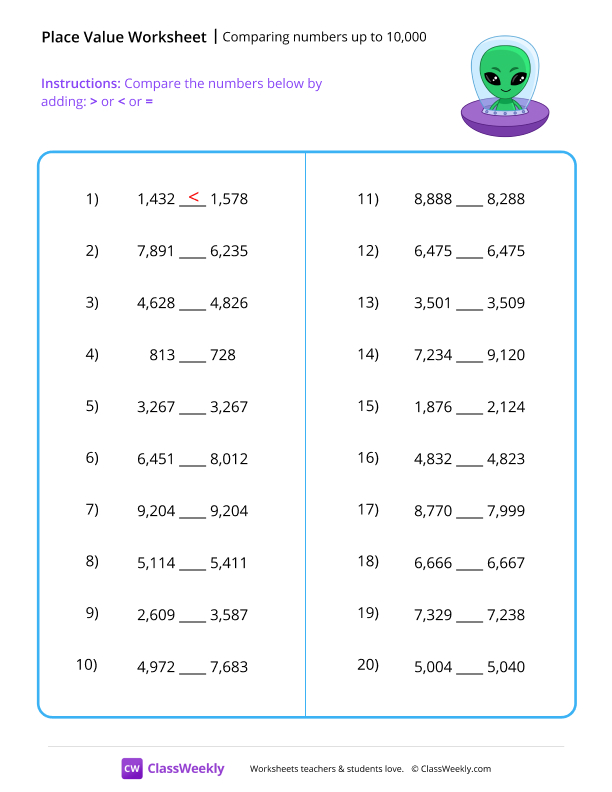
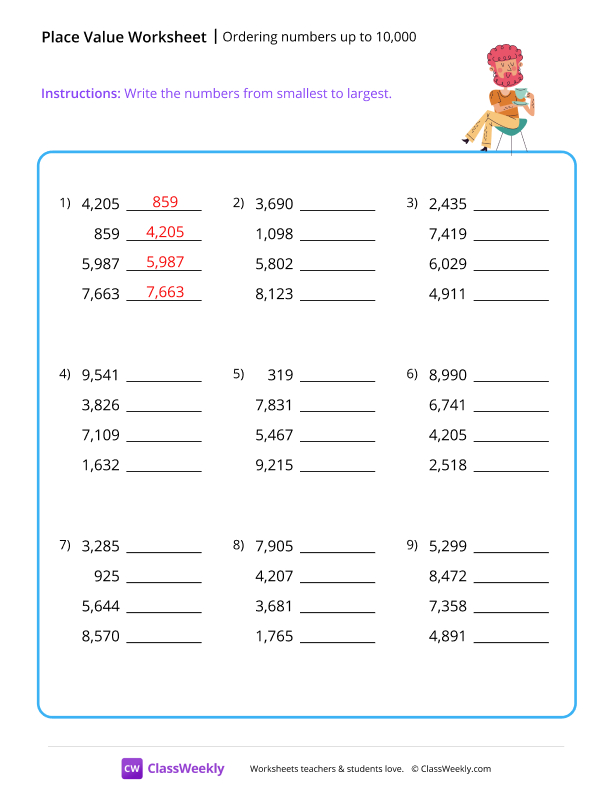
Curriculum-aligned printable worksheets for Kindergarten – 5th Grade. Download free.