What Is Alliteration?
Taught in US schools
Key Takeaways
- Alliteration is the repetition of the same beginning consonant sound in two or more words.
- It creates a musical, memorable quality in writing - from tongue twisters to poetry to product names.
- Alliteration is based on sound, not spelling: 'knocking knights' is alliterative because both words begin with the /n/ sound.
- Writers use alliteration for rhythm, emphasis, humor, and memorability.
What Is Alliteration?
Alliteration is the repetition of the same beginning consonant sound in two or more words that appear close together in a sentence or phrase.
Classic examples:
- "Peter Piper picked a peck of pickled peppers." (/p/ sound)
- "She sells seashells by the seashore." (/s/ sound)
- "Big black bugs bled blue blood." (/b/ sound)
Alliteration is a sound device - a tool that writers use to create music, rhythm, emphasis, and memorability in language. It is one of the defining techniques of poetry but appears in prose, advertising, and everyday speech as well.
Alliteration Is About Sound, Not Spelling
This is the most important rule: alliteration is based on the initial SOUND, not the letter.
Alliterative even with different letters:
- "Knights needed no news" → /n/ sound (k and n both start with /n/)
Not alliterative even with the same letter:
- "Cats came, certain the chaos..." → 'c' appears 4 times but makes /k/, /k/, /s/, and /k/ sounds - not all the same
Always say the words aloud to check for alliteration.
Alliteration vs. Assonance vs. Consonance
Alliteration: Same beginning consonant sound
Assonance: Repeated vowel sounds within words ("hear the clear, near melody")
Consonance: Repeated consonant sounds within or at the end of words, not just the beginning ("black clock struck luck")
In elementary school, alliteration is the primary sound device taught. Assonance and consonance are introduced in middle school.
Alliteration in the Real World
Brand names: Krispy Kreme, Coca-Cola, Bed Bath & Beyond, Best Buy
Superhero names: Peter Parker (Spider-Man), Bruce Banner (Hulk), Clark Kent (Superman)
Literary characters: Severus Snape, Bella Black, Bilbo Baggins
Advertising slogans: "Bounty, the quicker picker upper" (/p/ sounds)
The advertising and entertainment worlds rely on alliteration because it makes names and slogans memorable.
What Grade Do Kids Learn Alliteration?
2nd grade (L.2.5a): Students encounter alliteration in picture books and tongue twisters.
3rd grade (L.3.5a): Students identify alliteration as a figurative language device and discuss its effect.
4th grade (RL.4.4): Students identify alliterative language and analyze its contribution to the text's meaning and tone.
Common Misconceptions
Any repeated letter is alliteration: The letter must make the SAME SOUND. "Giant giggles gave" - two of the "g" sounds may be soft (/dʒ/) while one is hard (/g/) - not true alliteration.
Alliteration requires all words in a sentence: You need at least two words with the same beginning sound. They should be close together in the sentence - widely separated alliterative words are less effective.
Alliteration is only for poems: It's everywhere - brand names, slogans, character names, newspaper headlines, and everyday speech.
Practice Activities
-
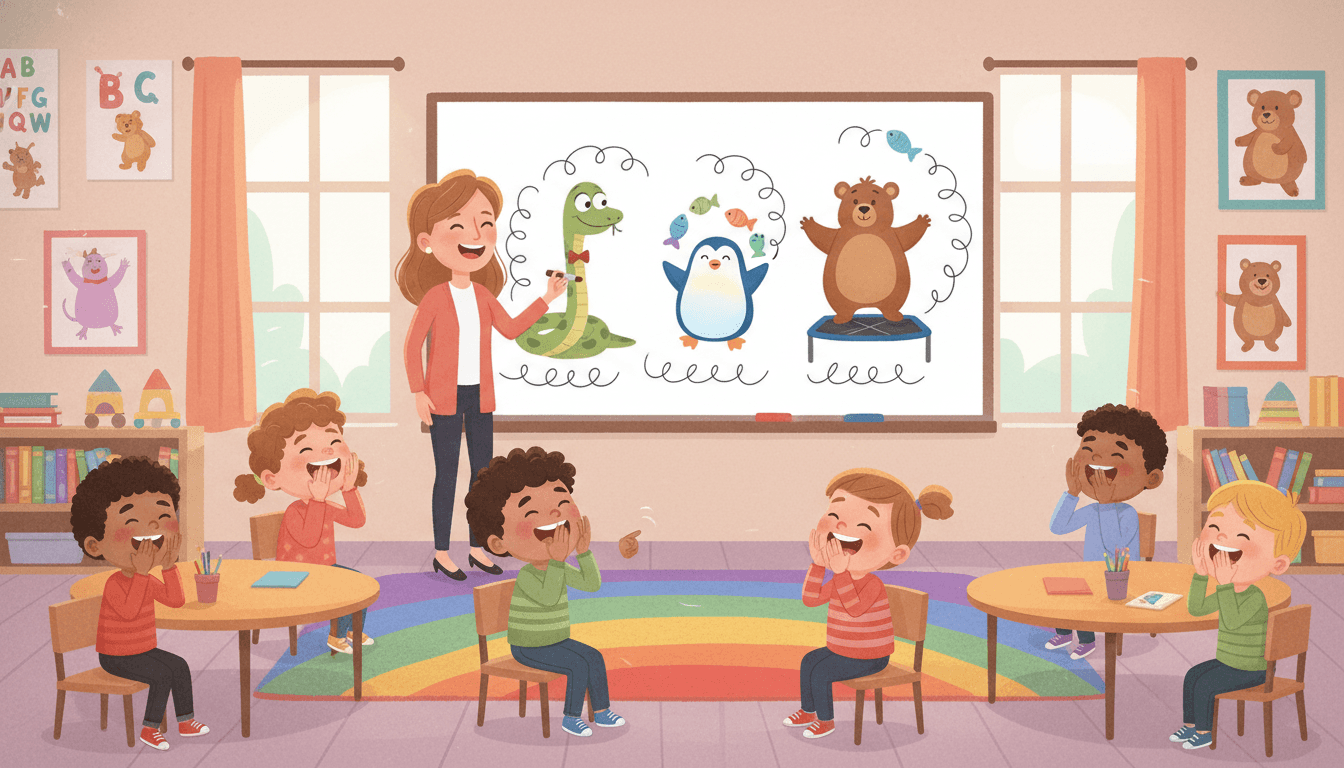
Tongue twister practice: Students say, write, and create their own tongue twisters.
-
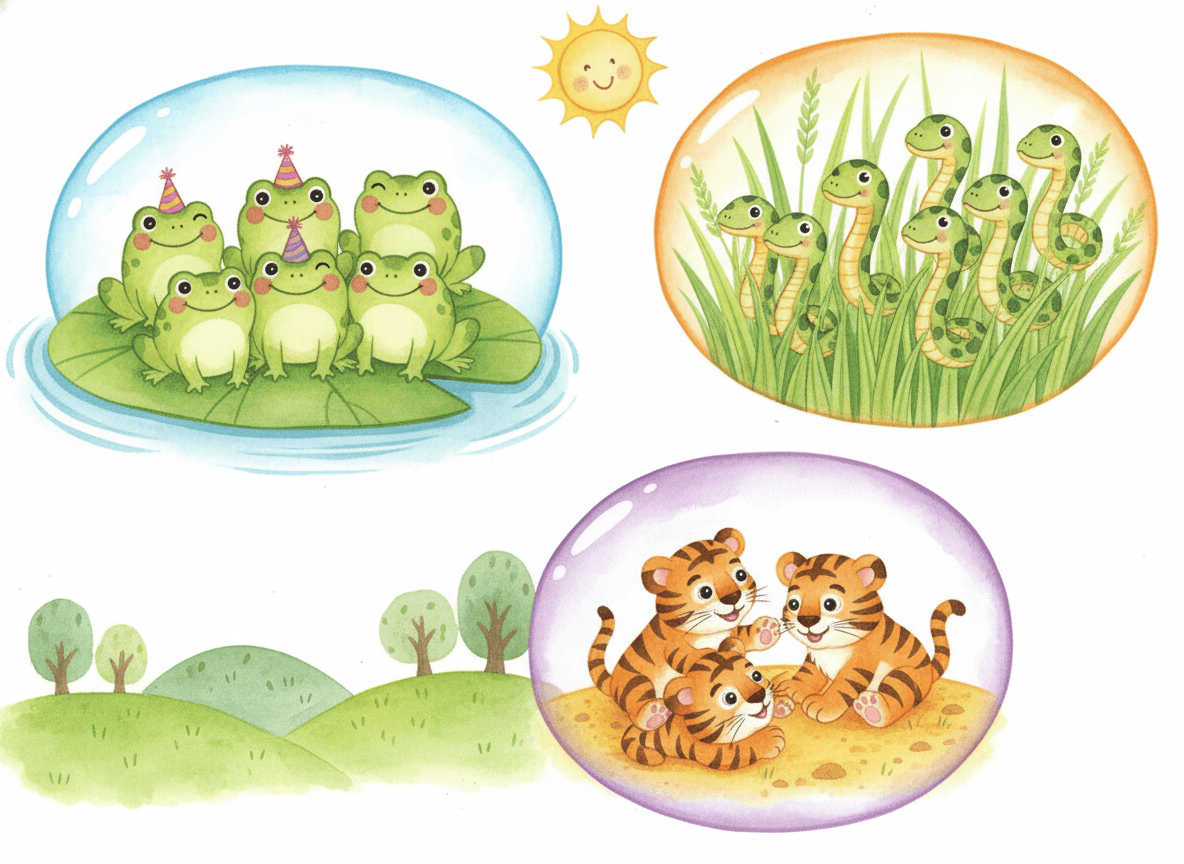
Name alliteration: Students create an alliterative name and three-trait description ("Brave Bob bravely battles bears").
-
Alliteration hunt: Highlight alliteration in a poem or picture book.
-
Advertising creation: Design a fake brand with an alliterative name and slogan.
-
Alliterative sentences: Each student chooses a letter and writes a 5+ word sentence where most words start with that sound.
Frequently Asked Questions
What is alliteration?
Alliteration is the repetition of the same beginning consonant sound in two or more words that are close together. For example: 'She sells seashells by the seashore.' The repeated /s/ sound at the beginning of these words is alliteration. It creates a pleasing, musical effect and makes phrases easier to remember.
What is the difference between alliteration and rhyme?
Alliteration repeats sounds at the BEGINNING of words (initial consonant sounds). Rhyme repeats sounds at the END of words (the vowel and everything after it). 'Sally saw six silly seals' is alliteration. 'The cat sat on the mat' is rhyme. Poetry can use both: 'Peter, Peter, pumpkin eater' has both alliteration (p sounds) and rhyme (eater/Peter).
Is alliteration based on spelling or sound?
Alliteration is based on SOUND, not spelling. 'Knocking knights kept keening' is alliterative because all four words begin with the same /n/ sound, even though 'knocking' and 'knights' are spelled with 'kn.' Similarly, 'Circus seals soar' uses /s/ alliteration even though 'circus' is spelled with 'c.' Always listen for the sound, not just the letter.
Where is alliteration used in real life?
Alliteration appears in: tongue twisters (Peter Piper picked...), poetry and literature, brand names (Krispy Kreme, Coca-Cola, Dunkin' Donuts, PayPal, Bed Bath & Beyond), news headlines, superhero names (Peter Parker, Bruce Banner, Clark Kent, Sue Storm, Scott Summers), and advertising slogans. Its memorability makes it a favorite of marketers.
What is the effect of alliteration in writing?
Alliteration creates a musical, rhythmic quality that draws attention and creates emphasis. It can make phrases memorable (which is why advertisers love it), create a mood (gentle repeated /s/ sounds feel soft; hard /k/ and /g/ sounds feel harsh), link ideas together, or add a playful, humorous tone. In poetry, it contributes to the overall sound texture of the poem.
Free Alliteration Worksheets
Curriculum-aligned printable worksheets for 2nd – 4th Grade. Download free.