What Are the Common Core Standards?
Taught in US schools

Key Takeaways
- The Common Core State Standards define what students should know and be able to do in ELA and Math at each grade level.
- Standards were developed in 2010 and adopted by the majority of US states.
- Common Core ELA standards emphasize text complexity, evidence-based reading, and argumentative writing.
- Standards describe WHAT to teach, not HOW - curriculum and instructional decisions remain with states and districts.
What Are the Common Core Standards?
The Common Core State Standards (CCSS) are a set of K-12 academic learning standards in English Language Arts (ELA) and Mathematics developed in 2010 through a national, state-led initiative. They define what students should know and be able to do at each grade level, creating a consistent framework of academic expectations across participating states.
More than 40 US states initially adopted the Common Core standards, making them the most widely used academic standards framework in American education.
How Common Core Standards Are Written
Standards are written as statements of what students should be able to do by the end of each grade:
Example ELA standard (3rd grade, RL.3.1): "Ask and answer questions to demonstrate understanding of a text, referring explicitly to the text as the basis for the answers."
Example Math standard (4th grade, 4.OA.A.2): "Multiply or divide to solve word problems involving multiplicative comparison."
Standards describe learning goals, not instructional methods. Teachers decide how to reach the standard.
ELA Standards: Key Emphases
Text complexity: Students read increasingly complex texts matched to their grade level. By 5th grade, students read texts at a 4th-5th grade Lexile level with support.
Text evidence: Students cite specific text evidence in both discussion and writing - "close reading" of what the text actually says.
Informational reading: By 4th grade, 50% of reading should be informational text (not just fiction).
Academic vocabulary (Tier 2 and Tier 3): Deliberate development of general academic language (analyze, conclude, justify) and domain-specific vocabulary.
Argument writing: Increased emphasis on opinion and argument writing using evidence.
Math Standards: Key Emphases
Focus: Fewer topics covered more deeply at each grade level.
Coherence: Mathematical concepts build systematically across grades.
Rigor: Three equal components - conceptual understanding, procedural fluency, and real-world application.
Mathematical practices: Eight Standards for Mathematical Practice apply to all grades, including: making sense of problems, reasoning abstractly, constructing arguments, and attending to precision.
Common Core by Grade Band
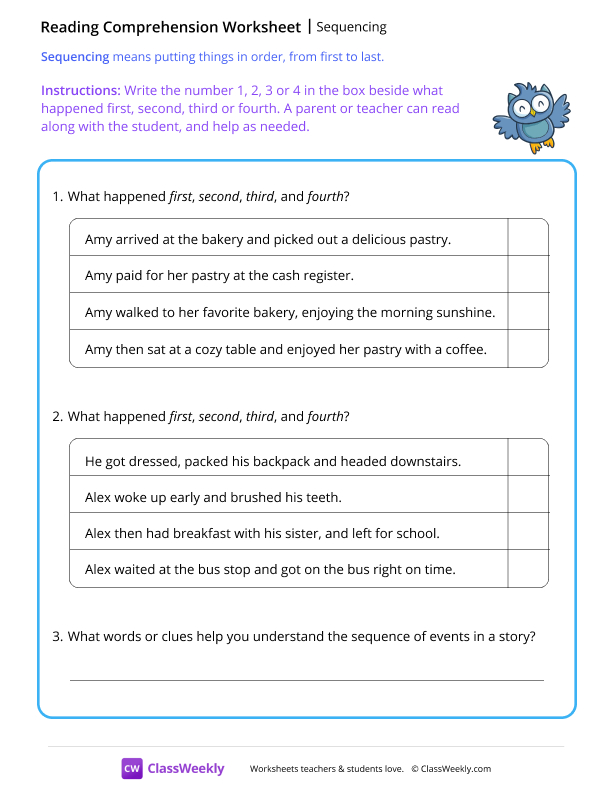
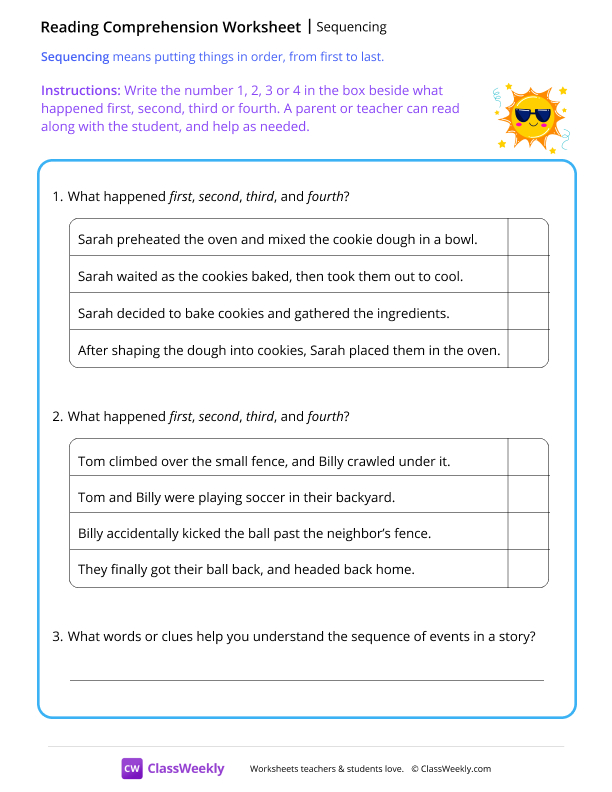
K-2: Foundational skills (phonics, fluency), read-alouds - Counting, operations, place value
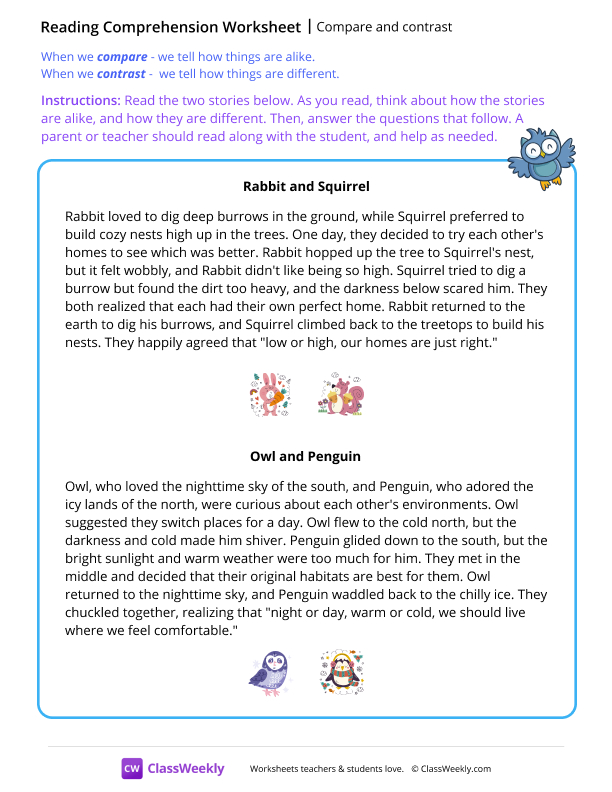
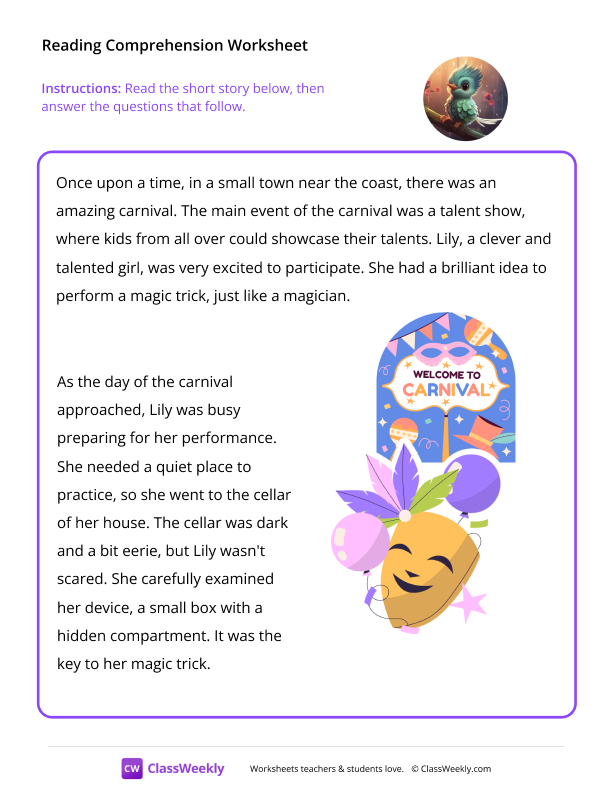
3-5: Reading comprehension, informational text, writing from sources - Multiplication, fractions, geometry
Common Misconceptions
Common Core is a federal curriculum: CCSS is not a curriculum. The federal government did not write or adopt Common Core. It is a set of standards - goals - not a prescribed sequence of lessons, programs, or textbooks.
Every state uses exactly the same standards: While many states adopted Common Core, several have modified them significantly or replaced them with state-specific standards. The standards framework is widespread but not universally identical across states.
Common Core is about testing: While some assessments (PARCC, Smarter Balanced) were aligned to CCSS, the standards themselves are not testing - they are learning goals. The confusion between standards and standardized tests is common.
Practice for Teachers
-
Standard unpacking: Before teaching a unit, identify the specific standards addressed and what students need to know and do to meet them.
-
Learning objectives: Write student-facing "I can" statements derived from the standards for each lesson.
-
Evidence-based discussion: Regularly ask students to cite text evidence when discussing reading.
-
Complexity laddering: Use the CCSS text complexity framework to select texts at appropriate challenge levels.
-
Standard tracking: Use a class roster to track which students have met which standards; use data to guide grouping and reteaching.
Frequently Asked Questions
What are the Common Core State Standards?
The Common Core State Standards (CCSS) are a set of K-12 academic standards in English Language Arts (ELA) and Mathematics developed in 2010 through a state-led initiative. They define what students should know and be able to do by the end of each grade level. Most US states adopted them (45+ initially), though a few have since modified or replaced them with state-specific standards.
Why were the Common Core Standards created?
Before Common Core, each state had its own standards, creating enormous variation in what was expected of students across the country. This made it difficult to compare achievement nationally or to ensure all students had access to a rigorous education. Common Core aimed to create consistent, high expectations so that a student moving from one state to another would encounter similar academic expectations.
What do the Common Core ELA standards emphasize?
Key ELA emphases include: (1) Reading complex texts closely (evidence-based reading). (2) Building knowledge through nonfiction - 50% of reading should be informational text by 5th grade. (3) Writing arguments and explanatory texts using text evidence. (4) Academic vocabulary development (Tier 2 and Tier 3 vocabulary). (5) Speaking and listening skills for formal academic discussion.
What do Common Core Math standards emphasize?
CCSS Math emphasizes deep conceptual understanding over rote memorization. Key shifts: (1) Focus - fewer, deeper topics per grade. (2) Coherence - concepts build logically across grades. (3) Rigor - equal attention to conceptual understanding, procedural fluency, and application. Standards progress from counting and operations in K-2 to fractions and geometry in 3-5 to algebra readiness in middle school.
How do Common Core standards affect teaching?
Standards define learning goals, but how to reach those goals is left to states, districts, and individual teachers. Common Core changed what many teachers emphasize - more informational text, more text evidence in writing, deeper math reasoning - but did not prescribe specific programs or methods. Teachers choose their curricula and instructional strategies within the framework of the standards.
Free Common Core Standards Worksheets
Curriculum-aligned printable worksheets for Kindergarten – 5th Grade. Download free.