What Is Drawing Conclusions?
Taught in US schools
Key Takeaways
- Drawing conclusions means reaching a logical judgment based on text evidence plus background knowledge.
- Conclusions go beyond what is directly stated - they require thinking between and beyond the lines.
- Every conclusion must be supported by specific text evidence to be valid.
- Drawing conclusions and making inferences are closely related but conclusions are more evaluative and summative.
What Is Drawing Conclusions?
Drawing conclusions is the reading comprehension strategy of using evidence from a text plus background knowledge to reach a judgment or understanding that the author did not state directly.
It is often described as "reading between the lines" - using what is there to figure out what is implied.
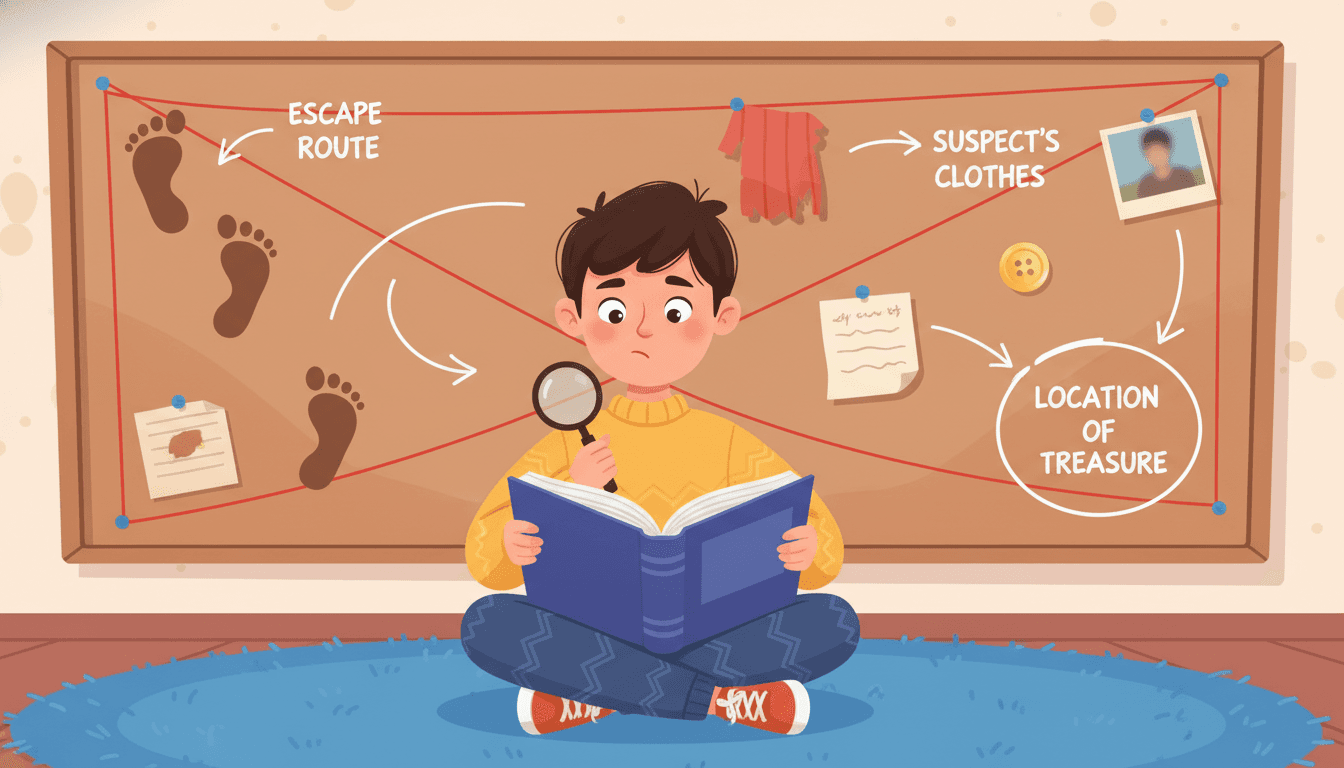
Example: A passage describes a character waking up to find snow outside, digging her coat from the back of the closet, and sighing at the leafless trees. The text never states the season, but a reader can conclude it is winter.
The Formula for Drawing Conclusions
Effective conclusions follow this structure:
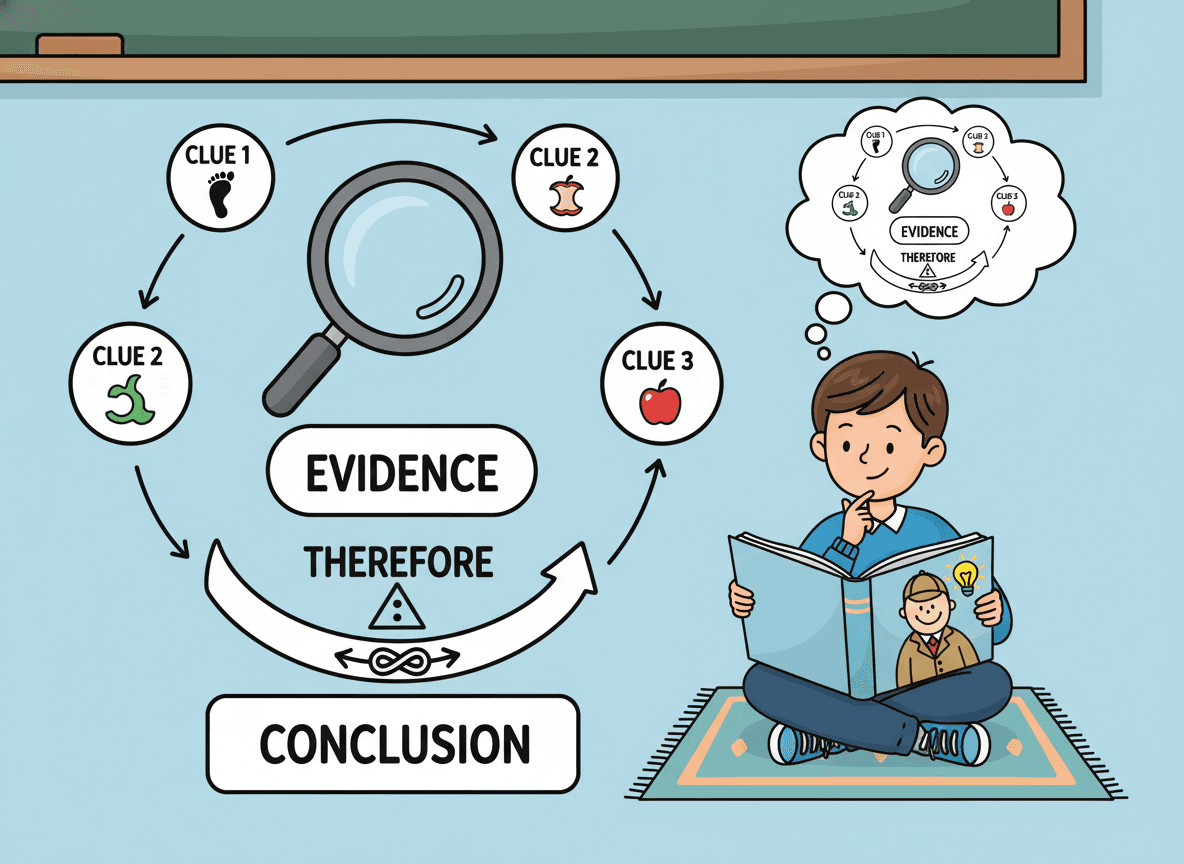
Text evidence + Background knowledge = Conclusion
"The text says [evidence 1] and [evidence 2]. I know from experience/knowledge that [background knowledge]. Therefore, I can conclude [conclusion]."
Conclusion vs. Unsupported Opinion
"I conclude she is afraid because she hid in her room and didn't answer her mother.": "I think she is afraid because I would be scared too."
Grounded in text evidence: Based on personal feeling
Can be supported with citations: Cannot be verified
What Grade Do Kids Learn to Draw Conclusions?
2nd–3rd grade: Students make inferences and draw basic conclusions from text clues, supported by teacher modeling.
3rd grade (RL.3.1, RI.3.1): Students quote accurately from text and use evidence to draw conclusions.
4th–5th grade (RL.4.1, RI.5.1): Students make complex inferences and cite multiple pieces of evidence; distinguish what the text says explicitly vs. what is inferred.
Common Misconceptions
Any response is a valid conclusion: Conclusions must be evidence-based. Personal reactions, preferences, or guesses that don't connect to the text are not conclusions.
The conclusion is always the last sentence of a text: "Drawing a conclusion" in reading means reaching a logical judgment - not locating a conclusion paragraph. Students can draw conclusions at any point in a text.
One piece of evidence is enough: Strong conclusions are supported by multiple pieces of evidence. Teaching students to find 2–3 supporting clues builds a habit of thorough reading.
Practice Activities
-
Evidence + Conclusion organizer: Two columns - evidence from the text, conclusion drawn.
-
What can you conclude? Give a passage and ask: "What can you conclude about the character/setting/topic? Cite two pieces of evidence."
-
Conclusion debate: Students share different conclusions from the same text and defend theirs with evidence.
-
Conclusion vs. opinion sort: Give statements and sort into "valid conclusion" (text-supported) or "personal opinion."
-
Author's intent: What conclusion can you draw about WHY the author wrote this? What was their message?
Frequently Asked Questions
What does drawing conclusions mean in reading?
Drawing conclusions means using clues from the text and your own knowledge to reach an understanding or judgment that the author didn't state outright. For example, if a character keeps checking the clock, sweating, and reading flashcards, a reader can conclude the character is nervous about an upcoming test - even if the word 'nervous' never appears.
How is drawing conclusions different from making inferences?
They are very similar and often used interchangeably. Generally, an inference is a smaller, in-the-moment deduction (reading a clue right now), while drawing a conclusion is a broader judgment reached at the end of reading - a synthesis of multiple clues. Both require text evidence plus background knowledge. The distinction matters less than the process.
What evidence do students use to draw conclusions?
Valid conclusions must be supported by evidence: character actions and dialogue, descriptive details, the sequence of events, patterns in the text, explicit statements, and the relationships between ideas. Students also bring background knowledge - real-world experience that helps them interpret what they read. A conclusion unsupported by evidence is just an opinion.
How do students know if their conclusion is valid?
A valid conclusion is supported by at least two pieces of text evidence and is consistent with background knowledge. Students test their conclusion by asking: 'Does the text support this? Would a reasonable person reach the same conclusion from the same evidence?' If the conclusion relies on personal feelings not grounded in the text, it needs revision.
When do students learn to draw conclusions?
Drawing conclusions is introduced in 2nd–3rd grade as part of inference skills. The formal language 'draw conclusions' appears more in 3rd grade and beyond. By 4th and 5th grade, students are expected to cite specific text evidence to support conclusions about both fiction (character motivation, theme) and nonfiction (main idea, author's argument).
Free Drawing Conclusions Worksheets
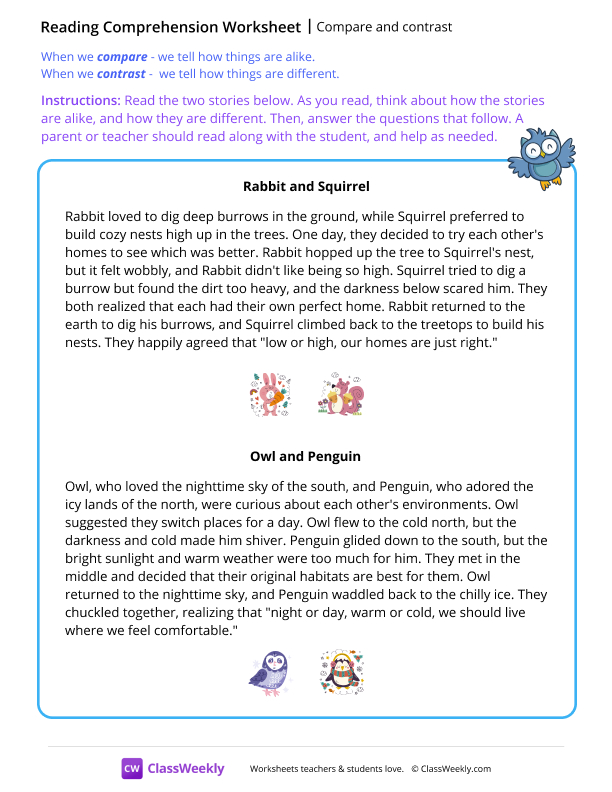
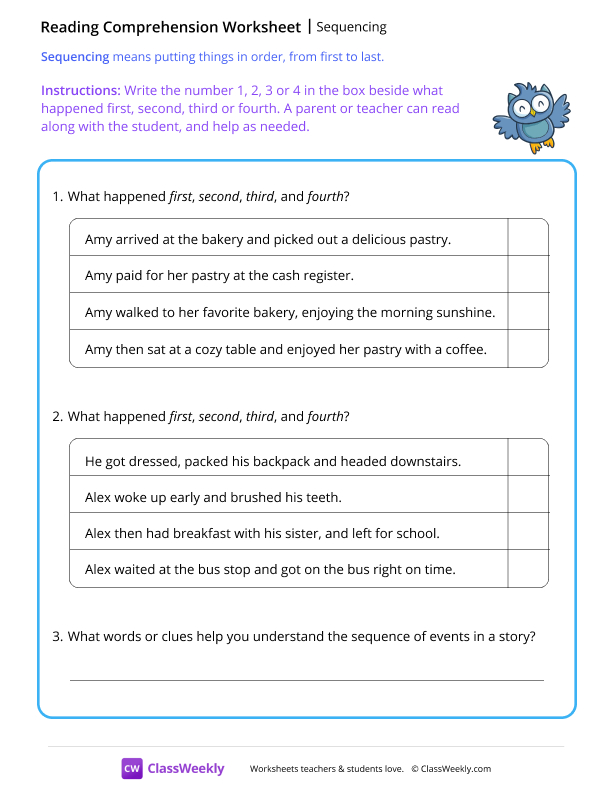
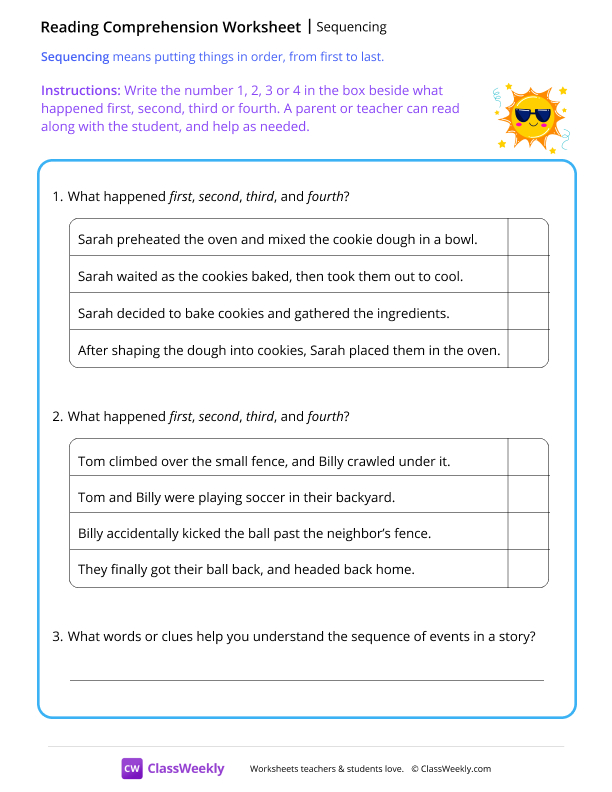
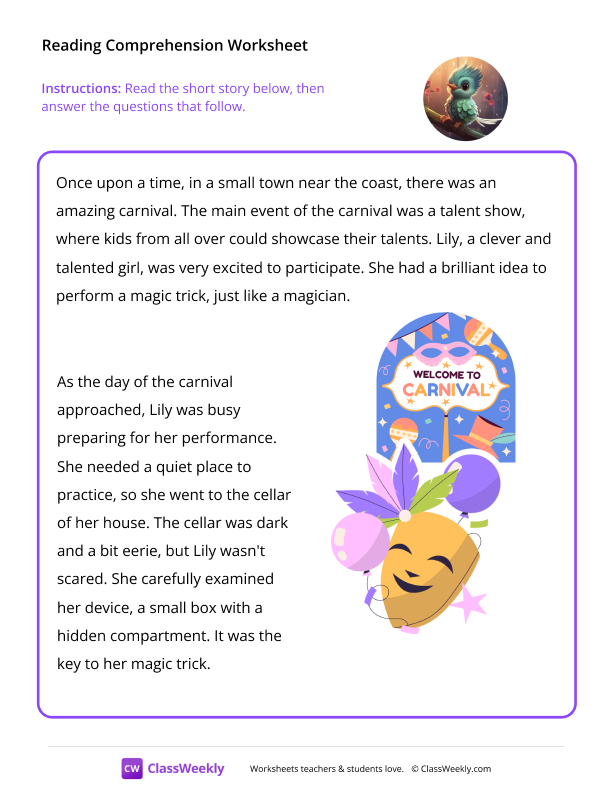
Curriculum-aligned printable worksheets for 3rd – 5th Grade. Download free.