What Are Listening Skills?
Taught in US schools
Key Takeaways
- Listening is an active skill - it requires effort, attention, and practice, not just silence.
- Active listening means attending to the speaker, understanding the message, and responding appropriately.
- Good listening is foundational for comprehension, following directions, and social relationships.
- Listening skills can be explicitly taught through modeling, practice, and feedback.
What Are Listening Skills?
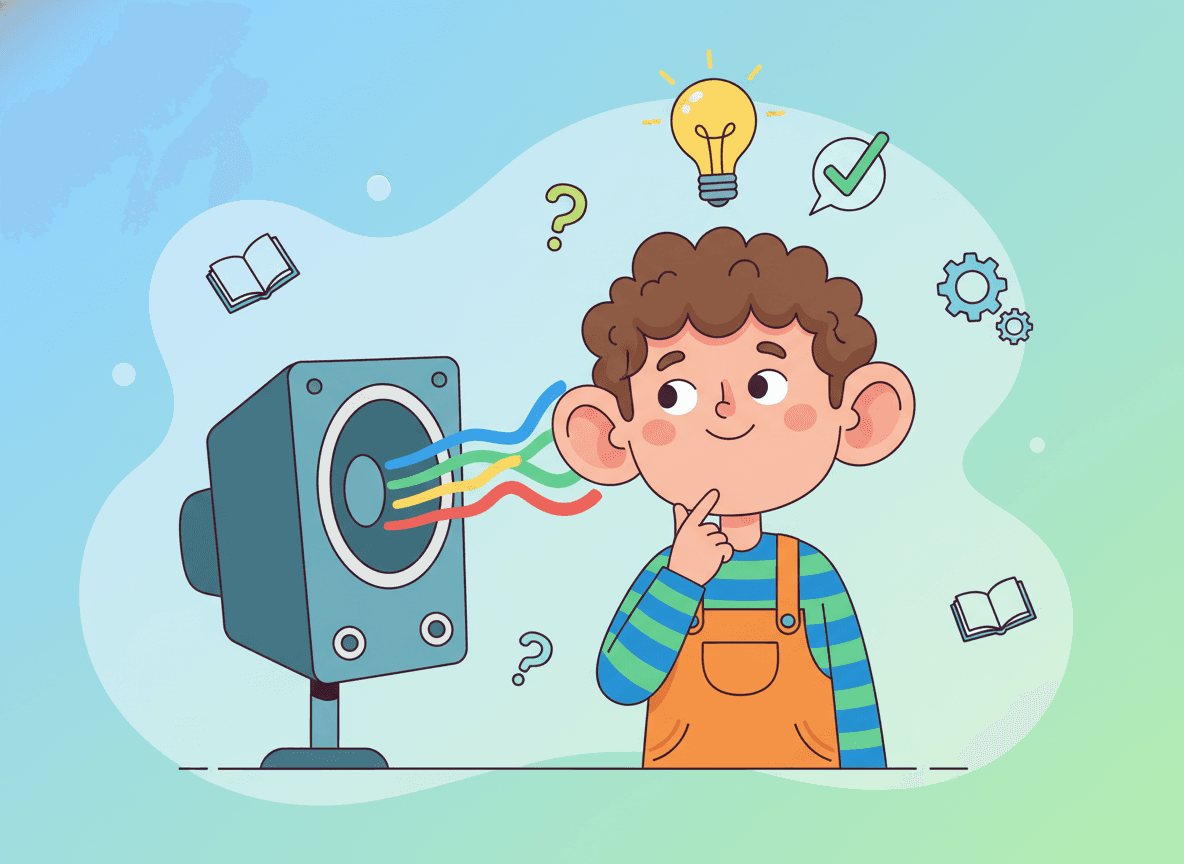
Listening skills are the active abilities needed to receive, understand, and respond to spoken communication. Listening is not the same as hearing - hearing happens automatically, but listening requires intentional attention and effort.
In school, listening skills underlie almost everything: understanding lesson content, following directions, participating in discussion, working with partners, and building relationships.
Active Listening vs. Passive Hearing
Sound enters the ear: Attention is directed at the speaker
No conscious effort required: Requires focus and effort
No processing of meaning: Meaning is processed and understood
No response required: Response shows understanding Teaching students to listen means teaching them to be present and engaged - not just physically in the room.
Components of Active Listening
Attention - Eyes and body oriented toward the speaker; distractions minimized.
Comprehension - Processing what is being said and connecting it to prior knowledge.
Memory - Holding key information in working memory while listening continues.
Response - Asking questions, restating, or building on what was said - showing the speaker they were understood.
Empathy - In social contexts, listening includes reading tone and emotion, not just words.
Whole Body Listening (K-2)
For young students, the "Whole Body Listening" framework makes the abstract concept concrete:
-
Eyes - looking at the speaker
-
Ears - both ears open and ready to hear
-
Mouth - quiet (not talking)
-
Hands - still and calm
-
Feet - on the floor or quiet
-
Brain - thinking about what the speaker is saying
-
Heart - caring about what the speaker is sharing
This framework gives young students specific, observable behaviors to aim for rather than the abstract instruction to "listen."
Teaching Listening Explicitly
Listening skills improve with explicit instruction and practice:
-
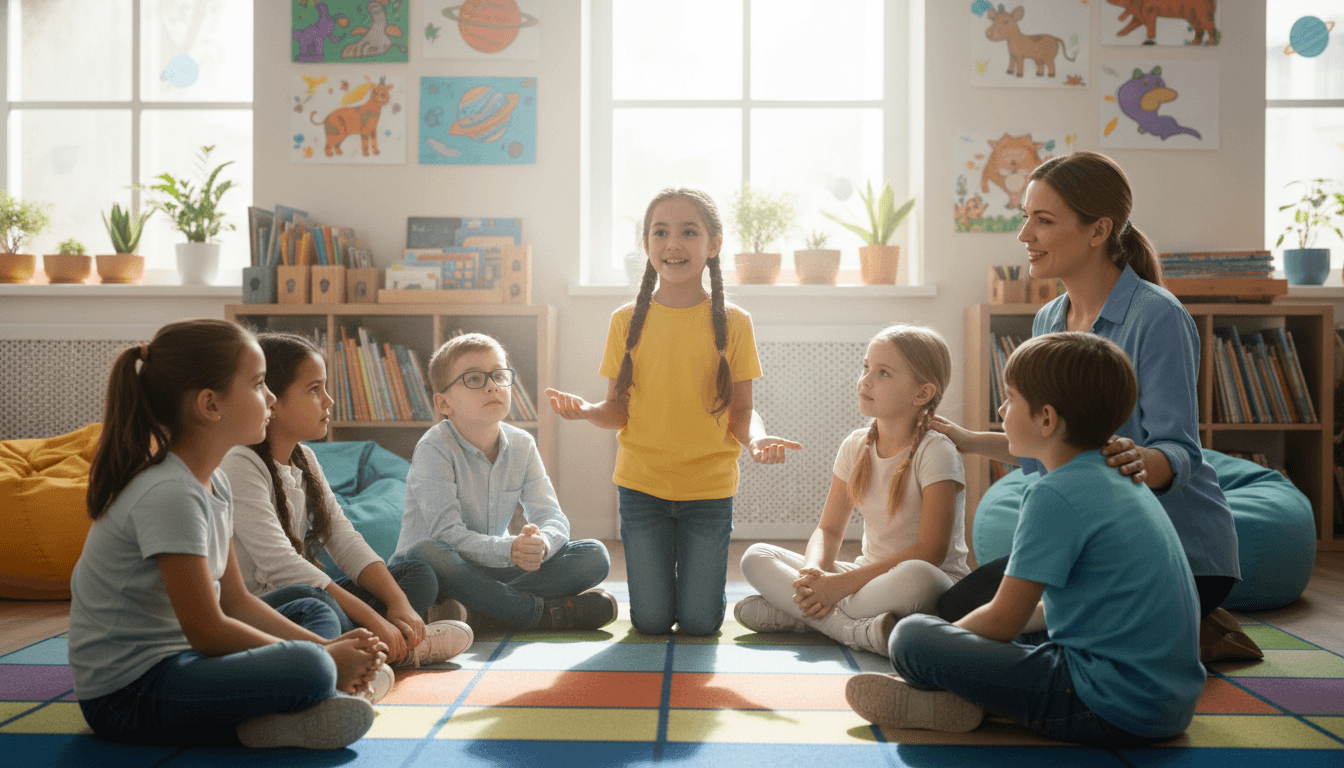
Model it - demonstrate what attentive listening looks like vs. distracted listening; ask students to identify the difference
-
Think-aloud - narrate your own listening process: "I heard the key word 'because' so I knew the next part would be a reason..."
-
Partner listening practice - Student A shares, Student B listens and then restates: "What I heard you say was..."
-
Listening with purpose - Before a read-aloud or lecture, give students a specific listening task: "Listen for the three causes of..."
Practice Activities
- "Telephone" (the whispering game) - play it and then discuss: what changed? Why? What does this tell us about listening carefully?
- Partner share + restate: Student A talks for 1 minute; Student B restates what they heard. Reverse. Debrief together.
- Listening quizzes after a read-aloud or video clip - not for grades, but as a discussion starter about what students caught vs. missed.
- "Agree and add" discussion structure: students must reference what the previous speaker said before adding their own idea.
Frequently Asked Questions
What are listening skills in school?
Listening skills are the abilities students need to receive and understand spoken communication: paying attention to the speaker, filtering out distractions, understanding the main message, remembering key details, and responding appropriately. In school, listening skills affect every subject - from following directions to understanding a read-aloud to participating in discussion.
What is the difference between hearing and listening?
Hearing is passive - sound waves enter the ear automatically. Listening is active - it requires focusing attention, processing meaning, and choosing to engage with what is being said. A student can hear a teacher's instructions and not listen to them. Teaching students to listen means teaching them to be intentionally present and engaged, not just physically in the room.
How do you teach listening skills to elementary students?
Effective approaches include: modeling active listening explicitly (show what it looks and sounds like), using the 'Whole Body Listening' framework for younger grades (eyes watching, ears listening, body calm), teaching students to ask clarifying questions rather than guessing, practicing partner listening where students restate what their partner said, and providing regular structured discussion opportunities where listening to peers is required to participate.
Free Listening Skills Worksheets
Curriculum-aligned printable worksheets for Kindergarten – 5th Grade. Download free.