What Is Metacognition?
Taught in US schools
Key Takeaways
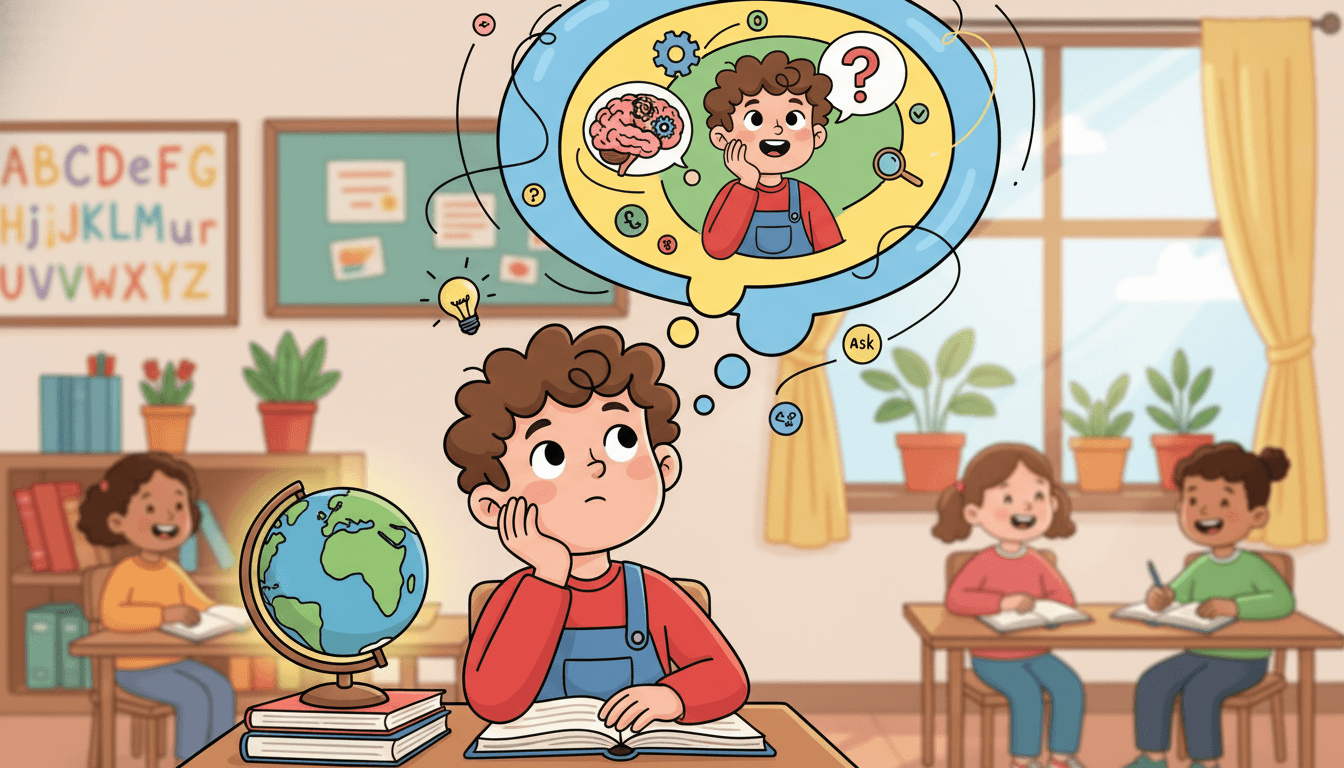
- Metacognition means thinking about your own thinking - knowing what you understand, what confuses you, and how to fix it.
- The two components of metacognition are metacognitive knowledge (what I know about learning) and metacognitive regulation (managing my own learning).
- Research identifies metacognition as one of the highest-impact strategies for academic achievement.
- Metacognition can be taught explicitly through think-alouds, self-questioning, and reflection routines.
What Is Metacognition?
Metacognition is the ability to think about one's own thinking. It means knowing what you understand and what you don't, choosing the right strategies for a task, monitoring your progress, and adjusting your approach when something isn't working.
Psychologist John Flavell introduced the term in the 1970s. Decades of research since have consistently identified metacognition as one of the highest-impact factors in academic achievement - often ranked alongside motivation and prior knowledge.
The Two Components of Metacognition
1. Metacognitive Knowledge What a person knows about learning in general and their own learning specifically:
- Person knowledge: "I understand math better when I draw a picture."
- Task knowledge: "Nonfiction texts require different reading strategies than stories."
- Strategy knowledge: "When I don't understand a paragraph, re-reading it slowly usually helps."
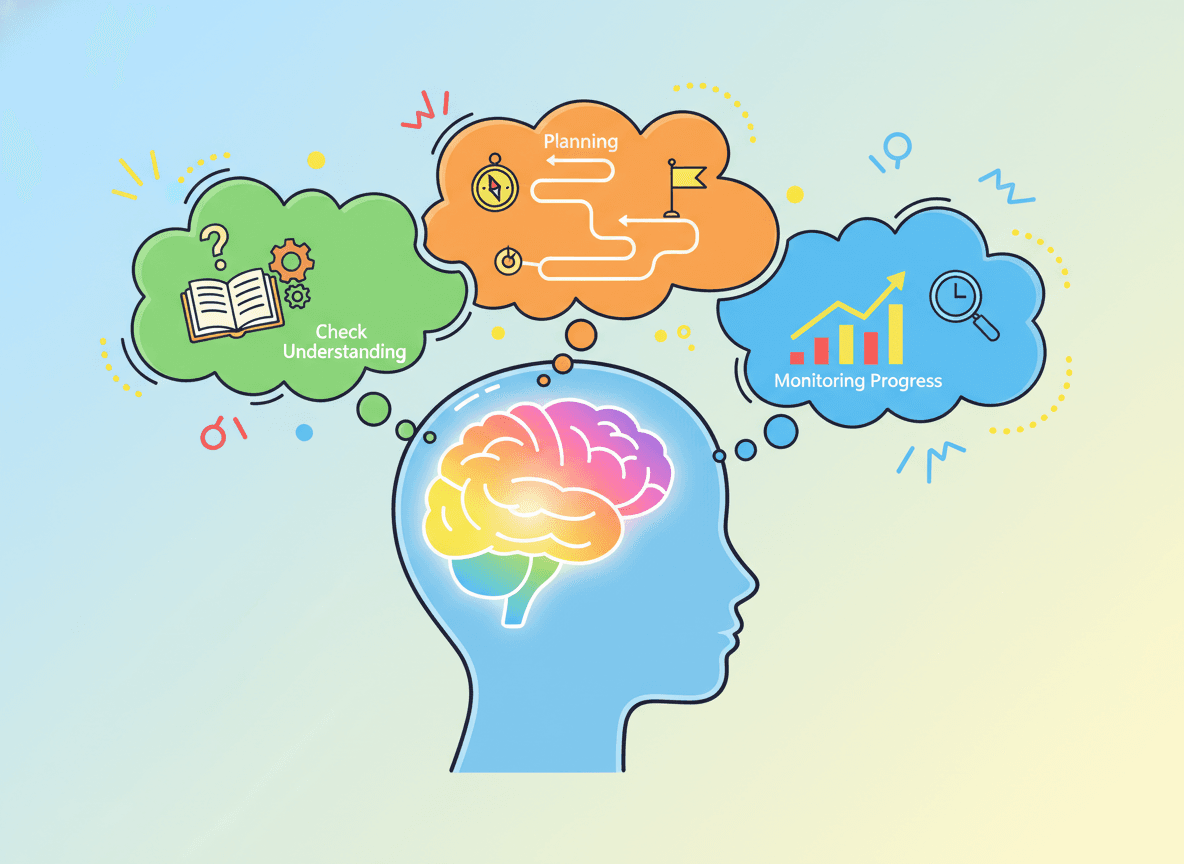
2. Metacognitive Regulation Active management of one's own learning process:
-
Planning: Before starting - "What is this task asking? What strategy should I use?"
-
Monitoring: During the task - "Am I understanding this? Is my answer reasonable?"
-
Evaluating: After the task - "Did I meet the goal? What would I do differently?"
Metacognition in the Classroom
In Reading
A metacognitive reader:
- Notices when a sentence doesn't make sense
- Uses fix-up strategies (re-read, read ahead, use context)
- Monitors comprehension throughout the text, not just at the end
In Math
A metacognitive math student:
- Reads a problem and asks, "What is this really asking?"
- Checks whether the answer is reasonable before moving on
- Identifies which strategy applies to this type of problem
In Writing
A metacognitive writer:
- Re-reads drafts and asks, "Does this make sense to a reader who wasn't there?"
- Identifies sentences where the meaning is unclear
- Knows the difference between revising content and editing mechanics
How to Teach Metacognition Explicitly
Think-alouds: The most powerful tool. The teacher verbalizes their thinking while performing a task: "I just read that sentence and realized I don't know what that word means. Let me look for context clues around it."
Comprehension monitoring check-ins: Teach students to rate their understanding (1 = confused, 2 = sort of get it, 3 = I could explain it) throughout a lesson.
Strategy charts: Post a "What to do when you're stuck" chart:
- Re-read the confusing part
- Look at the picture/diagram
- Read ahead and come back
- Ask a partner
- Ask the teacher
Error analysis: After returning an assessment, have students examine what they got wrong, identify why (didn't understand the concept? read the question wrong? made a calculation error?), and decide what to do next.
Learning journals: Regular prompts: "What did you learn today? What is still confusing? What strategy did you use?"
Common Misconceptions
Metacognition is just self-reflection at the end of a lesson: Metacognition operates before, during, and after learning. Planning (before), monitoring (during), and evaluating (after) are all components. Restricting it to end-of-lesson reflection misses most of the work.
Students develop metacognition naturally: Some do, many don't. Research shows that explicit instruction in metacognitive strategies - especially through teacher think-alouds - significantly accelerates development. Waiting for metacognition to emerge on its own leaves many students without the tools to regulate their own learning.
Metacognition is only for advanced learners: All learners benefit from metacognitive instruction. Struggling learners often benefit most - the habit of checking "Do I understand this?" can be transformative for students who have learned to move through text or math without comprehending.
Practice Activities
-
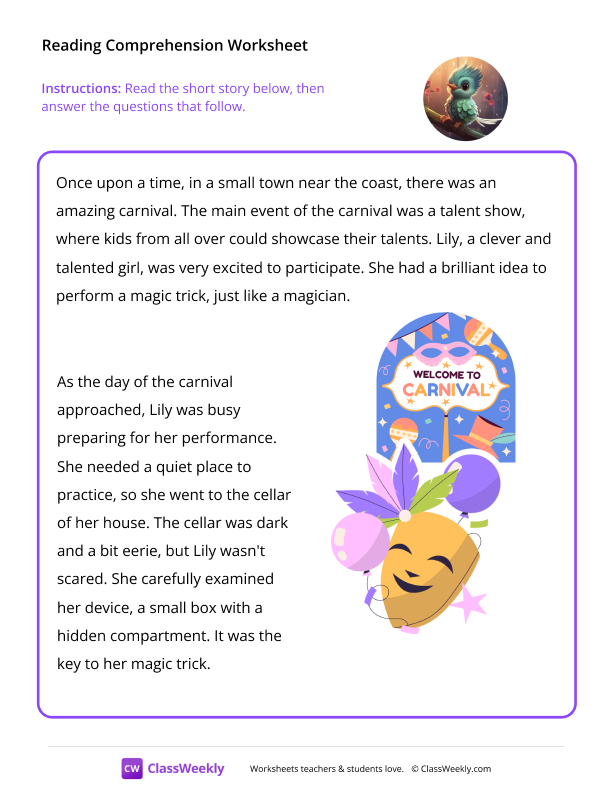
Think-aloud models: Begin each reading lesson with a 2-minute think-aloud where the teacher models noticing confusion and using a fix-up strategy.
-
3-2-1 exit reflection: At the end of class: 3 things I learned, 2 things I want to know more about, 1 thing that still confuses me.
-
Strategy matching activity: Give students three different types of challenging tasks; they choose and justify the best strategy for each.
-
"Caught being metacognitive" board: Post student examples of metacognitive thinking overheard in class.
-
Comprehension monitoring bookmark: Students keep a bookmark with 3 questions: "Does this make sense? Do I need to re-read? What is the main idea so far?"
Frequently Asked Questions
What is metacognition?
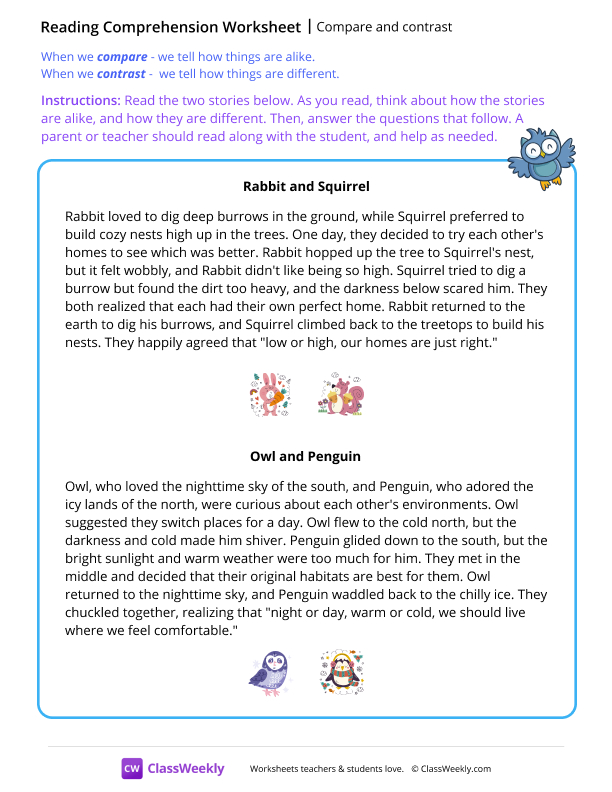
Metacognition literally means 'thinking about thinking.' It is the ability to monitor your own understanding - knowing when you understand something, knowing when you don't, and knowing what to do about it. A metacognitive reader knows when a paragraph didn't make sense and goes back to re-read it. A metacognitive math student checks whether an answer is reasonable before moving on. Metacognition includes two components: metacognitive knowledge (what I know about how I learn) and metacognitive regulation (actively managing my own learning process).
Why is metacognition so important for academic learning?
Research by John Hattie and others consistently identifies metacognition as one of the highest-impact strategies for student achievement. Students with strong metacognitive skills are more independent learners - they catch their own errors, know when to ask for help, choose the right strategies for a task, and transfer skills across contexts. Without metacognition, students may finish a page without comprehending it, attempt a math problem without checking if it makes sense, or complete an assignment without knowing whether they've met the objective.
How do you teach metacognition?
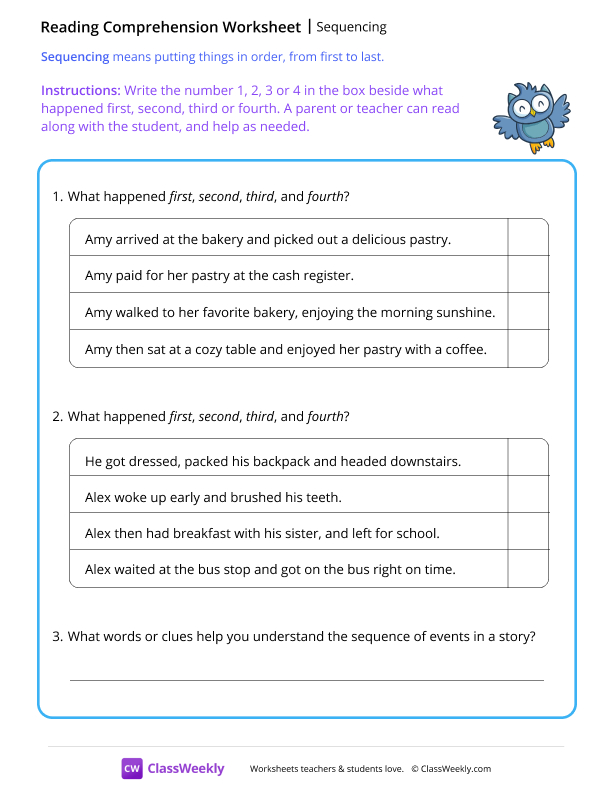
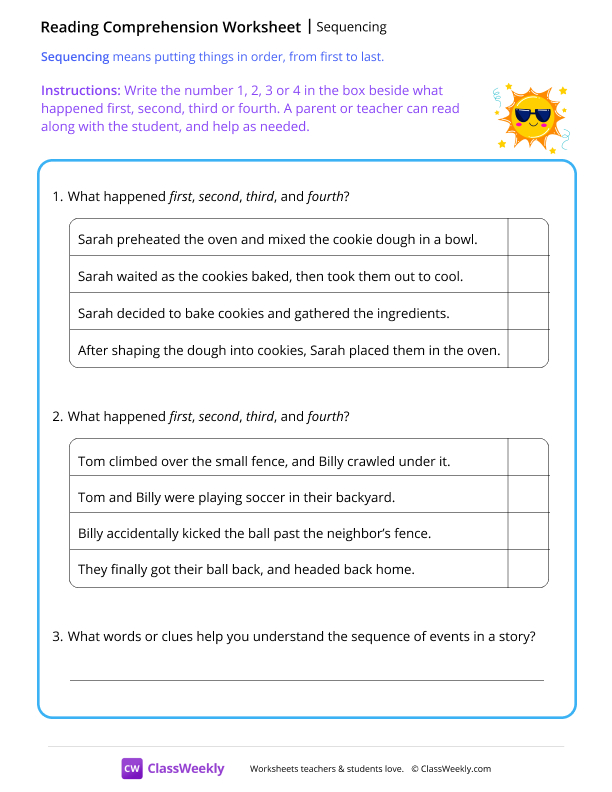
Metacognition is taught explicitly, primarily through teacher think-alouds and structured reflection routines. When a teacher reads a confusing sentence and says aloud, 'Wait - that didn't make sense. Let me re-read it slowly,' they are modeling metacognitive monitoring. Classroom practices that build metacognition include: comprehension monitoring check-ins ('Am I understanding this? Rate yourself 1-3'), exit tickets that ask 'What was confusing today?', strategy charts that students consult when stuck, learning journals where students reflect on their thinking, and error analysis where students examine what they got wrong and why.
What grade level is metacognition appropriate for?
Basic metacognitive awareness can begin as early as kindergarten with simple prompts ('Do you understand? Show me thumbs up or thumbs down') and grows more sophisticated through elementary school. Explicit instruction in metacognitive strategies is most productive in grades 3-5, when students have sufficient language development to verbalize their thinking and sufficient experience with academic tasks to reflect on their own learning patterns. Middle and high school instruction can go deeper into metacognitive regulation - planning, monitoring, and evaluating complex tasks.
What is the connection between metacognition and growth mindset?
Metacognition and growth mindset are closely related but distinct. Growth mindset (Carol Dweck) is the belief that abilities can develop through effort. Metacognition is the practical toolkit for doing that development - the specific strategies for monitoring, regulating, and improving your own learning. Growth mindset provides the motivation; metacognition provides the how. A student with growth mindset but no metacognitive skills may believe they can improve but not know how. Both are needed for independent, persistent learners.
Free Metacognition Worksheets
Curriculum-aligned printable worksheets for 3rd – 5th Grade. Download free.