What Is a Metaphor?
Taught in US schools
Key Takeaways
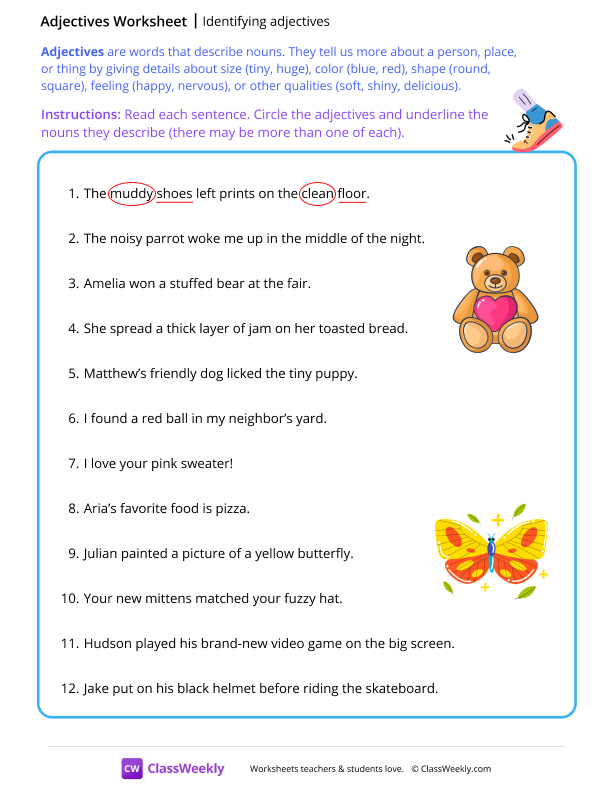
- A metaphor directly states that one thing IS another, creating a comparison without 'like' or 'as.'
- Metaphors are more direct and assertive than similes, which use 'like' or 'as.'
- Extended metaphors carry a comparison throughout a paragraph or entire poem.
- Language is full of 'dead metaphors' - comparisons we've stopped recognizing as figurative: 'raining cats and dogs,' 'the heart of the matter.'
What Is a Metaphor?
A metaphor is a figure of speech that directly describes one thing as if it IS another thing - without using "like" or "as." Unlike a simile (which signals the comparison with these connecting words), a metaphor states the comparison directly.
Examples:
- "Life is a rollercoaster." (not: life is like a rollercoaster)
- "The classroom was a zoo."
- "Time is money."
- "The snow was a white blanket over the field."
- "He has a heart of gold."
Metaphors make abstract or complex ideas concrete and emotionally resonant. They are one of the most powerful tools in a writer's craft.
How Metaphors Work
A metaphor works by transferring qualities from one thing to another.
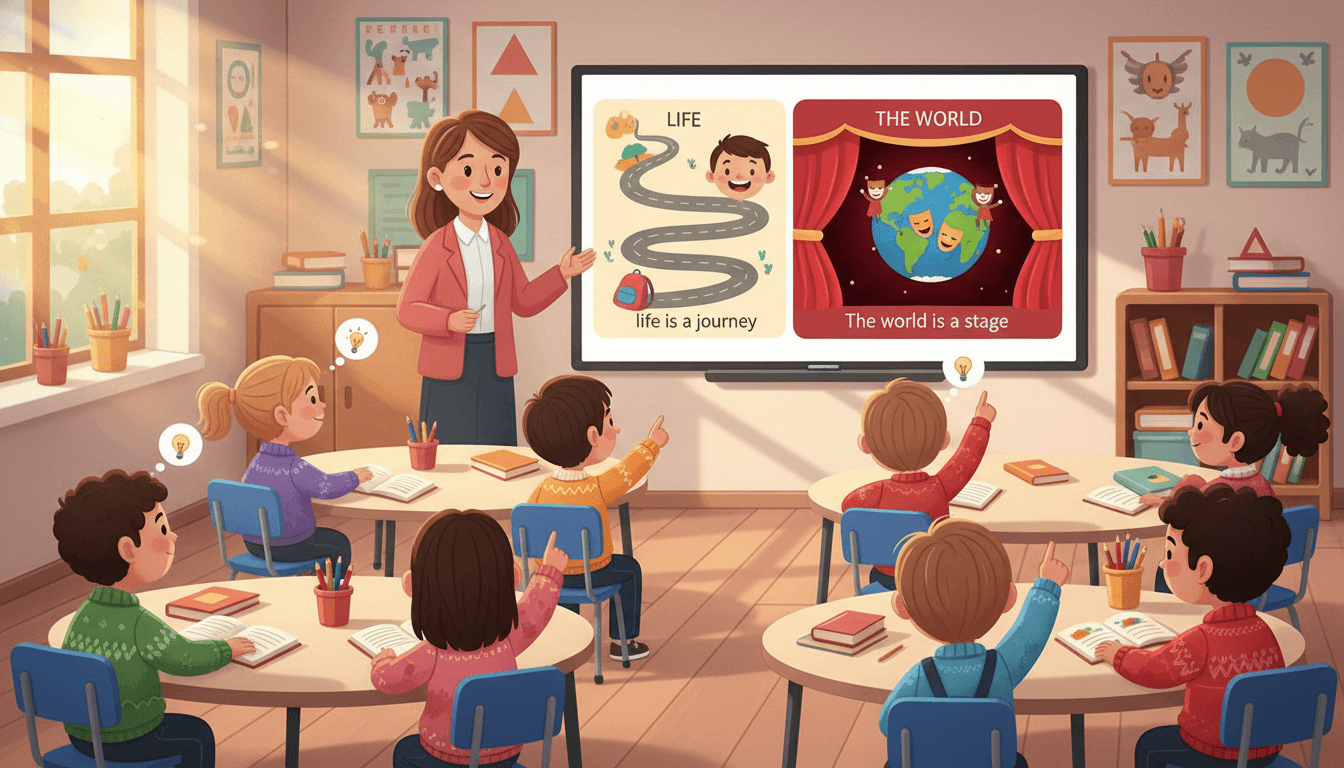
"The world is a stage" (Shakespeare)
- Stage = a place where performances happen, where actors play roles, where an audience watches
- World = transfers all these qualities: people are actors playing roles, life is a performance, others are the audience
- The metaphor reveals something true about human experience in a single, memorable phrase
Types of Metaphors
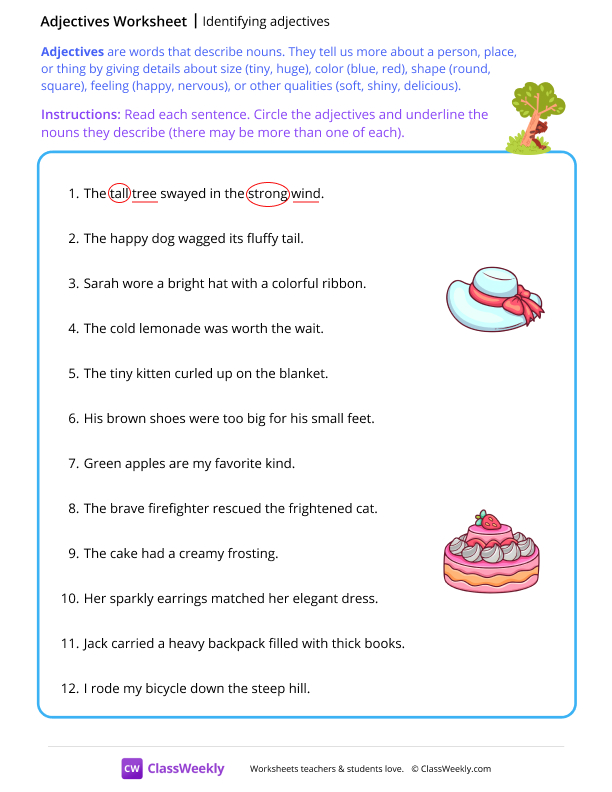
Simple metaphor: A brief, direct comparison ("Her mind was a library").
Extended metaphor: A comparison developed over many sentences or a whole poem.
Dead metaphor: A metaphor so familiar it no longer feels figurative: "the foot of the mountain," "raining cats and dogs," "the eye of the needle."
Mixed metaphor: Two metaphors combined that clash awkwardly: "We need to iron out the stumbling blocks." (Avoid in writing.)
Metaphors vs. Similes at a Glance
Signal words: like, as
Statement: "X is like Y"
Directness: more tentative
Effect: comparison is clear
What Grade Do Kids Learn Metaphors?
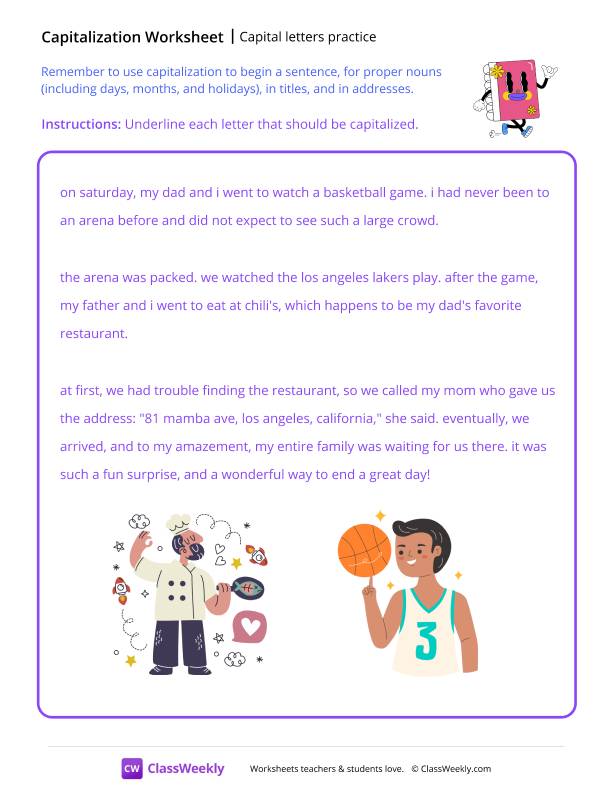
3rd grade (L.3.5a): Students identify figurative language, including metaphors, in text.
4th grade (RL.4.4): Students determine the meaning of words and phrases used figuratively in a text.
5th grade (RL.5.4): Students interpret figurative language - metaphors, personification, hyperbole - and explain how it contributes to meaning and tone.
Common Misconceptions
Metaphors are lies: A student might object, "She's not REALLY a lion!" Explain that metaphors are a form of creative truth - they reveal real qualities (bravery, strength) through a vivid comparison.
Simile is when you use 'like'; metaphor is when you don't: This is technically correct but incomplete. The absence of "like" doesn't automatically make something a metaphor - it must be a figurative comparison, not a literal statement. "She is my sister" is not a metaphor.
Metaphors are only in poems: Metaphors permeate all language - conversation, sports, advertising, science, politics. Language itself is saturated with metaphor.
Practice Activities
-
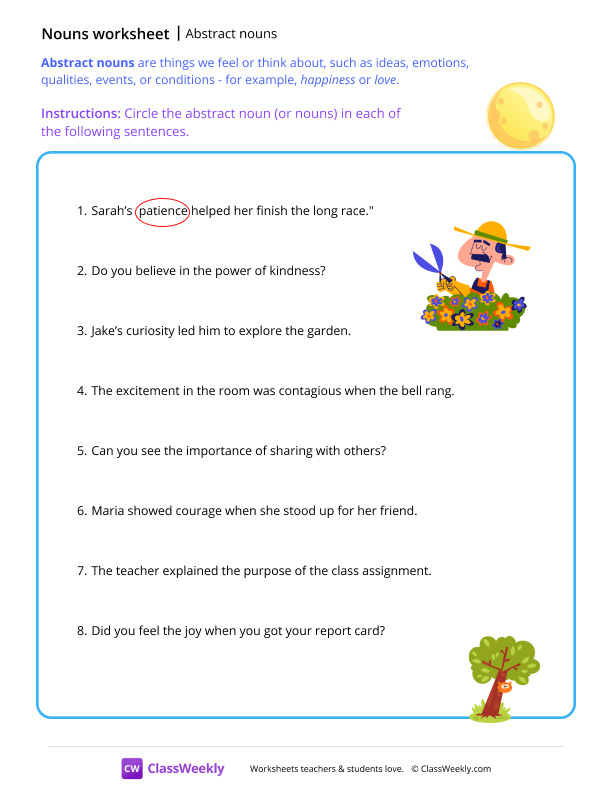
Metaphor completion: "The cafeteria is ___ because ___." Students complete and explain.
-
Simile-to-metaphor conversion: Convert similes to metaphors and discuss how the feeling changes.
-
Metaphor illustration: Draw the literal meaning of a metaphor (a classroom as a zoo) and discuss why the figurative meaning is apt.
-
Extended metaphor poem: Write a poem that extends one metaphor (life as a game, school as a garden) throughout.
-
Metaphor hunt: Find 5 metaphors in a reading passage or song lyrics; explain what each compares and why.

Frequently Asked Questions
What is a metaphor?
A metaphor is a figure of speech that describes one thing as if it actually is something else, creating a direct comparison without using 'like' or 'as.' When Juliet is called 'the sun' in Romeo and Juliet, Shakespeare isn't saying she resembles the sun - he's saying she IS the sun, her warmth and light filling Romeo's world. This directness gives metaphors unusual power.
What is the difference between a metaphor and a simile?
Both compare unlike things, but similes use 'like' or 'as' while metaphors do not. 'Her voice was like music' (simile) vs. 'Her voice was music' (metaphor). The metaphor is bolder - it doesn't hedge. Similes say 'this is similar to'; metaphors say 'this IS.' Both are valuable; the choice depends on the effect the writer wants.
What is an extended metaphor?
An extended metaphor develops a single comparison across multiple sentences, a full paragraph, or an entire poem. Rather than using a metaphor once and moving on, the writer explores many aspects of the comparison. Robert Frost's poem 'The Road Not Taken' extends the metaphor of a road as a life choice throughout the entire poem.
What are dead metaphors?
Dead metaphors are comparisons so familiar they no longer feel figurative. We say 'the foot of the mountain,' 'the arm of a chair,' 'the heart of the problem,' and 'raining cats and dogs' without thinking of them as comparisons. They were once vivid metaphors that, through repetition, became part of everyday language. They are evidence of how metaphor is fundamental to how humans think and communicate.
Are metaphors only found in poetry?
No - metaphors appear everywhere. Speeches ('Life is a journey'), advertising ('Red Bull gives you wings'), sports commentary ('He's on fire tonight'), everyday conversation ('This class is a zoo'), and scientific language (the 'web' of life, the 'blueprint' of DNA). Cognitive linguists argue that most abstract thinking relies on metaphor.
Free Metaphor Worksheets
Curriculum-aligned printable worksheets for 3rd – 5th Grade. Download free.
Common Core Standards