What Is a Simile?
Taught in US schools
Key Takeaways
- A simile compares two unlike things using 'like' or 'as': 'brave as a lion,' 'her voice is like music.'
- Similes create vivid images by connecting something unfamiliar to something the reader already knows.
- The key difference from metaphor: similes use 'like' or 'as'; metaphors state the comparison directly.
- Effective similes are specific and unexpected - not clichés like 'fast as lightning.'
What Is a Simile?
A simile is a figure of speech that compares two different things using the words "like" or "as". Similes create vivid images by connecting something the reader might not know well to something they already understand.
Examples:
- "Her smile was like sunshine on a cloudy day."
- "The test was as easy as breathing."
- "The thunder roared like an angry giant."
- "His hands were as cold as ice."
Similes make abstract or unfamiliar things concrete, and they help readers feel rather than just understand what is being described.
Simile vs. Metaphor: The Key Difference
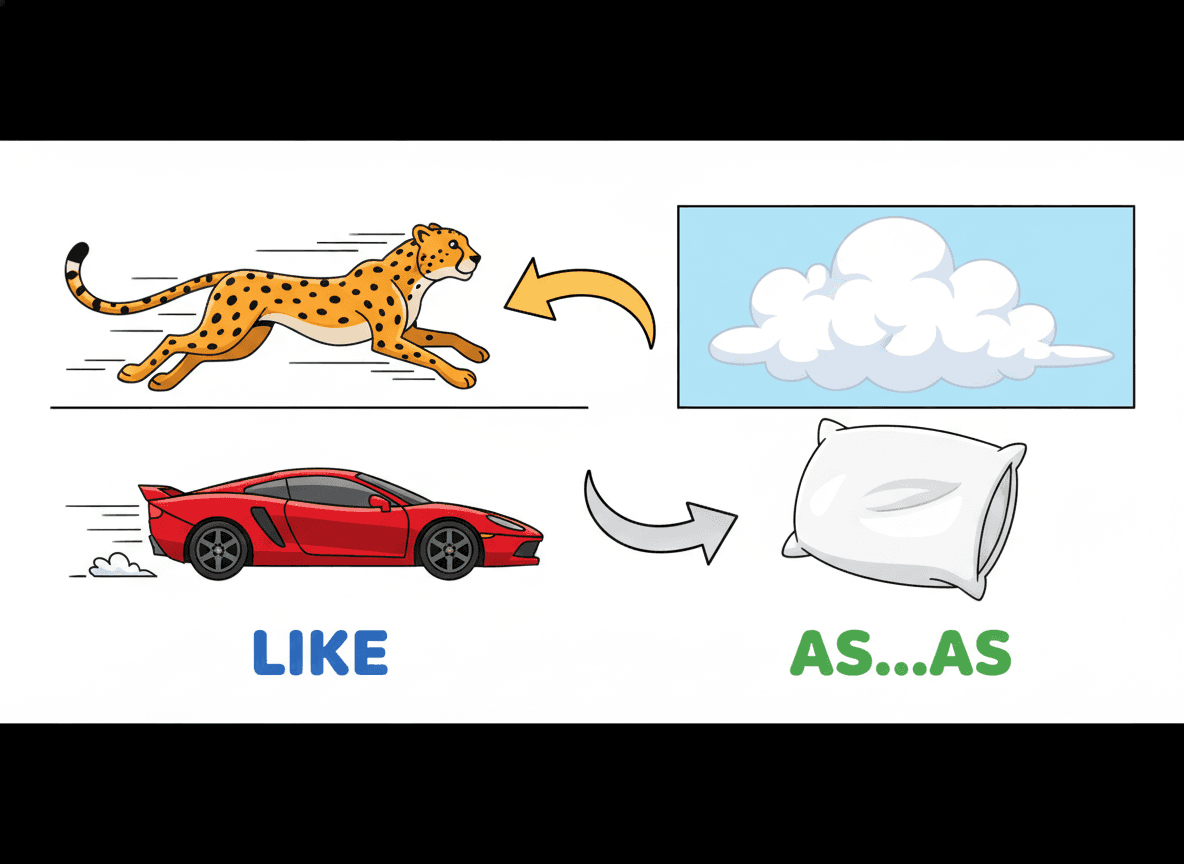
Both similes and metaphors compare unlike things. The difference is the signal words:
Uses "like" or "as": No signal word
"She is like a lion.": "She is a lion."
"Time is like a river.": "Time is a river."
More explicit: More direct/assertive
The Parts of a Simile
Subject: What is being described
Comparison: What it is being compared to
Connector: "like" or "as"
Point of comparison: What quality they share
"His temper flared like a match in a breeze."
- Subject: his temper
- Comparison: a match in a breeze
- Connector: like
- Point of comparison: quick and consuming
Strong Similes vs. Clichés
Clichéd similes have been used so often they've lost impact:
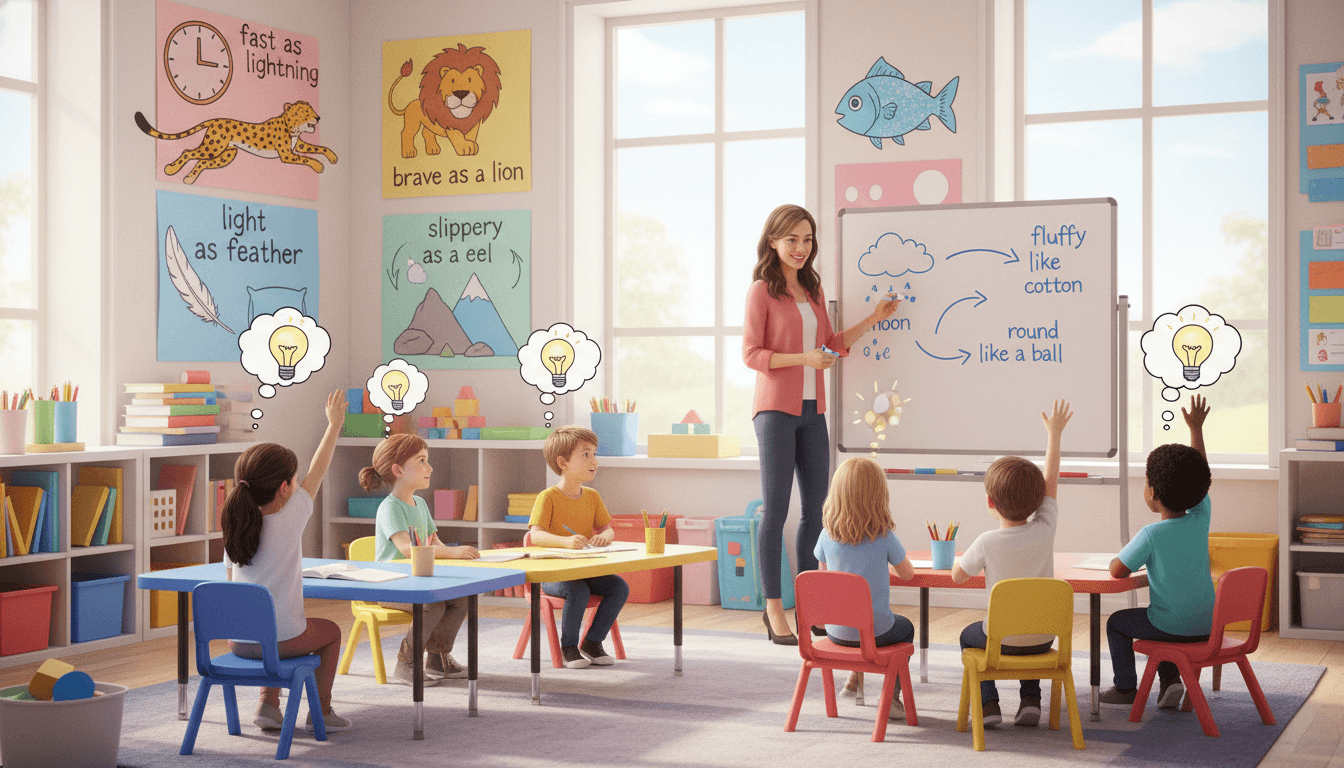
- "as cold as ice," "fast as lightning," "white as snow," "sly as a fox"
Fresh similes surprise readers and reveal something new:
- "His voice was like a rough blanket - warm but uncomfortable."
- "The fog rolled in like a shy animal peering around a corner."
Teaching students to avoid clichés and reach for original comparisons is a hallmark of advanced writing instruction.
What Grade Do Kids Learn Similes?
3rd grade (L.3.5a): Students distinguish literal and nonliteral language and begin identifying similes.
4th grade (RL.4.4): Students determine the meaning of figurative language including similes in context.
5th grade (RL.5.4): Students interpret figurative language, including similes, in poetry and prose, analyzing their contribution to tone and meaning.
Common Misconceptions
Every use of "like" is a simile: "I like soccer" is not a simile. "Like" must link two different kinds of things in a figurative comparison.
Similes are the same as metaphors: The "like"/"as" distinction is the defining difference. Students often confuse them because both involve comparison.
All similes are equally effective: Clichés are technically similes but are weak writing. Help students identify whether a simile feels fresh or tired.
Practice Activities
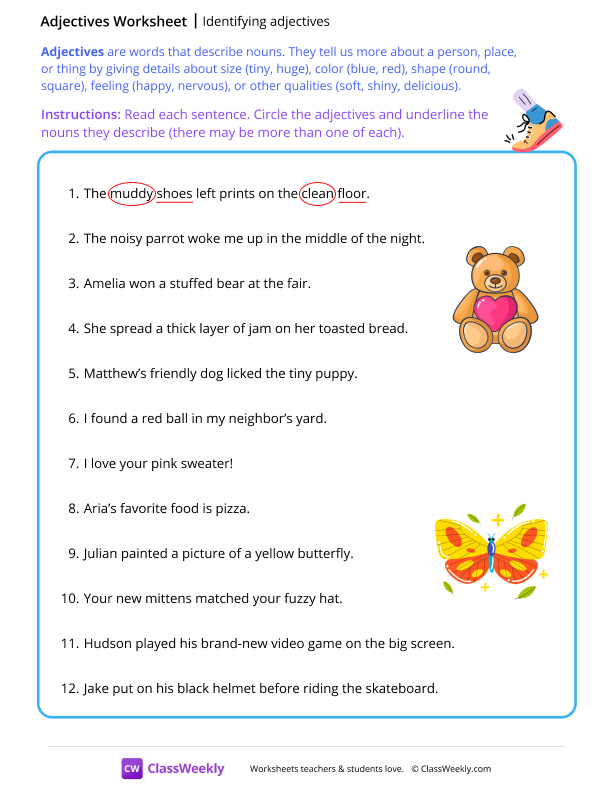
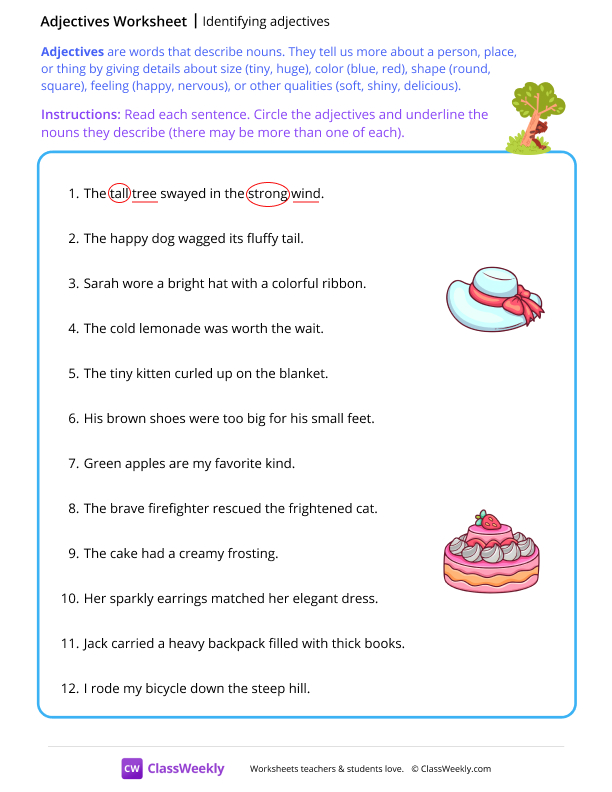
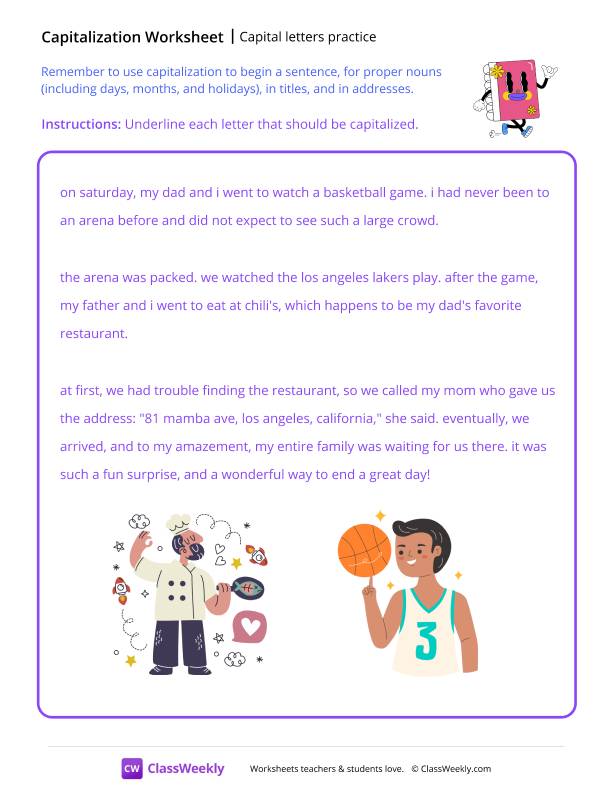
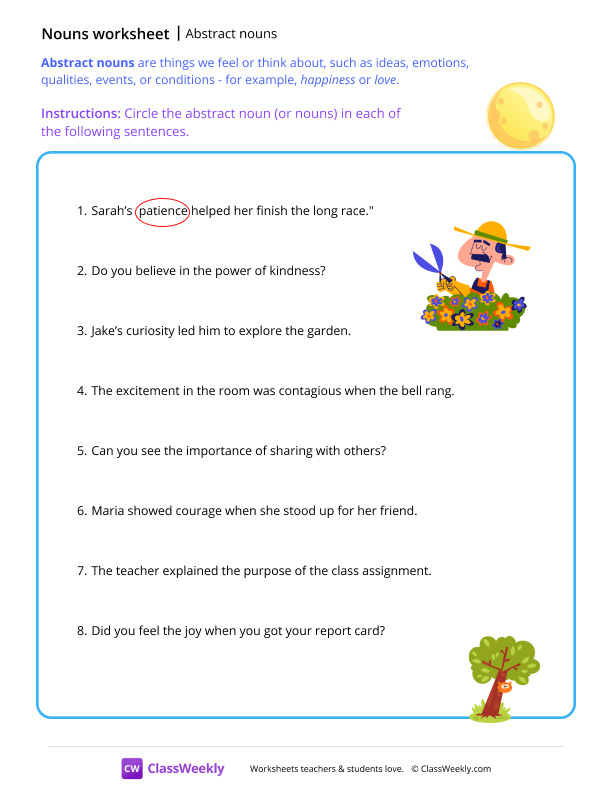
-
Simile completion: "The pizza was as hot as ___." "The puppy ran like ___." Students complete with fresh (not cliché) comparisons.
-
Simile vs. metaphor sort: Give cards and students sort into two categories.
-
Simile to image: Students illustrate a simile literally to understand why it works figuratively.
-
Character description with simile: Describe a character using three similes.
-
Simile hunt: Highlight similes in a poem or descriptive passage and discuss what each compares and why.
Frequently Asked Questions
What is a simile?
A simile is a comparison between two unlike things that uses the connecting words 'like' or 'as.' For example: 'Her smile was like sunshine,' or 'He ran as fast as the wind.' Similes help readers visualize and experience descriptions by connecting the unfamiliar to the familiar. The word simile comes from Latin meaning 'same' or 'similar.'
What is the difference between a simile and a metaphor?
Both compare two unlike things, but the method differs. A simile uses 'like' or 'as' to signal the comparison: 'She is like a rock.' A metaphor states the comparison directly without those signal words: 'She is a rock.' Metaphors are more assertive and can feel more powerful; similes are more explicit about the comparison being made.
What makes a good simile?
A strong simile is specific, fresh, and illuminating - it reveals something about the subject that readers hadn't thought of before. 'Her eyes are like stars' is a cliché; 'her eyes were like two pennies at the bottom of a fountain - always hoping for something' is specific and evocative. The best similes surprise readers with an unexpected but perfectly apt comparison.
Can you identify a simile just by looking for 'like'?
Not always. 'Like' appears in sentences that are not similes: 'I like ice cream' and 'She looks like her mother' are not similes. For a simile, the 'like' must be comparing two genuinely different kinds of things to create an image. Also, similes with 'as...as' don't use 'like' at all: 'as cold as ice.' Always check whether the comparison is figurative.
Where do similes appear in reading?
Similes appear in all types of creative writing - fiction, poetry, song lyrics, speeches, and essays. Famous similes include: 'Life is like a box of chocolates' (Forrest Gump), 'I wandered lonely as a cloud' (Wordsworth), 'My love is like a red, red rose' (Burns). In elementary literature, similes are especially common in poetry and descriptive passages.
Free Simile Worksheets
Curriculum-aligned printable worksheets for 3rd – 5th Grade. Download free.
Common Core Standards