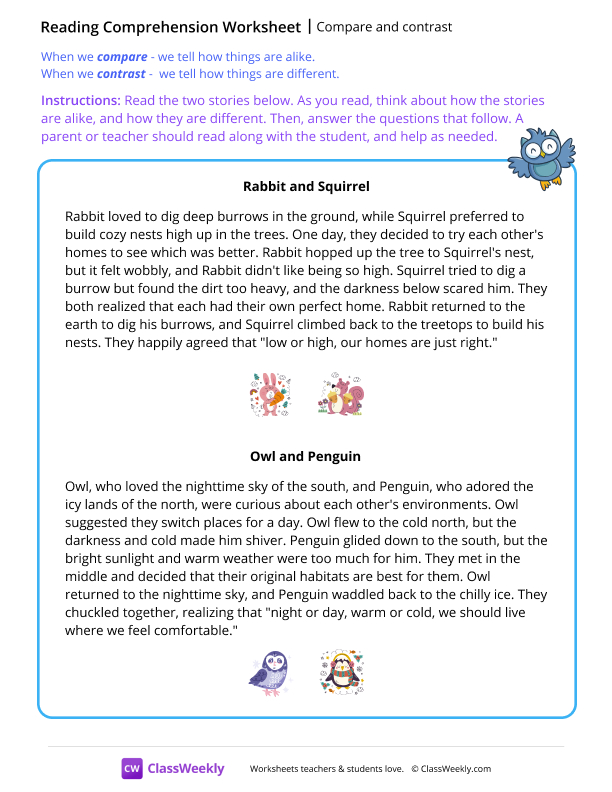
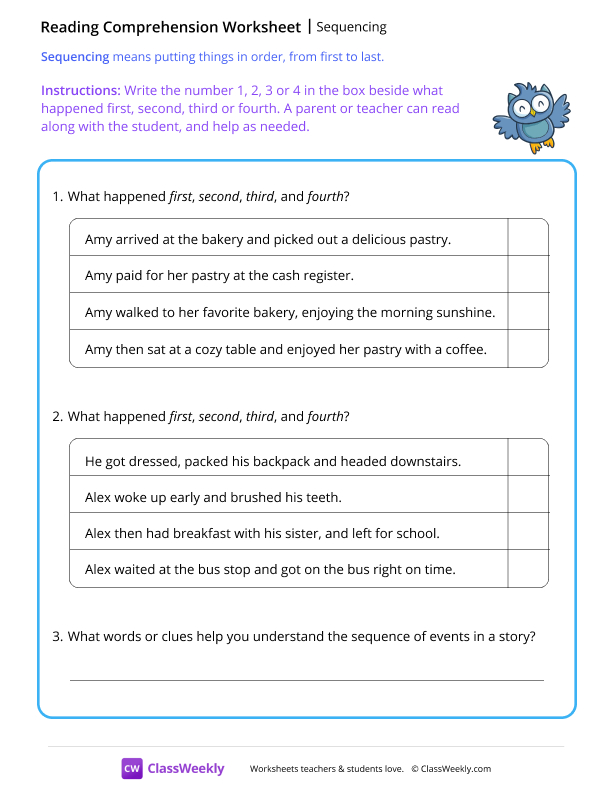
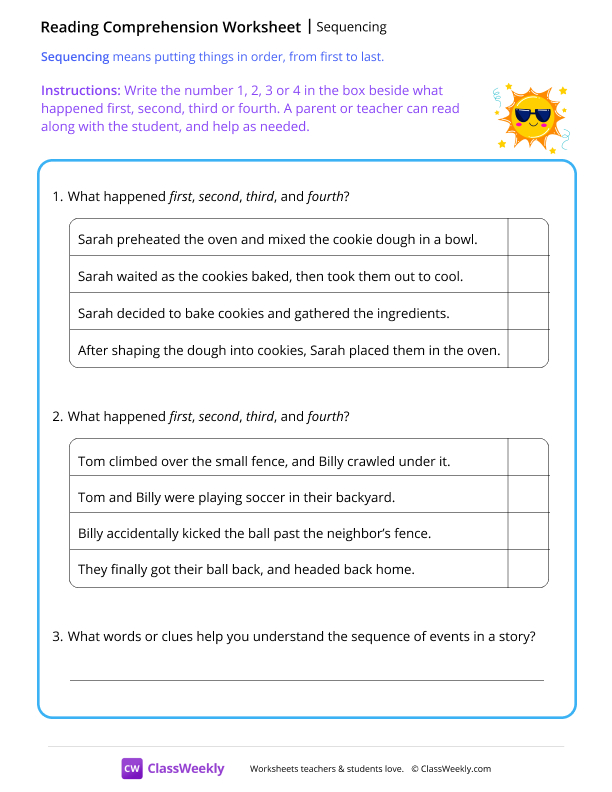
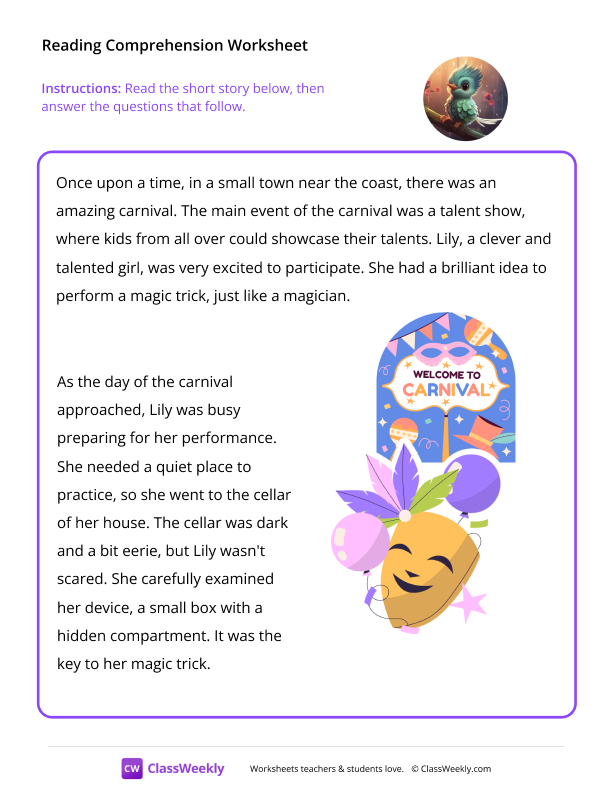
What Is Phonological Awareness?
Taught in US schools
Key Takeaways
- Phonological awareness is a listening skill - it works entirely with sounds, not letters or print.
- It is an umbrella term that includes word awareness, syllable awareness, rhyme, onset-rime, and phonemic awareness.
- Phonological awareness is one of the strongest predictors of later reading success.
- Phonemic awareness (hearing individual phonemes) is the most important subset of phonological awareness for reading.
What Is Phonological Awareness?
Phonological awareness is the ability to recognize, identify, and manipulate the sound structures of spoken language. It is a purely auditory and oral skill - no letters, no print, no writing. A child could demonstrate phonological awareness in a completely dark room.
Phonological awareness develops on a continuum from awareness of large sound units (sentences → words) to awareness of small sound units (syllables → individual sounds). It is one of the strongest predictors of later reading success identified by reading research.
The Phonological Awareness Continuum
Easiest → Hardest:
- Word awareness: Knowing sentences are made of separate words.
- Syllable awareness: Clapping, counting, and segmenting syllables (but-ter-fly = 3).
- Rhyme recognition: Do "cat" and "hat" rhyme? (Yes)
- Rhyme production: Give me a word that rhymes with "dog." (frog, log, hog)
- Onset-rime: Separating the beginning consonant(s) from the rest: /k/ + /at/ = cat
- Phoneme isolation: What is the first sound in "ship"? (/ʃ/)
- Phoneme blending: What word is /d/ /ɒ/ /g/? (dog)
- Phoneme segmentation: How many sounds in "chat"? (/tʃ/ /æ/ /t/ = 3)
- Phoneme manipulation: Say "cat" without the /k/. (at) Say "flat" replacing /l/ with /r/. (frat)
Phonological Awareness vs. Phonics
Modality: Oral/auditory only
Input: Spoken language
Skill: Manipulate sounds
Example: Clap syllables in "butterfly" Both are essential. Phonological awareness typically develops first and supports phonics learning.
What Grade Do Kids Develop Phonological Awareness?
Pre-K and Kindergarten: Foundation - rhyme, syllables, onset-rime, basic phoneme identification.
1st grade: Rapid development of phoneme segmentation and manipulation; connects to beginning phonics.
2nd grade: Students who have not achieved phonemic awareness at the phoneme manipulation level need targeted intervention; most students have moved into applying phonics to reading and spelling.
Common Misconceptions
Phonological awareness is the same as phonics: Phonological awareness is purely oral; phonics involves print. Both are necessary, but they are distinct skills that develop somewhat independently.
Phonological awareness comes naturally: Some children do develop phonological awareness through rich language exposure. Others need explicit instruction. Research shows systematic phonological awareness instruction benefits virtually all students.
Older students don't need phonological awareness instruction: Students who struggle with phonological awareness at any age benefit from intervention. For struggling readers in 3rd grade and beyond, phonological awareness gaps often underlie persistent decoding difficulties.
Practice Activities
-
Clapping syllables: Students clap each syllable as they say their name and classmates' names.
-
Rhyme time: Read a rhyming book; students predict the rhyming word before the teacher reads it.
-
Sound boxes (Elkonin boxes): Students push a chip into a box for each sound as they segment a word.
-
Phoneme substitution: "Say 'cat.' Now change the /k/ to /b/. What word do you have?" (bat)
-
Onset-rime sorting: Sort picture cards by their rime (pictures of things that end with /at/ vs. /og/).
Frequently Asked Questions
What is phonological awareness?
Phonological awareness is the ability to recognize and work with the sound structures of spoken language. It operates entirely in the oral domain - no letters or print are involved. A phonologically aware student can clap syllables in a word, identify rhyming words, blend separate sounds into a word, and manipulate sounds mentally. It develops on a continuum from large units (words) to small units (individual sounds).
What is the difference between phonological awareness and phonemic awareness?
Phonological awareness is the broader umbrella term - it includes all levels of sound awareness: words, syllables, onset-rime, and phonemes (individual sounds). Phonemic awareness is a specific subset of phonological awareness focused specifically on individual phonemes - the smallest units of sound. All phonemic awareness is phonological awareness, but not all phonological awareness is phonemic awareness.
What is the phonological awareness continuum?
Phonological awareness develops in roughly this order, from easiest to hardest: (1) Word awareness - knowing that sentences are made of separate words. (2) Syllable awareness - clapping syllables. (3) Rhyme recognition - do these words rhyme? (4) Onset-rime - separating 'cat' into /k/ + /at/. (5) Phoneme isolation - identifying the first sound in a word. (6) Phoneme segmentation - breaking a word into all its sounds. (7) Phoneme manipulation - adding, deleting, or substituting sounds.
How is phonological awareness different from phonics?
Phonological awareness works entirely with sounds - no print is involved. It is an oral and auditory skill. Phonics connects sounds to letters and spelling patterns in print. A student demonstrating phonological awareness can tell you that 'cat' has 3 sounds (/k/ /æ/ /t/). A student applying phonics can match each sound to a letter and write or read the word. Both are essential; phonological awareness typically develops first.
Is phonological awareness still being taught in schools?
Yes, and increasingly so. The Science of Reading movement (backed by decades of research) has reinvigorated phonological awareness instruction as a critical component of foundational literacy. Schools using structured literacy programs teach phonological awareness explicitly and systematically in pre-K through 2nd grade, with intervention for students who need more support in later grades.
Free Phonological Awareness Worksheets
Curriculum-aligned printable worksheets for Kindergarten – 2nd Grade. Download free.