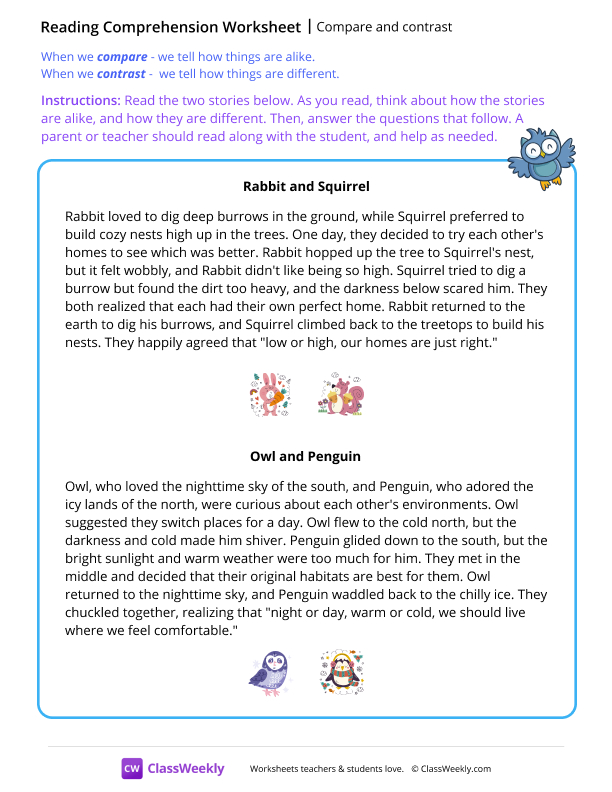
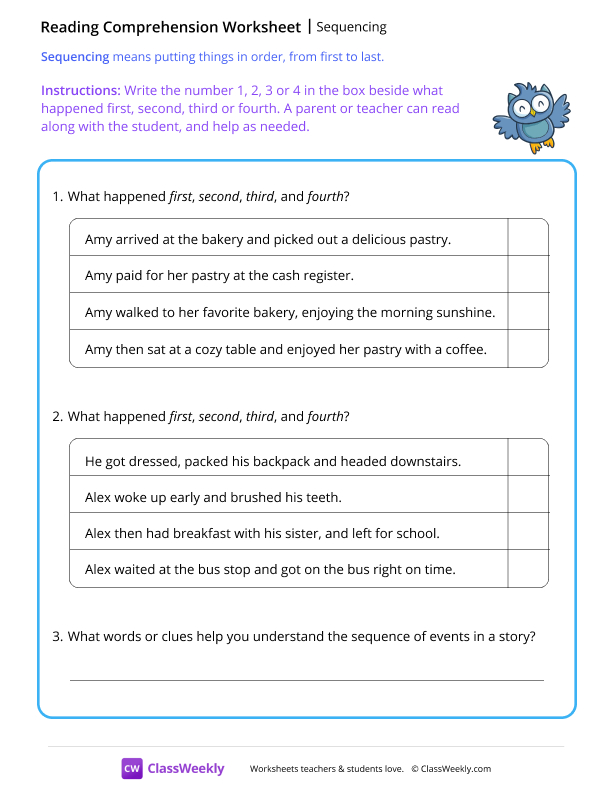
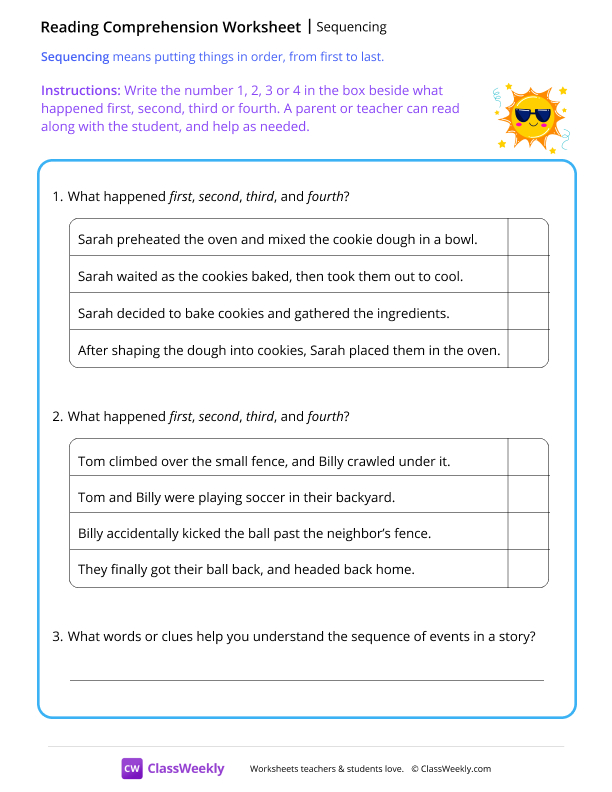
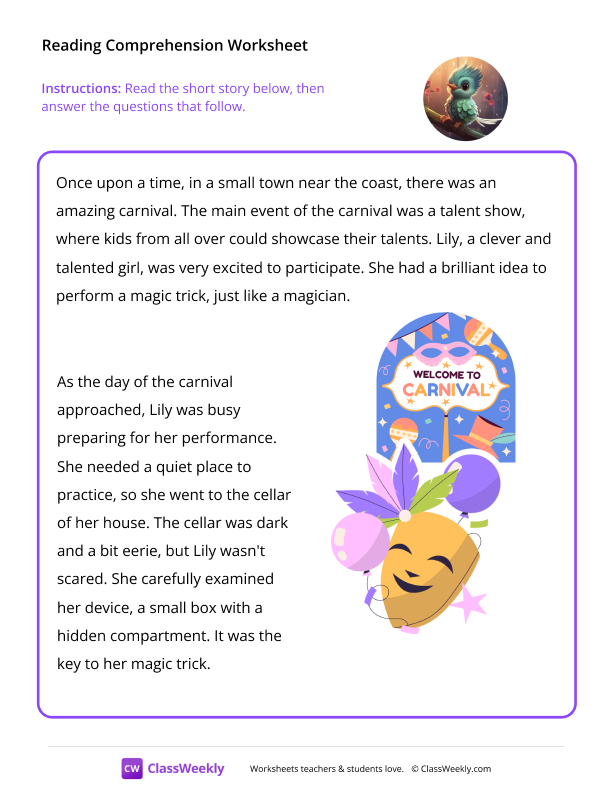
What Is a Read-Aloud?
Taught in US schools

Key Takeaways
- Read-alouds are when a teacher reads aloud to students - one of the most research-backed literacy activities.
- They expose students to vocabulary and texts above their independent reading level.
- Read-alouds build comprehension, background knowledge, and love of reading at all grade levels.
- Interactive read-alouds (pausing to discuss and think aloud) are more effective than passive read-alouds.
What Is a Read-Aloud?
A read-aloud is when a teacher reads a book or text aloud to students - typically with the class gathered together, following along or simply listening. It is one of the oldest, most natural, and most research-supported literacy practices in education.
Jim Trelease's The Read-Aloud Handbook and decades of subsequent research have made the case decisively: being read to is one of the most powerful things that can happen to a young reader's development, and it doesn't stop being powerful when children learn to read independently.
Why Read-Alouds Are So Effective
Vocabulary above independent level. Teachers can read books that are more complex and vocabulary-rich than what students can read independently. Every new word heard in context is a vocabulary lesson.
Fluency modeling. Hearing a fluent, expressive reader demonstrates what good reading sounds like - the pacing, the expression, the way punctuation shapes the reading.
Comprehension of complex texts. Students' listening comprehension outpaces their reading comprehension through about grade 5-6. Read-alouds let students engage with complex ideas and stories before they can access them independently.
Background knowledge. Every book read aloud adds to students' understanding of history, science, culture, and the human experience.
Love of reading. Students who are read engaging books regularly develop a belief that reading is worthwhile - which motivates independent reading.
Interactive Read-Alouds
A plain read-aloud reads straight through with little interruption. An interactive read-aloud incorporates planned discussion stops that make the experience actively instructional.
Before reading: Preview the cover and title. Activate prior knowledge. Make predictions.
During reading (at planned stopping points):
- "What do you notice about how the author described that?"
- "Turn and talk: what do you think is going to happen next?"
- "What does that word mean? Let's figure it out from context."
- "What is the character feeling right now? How do you know?"
After reading:
- Whole-class discussion of theme, character, author's craft
- Written response (exit ticket, journal entry)
- Connection to other texts or topics studied
Research shows interactive read-alouds produce significantly greater gains in vocabulary and comprehension than passive read-alouds.
Choosing Books for Read-Alouds
Good read-aloud books:
- Are slightly above the class's independent reading level (in vocabulary, complexity, or both)
- Are genuinely engaging - the teacher's enthusiasm matters
- Connect to the curriculum, current units, or the class's interests
- Offer rich language, strong characters, and worthy themes
Practice Activities
- Schedule a daily read-aloud at a consistent time - even 15 minutes per day adds up to over 45 hours per year.
- Plan 3-5 stopping points in advance before any interactive read-aloud; don't wing it.
- After a chapter book read-aloud, keep a class "character map" on chart paper - tracking character traits, motivations, and changes.
- Pair nonfiction read-alouds with science or social studies units to build background knowledge before content instruction begins.

Frequently Asked Questions
What is a read-aloud in school?
A read-aloud is when a teacher reads a book or text aloud to students, usually with the class gathered together. It is one of the oldest and most research-supported literacy practices in education. Read-alouds expose students to vocabulary, sentence structures, and ideas they could not yet access independently. They also model what fluent, expressive reading sounds like.
Why are read-alouds important in upper grades?
Many teachers stop reading aloud after grade 2, but research suggests read-alouds are valuable through grade 8 and beyond. Upper-grade students benefit from exposure to complex texts that are above their independent reading level - especially in content areas (science, social studies, history) where they may lack the background knowledge to read independently. Read-alouds also model sophisticated language and story structure that students internalize as writers.
What is an interactive read-aloud?
An interactive read-aloud is a structured read-aloud where the teacher stops at planned points to prompt thinking and discussion. Rather than reading straight through, the teacher pauses to ask: 'What do you think will happen next?' 'What is the author trying to show here?' 'Does this remind you of anything?' These pauses turn a passive experience into active comprehension practice. Research shows interactive read-alouds produce significantly greater vocabulary and comprehension gains than read-alouds with no discussion.
Free Read-Aloud Worksheets
Curriculum-aligned printable worksheets for Kindergarten – 5th Grade. Download free.
Common Core Standards