What Is Early Literacy?
Taught in US schools
Key Takeaways
- Early literacy is the foundation for reading and writing - it begins long before formal schooling.
- Key components include print awareness, phonological awareness, vocabulary, and oral language.
- Being read to frequently is one of the strongest predictors of early literacy success.
- Children who enter kindergarten with strong early literacy skills have significantly better long-term reading outcomes.
What Is Early Literacy?
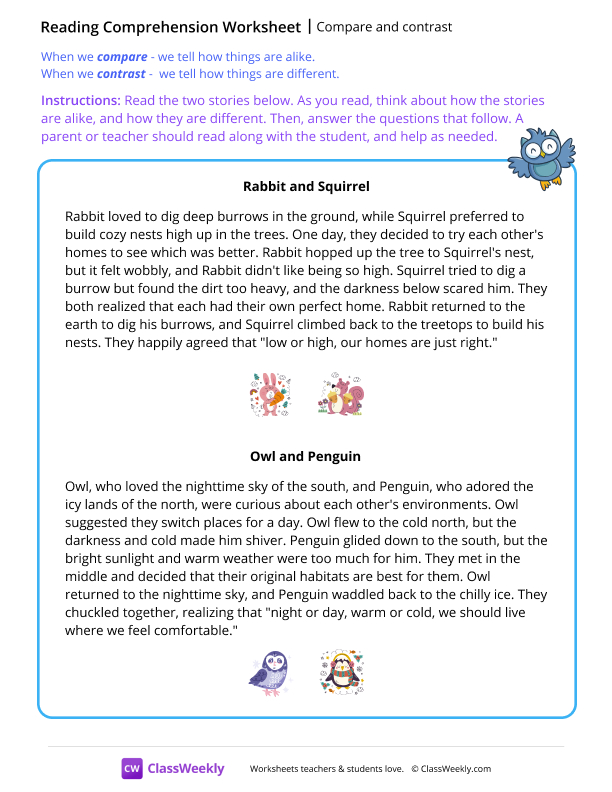
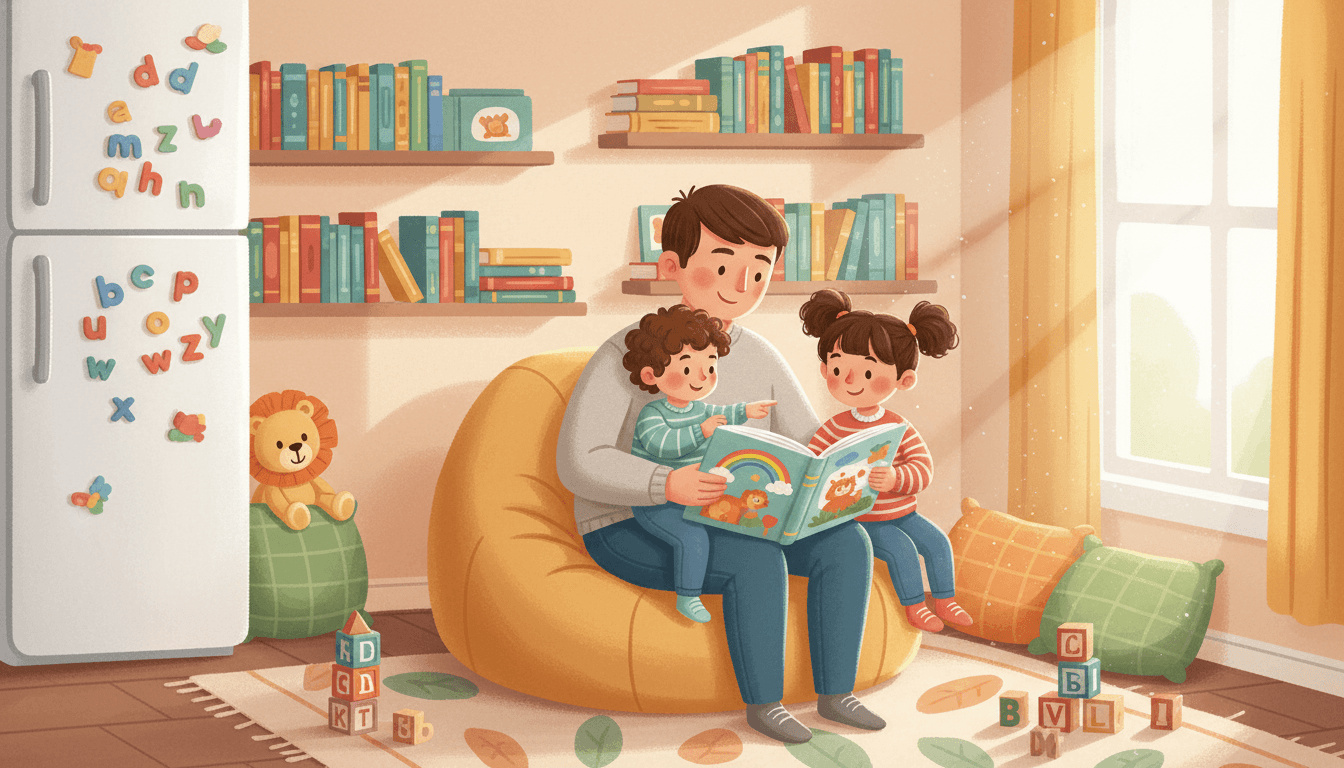
Early literacy refers to the knowledge, skills, and attitudes about reading and writing that children develop before they can formally read and write. It begins at birth - with the first time a parent reads a book aloud or a child hears a nursery rhyme - and it provides the foundation on which all formal literacy instruction is built.
Children who arrive at kindergarten with strong early literacy skills are significantly more likely to become strong readers. The inverse is also true: gaps in early literacy are strongly predictive of later reading difficulties.
The Key Components of Early Literacy
Print Awareness Understanding that print carries meaning, that we read left to right and top to bottom, that letters make words and words make sentences. Children with strong print awareness know how to hold a book, where to start reading, and what spaces between words mean.
Phonological Awareness The ability to hear and play with the sounds in spoken language - rhyming, clapping syllables, identifying the first sound in a word. Phonological awareness is one of the strongest early predictors of reading success.
Letter Knowledge Knowing the names and sounds of letters. Children who know most letter names and sounds when they enter kindergarten learn to read more quickly.
Vocabulary Knowing the meanings of many words - both everyday words and the rarer, more precise vocabulary found in books. Children with larger vocabularies understand more of what they read, which motivates more reading, which builds more vocabulary.
Oral Language and Narrative Skills Being able to tell and understand stories, describe experiences, and follow multi-step instructions. Strong oral language is the vehicle through which all other literacy skills develop.
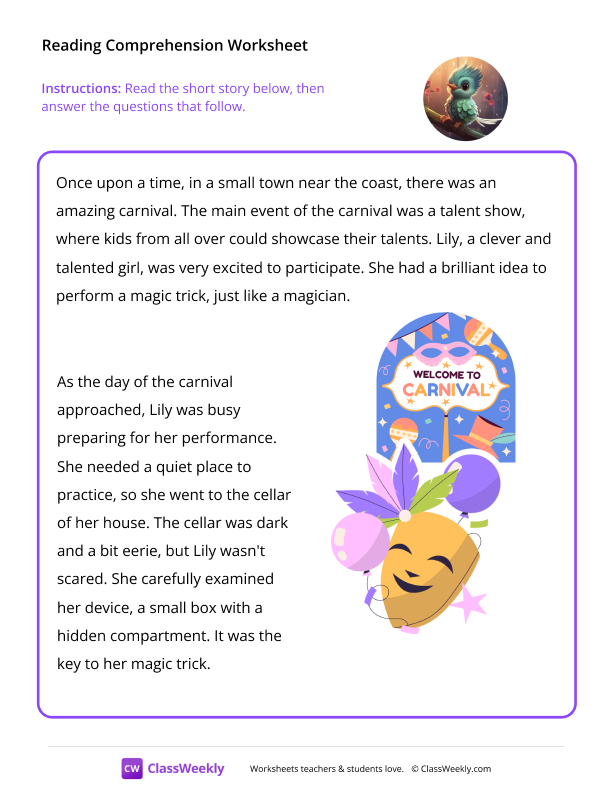
Print Motivation A love of books and an interest in reading. Motivation matters: children who want to read practice more, and practice is what builds skill.
How Early Literacy Develops
Early literacy is built through three main pathways:
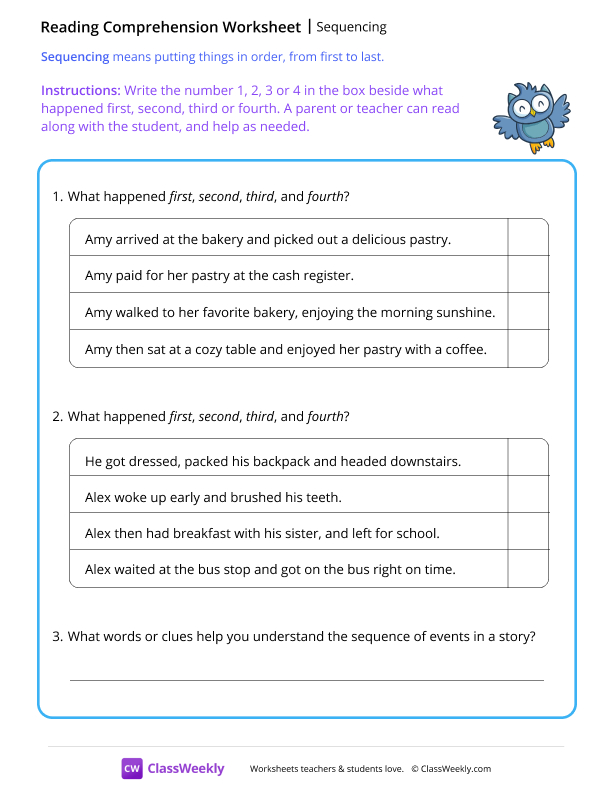
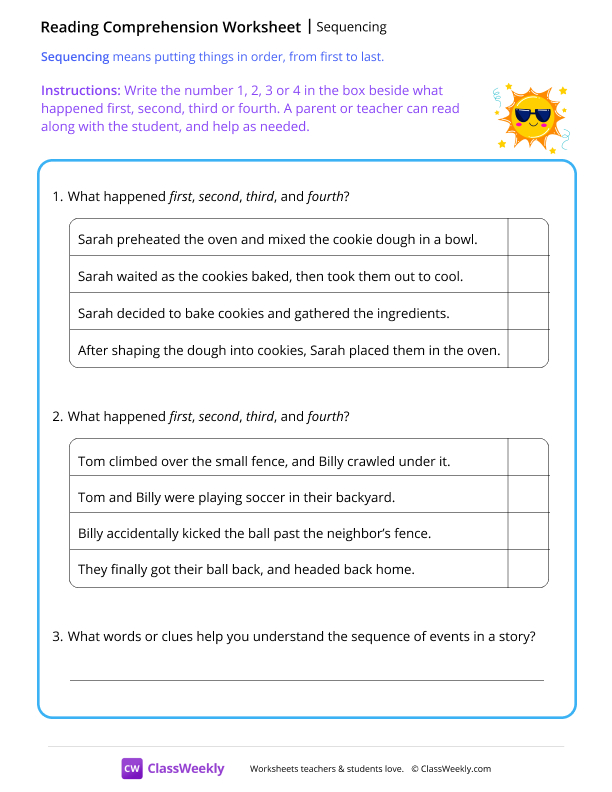
- Being read to - the most powerful early literacy activity
- Talking - rich conversations with adults build vocabulary and narrative skills
- Playing with language - songs, rhymes, word games, and storytelling
The "word gap" research (Hart & Risley, 1995) showed that children from high-conversation households heard 30 million more words by age 4 than children from low-conversation households - and this gap predicted reading achievement years later.
Practice Activities
- Read aloud every day - even 15 minutes has a measurable impact on vocabulary and print concepts.
- Sing alphabet songs and rhyming songs - phonological awareness develops through play with sound.
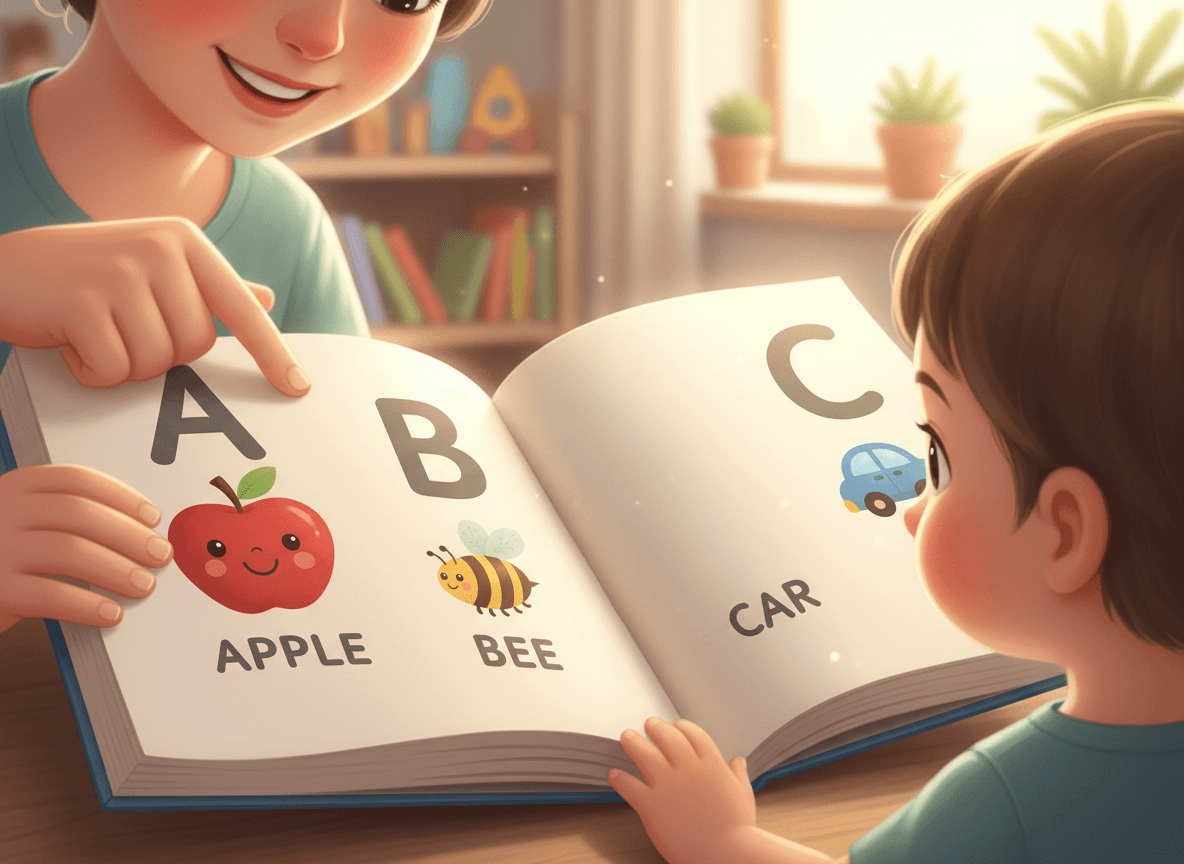
- Point to words as you read them, so children see that spoken words correspond to printed words.
- Play "I Spy a word that starts with /b/" - early phoneme isolation is a key pre-reading skill.
- Visit the library weekly and let children choose books based on their own interests - choice builds motivation.
Frequently Asked Questions
What is early literacy?
Early literacy refers to the knowledge, skills, and dispositions that children develop before they can formally read and write. It includes understanding that print carries meaning, recognizing that spoken words are made of sounds, building vocabulary through conversation and stories, and developing positive attitudes toward reading and books. Early literacy develops from birth through about age 8.
What are the building blocks of early literacy?
The six key building blocks of early literacy are: (1) print motivation - enjoying books and reading; (2) print awareness - knowing how print works (left to right, top to bottom, letters make words); (3) letter knowledge - knowing letter names and sounds; (4) vocabulary - knowing the meanings of many words; (5) narrative skills - understanding and telling stories; and (6) phonological awareness - hearing and playing with sounds in words.
How can parents support early literacy at home?
Reading aloud daily is the single most powerful thing parents can do. Beyond that: singing songs and nursery rhymes (builds phonological awareness), having conversations (builds vocabulary), pointing out words in the environment (print awareness), visiting the library regularly, and letting children see adults reading. Research shows that the number of words a child hears by age 5 is a strong predictor of vocabulary and reading success.
Free Early Literacy Worksheets
Curriculum-aligned printable worksheets for PreK – Kindergarten. Download free.