What Is Print Awareness?
Taught in US schools

Key Takeaways
- Print awareness is understanding the basic rules of how written language works.
- It includes knowing that print carries meaning, runs left to right, and is made of letters that form words.
- Children develop print awareness through being read to and interacting with print in their environment.
- Without print awareness, phonics instruction does not make sense to young readers.
What Is Print Awareness?
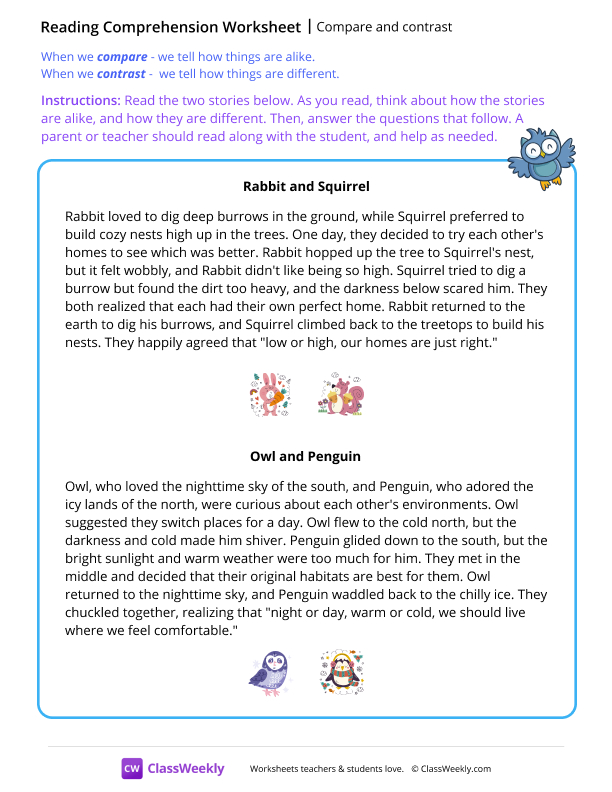
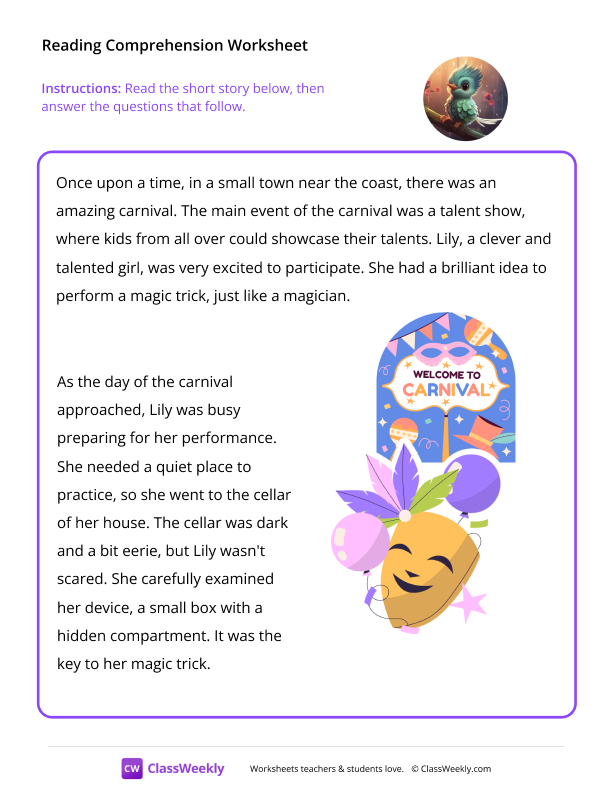
Print awareness is a child's understanding of how written language works - the basic rules and conventions of print that must be understood before a child can begin reading.
It is part of the broader concept of early literacy and develops before formal reading instruction begins, through everyday exposure to books, signs, labels, and other print in the environment.
What Print Awareness Includes
Book handling and orientation
- Holding a book right side up
- Identifying the front and back cover
- Knowing where the title is
- Knowing to start reading on the first page, not the last
Directionality
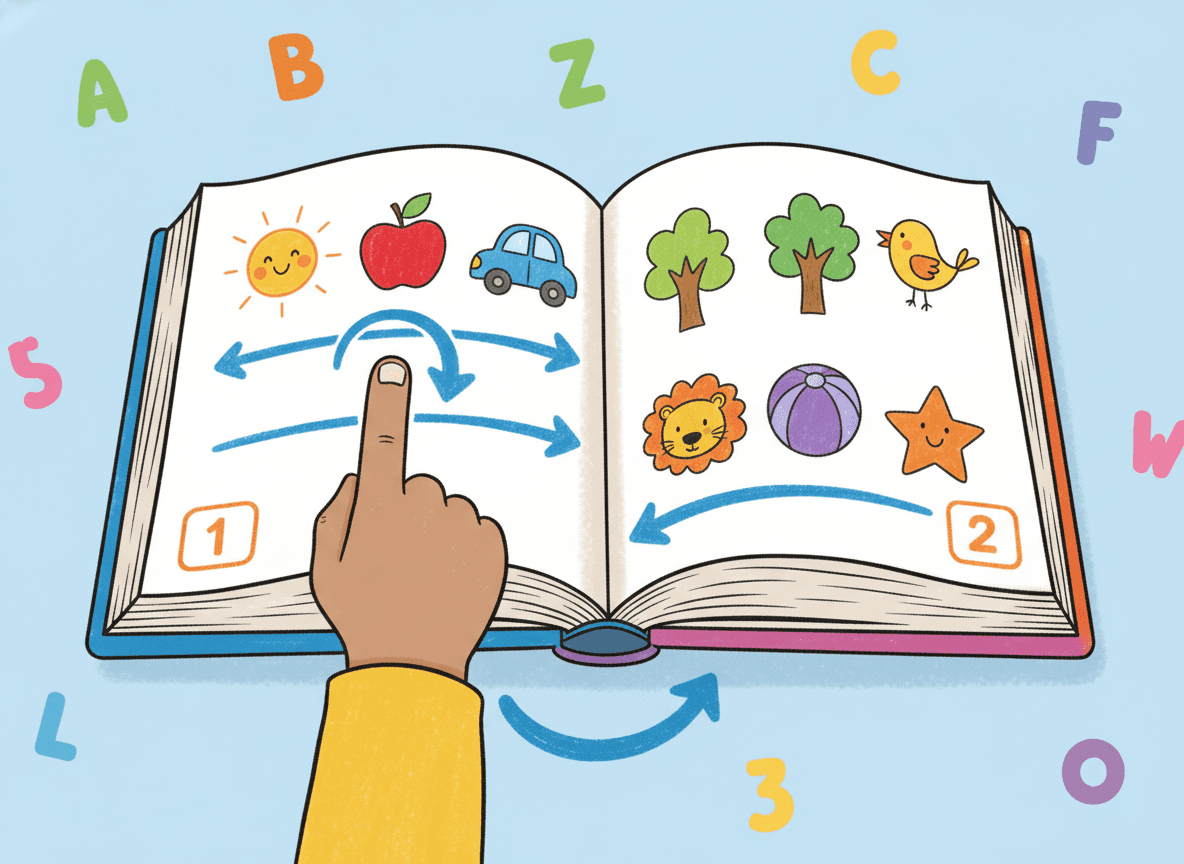
- Reading moves from left to right
- Reading moves from top to bottom
- When one line ends, you move down to the next line and start again at the left (return sweep)
Print carries meaning
- The squiggles on the page represent language
- The print (not the pictures) is what is read aloud
Word concept
- Words are made of letters
- Spaces separate words
- Being able to point to individual words while reading (one-to-one correspondence)
Letter and word distinction
- A letter is one symbol: A, b, g
- A word is made of letters: "cat," "the," "school"
- A sentence is made of words and starts with a capital letter and ends with punctuation
Punctuation awareness
- Periods signal the end of a sentence
- Question marks signal a question
- Exclamation marks signal excitement or strong feeling
How Print Awareness Develops
Print awareness develops primarily through being read to. When an adult points to words while reading, tracks left to right with a finger, or points out "This is the title," they are building print awareness without formal instruction.
Children also develop print awareness through environmental print - the print that surrounds them every day: cereal boxes, stop signs, restaurant menus, store labels. Many children read "McDonald's" or "STOP" long before they can decode other words.
Why Print Awareness Matters
Without print awareness, phonics instruction doesn't make sense. A child who doesn't know that print is read left to right will not understand why letters are taught in an order that produces words. A child who doesn't know that spaces separate words cannot distinguish where one word ends and the next begins.
Print awareness is the framework into which all other reading instruction fits.
Practice Activities
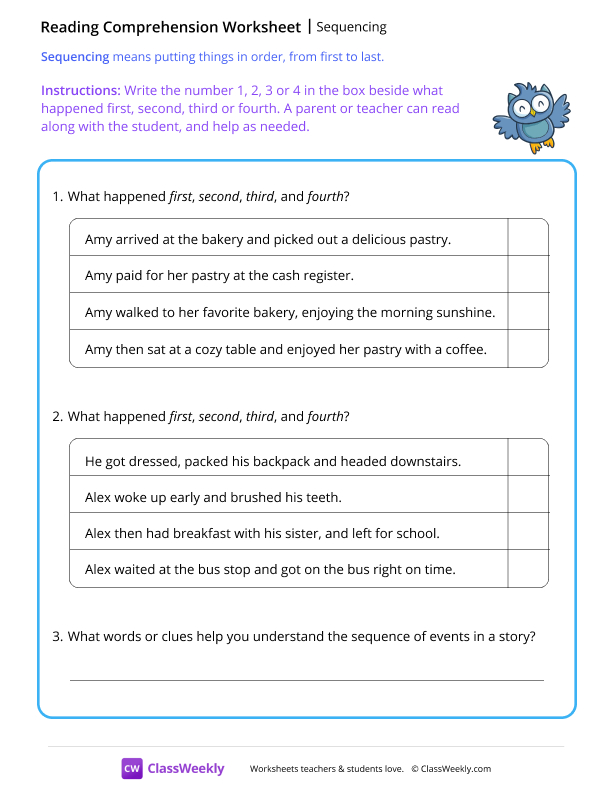
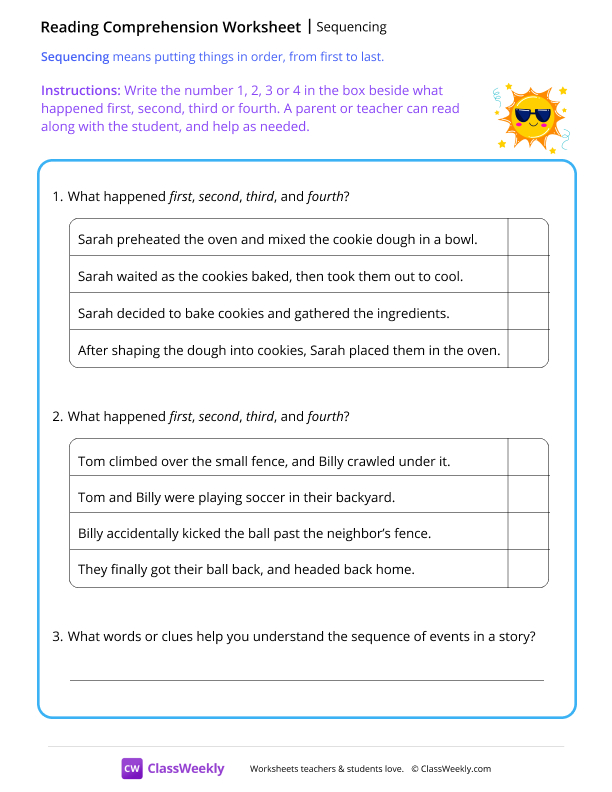
- During read-alouds, point to words as you read them - this demonstrates one-to-one correspondence and directionality.
- Use a pointer in shared reading sessions and occasionally invite students to be the "pointer."
- Play "I see print!" - go on a walk and photograph print you see in the environment. Discuss what each piece of print means and why it was created.
- Give students their own copy of a shared reading text - have them point to each word as the class reads together.
Frequently Asked Questions
What is print awareness?
Print awareness is a child's understanding of how printed language works. It includes: knowing that print carries meaning (it's not just decoration); knowing that we read left to right and top to bottom in English; understanding that spaces separate words; knowing the difference between letters, words, and sentences; being able to identify the front and back of a book and where reading begins; and understanding that the print (not the pictures) is what is read.
When do children develop print awareness?
Print awareness develops gradually from birth, through exposure to books, environmental print (signs, labels, cereal boxes), and being read to regularly. Most children develop basic print awareness concepts between ages 3 and 5. Children who are read to frequently and who have rich print environments develop print awareness earlier than children with less exposure.
What print awareness skills are assessed in kindergarten?
In kindergarten, teachers typically assess: (1) book orientation (knows to hold book right side up, identifies front and back covers); (2) directionality (reads left to right, top to bottom, returns to next line at the end of each line); (3) word concept (points to individual words, recognizes spaces between words); (4) letter concept (can identify a letter vs. a word vs. a sentence); and (5) punctuation awareness (notices periods, question marks, exclamation points).
Free Print Awareness Worksheets
Curriculum-aligned printable worksheets for PreK – Kindergarten. Download free.